
10 Surreal Films Every David Lynch Fan Should Watch
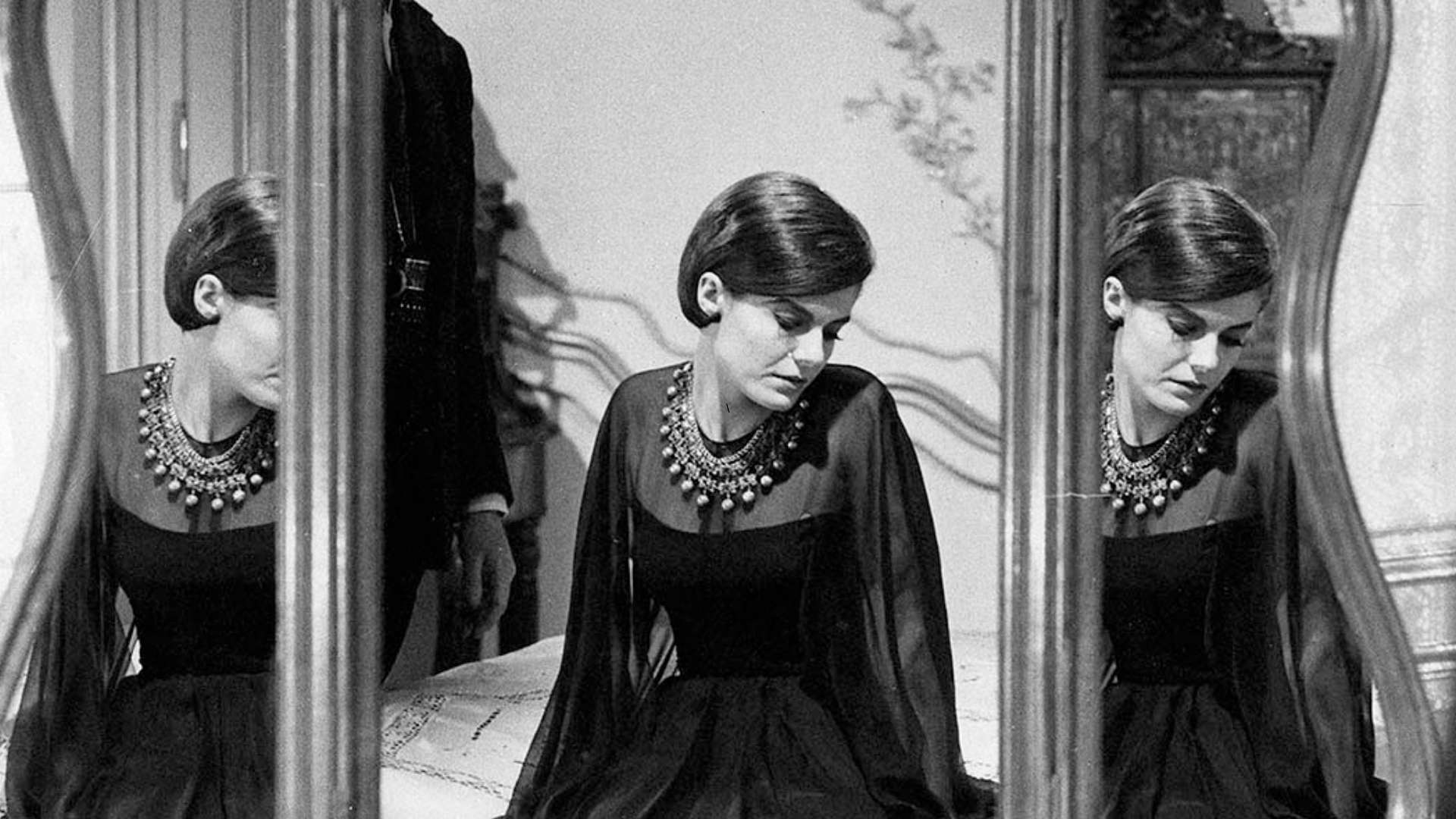
Last Year at Marienbad (1961)
Some movies are experimental but still easy to follow. Last Year at Marienbad is not one of them—and that’s part of its strange appeal. The film takes place in a grand hotel and garden where a man insists that he met a woman there the year before, while she seems unsure whether that memory is real. Scenes repeat, conversations circle back, and time feels strangely frozen. Nothing is clearly confirmed, which creates a haunting, dreamlike experience.
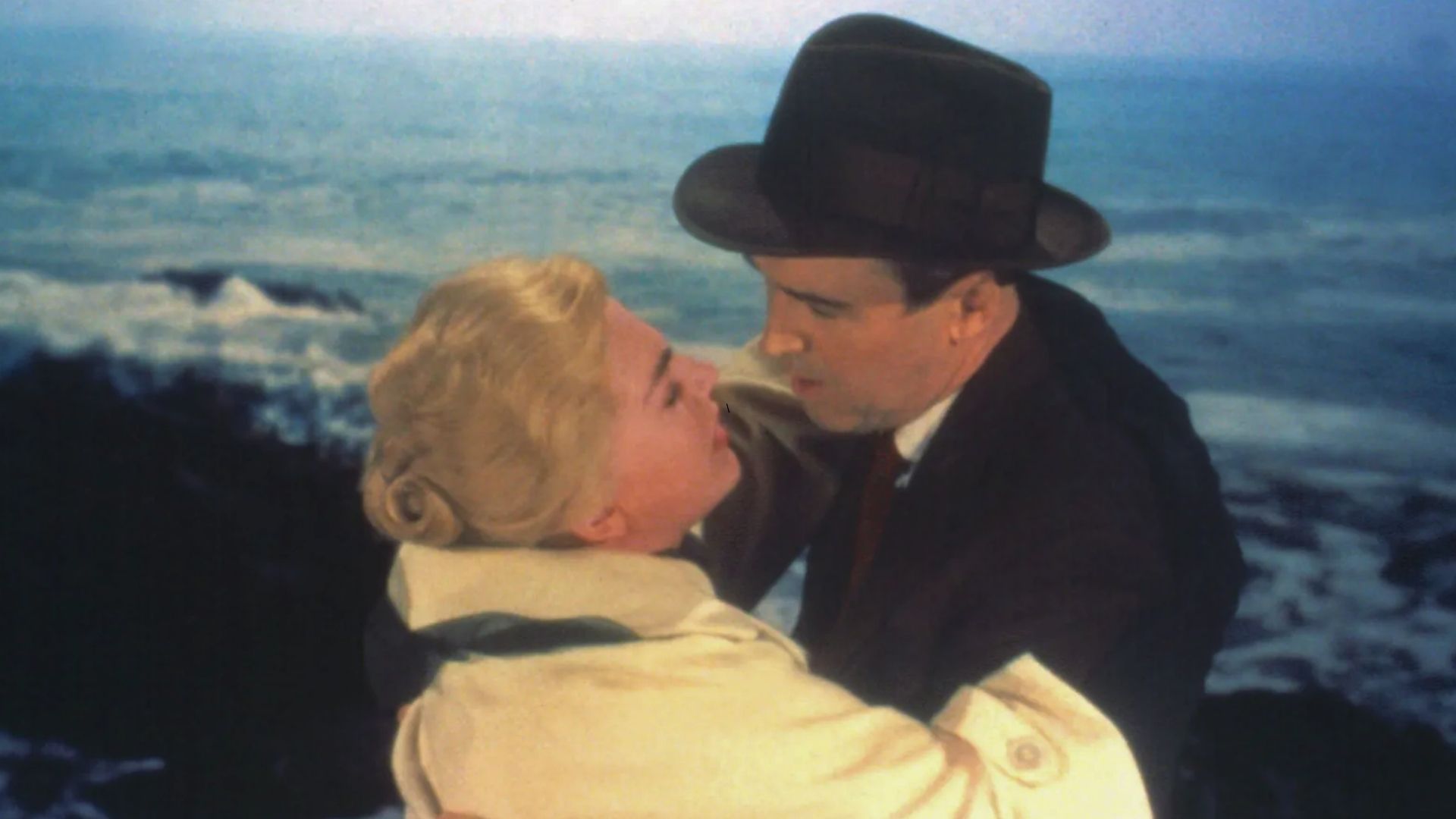
Vertigo (1958)
Alfred Hitchcock’s Vertigo may not look Lynchian at first, but its themes feel surprisingly familiar. The story follows a former detective who becomes obsessed with a mysterious woman he has been hired to follow. As his fascination grows, the film slowly moves into darker and more unsettling territory. Ideas of identity, illusion, and doubling play a huge role in the narrative, themes that David Lynch later explored in films like Mulholland Drive and Lost Highway.

Under the Silver Lake (2018)
Under the Silver Lake feels like a modern mystery that could easily exist in David Lynch’s strange cinematic world. The film is about Sam, a drifting young man who becomes obsessed with finding his neighbor after she suddenly disappears. What starts as simple curiosity quickly turns into a strange investigation filled with hidden symbols, odd clues, and bizarre encounters across Los Angeles. The deeper Sam digs, the stranger the city becomes.
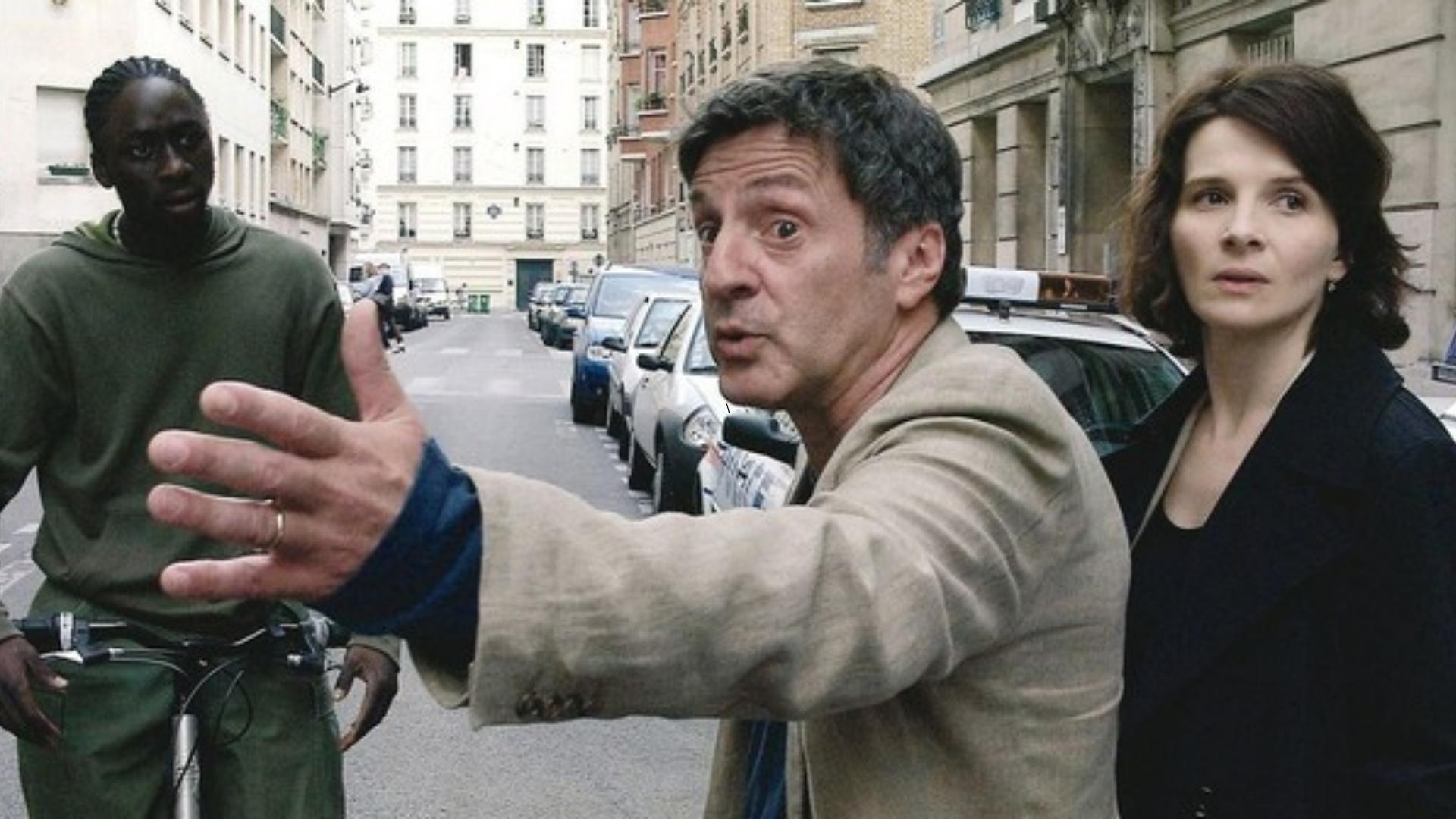
Caché (2005)
Caché slowly builds a feeling of paranoia that fans of David Lynch will immediately recognize. The story follows a married couple who start receiving mysterious videotapes showing footage of their own home. No explanation comes with them, and the quiet surveillance begins to feel deeply unsettling. The film unfolds patiently, letting tension grow little by little rather than relying on big twists. Much like Lost Highway, the mystery feels personal and disturbing, as if someone is always watching from just out of sight.
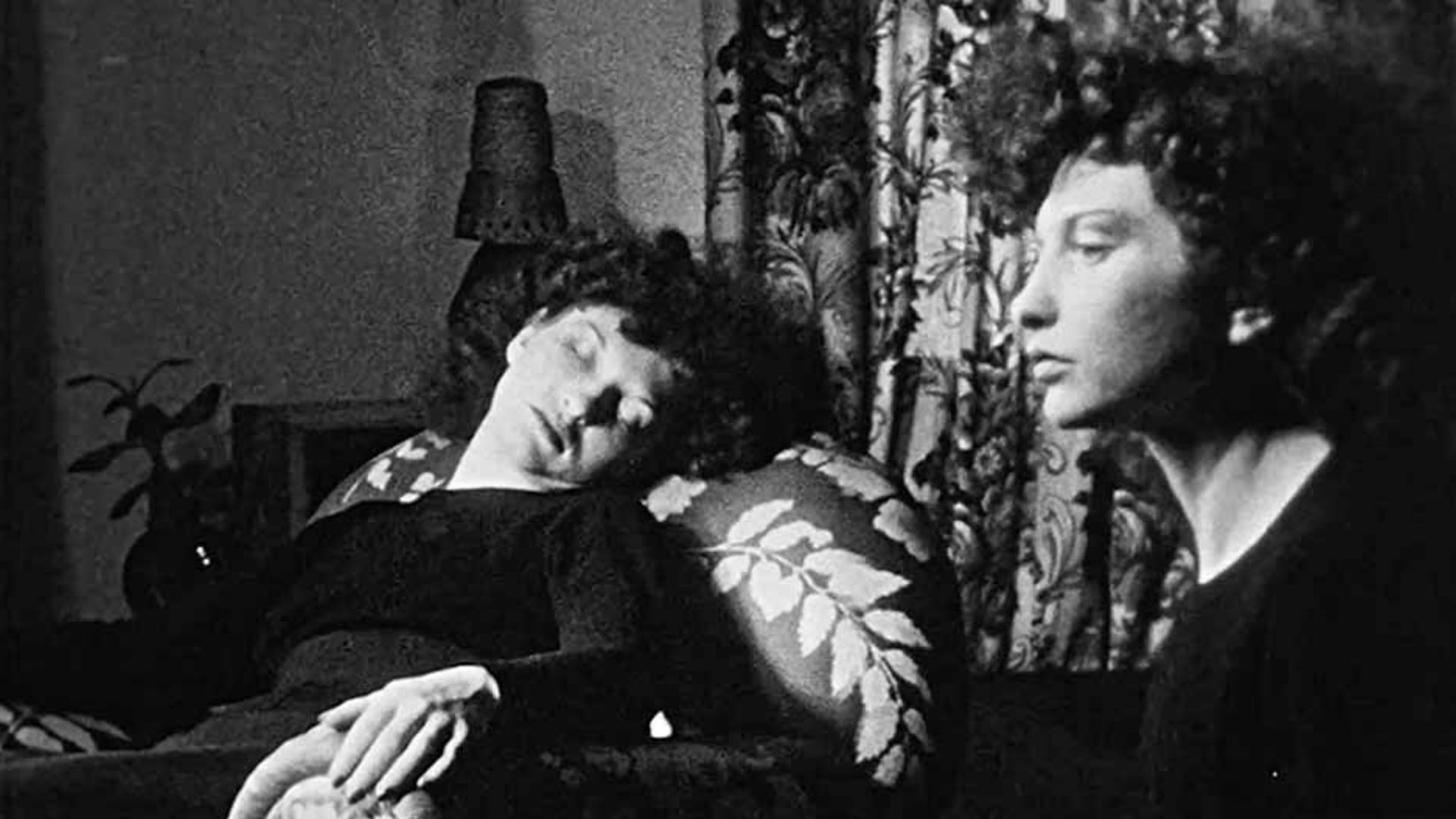
Meshes of the Afternoon (1943)
Meshes of the Afternoon feels like stepping directly into a dream. The short film follows a woman moving through her house while strange events begin repeating themselves in slightly different ways. A key appears. A knife appears. A mysterious cloaked figure with a mirror for a face slowly moves through the scene. Nothing is clearly explained, and that’s exactly what makes it fascinating. The film relies on mood, imagery, and symbolism instead of traditional storytelling.
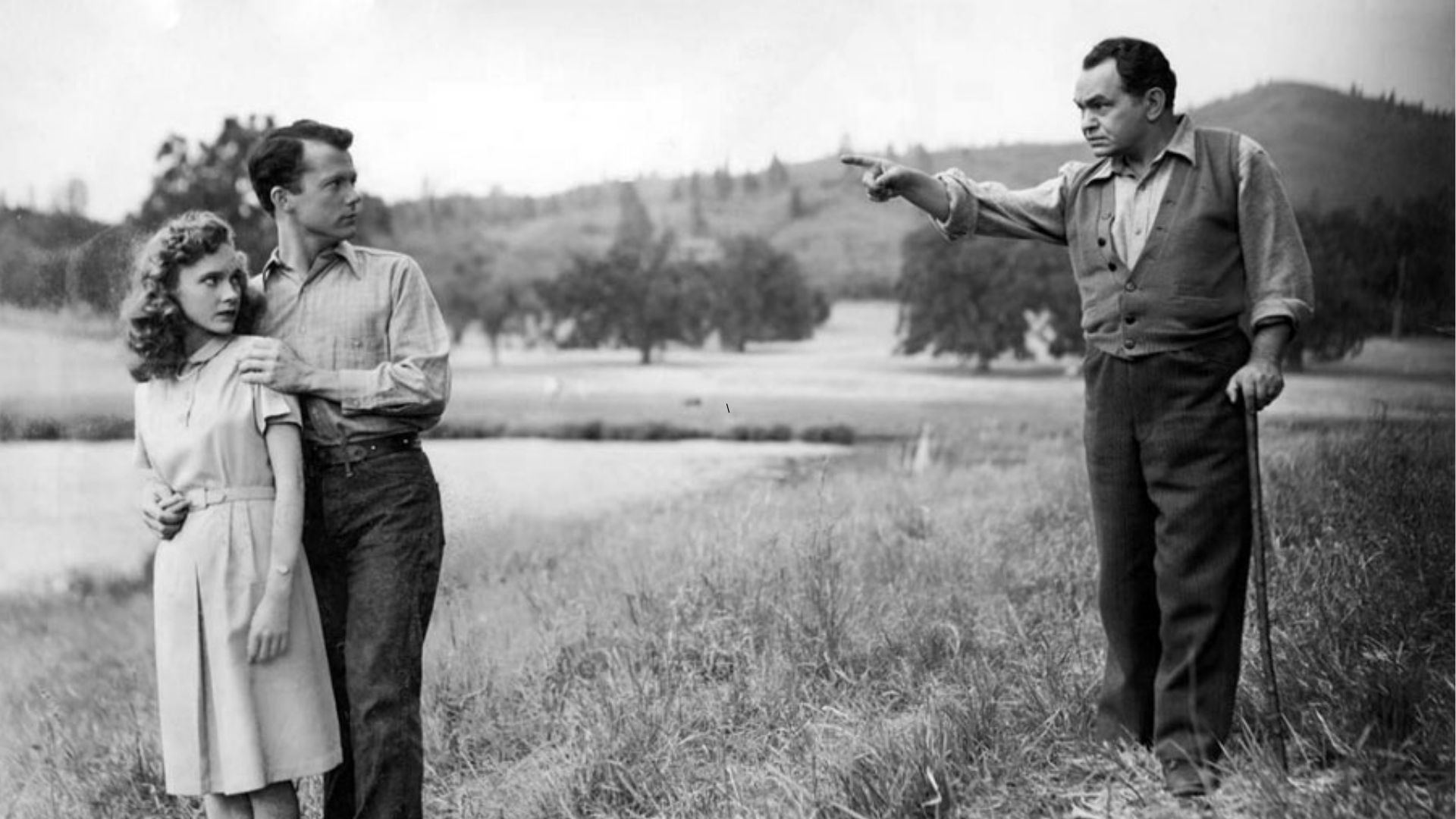
The Red House (1947)
The Red House tells the story about life on a farm, but it slowly becomes something much darker. A teenage girl lives with her adoptive parents in a remote countryside home, and nearby woods hide an abandoned house surrounded by strange rumors. The more people talk about it, the more unsettling the mystery becomes. When curious teenagers begin exploring the forest, buried secrets from the past slowly rise to the surface.
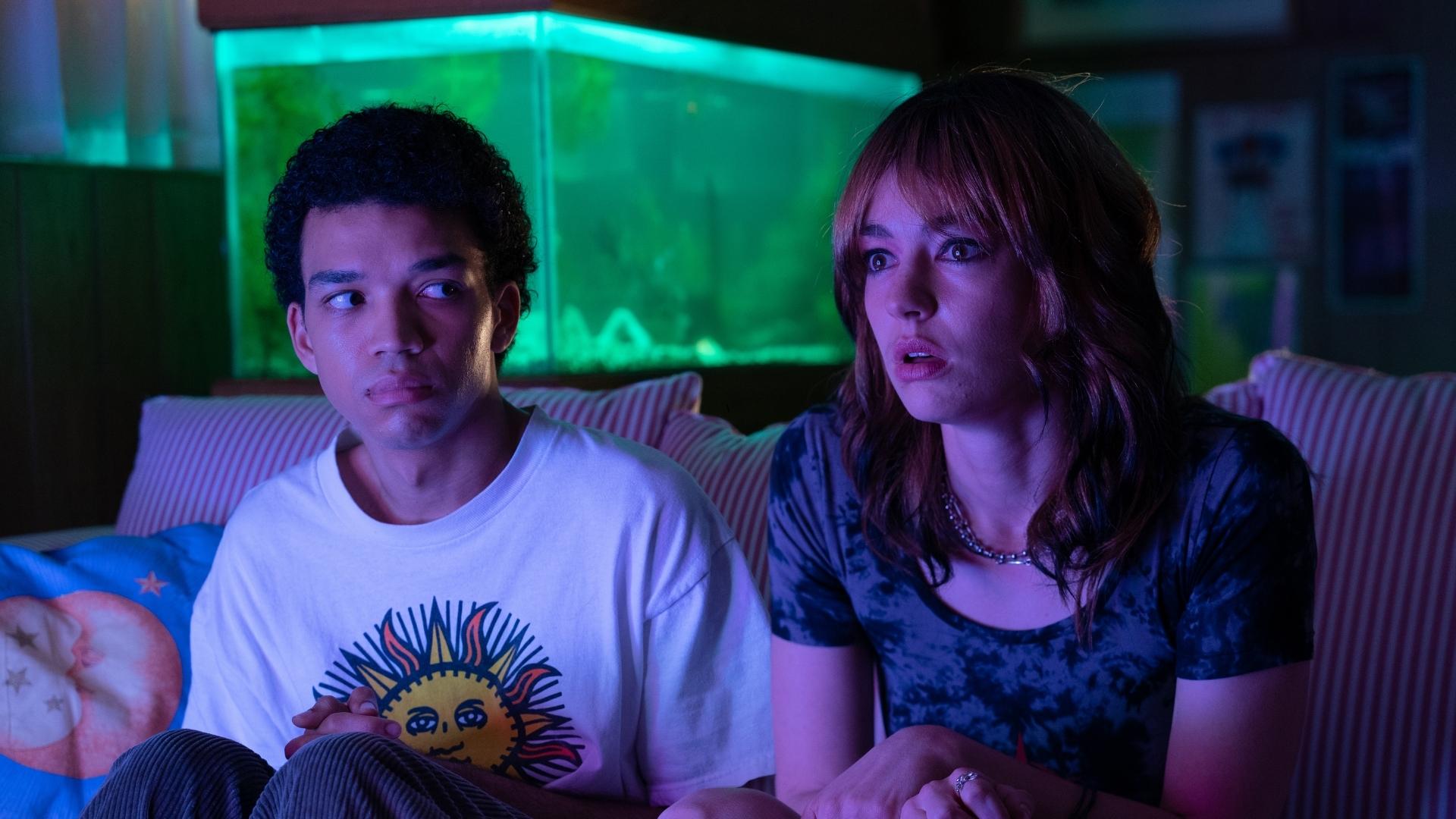
I Saw the TV Glow (2024)
Jane Schoenbrun’s I Saw the TV Glow channels the emotional and aesthetic influence of Twin Peaks into a deeply personal story about identity and memory. The film follows two teenagers whose lives revolve around a mysterious late-night television show that seems to blur with their own reality. As the years pass, the boundary between fiction and life becomes increasingly unstable. Its eerie suburban settings, cryptic mythology, and slow-building dread echo Lynch’s fascination with hidden worlds beneath ordinary life.
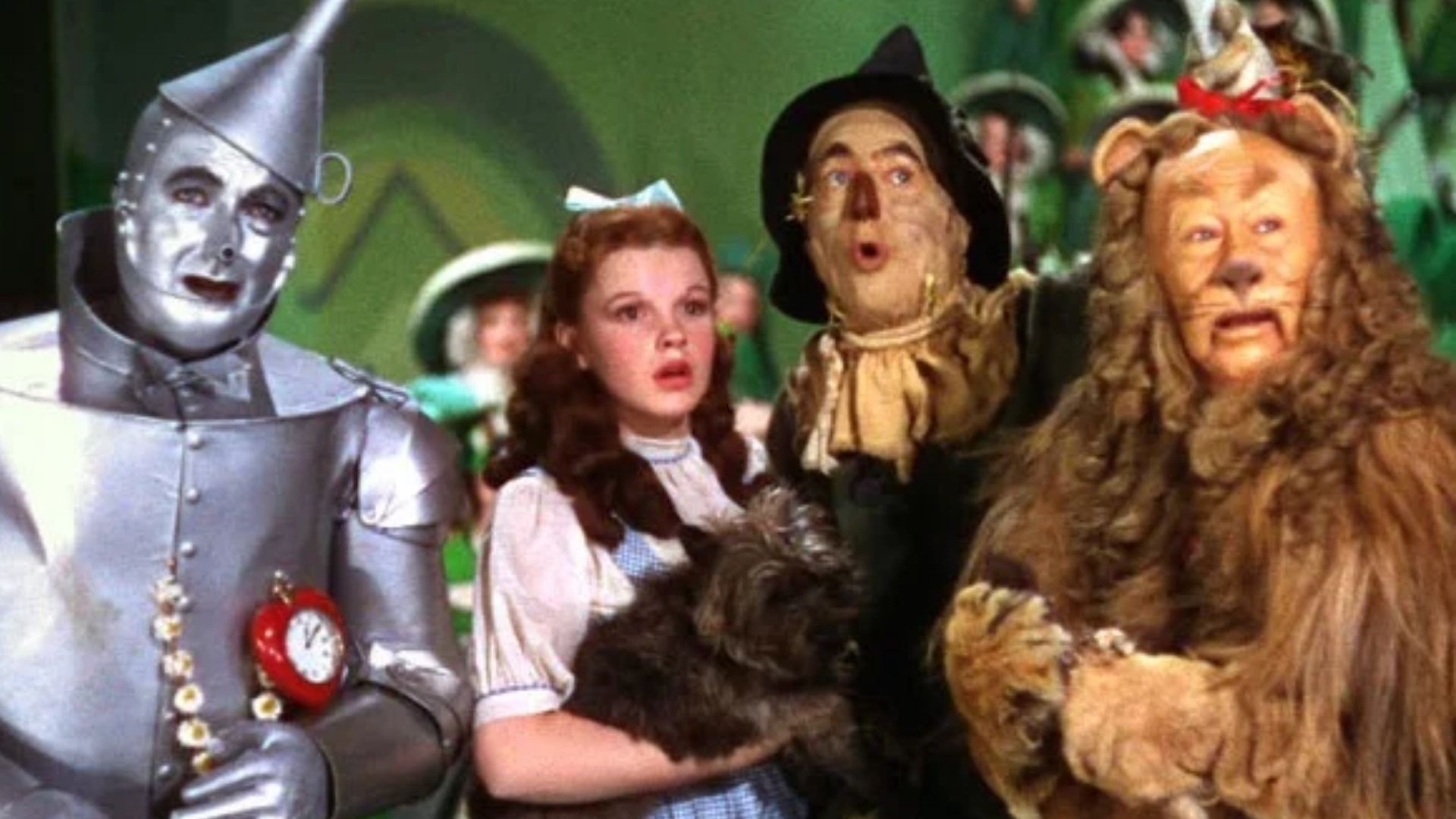
The Wizard of Oz (1939)
The Wizard of Oz might not seem like a film connected to David Lynch, but the filmmaker himself admitted thinking about it almost every day. When Dorothy is swept away from Kansas and suddenly lands in the strange land of Oz, the story introduces an idea Lynch loves: ordinary people discovering hidden, dreamlike worlds. The bright fantasy hides something slightly eerie too. There are mysterious figures pulling the strings, dramatic curtains revealing secrets, and a winding road leading deeper into the unknown.

I’m Thinking of Ending Things (2020)
Charlie Kaufman’s I’m Thinking of Ending Things explores identity, memory, and regret through a narrative that constantly shifts perspective and reality. Even though it begins as a simple trip to meet a boyfriend’s parents gradually transforms into a surreal meditation on loneliness and self-perception. Characters change names, conversations loop unpredictably, and the story drifts into dreamlike sequences that challenge the viewer’s sense of time and identity. Like David Lynch’s work, the film refuses to explain its mysteries directly, instead using unsettling imagery and emotional tension to create meaning.
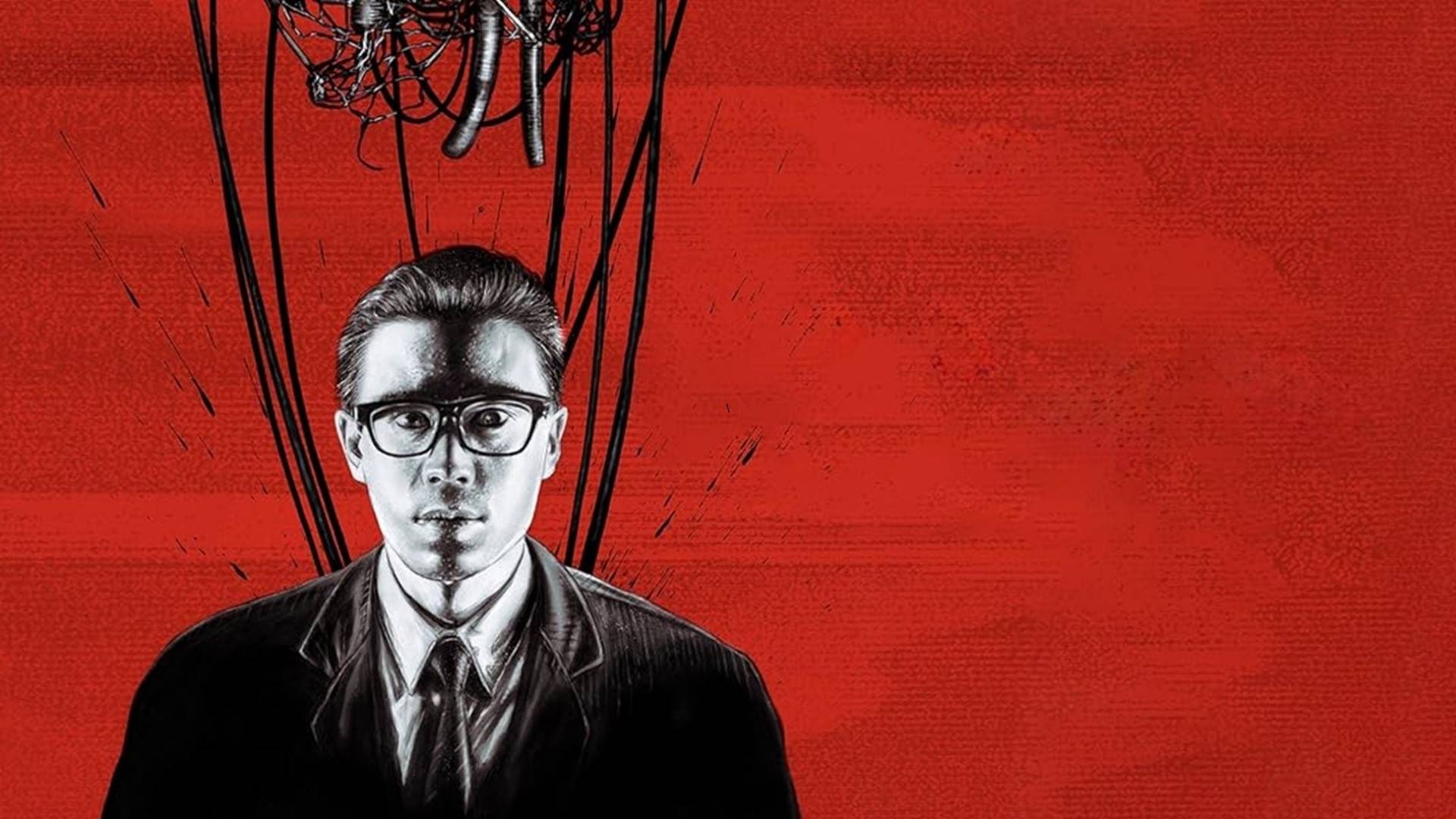
Tetsuo: The Iron Man (1989)
Tetsuo: The Iron Man is loud, chaotic, and completely unforgettable. The film follows a man who wakes up to discover that his body is slowly turning into metal. Strange wires and iron pieces begin emerging from his skin, and his life spirals into a surreal nightmare. Shot in gritty black and white, the film has a raw energy that feels similar to David Lynch’s Eraserhead. Both films use disturbing images and intense sound to express anxiety and loss of control. But Tetsuo pushes things even further.