
Terrifying Horror Movies Where Evil Actually Wins in the End

The Skeleton Key (2005)
This Southern Gothic thriller follows a hospice nurse (Kate Hudson) who discovers a dark secret involving "Hoodoo" in a Louisiana mansion. The brilliance of its ending lies in the protagonist's attempts to protect herself; her belief in the magic is exactly what allows the ritual to work. Evil doesn't just win; it successfully body-swaps into the young, healthy protagonist, leaving her trapped in a dying body while the villains gain a new lease on life.
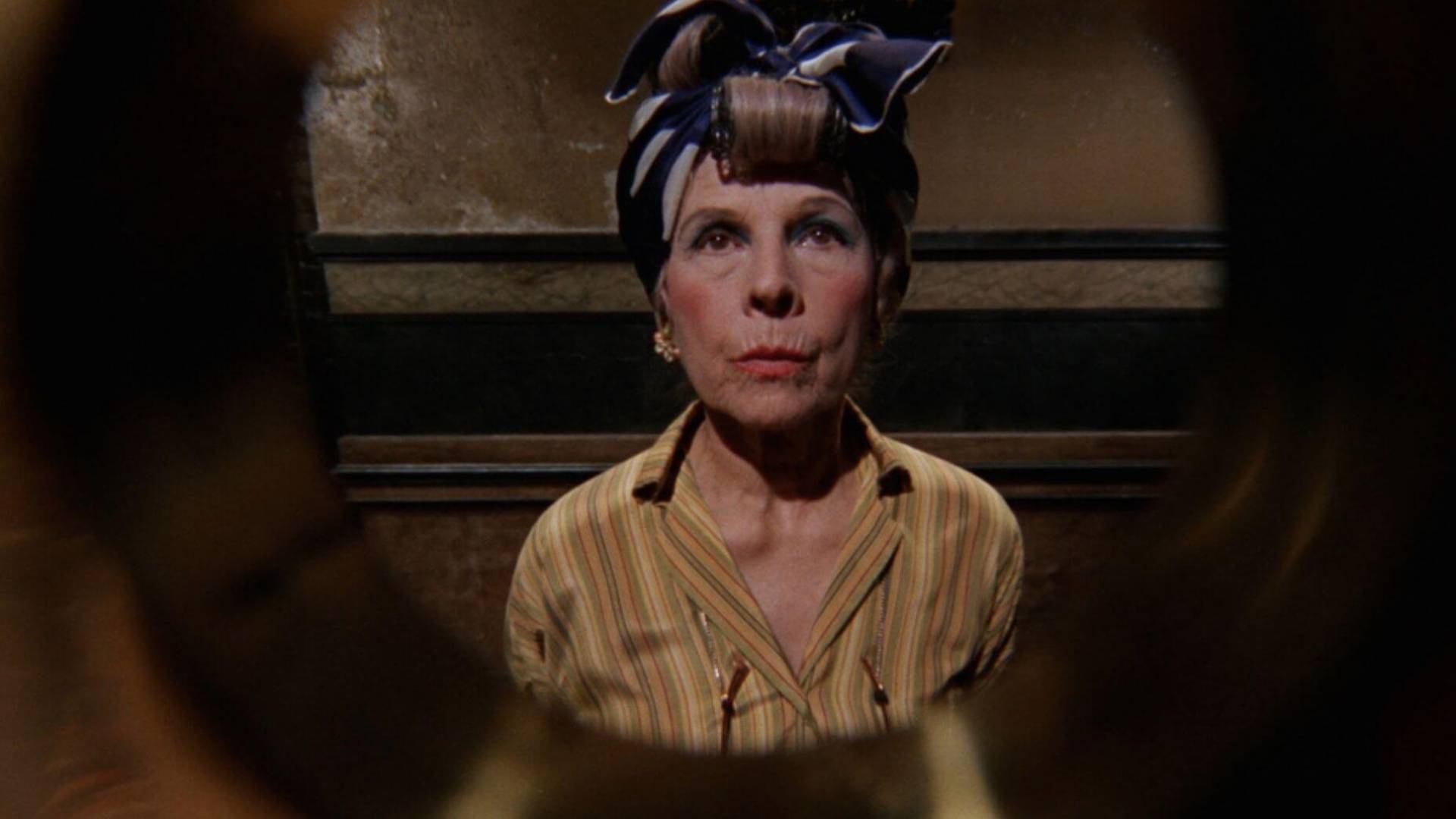
Rosemary's Baby (1968)
Rosemary Woodhouse becomes increasingly paranoid that her husband and neighbors are part of a Satanic cult interested in her unborn child. She eventually discovers that she has been impregnated by the Devil himself. Instead of rejecting the monstrous infant, the film ends with Rosemary's maternal instinct taking over as she rocks the cradle. The cult has won, and the Antichrist is being raised with a mother’s love.
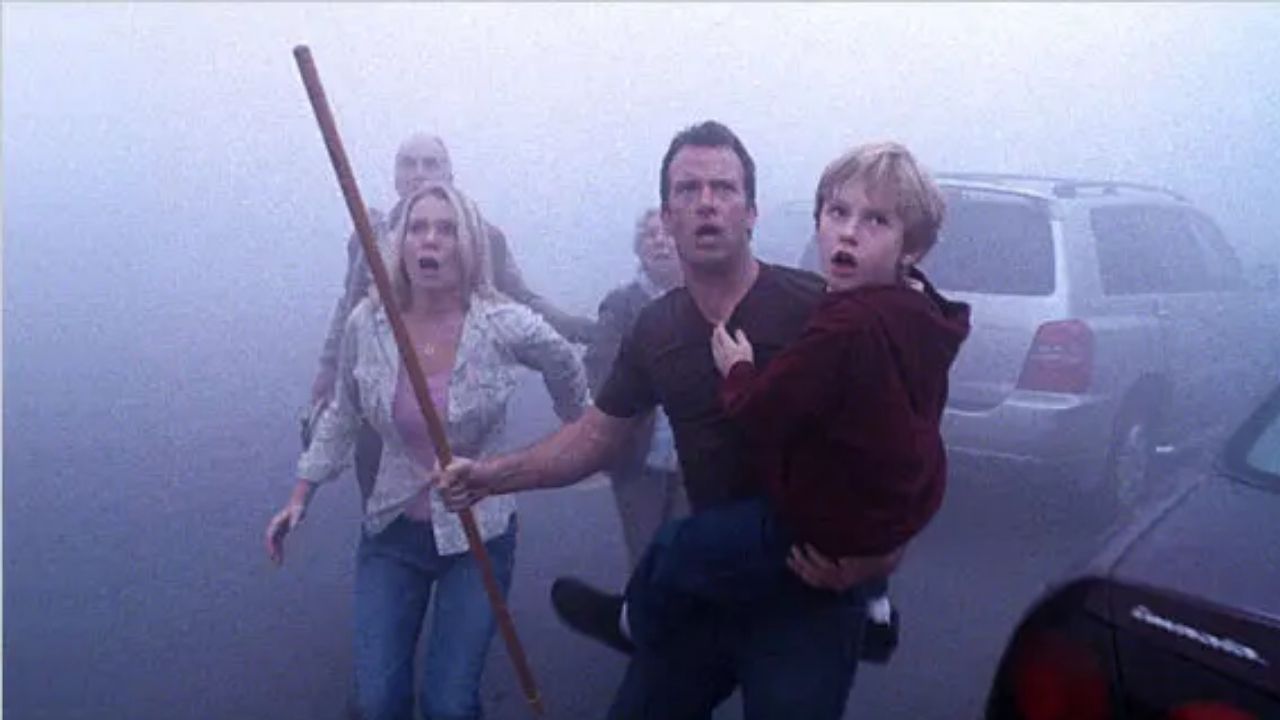
The Mist (2007)
Based on a Stephen King novella, this film features one of the most devastating endings in cinema history. After a group of survivors flees a mist-filled town teeming with lovecraftian monsters, their car runs out of gas. To spare them a gruesome death, the protagonist kills the other four passengers—including his own son—only for the mist to clear and the military to arrive seconds later. The monsters didn't kill him, but the "evil" of the situation destroyed his soul entirely.
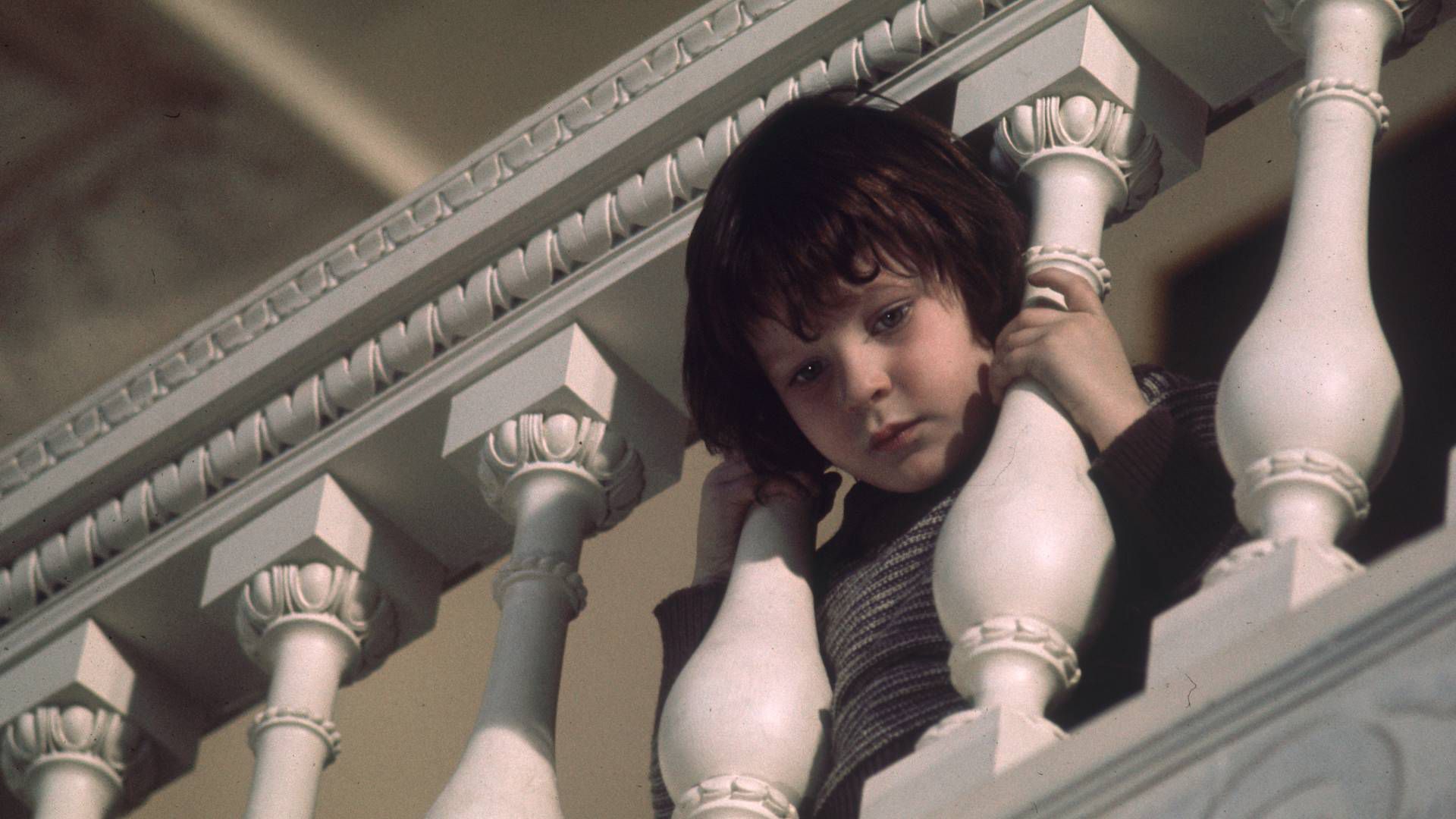
The Omen (1976)
Robert Thorn discovers that his adopted son, Damien, is the Antichrist. After his wife and friends are brutally killed, Robert attempts to kill the child on consecrated ground, only to be shot by the police just as he is about to strike. The final shot of the film shows Damien at his parents' funeral, holding the hand of the President of the United States and smiling at the camera, his rise to power officially beginning.
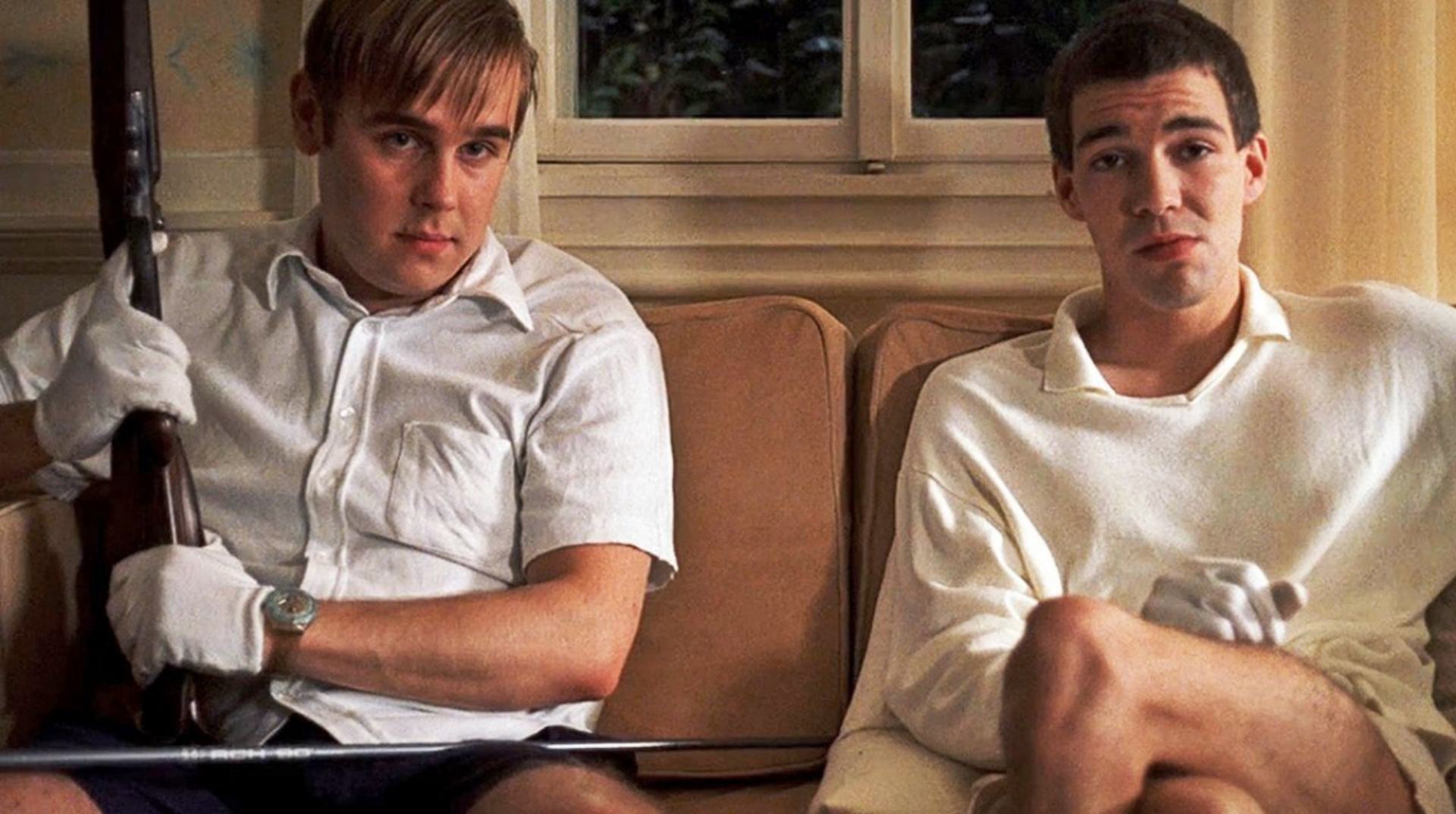
Funny Games (1997/2007)
Michael Haneke’s home-invasion thriller is a meta-commentary on violence in media. Two polite young men take a family hostage and subject them to sadistic games. In a famous scene, when the mother manages to kill one of the captors, the other simply picks up a remote control and "rewinds" the movie to prevent her success. It is a cold, clinical demonstration that the audience's desire for a hero's victory will be denied.
Sinister (2012)
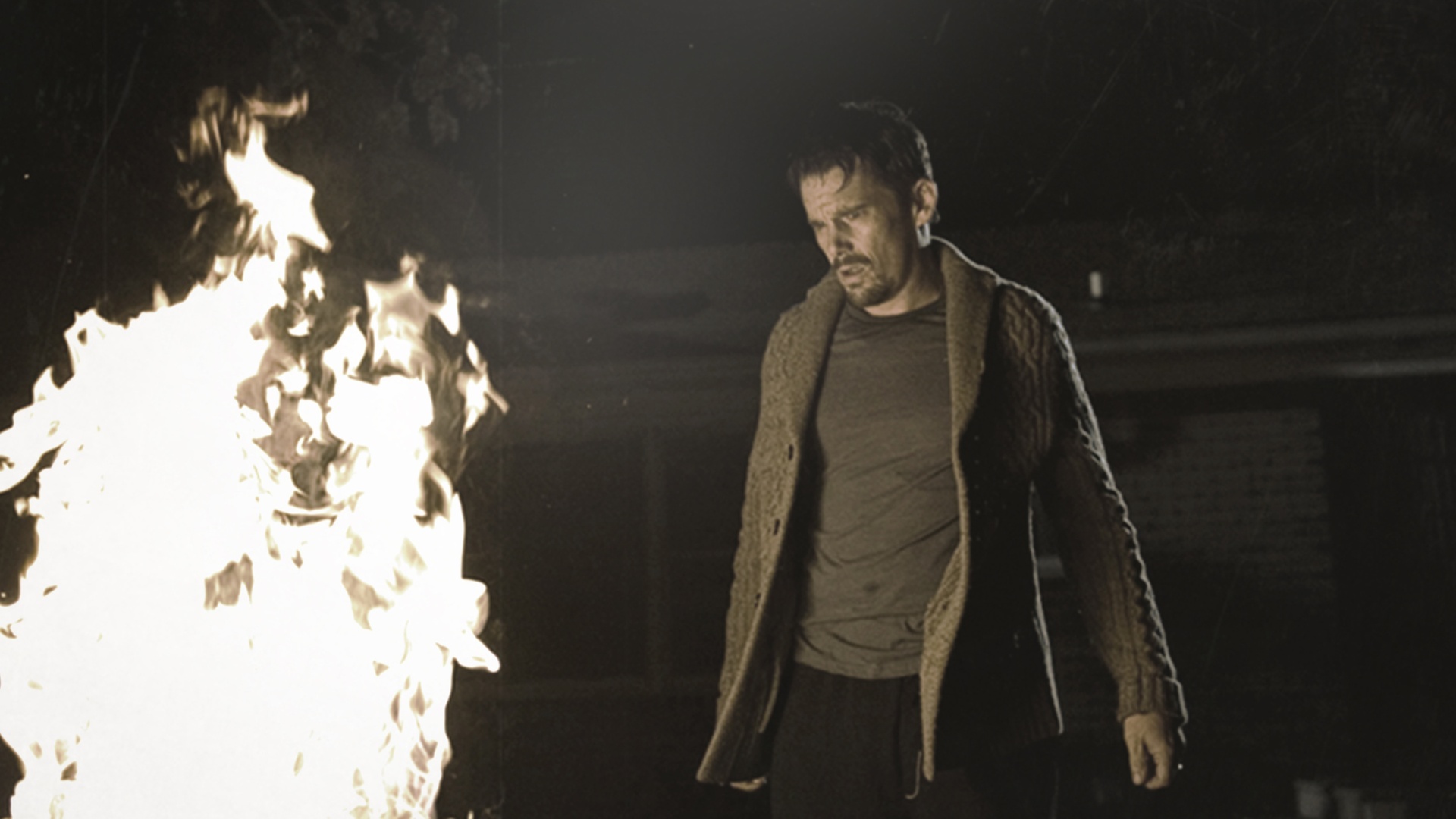
True-crime writer Ellison Oswald moves his family into a house where a grisly murder occurred, hoping to find inspiration for his next book. He discovers a box of "snuff" films that reveal a demonic entity named Bughuul. The twist is that by moving into the house and watching the films, he has already sealed his fate. The film ends with Ellison’s own daughter murdering the family and being taken into the film realm by Bughuul.
The Blair Witch Project (1999)
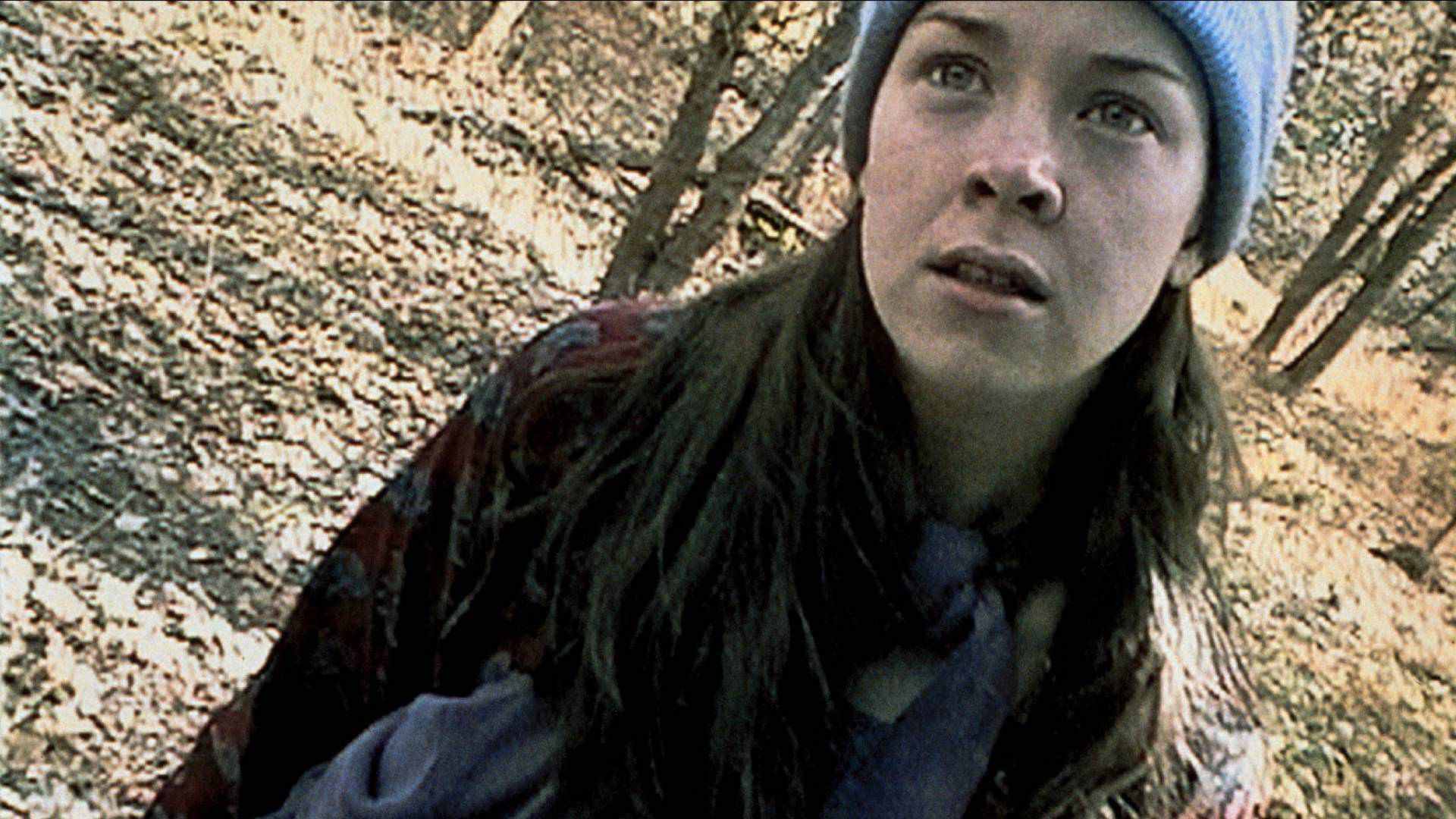
The movie that popularized the found-footage genre relies on the "unseen" to create terror. The three student filmmakers become increasingly lost and panicked in the woods of Maryland. The final scene, featuring a character standing silently in a corner before the camera drops, indicates that the legend of the witch—who supposedly made children stand in corners while she killed others—is all too real. No one makes it out of the woods.
Drag Me to Hell (2009)
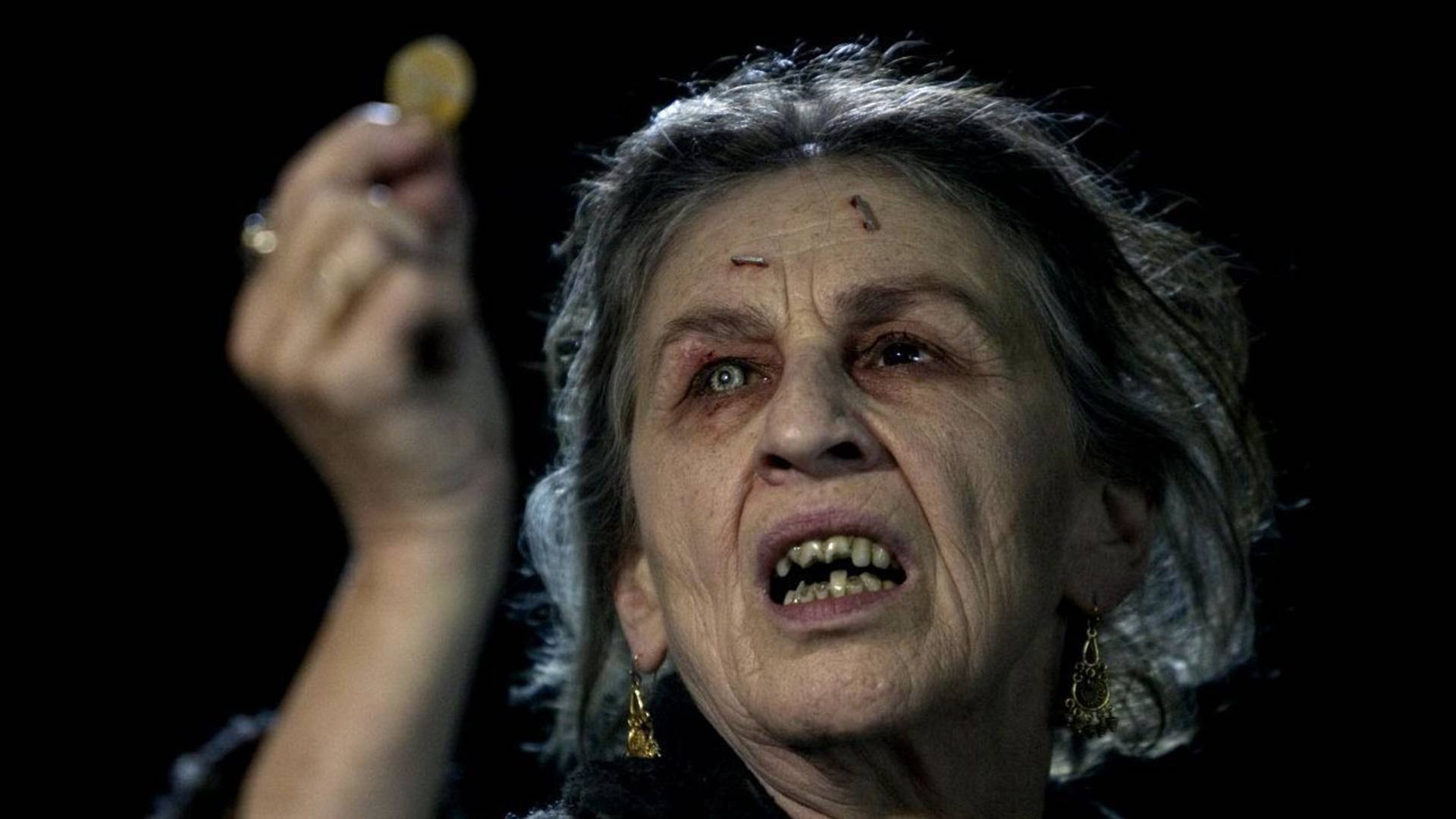
Sam Raimi’s return to horror is a relentlessly energetic "curse" movie. After a loan officer denies an old woman an extension on her mortgage, she is cursed to be tormented by a demon for three days before being dragged to hell. Despite her frantic efforts to pass the curse to someone else, a simple mix-up with an envelope leads to the film's title becoming a literal reality in the final seconds.
The Wicker Man (1973)
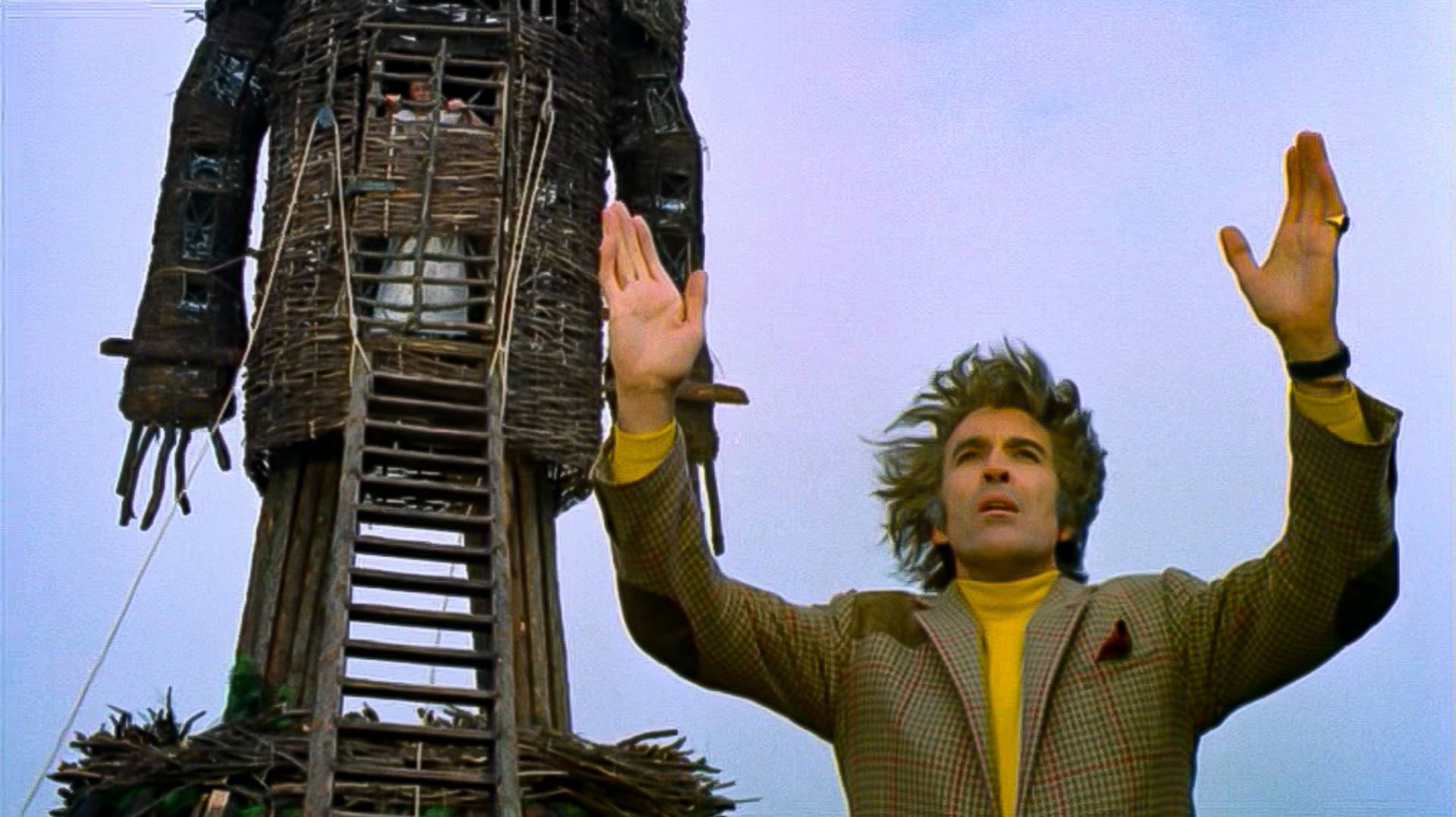
In this folk-horror classic, Sergeant Howie travels to a remote Scottish island to investigate a missing girl. His rigid Christian morality is his downfall, as the pagan islanders have lured him there specifically to be their human sacrifice. The film ends with the terrifying image of the Wicker Man burning with Howie inside, as the villagers sing joyfully, convinced their harvest is now saved.
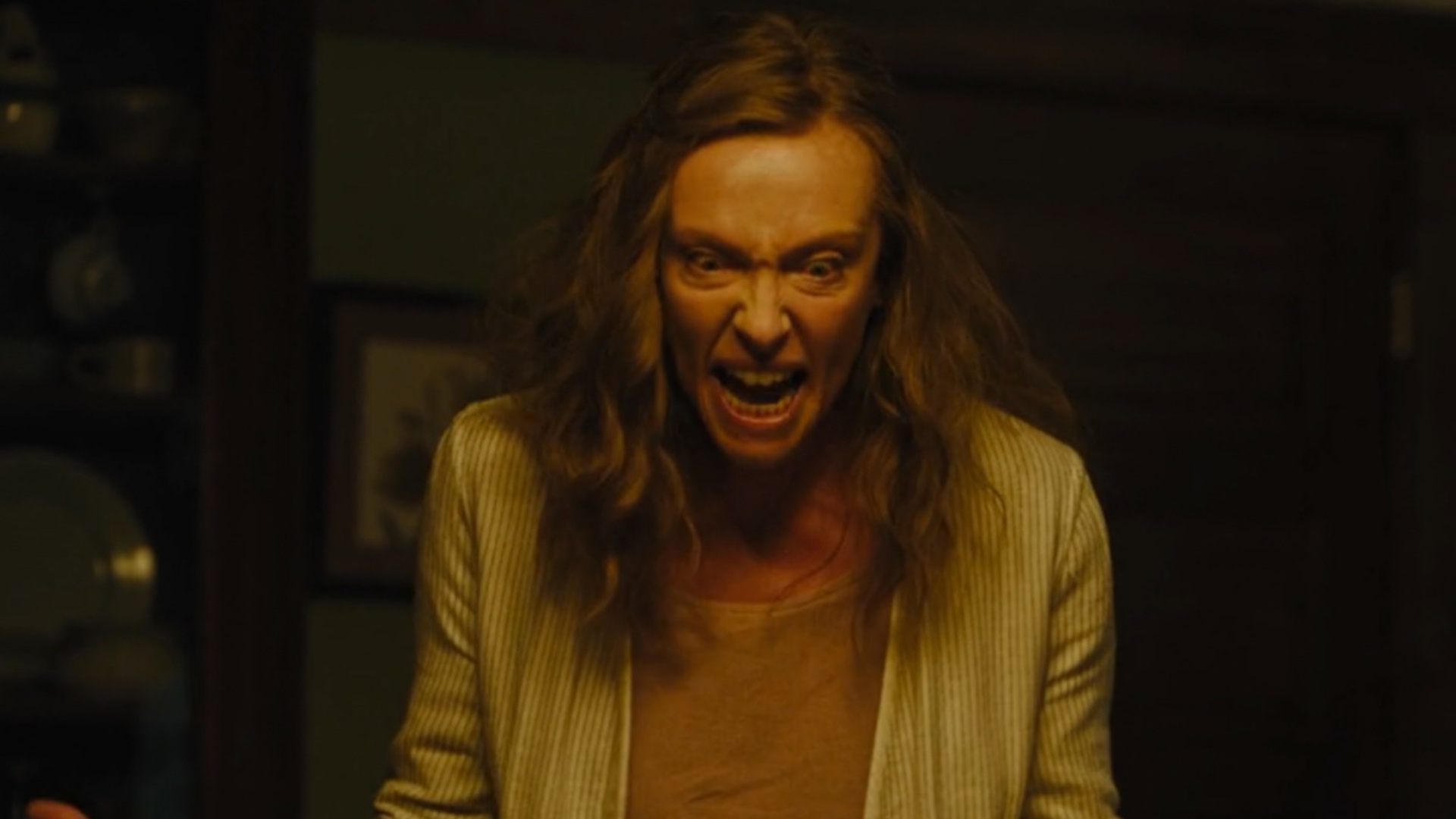
Hereditary (2018)
Ari Aster’s directorial debut is a masterclass in inescapable fate. As the Graham family is torn apart by grief and supernatural occurrences, it becomes clear that they were never in control. The film concludes with the total destruction of the family unit to facilitate the crowning of Paimon, one of the kings of Hell, in the body of the son, Peter. There is no escape, only the fulfillment of a generations-long demonic pact.