
The Most Controversial Recastings In Movie History
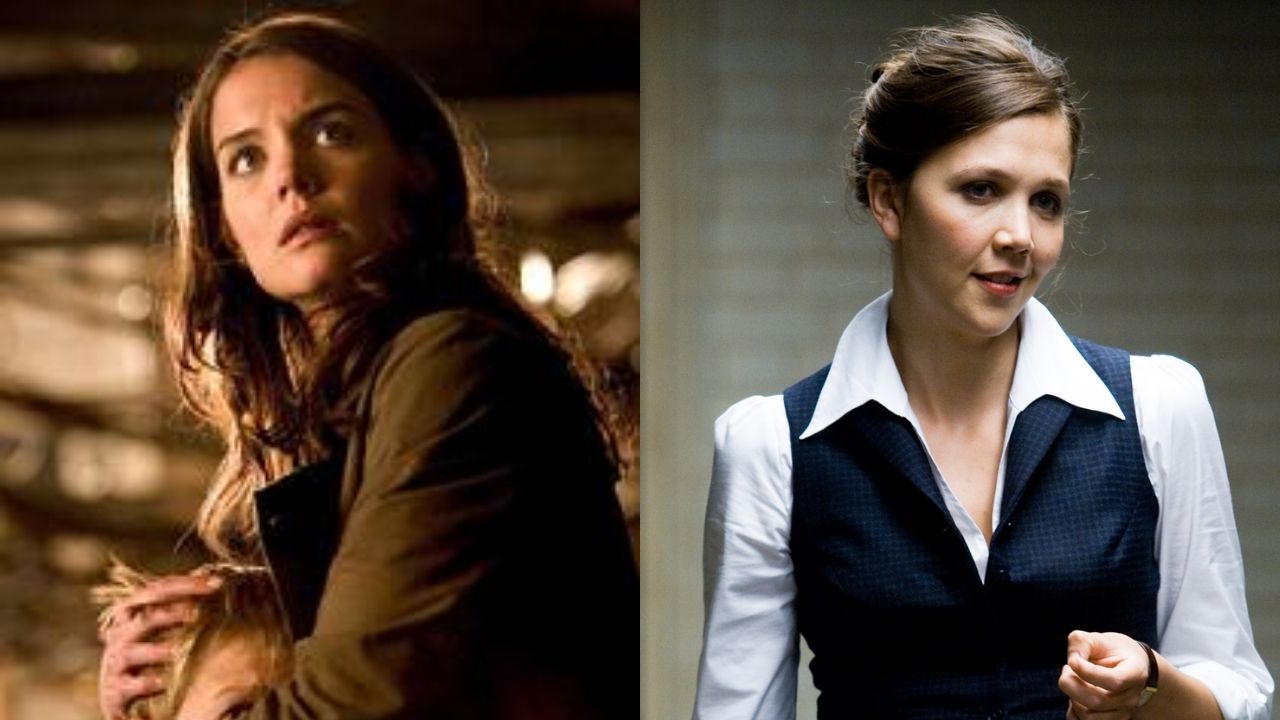
Dark Knight Trilogy - Rachel Dawes (Katie Holmes → Maggie Gyllenhaal)
When Katie Holmes chose not to return as Rachel Dawes in The Dark Knight, reportedly due to scheduling conflicts, fans were disappointed, particularly because the character played a central role in Bruce Wayne’s emotional journey. Maggie Gyllenhaal stepped in and delivered a powerful, grounded performance, but the change was still noticeable, especially since Rachel’s arc becomes central to the film’s heartbreaking climax. Christopher Nolan was reportedly unhappy about losing Holmes.
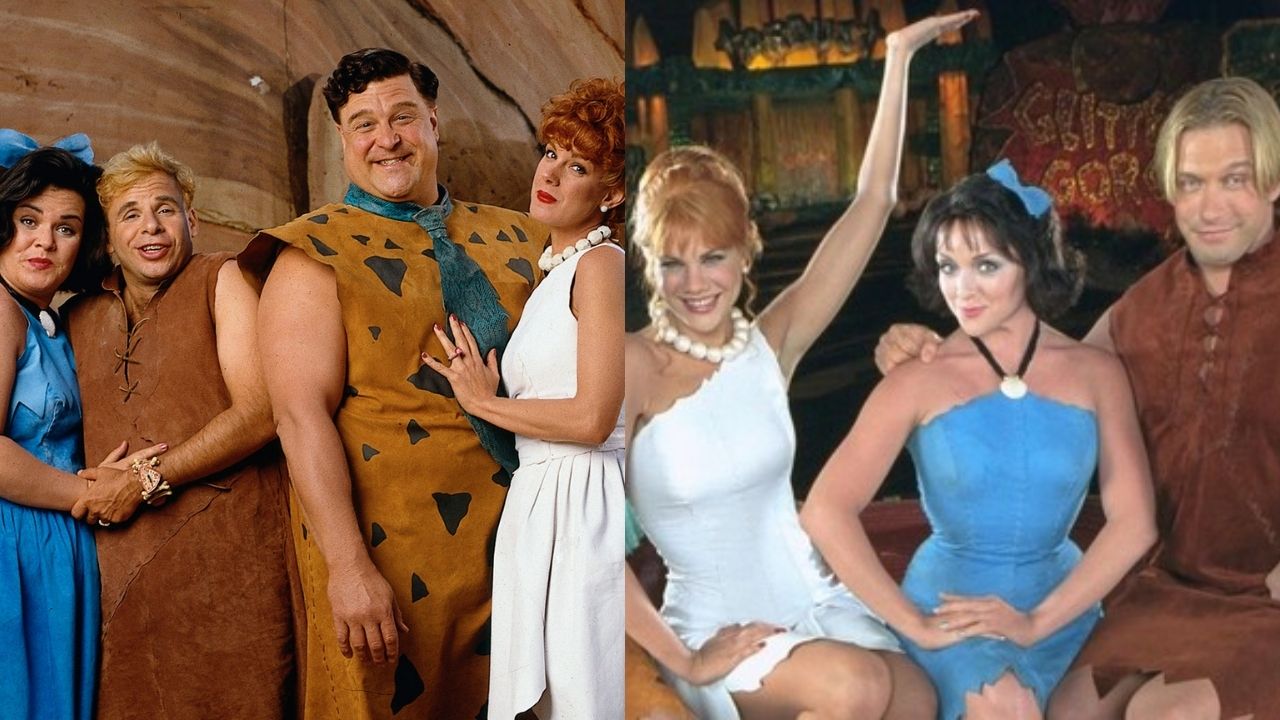
Flintstones Live-Action - Full Cast Swap in Sequel
Between The Flintstones (1994) and The Flintstones in Viva Rock Vegas (2000), the entire main cast was replaced, creating one of the most baffling recastings in movie history. John Goodman, Rick Moranis, Elizabeth Perkins, and Rosie O’Donnell, who brought the animated characters to life with humor and charm, were swapped out for Mark Addy, Stephen Baldwin, Kristen Johnston, and Jane Krakowski in a prequel nobody asked for. The change frustrated fans who had enjoyed the original cast’s chemistry.
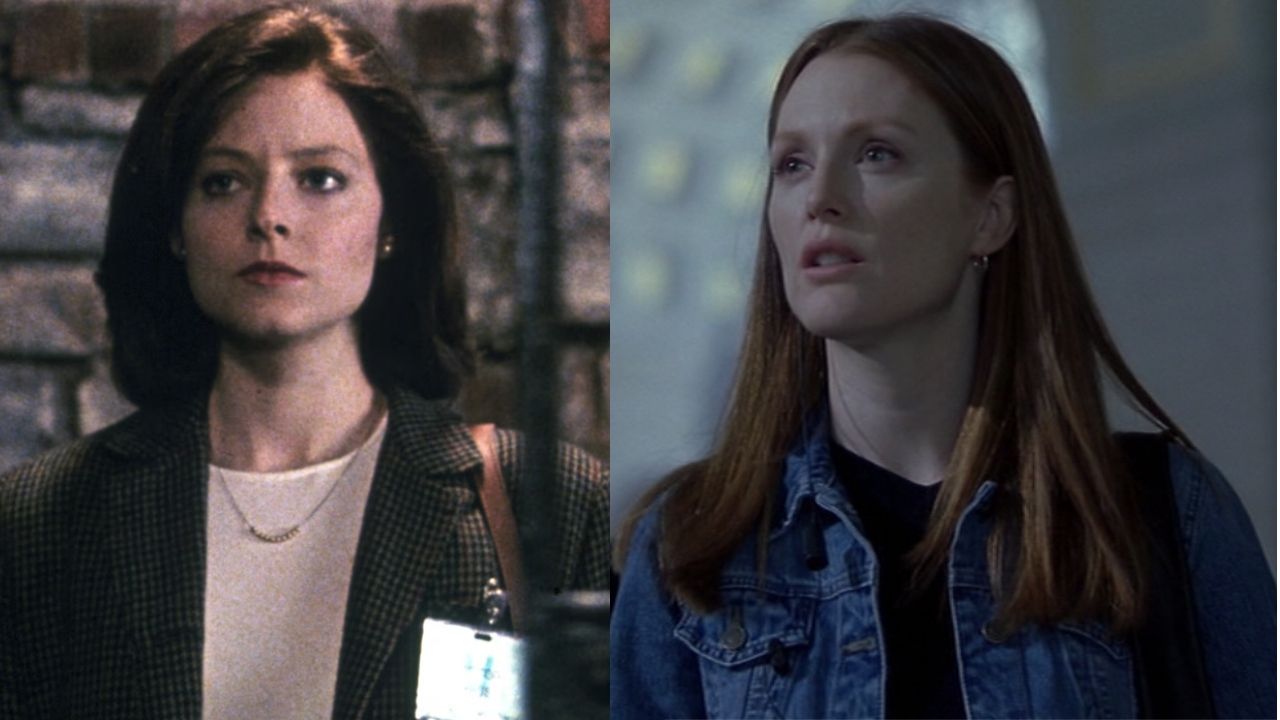
Hannibal - Clarice Starling (Jodie Foster → Julianne Moore)
Following Jodie Foster’s Oscar-winning portrayal of Clarice Starling in The Silence of the Lambs, expectations were impossibly high for the 2001 sequel Hannibal. Foster declined to return, citing issues with the script, and Julianne Moore stepped into the role. Although Moore delivered a strong performance, many viewers felt the sequel lacked the psychological precision and depth that made the original a classic.
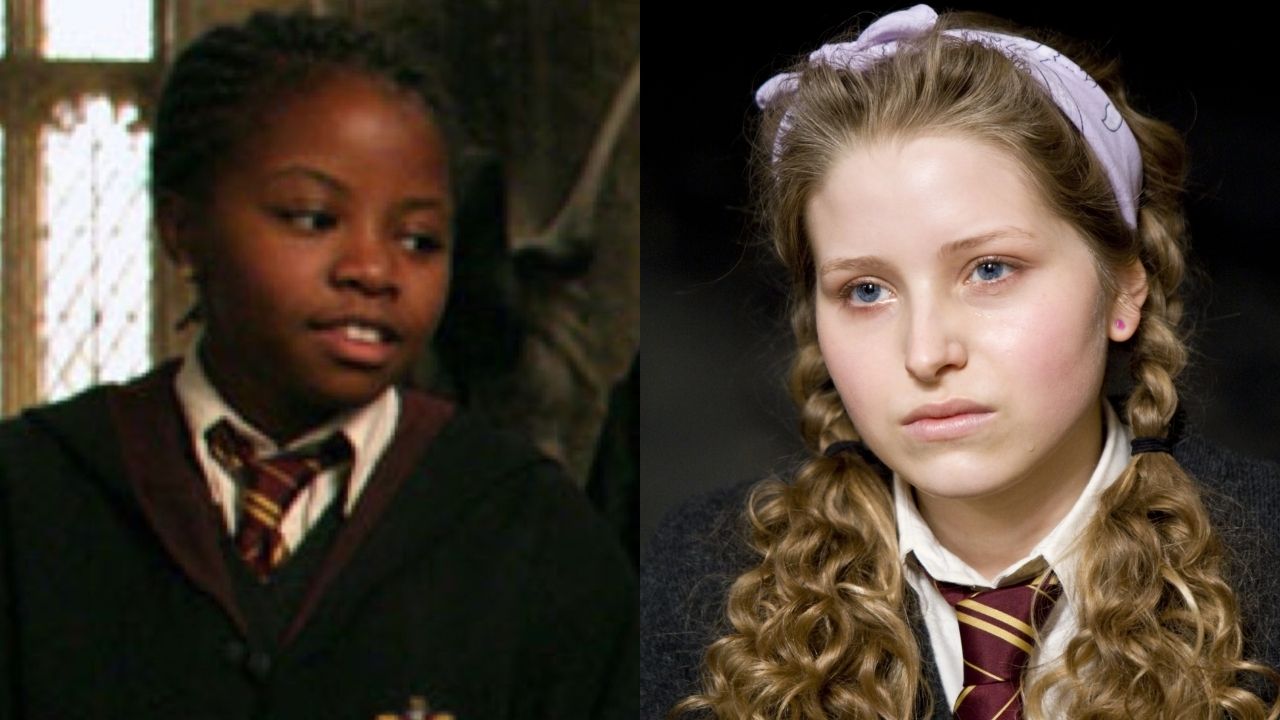
Harry Potter - Lavender Brown (Multiple → Jessie Cave)
The Harry Potter films faced backlash for recasting Lavender Brown, originally portrayed by Black actresses in earlier films, with white actress Jessie Cave once the character became romantically significant in Half-Blood Prince. Although Lavender’s early appearances were minor, the sudden shift raised concerns about whitewashing and representation in the franchise. Cave’s performance was well-received, but the decision remains one of the most criticized casting choices in the series.
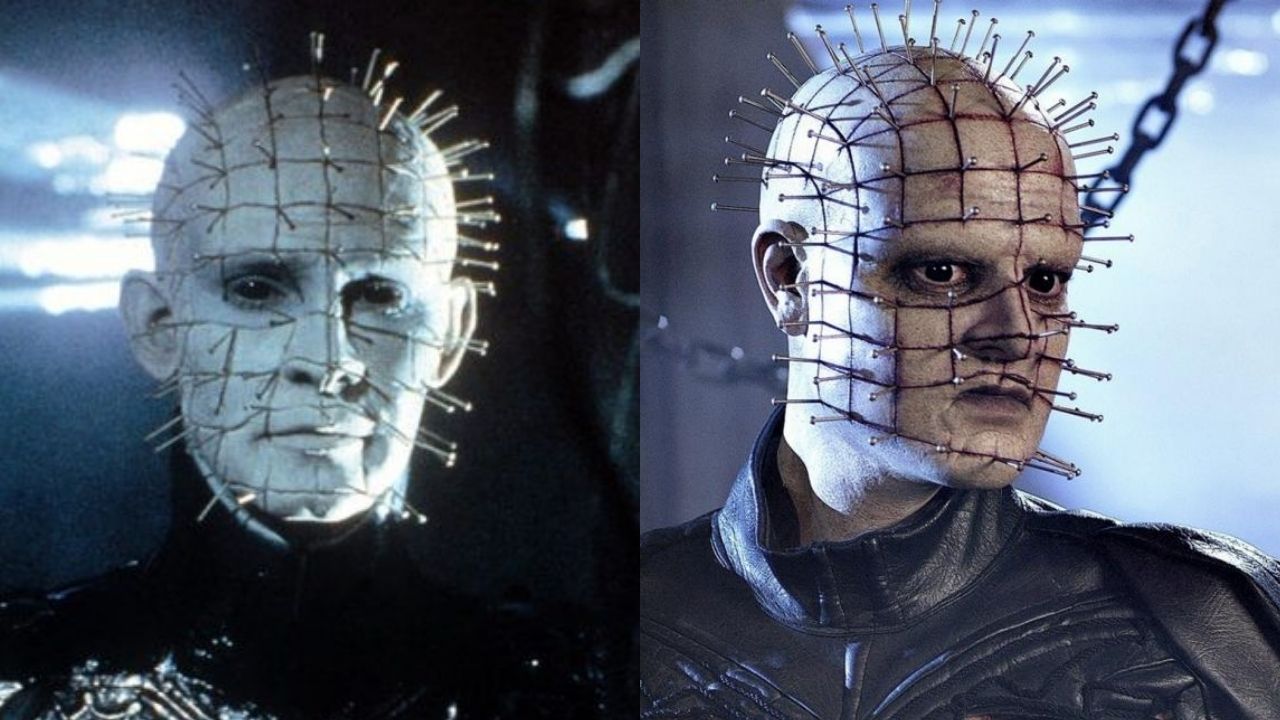
Hellraiser - Pinhead (Doug Bradley → Multiple Actors)
Doug Bradley’s chilling performance as Pinhead defined the Hellraiser franchise for decades, making his eventual replacement a major sore point among fans. When Bradley declined to return for the low-budget 2011 sequel Hellraiser: Revelations, the studio recast the iconic Cenobite with Stephan Smith Collins, followed later by Paul T. Taylor and Jamie Clayton. Each brought something different, but none matched Bradley’s eerie gravitas.
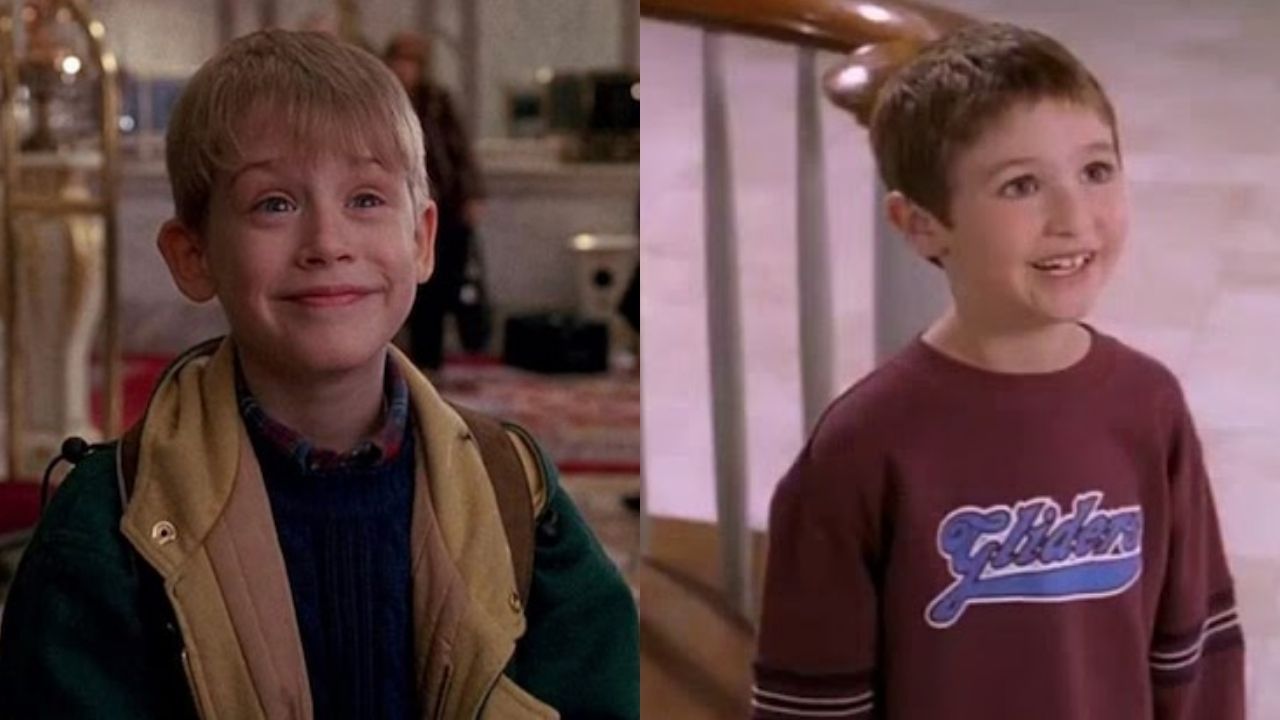
Home Alone - Kevin McAllister (Macaulay Culkin → Mike Weinberg)
While Macaulay Culkin starred as Kevin McAllister in the first two Home Alone films, the franchise took a confusing turn with later installments. Home Alone 3 introduced a different kid entirely, but Home Alone 4 strangely revived Kevin’s name, this time played by Mike Weinberg. The shift confused viewers and felt disconnected from the original films’ charm.
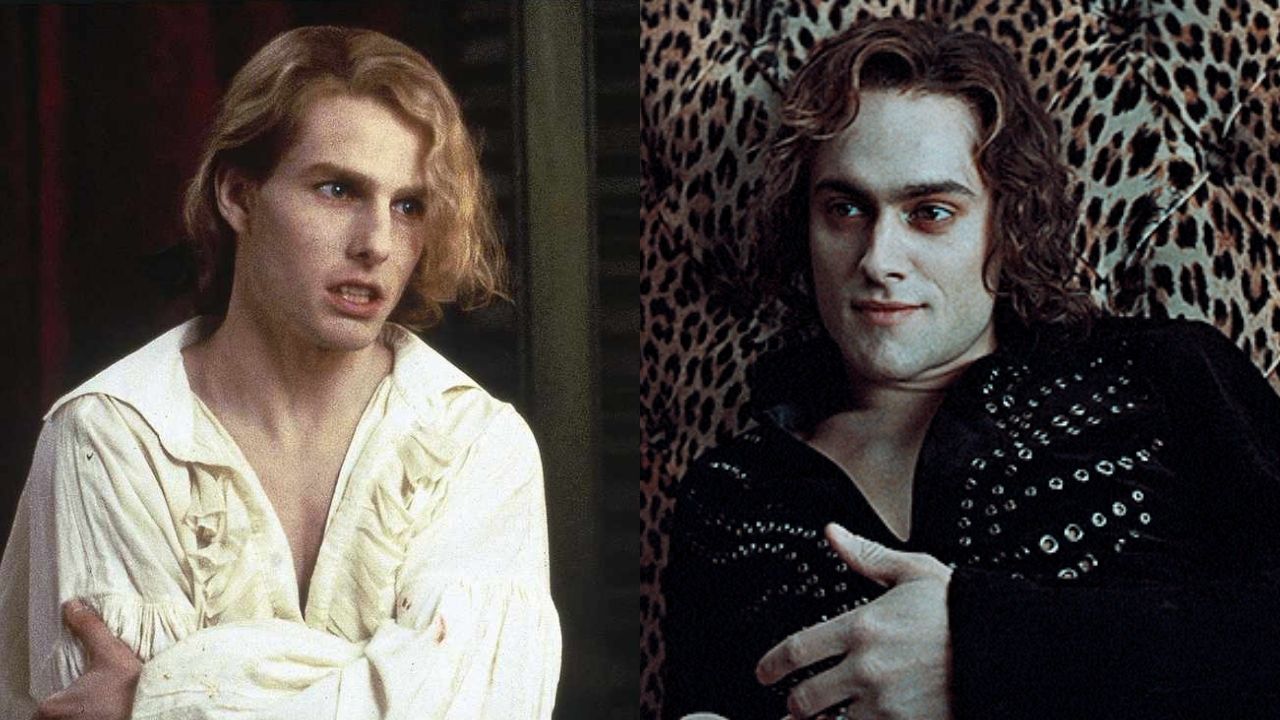
Interview with the Vampire : Queen of the Damned - Lestat (Tom Cruise → Stuart Townsend)
Tom Cruise’s performance as Lestat in Interview with the Vampire became iconic, so replacing him with Stuart Townsend in Queen of the Damned was a risky move that ultimately backfired. The sequel struggled to capture the richness of Anne Rice’s world, and Townsend, despite charisma, lacked Cruise’s magnetic intensity. Fans of the original film immediately noticed the tonal downgrade, and the recasting remains one of the franchise’s most debated choices.
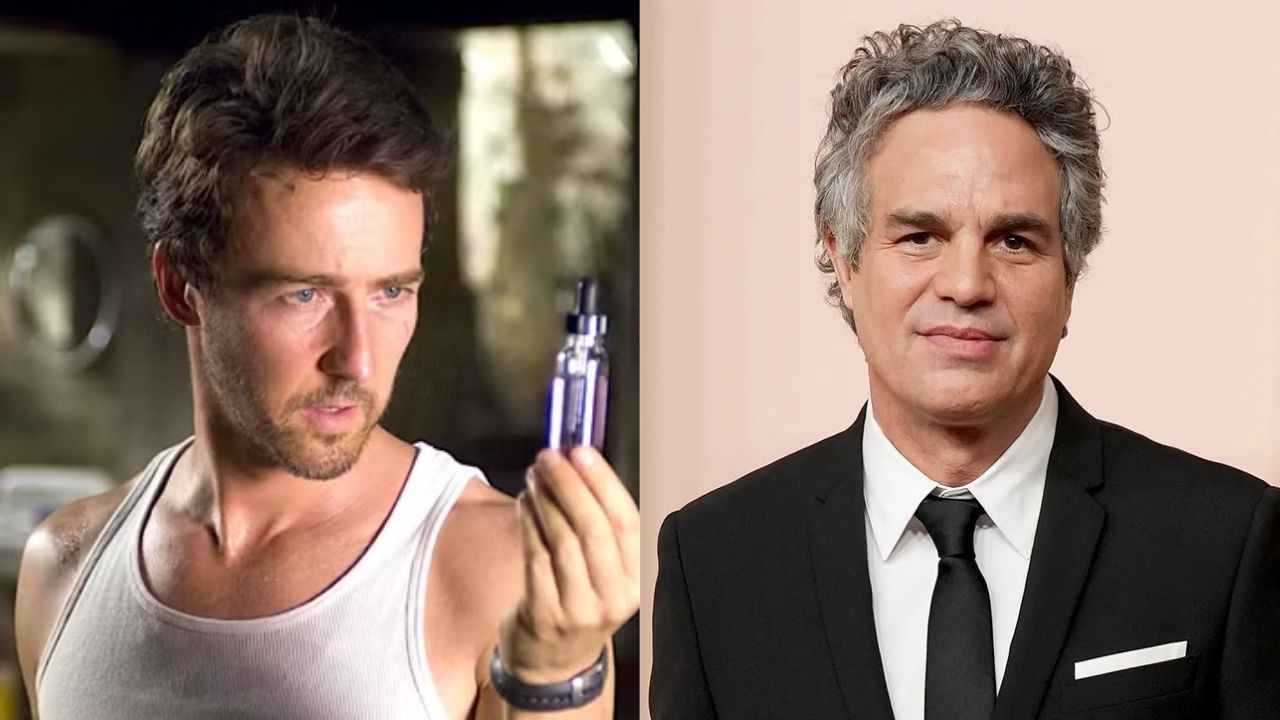
Marvel Cinematic Universe - Hulk (Edward Norton → Mark Ruffalo)
Edward Norton starred as Bruce Banner in 2008’s The Incredible Hulk, but creative differences with Marvel led to his replacement by Mark Ruffalo starting with The Avengers (2012). Marvel emphasized wanting an actor with a more collaborative spirit, and Ruffalo quickly won fans over with his warm, understated humor. Even so, Norton’s exit stirred debate about Marvel’s approach to creative control and long-term contracts. The recast ultimately worked out for the MCU, but it remains one of the series’ earliest and most publicized controversies.
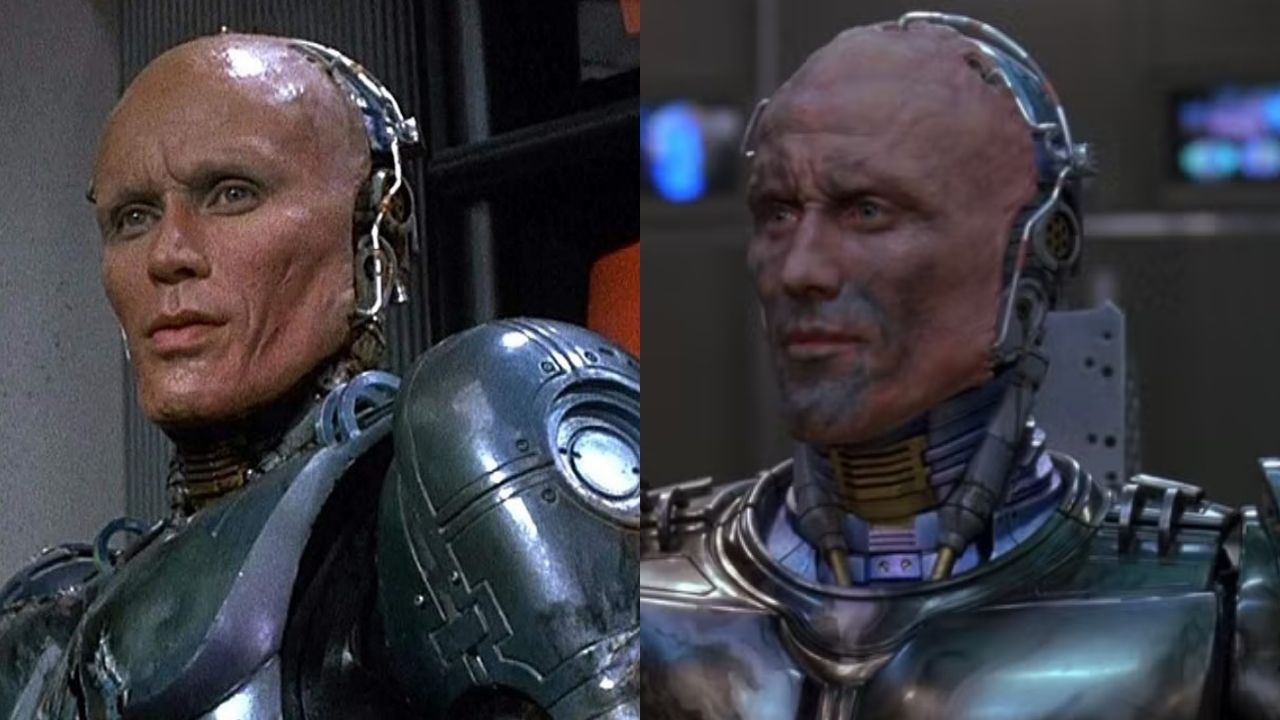
RoboCop - Alex Murphy (Peter Weller → Robert Burke)
Peter Weller’s portrayal of Alex Murphy in the first two RoboCop films set a high standard with his unique blend of stoicism and humanity. When he declined to return for RoboCop 3 due to scheduling conflicts, Robert Burke took over the role. Fans immediately recognized the shift in tone, and many felt Burke’s version lacked the emotional weight Weller brought to the cyborg hero.
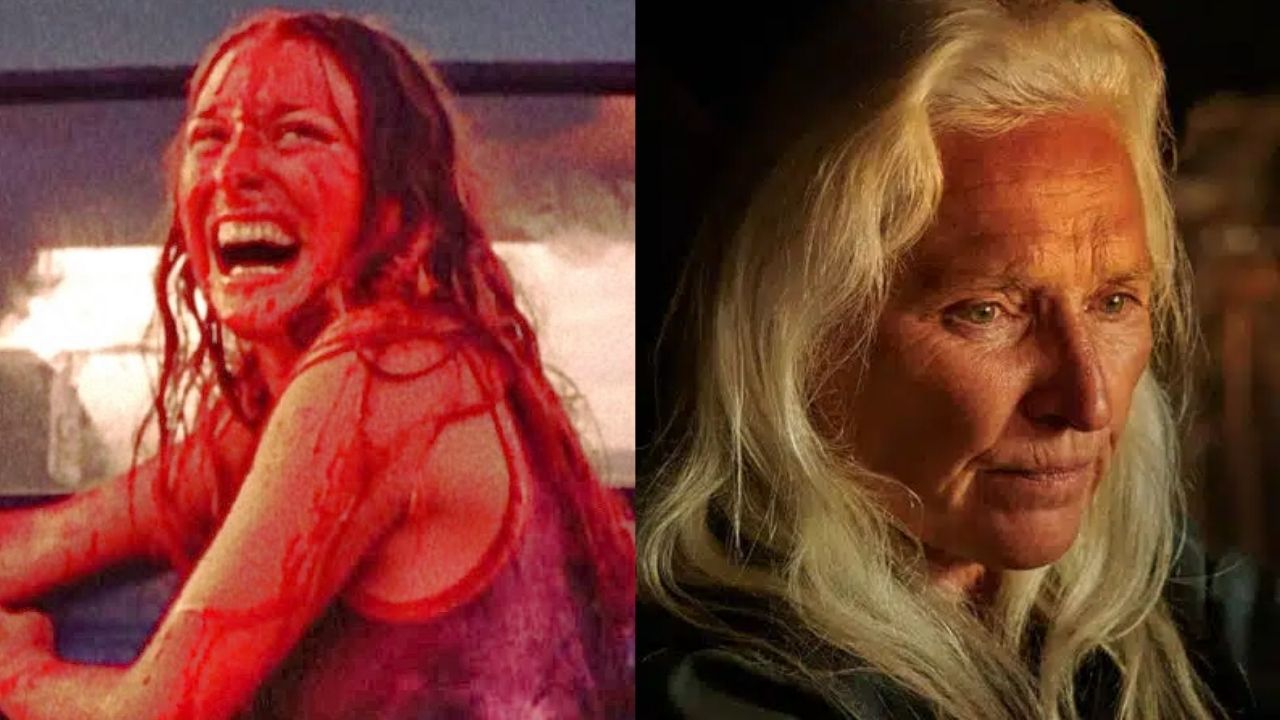
Texas Chainsaw Massacre - Sally Hardesty (Marilyn Burns → Olwen Fouéré)
Marilyn Burns' raw, terrified performance in the 1974 Texas Chain Saw Massacre defined the “final girl” archetype. So when Netflix revived Sally Hardesty in its 2022 reboot with Olwen Fouéré playing an older, hardened version fans had mixed reactions. While Fouéré delivered an intense performance, many felt the character’s return echoed Halloween’s Laurie Strode revival too closely.