
Top 10 F1 Drivers Who Changed Teams Too Late
F1 Drivers Who Changed Teams Too Late
Charles Leclerc
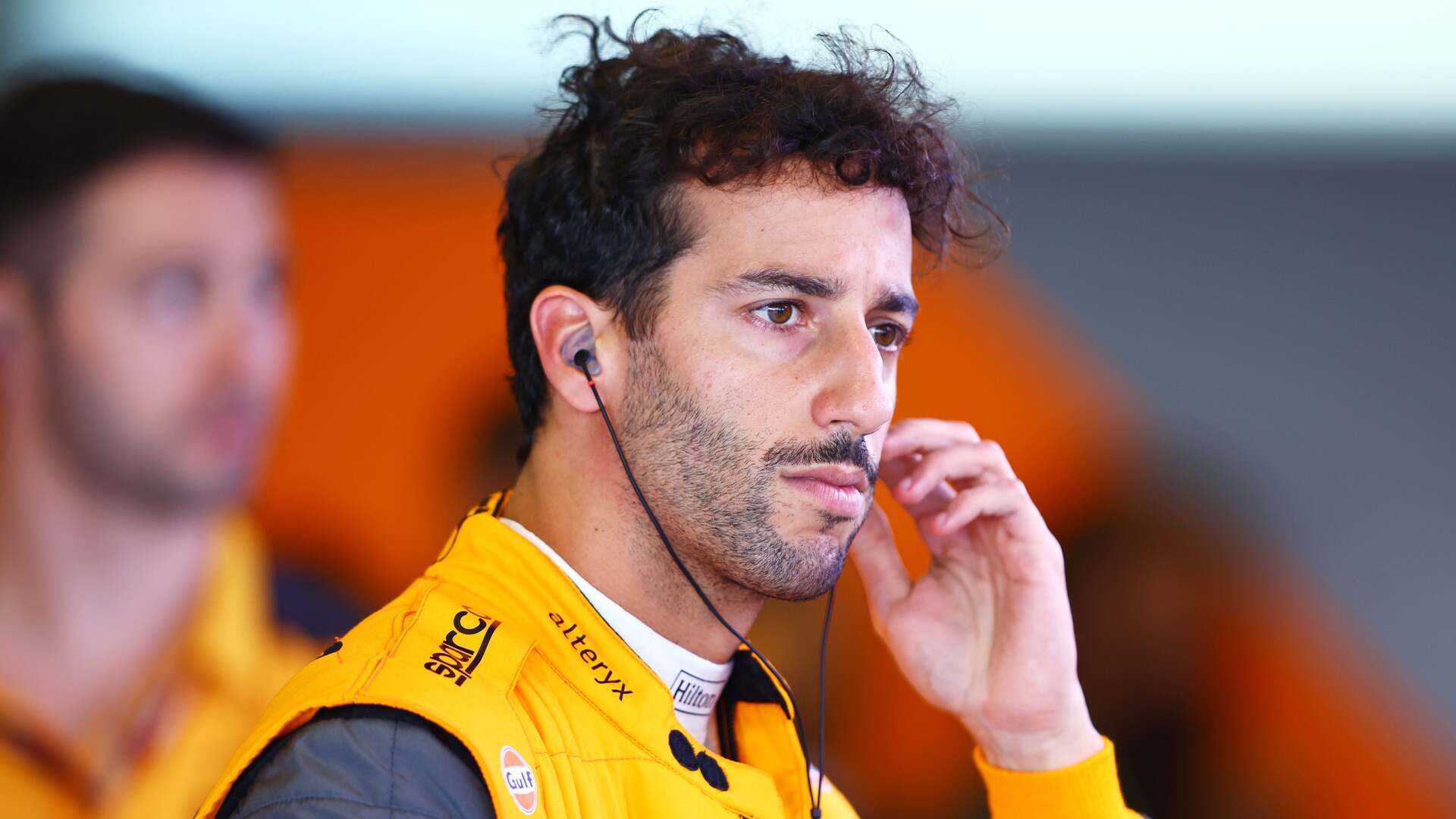
10. Daniel Ricciardo
Ricciardo left Red Bull at the exact moment the team was entering its Verstappen-driven rise. By the time he returned to a competitive situation, the momentum that once made him a title threat was gone.
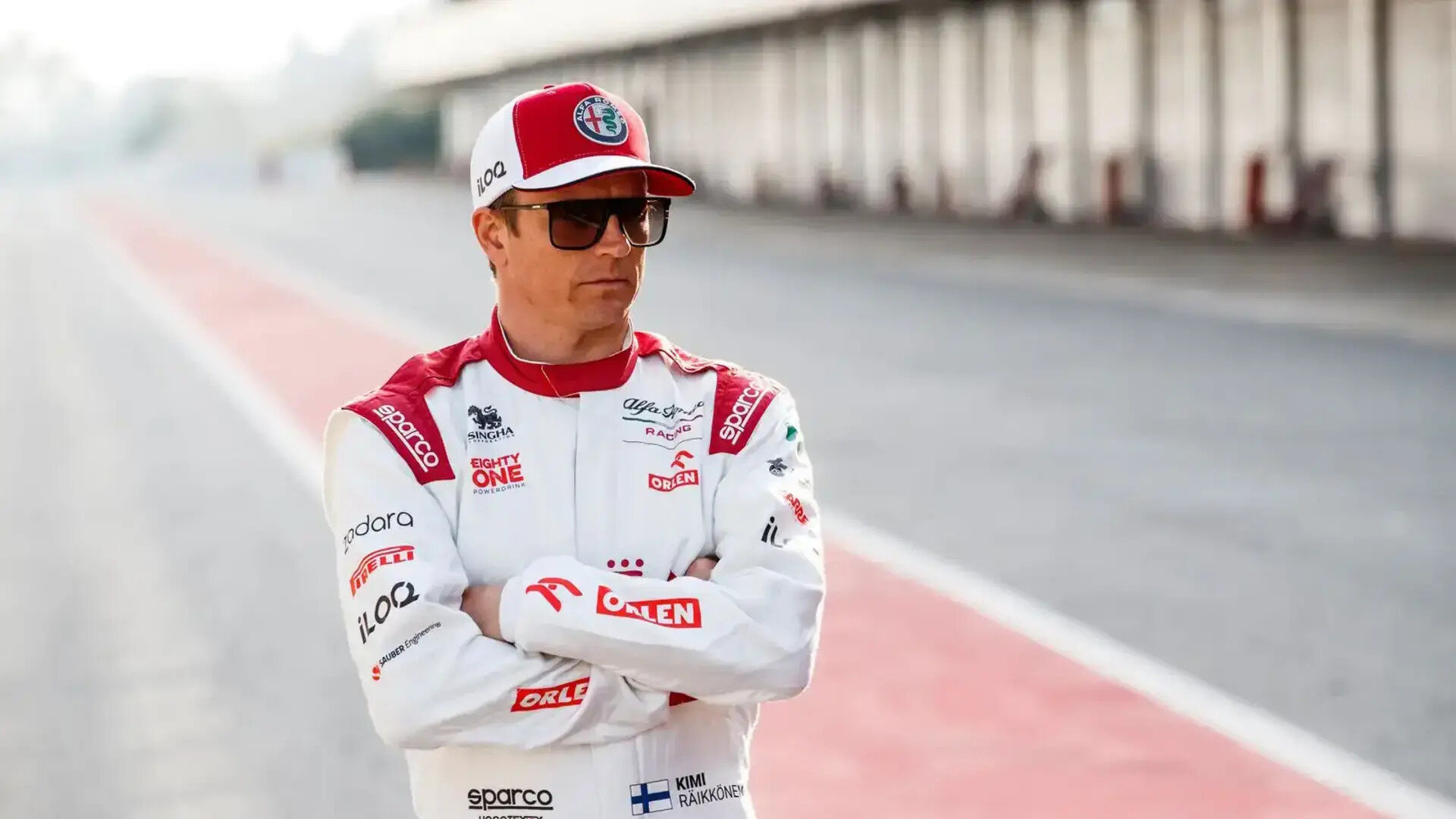
9. Kimi Raikkonen
Raikkonen returned to Ferrari after his peak years, when the team no longer built cars capable of fighting for championships every season. His speed was still there, but the window to win more titles had already closed.
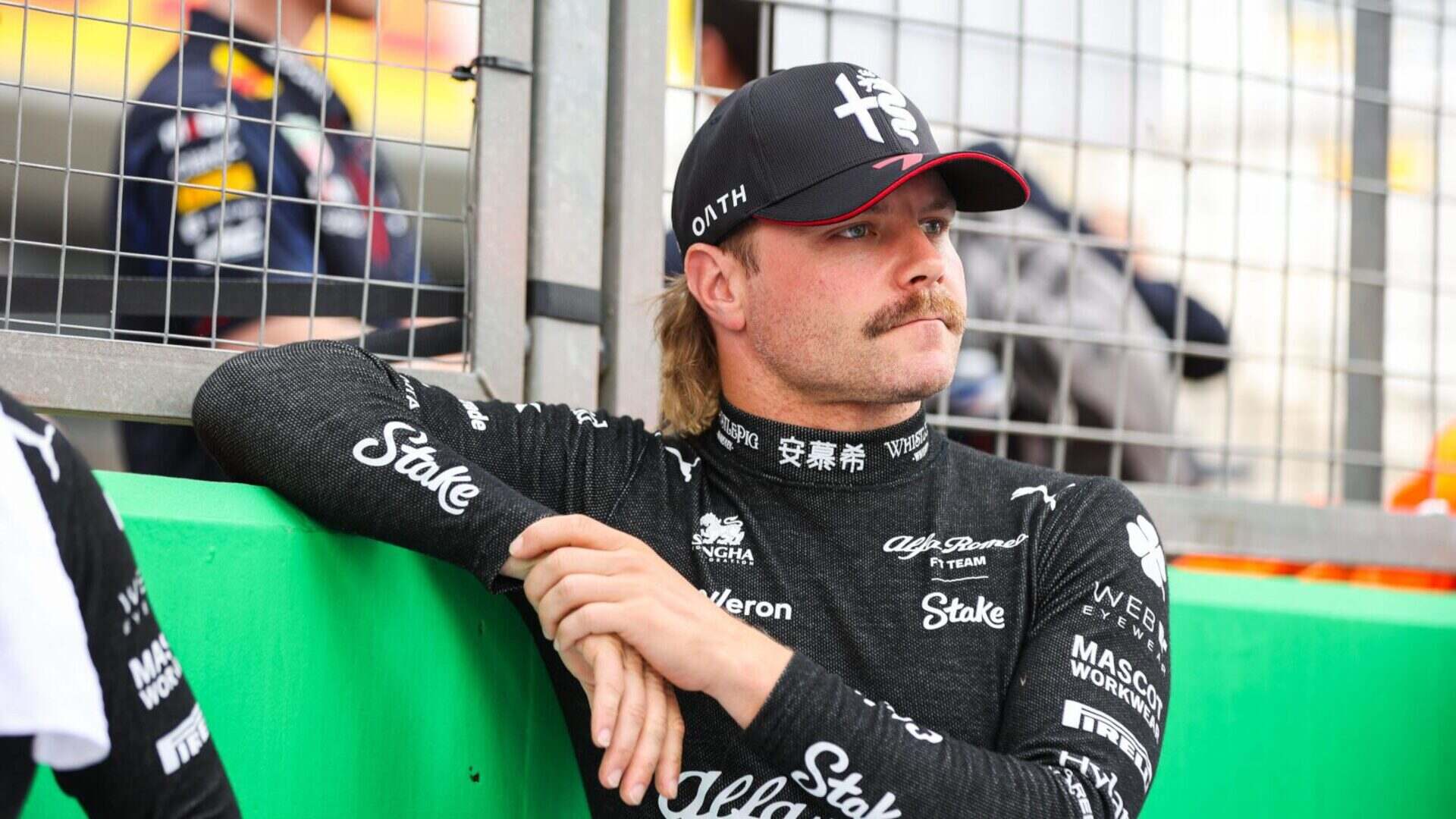
8. Valtteri Bottas
Bottas stayed at Mercedes throughout the early decline, moving to Alfa Romeo only after the team lost its dominance. His chance to prove himself as a team leader came years too late.
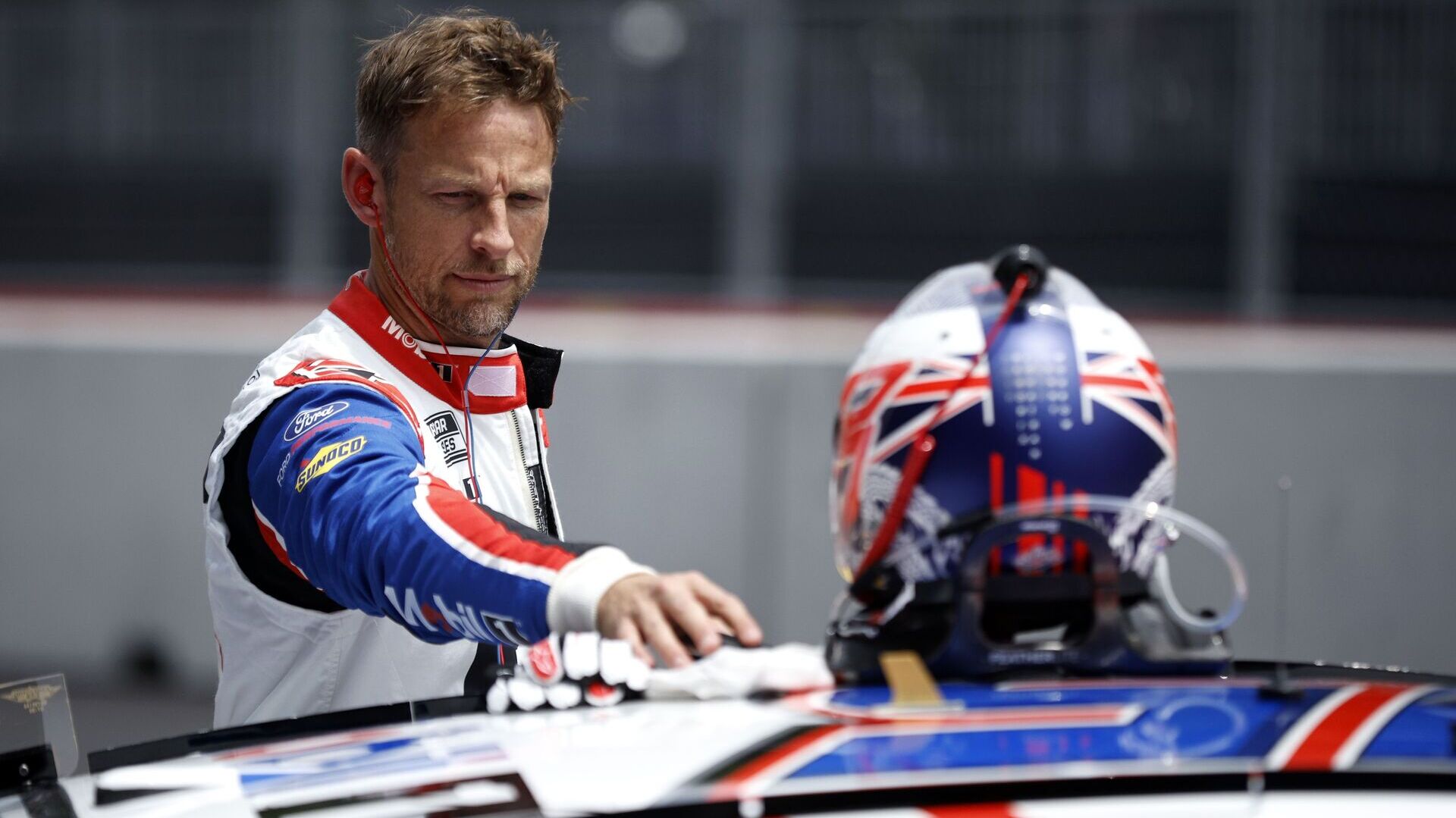
7. Jenson Button
Button stayed with McLaren through a sharp decline in performance, winning races only at the very start of his time there. His move to the team would have been perfect a few years earlier.
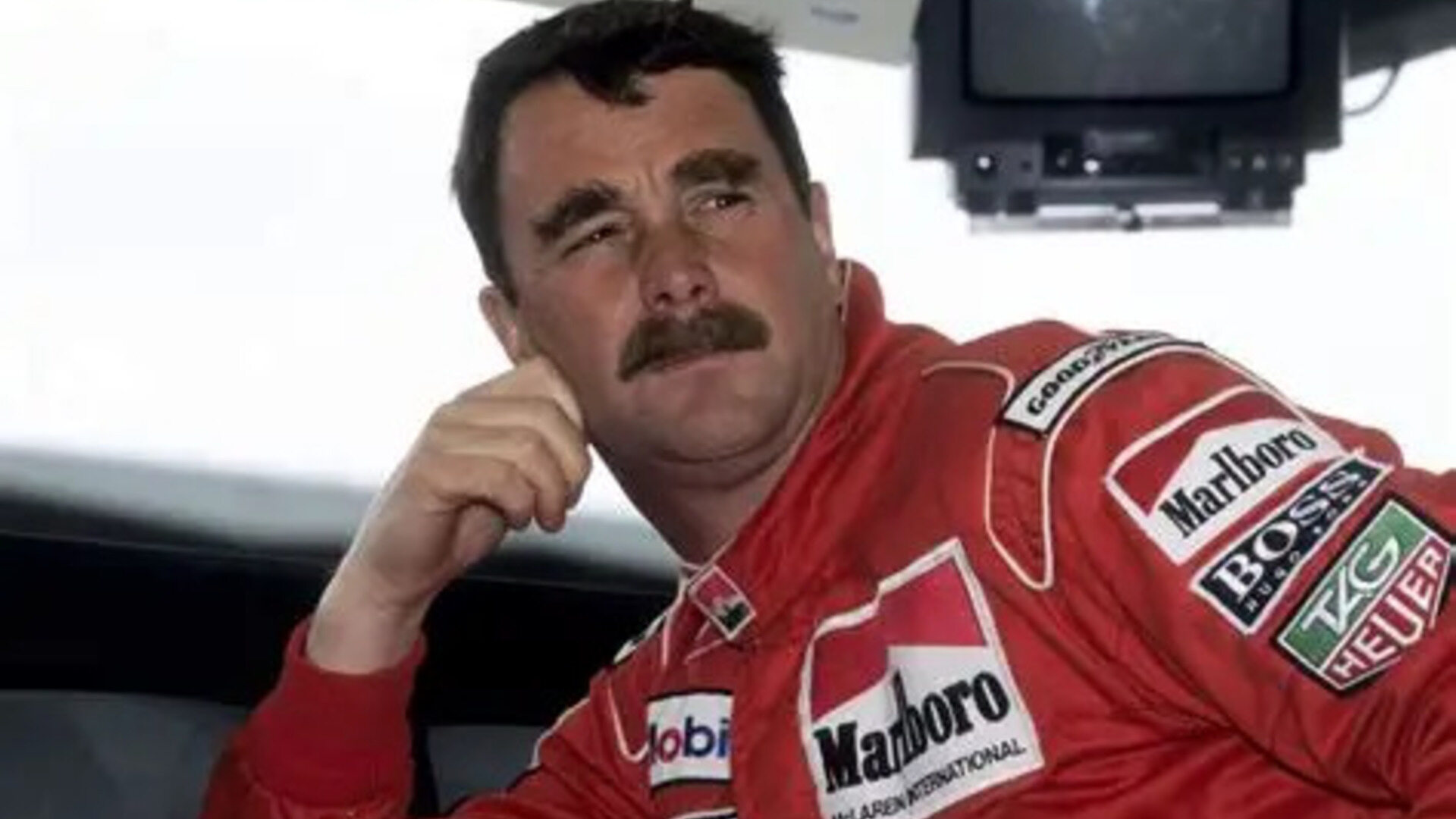
6. Nigel Mansell
Mansell returned to F1 with Williams after a year in IndyCar, but the magic of his dominant 1992 season had faded. His late comeback did not match the opportunity he could have had had he stayed.
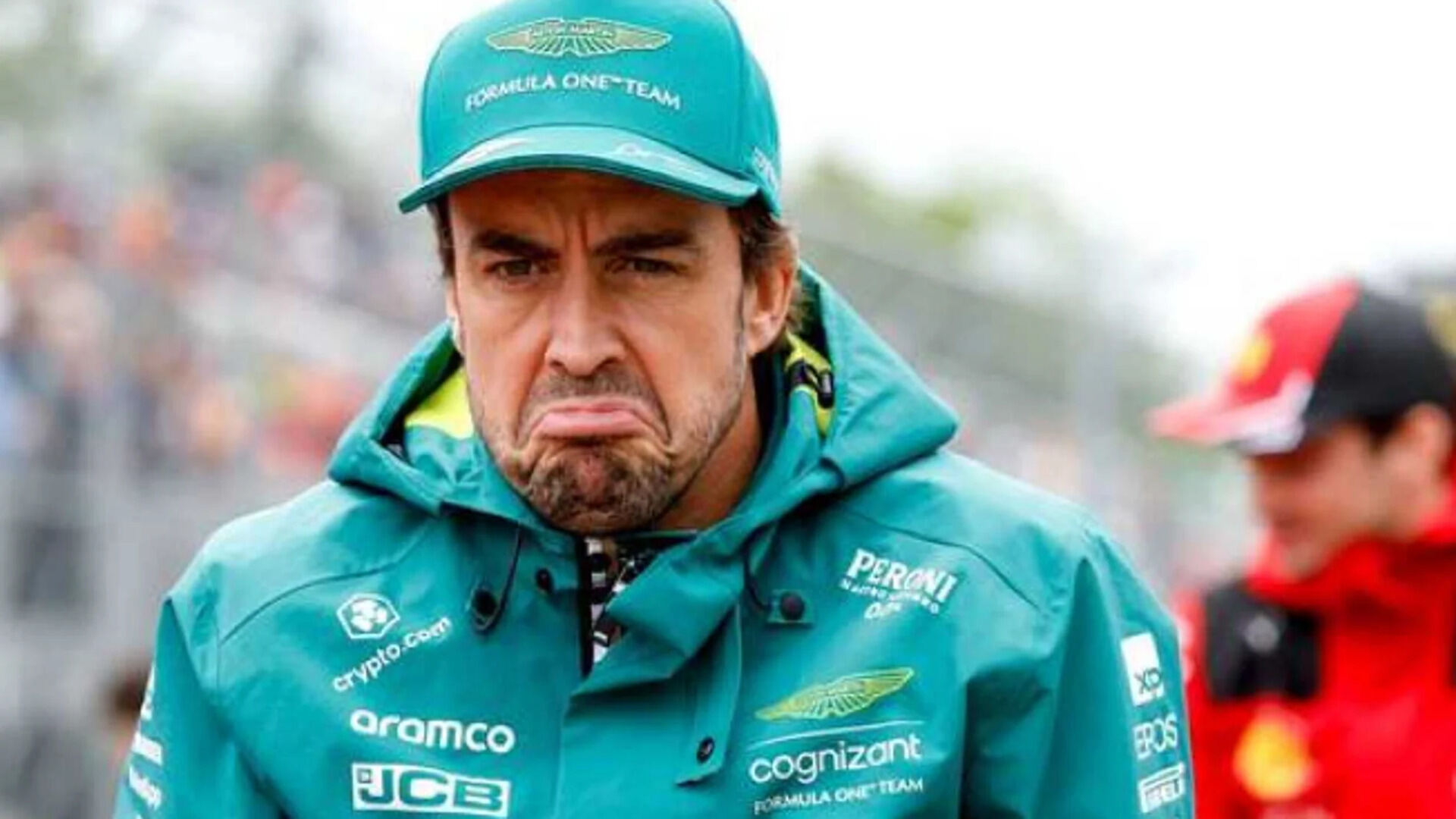
5. Fernando Alonso
Alonso returned to McLaren in the Honda era, long after the team had slipped from contention. The move came years after his peak, turning his final campaigns into frustration rather than title fights.
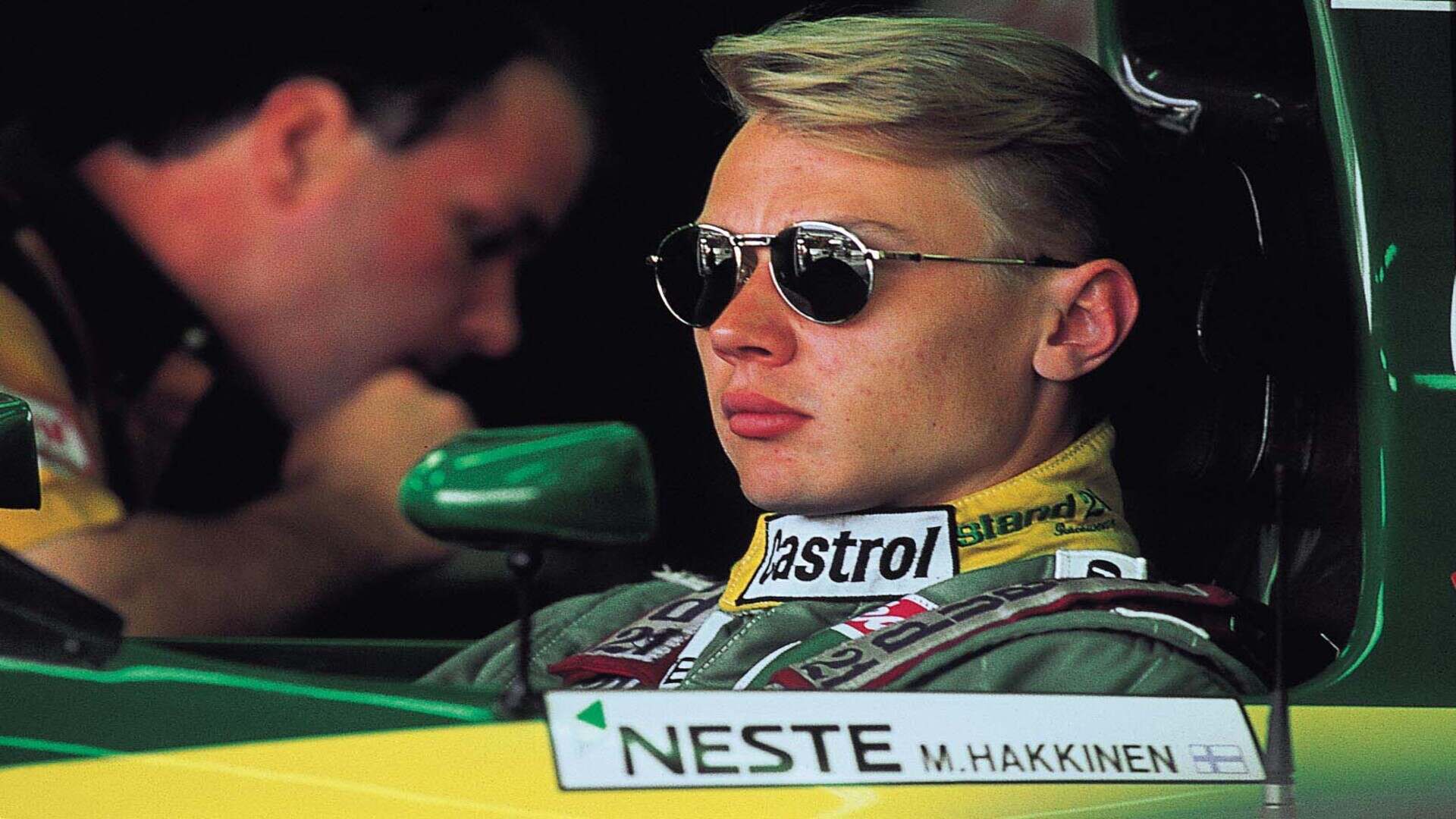
4. Mika Hakkinen
Hakkinen stepped away during McLaren’s rebuild, missing the team’s strongest resurgence years. Had he stayed, he might have fought for a third title.
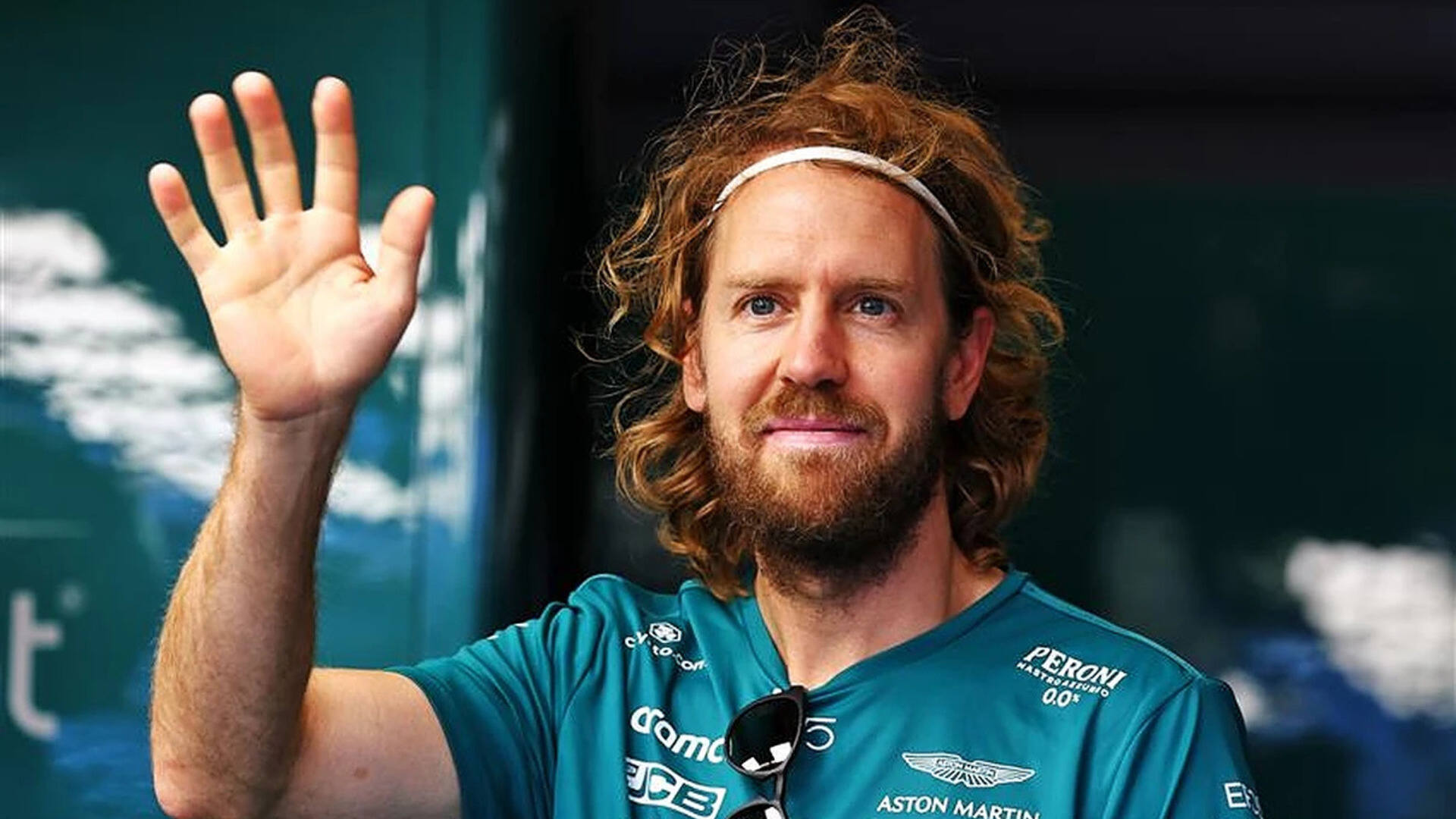
3. Sebastian Vettel
Vettel stayed at Ferrari through a long downward cycle and only left once the team entered a full rebuild. By the time he moved to Aston Martin, his opportunity to win more championships was gone.
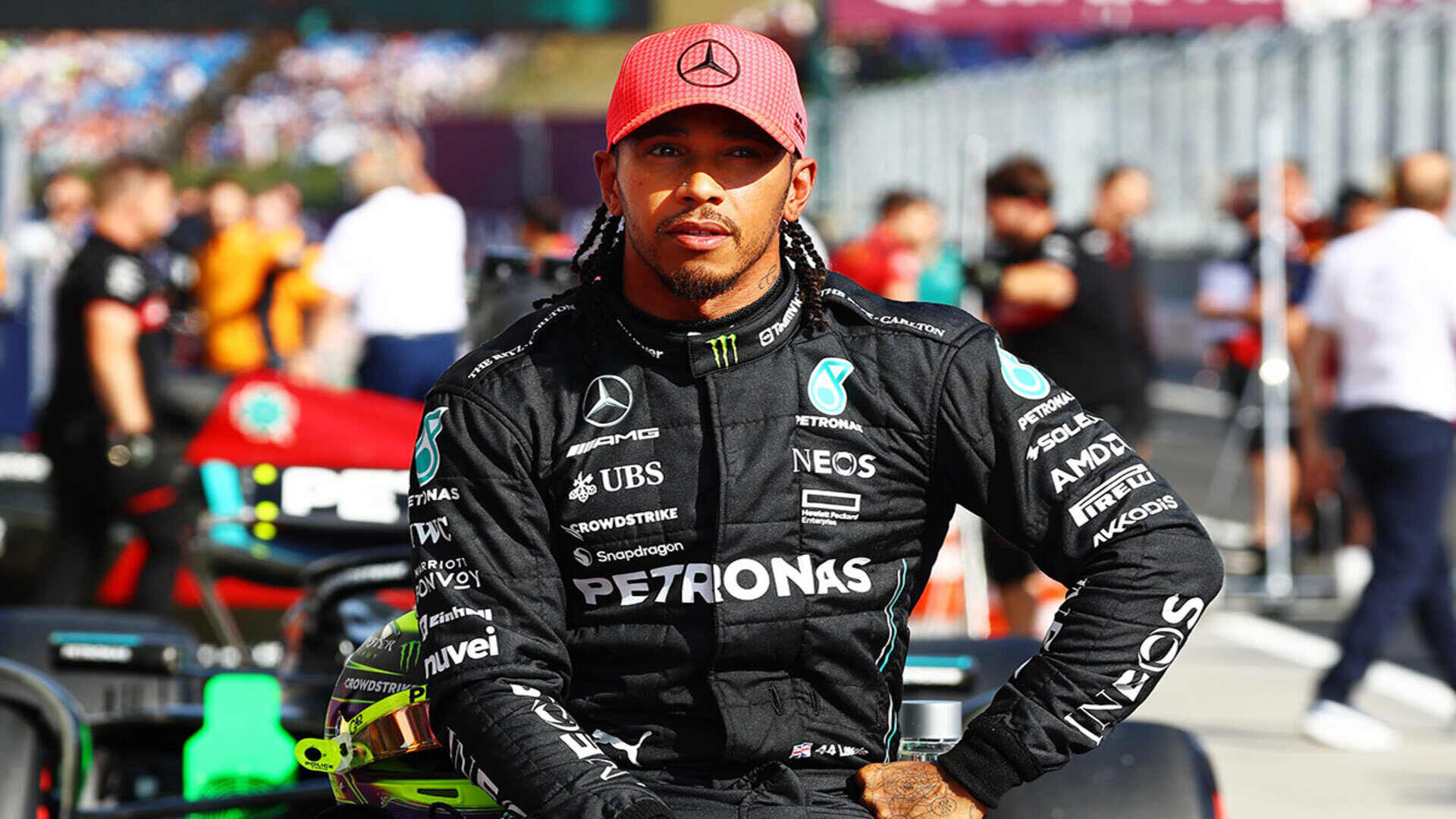
2. Lewis Hamilton
Hamilton stayed at Mercedes into Red Bull’s era of dominance and left only when the window for guaranteed title contention had passed. A move one or two seasons sooner could have reshaped his late-career story.
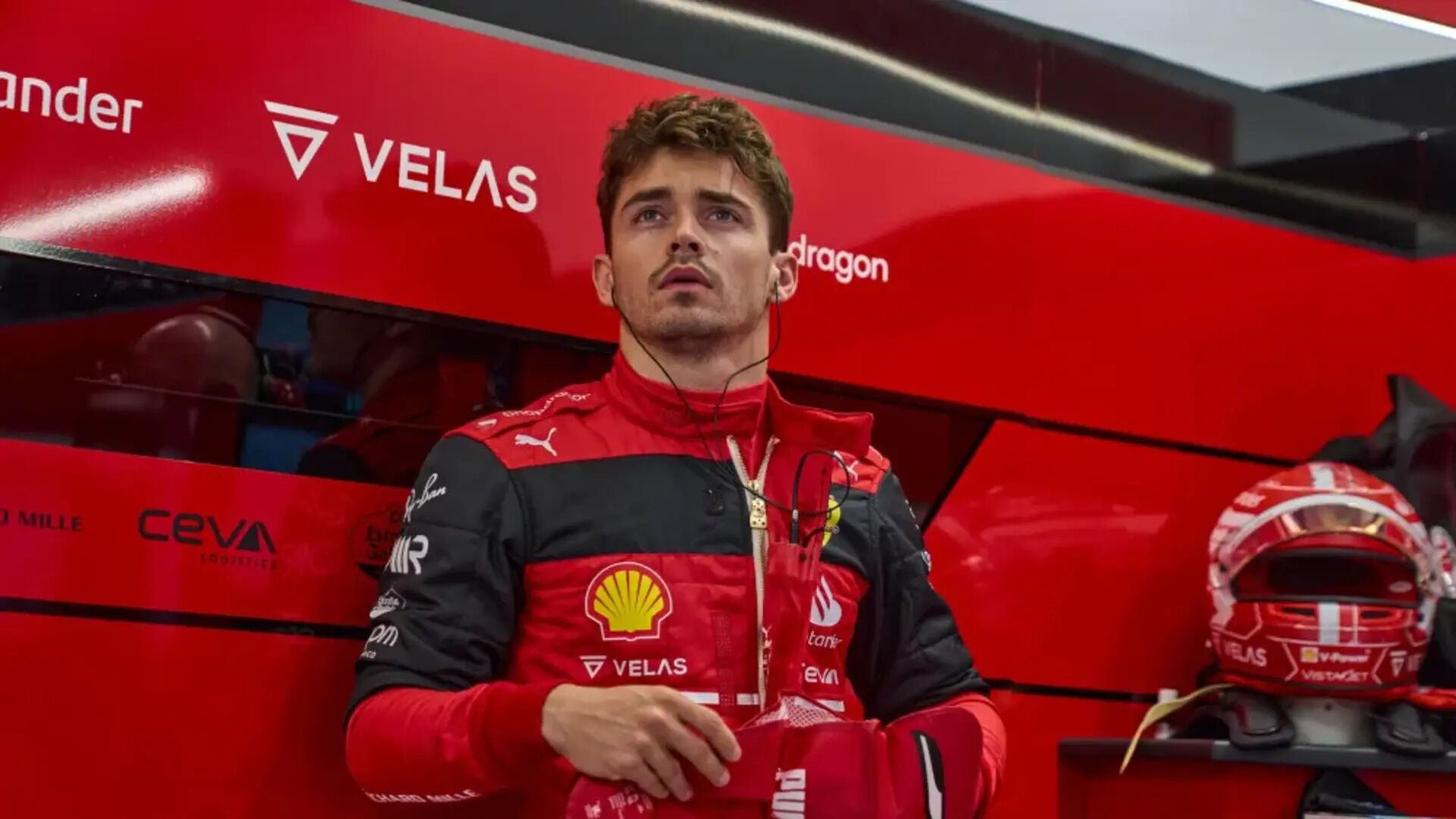
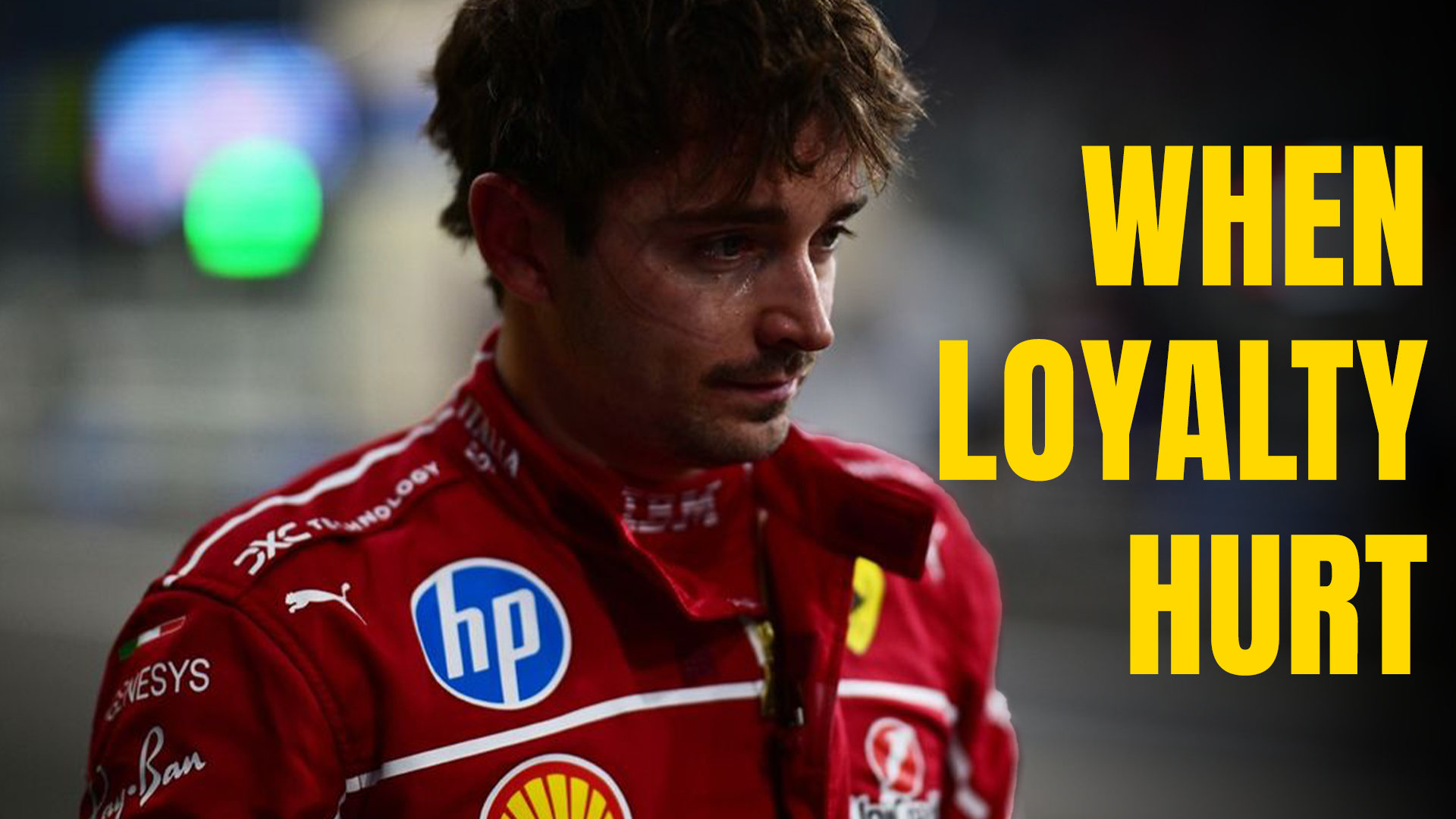
1. Charles Leclerc
Leclerc committed to Ferrari through long-term contracts during its least competitive era, closing the door on potential championship seats elsewhere. By the time elite seats opened, he was locked in, leaving questions about timing and loyalty.