
Top 10 F1 Sponsor Fails

10 F1 Sponsor Fails
Ferrari
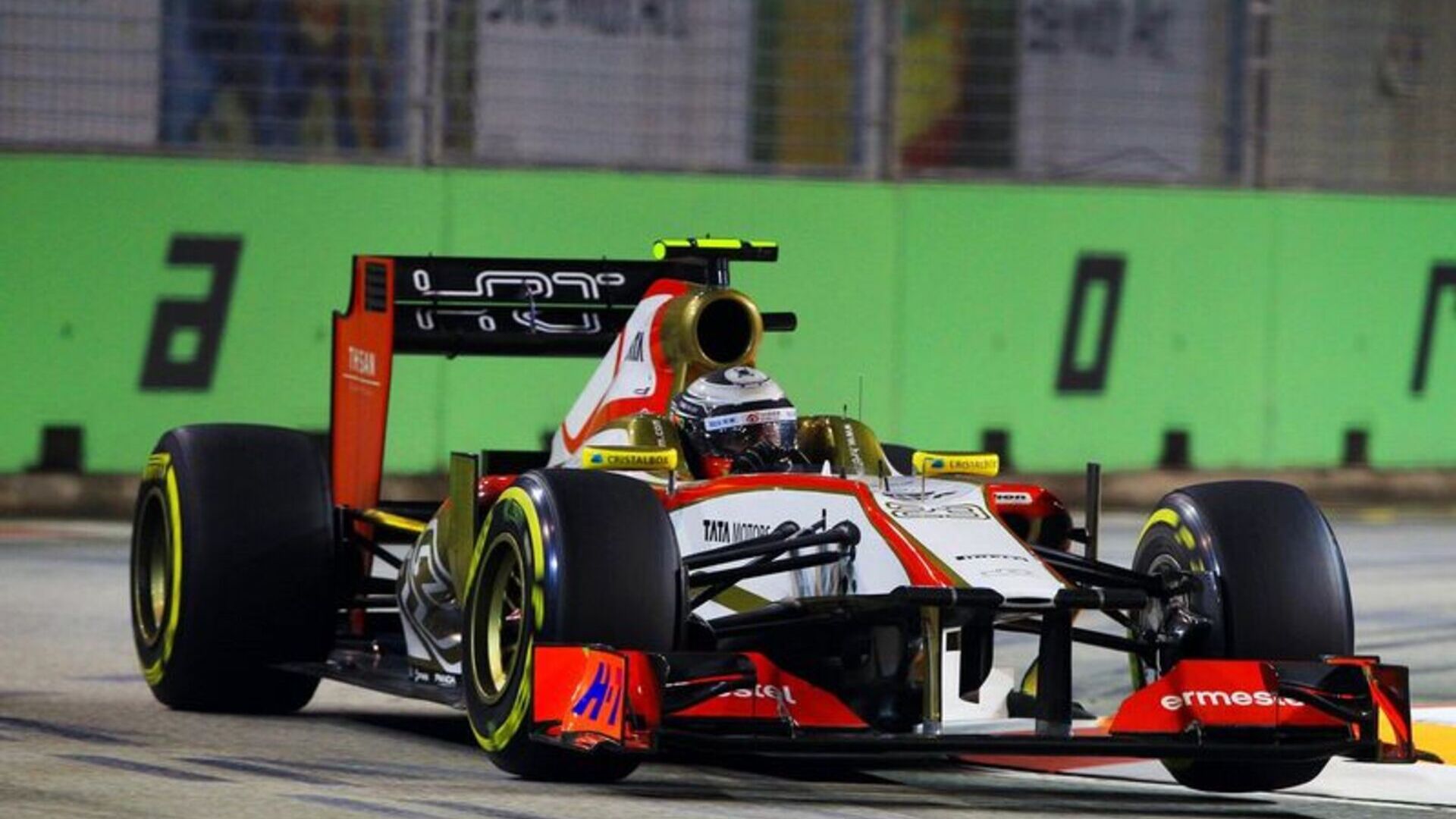
10. HRT – “YOU’RE THE ONE” Mystery Sponsor (2011)
HRT announced a major new partner that had no website, no background, and no trace of being real. Fans quickly realized the team had essentially promoted a ghost company.

9. Williams – PDVSA Collapse (2014–2015)
PDVSA poured millions into Williams until Venezuela’s political and economic crisis destroyed the company’s finances. The funding evaporated almost overnight, leaving the team scrambling.

8. Renault – Bitci.com (2021)
The crypto company signed deals across motorsport but reportedly failed to make payments. Renault quietly cut ties as Bitci’s reputation unraveled.

7. Haas – Rich Energy (2019)
Rich Energy promised big money, then delivered chaos, unpaid bills, and a CEO tweeting nonsense. The partnership collapsed mid-season and became an internet meme.

6. Ferrari – Mission Winnow (2019–2021)
Marketed as a “non-tobacco” brand, Mission Winnow triggered investigations over hidden tobacco advertising. Multiple countries banned the logo, forcing Ferrari to constantly change liveries.

5. McLaren – Kimoa (2018)
Fernando Alonso’s lifestyle brand was heavily promoted on the McLaren car but never gained traction. It quietly faded from F1 with little impact or value returned.

4. Marussia – QNet (2013)
QNet faced accusations of operating a pyramid scheme, causing major controversy for Marussia. The team quickly scrubbed the branding to avoid public backlash.

3. Caterham – AirAsia & Vanishing Sponsors (2012–2014)
Caterham frequently showcased sponsors that appeared and disappeared with no explanation. Fans questioned whether some of the companies were ever real investors.

2. BAR – Lucky Strike / Dual Livery Ban (1999)
BAR tried running two different sponsor paint schemes on their two cars to satisfy dueling backers. The FIA ruled it illegal, forcing the team to merge the schemes into one bizarre split-livery design.

1. Ferrari – Tobacco Disguised Logos (1990s–2010)
Ferrari repeatedly used barcode-style graphics widely believed to be subliminal tobacco advertising. After public and regulatory pressure, the team removed the design entirely.