
Top 10 Movies Studios Treated Like Trash That Became Fan Favorites
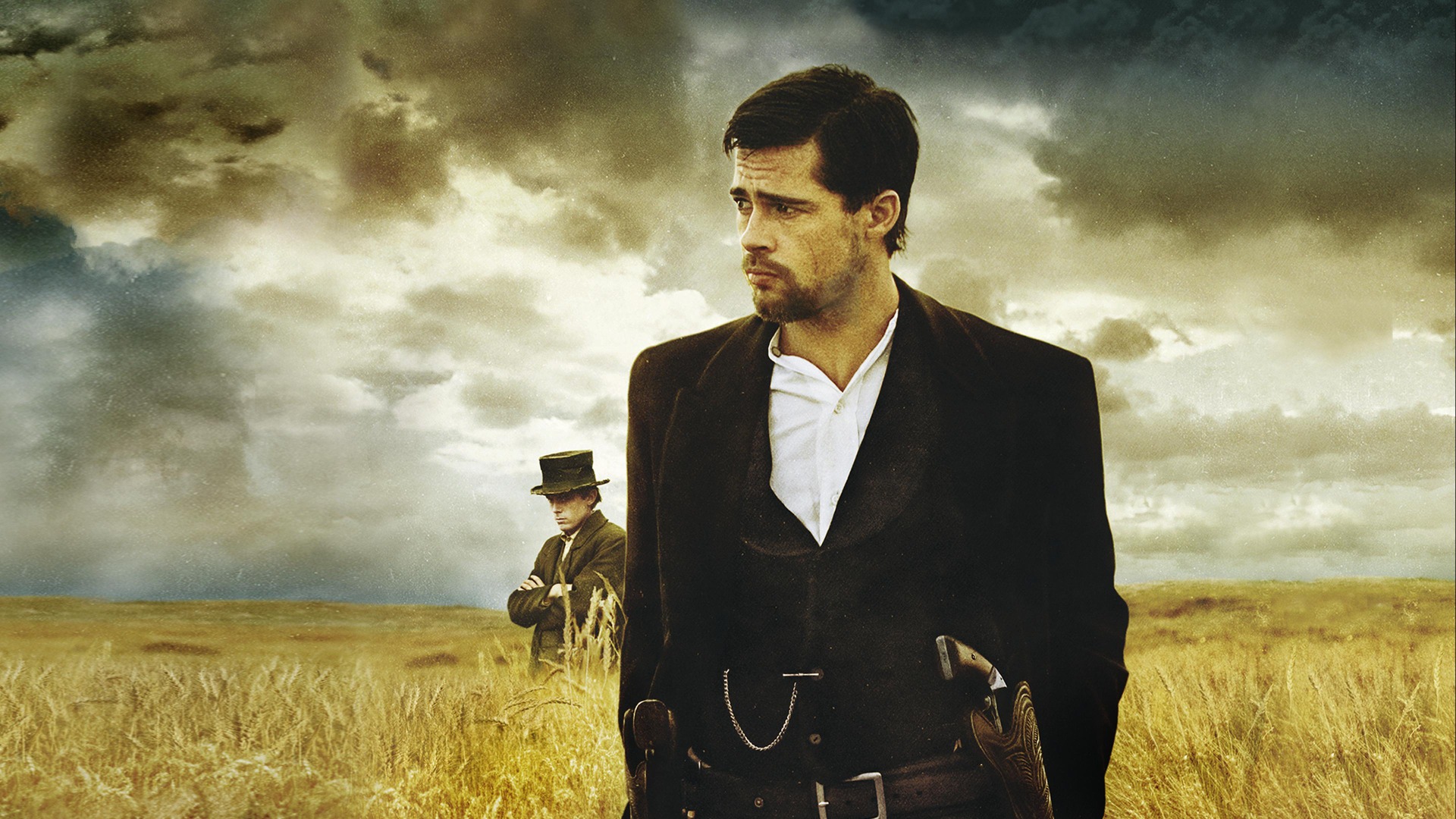
10. The Assassination of Jesse James by the Coward Robert Ford (2007)
Warner Bros. had little faith in Andrew Dominik’s slow-burning Western and gave it a very limited release with almost no marketing. The studio seemed unsure of how to sell such a long, meditative film and largely pushed it aside despite its acclaimed cast, including Brad Pitt and Casey Affleck. Over time, however, the film earned widespread critical praise and developed a devoted fan following.

9. Sunshine (2007)
20th Century Fox delayed the U.S. release of Danny Boyle’s ambitious sci-fi film and ultimately gave it only a limited rollout after weak overseas box office numbers. The studio seemed uncertain about how to market its cerebral, philosophical tone, which hurt the film’s commercial chances. Although it underperformed financially, critics praised its visuals, atmosphere, and performances, and it gradually built a devoted fanbase over the years.

8. Attack the Block (2011)
The film’s heavy use of British urban slang reportedly made distributors nervous about its appeal to American audiences. As a result, it received only a limited U.S. release with very little promotion, despite strong early buzz and the involvement of Edgar Wright as an executive producer. The studio underestimated how well its humor, energy, and originality would connect with viewers. Over time, the movie built a passionate fanbase and earned a reputation as one of the most underrated sci-fi comedies of its era.
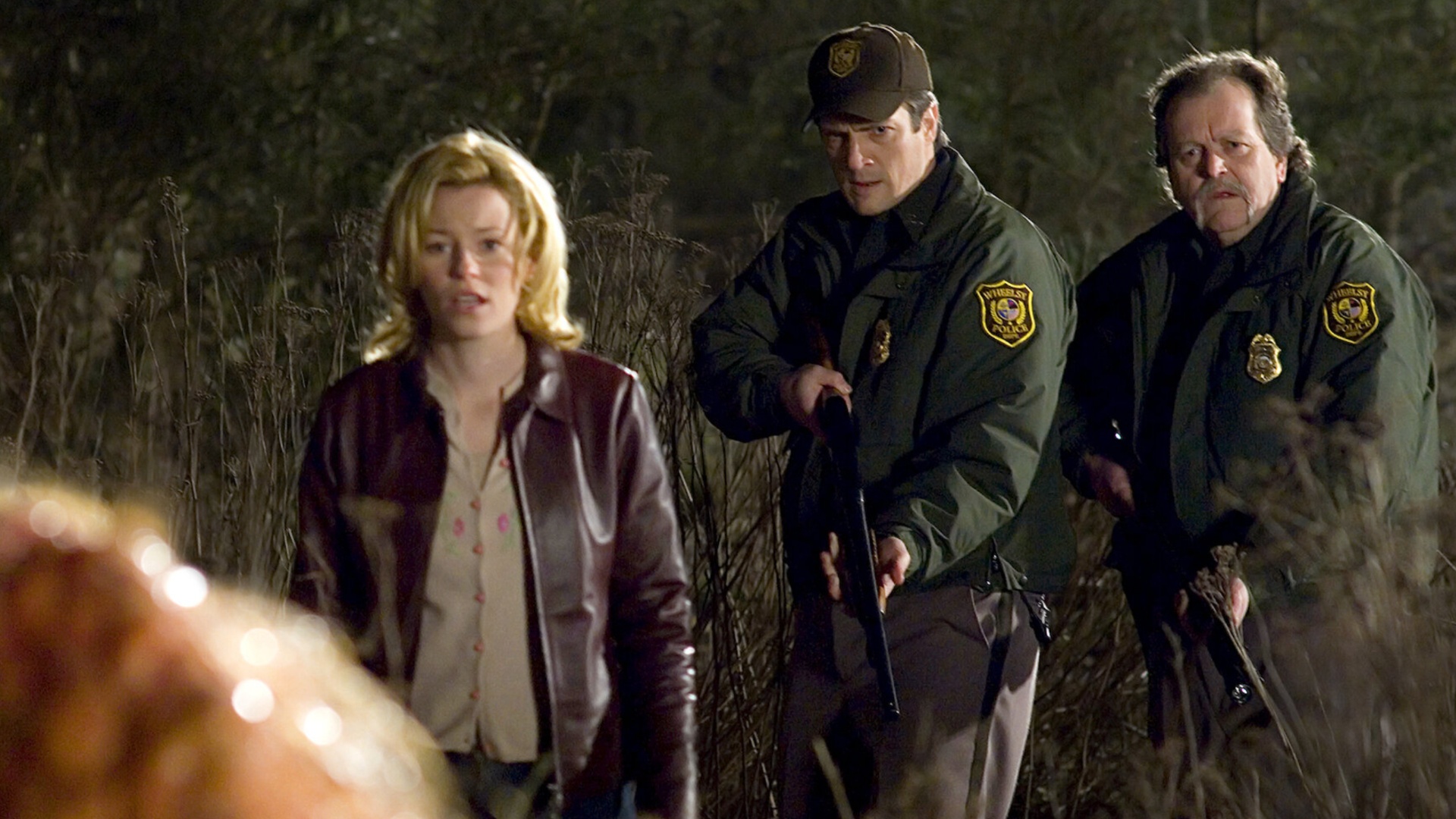
7. Slither (2006)
Universal Pictures gave James Gunn’s horror-comedy weak marketing because the studio reportedly struggled to figure out how to sell its unusual mix of sci-fi, comedy, and gore. The film underperformed in theaters, but it later found a strong cult audience through DVD releases and word of mouth. Its eventual popularity highlighted how little support the studio initially gave the movie.
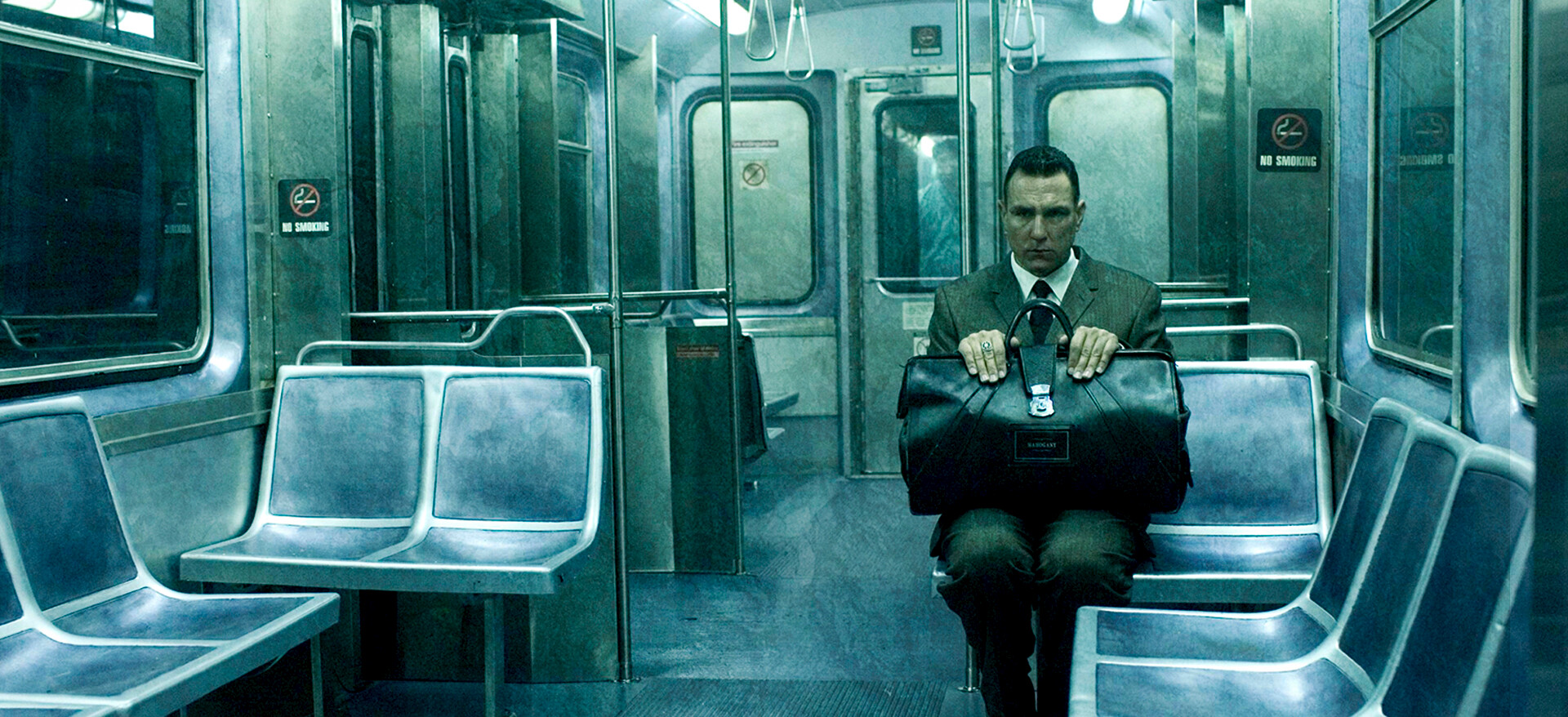
6. The Midnight Meat Train (2008)
Lionsgate gave Clive Barker’s horror film an extremely limited release in second-run theaters with almost no marketing support, despite the presence of Bradley Cooper in one of the lead roles. Reports at the time suggested that internal office politics and favoritism toward other projects contributed to the film being sidelined. Even though reviews were fairly strong for a brutal horror movie of its kind, the studio largely allowed it to disappear from theaters before it later developed a cult following.

5. The Adventures of Baron Munchausen (1988)
Columbia Pictures was going through big changes in leadership and internal chaos. When they finally released Terry Gilliam’s lavish fantasy movie, they put out only around 117 prints in the whole United States and did almost no promotion. People who worked there seemed to do it out of spite. In the few places where it actually played, the reviews were strong. But the studio still buried it for all practical purposes.
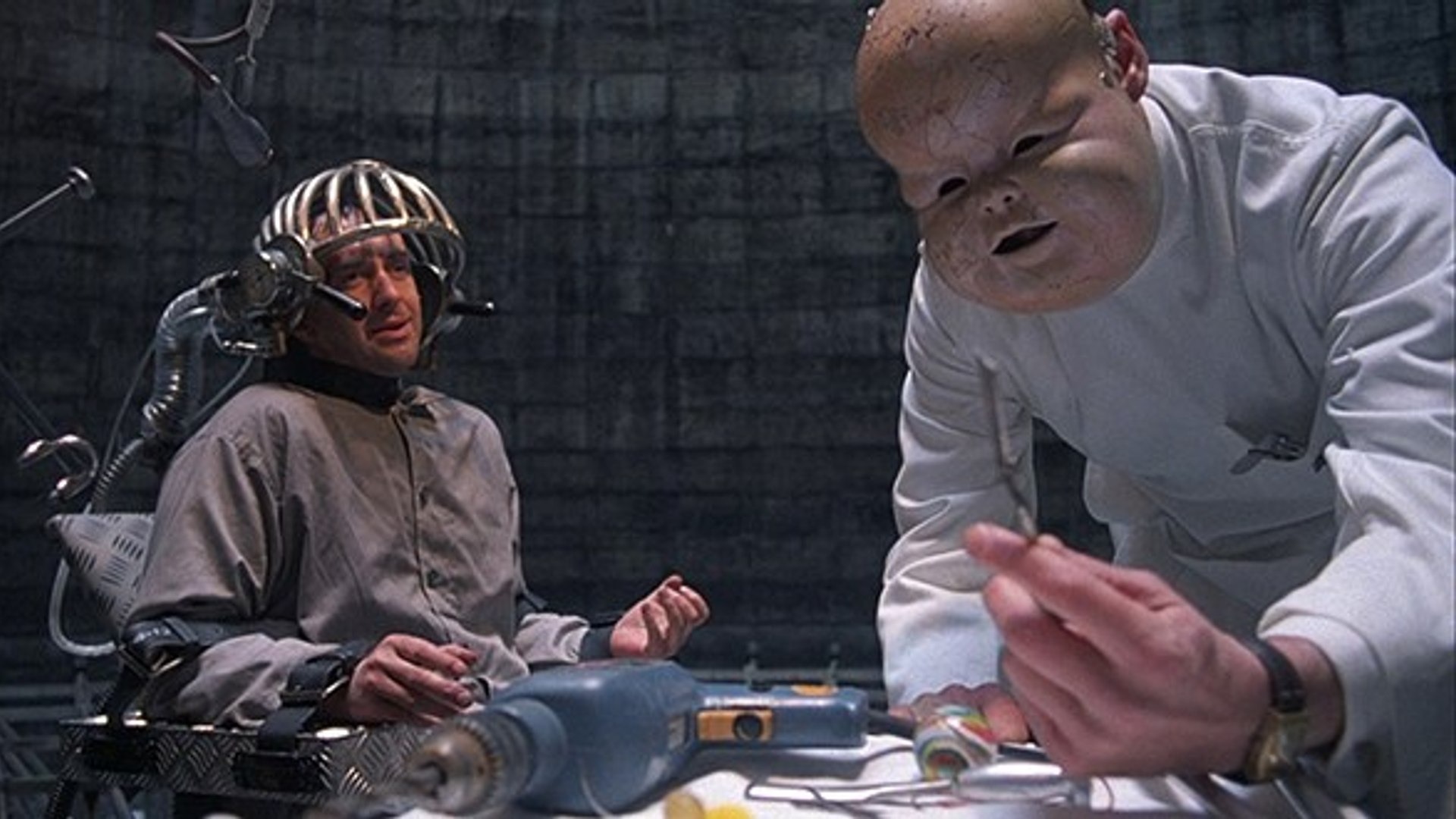
4. Brazil (1985)
Universal's Sid Sheinberg hated the dark ending Terry Gilliam wanted. Without telling him, Sheinberg recut the film to make it shorter and happier, hoping it would sell better. Gilliam publicly fought back against the changes, turning the conflict into one of Hollywood’s most famous director-versus-studio battles. In the end, his preferred version prevailed, but the studio’s interference nearly destroyed the film’s original vision.
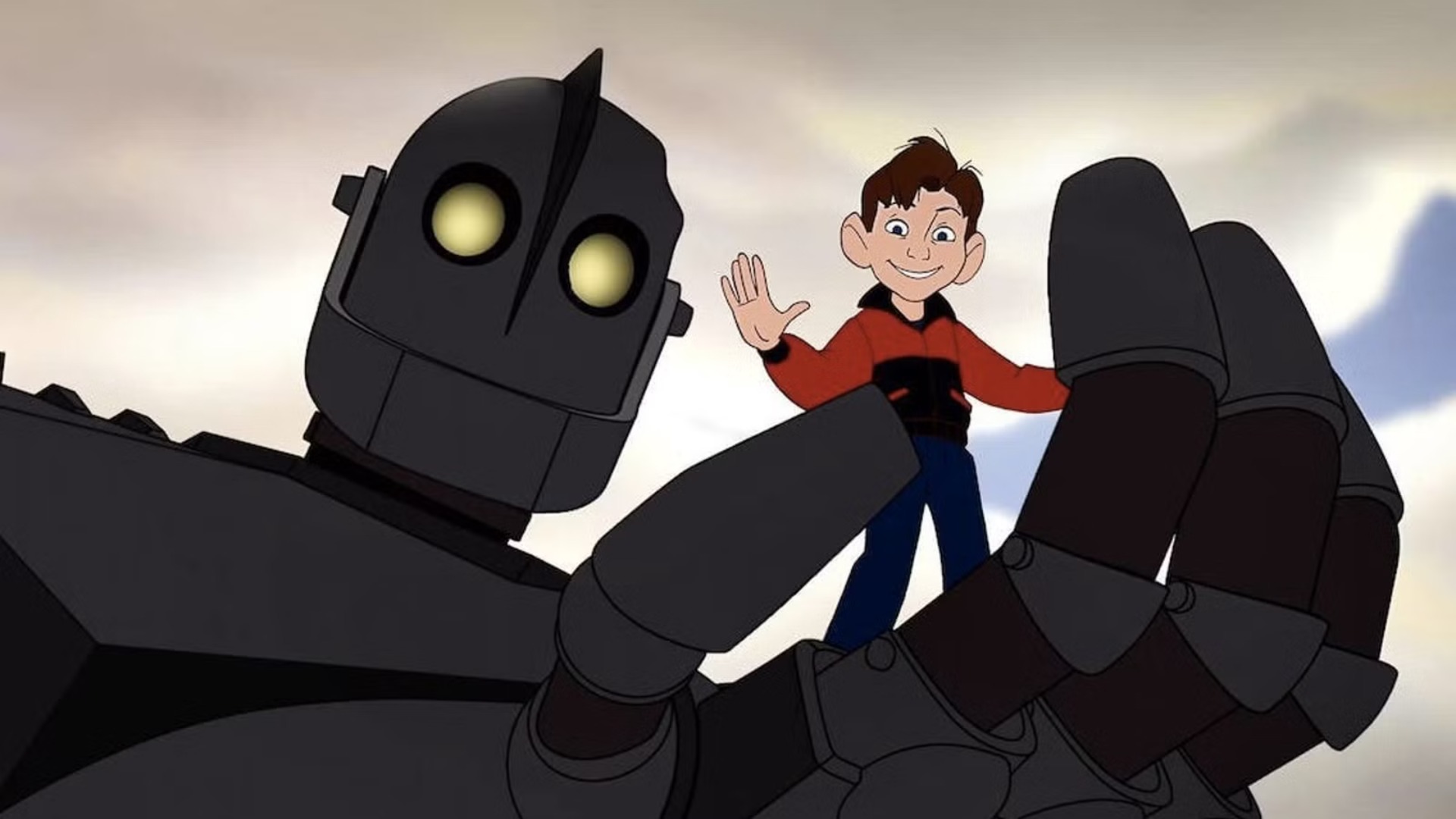
3. The Iron Giant (1999)
Warner Bros. did not have much faith in this animated movie because their last one had flopped. They gave it almost no marketing and no toy deals. They just dropped it into theaters with very little support, treating it like garbage even though it was actually good. It bombed at first but later became a beloved classic through home video and people talking it up.

2. Snowpiercer (2013)
The Weinstein Company acquired the U.S. distribution rights to Bong Joon Ho’s acclaimed dystopian action film but gave it only a limited release with very little promotion, despite its strong cast and excellent early buzz. Reports at the time suggested the studio was concerned about the film’s runtime, political themes, and commercial potential. As a result, the movie was largely pushed aside in the U.S. even while it performed well internationally. Over the years, however, it earned widespread critical acclaim and developed a passionate fan following.
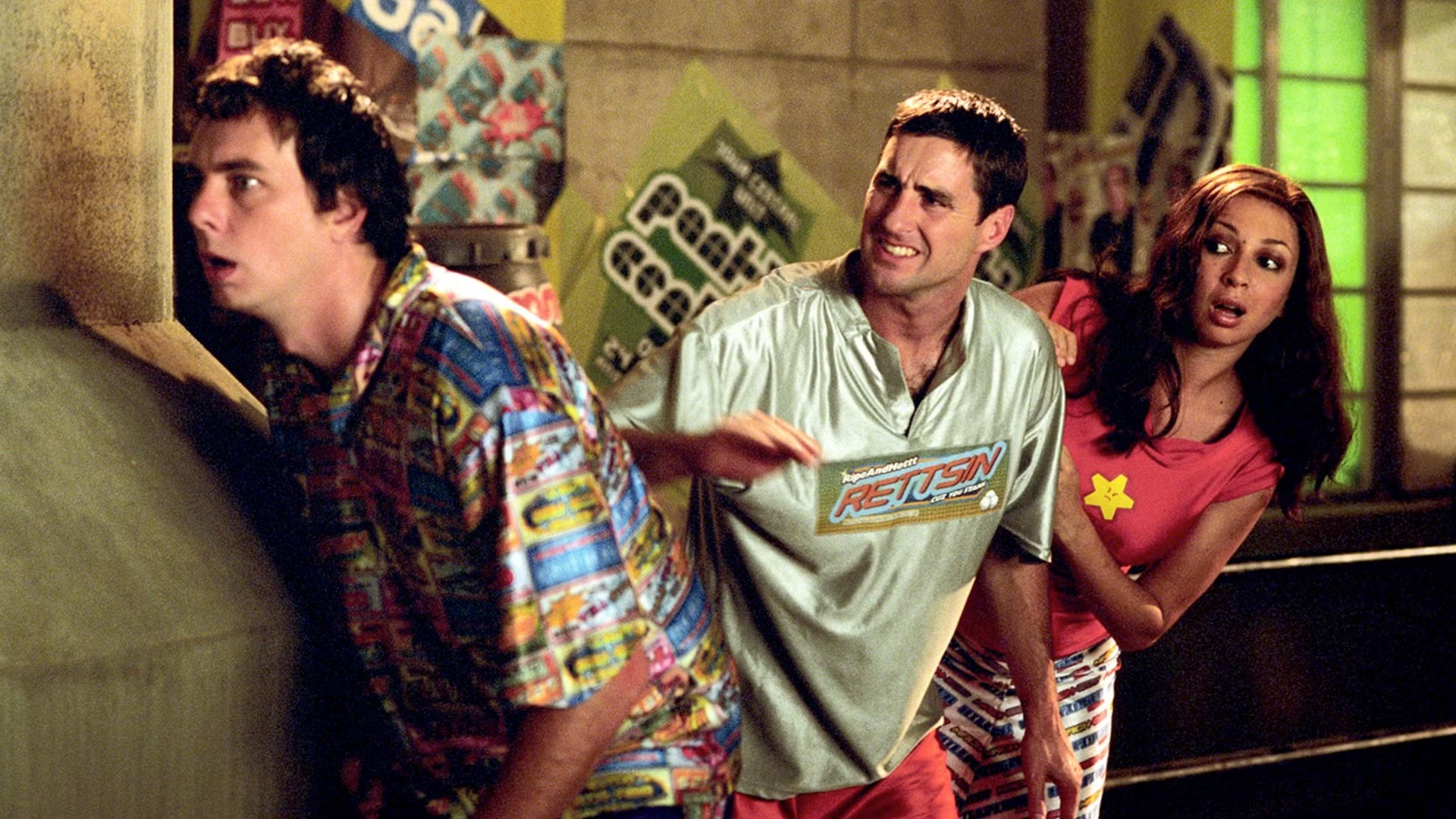
1. Idiocracy (2006)
20th Century Fox barely gave Mike Judge’s dystopian satire a real theatrical release. The studio provided almost no marketing, skipped critic screenings, and opened the film in only a small number of theaters. Executives either did not understand the movie’s satire or worried it mocked the same consumer culture tied to major advertisers. Despite being largely ignored at release, the film eventually found a loyal audience through DVD and streaming, turning into one of the most talked-about cult comedies of its era.