
Top 25 Nicknames In WWE History
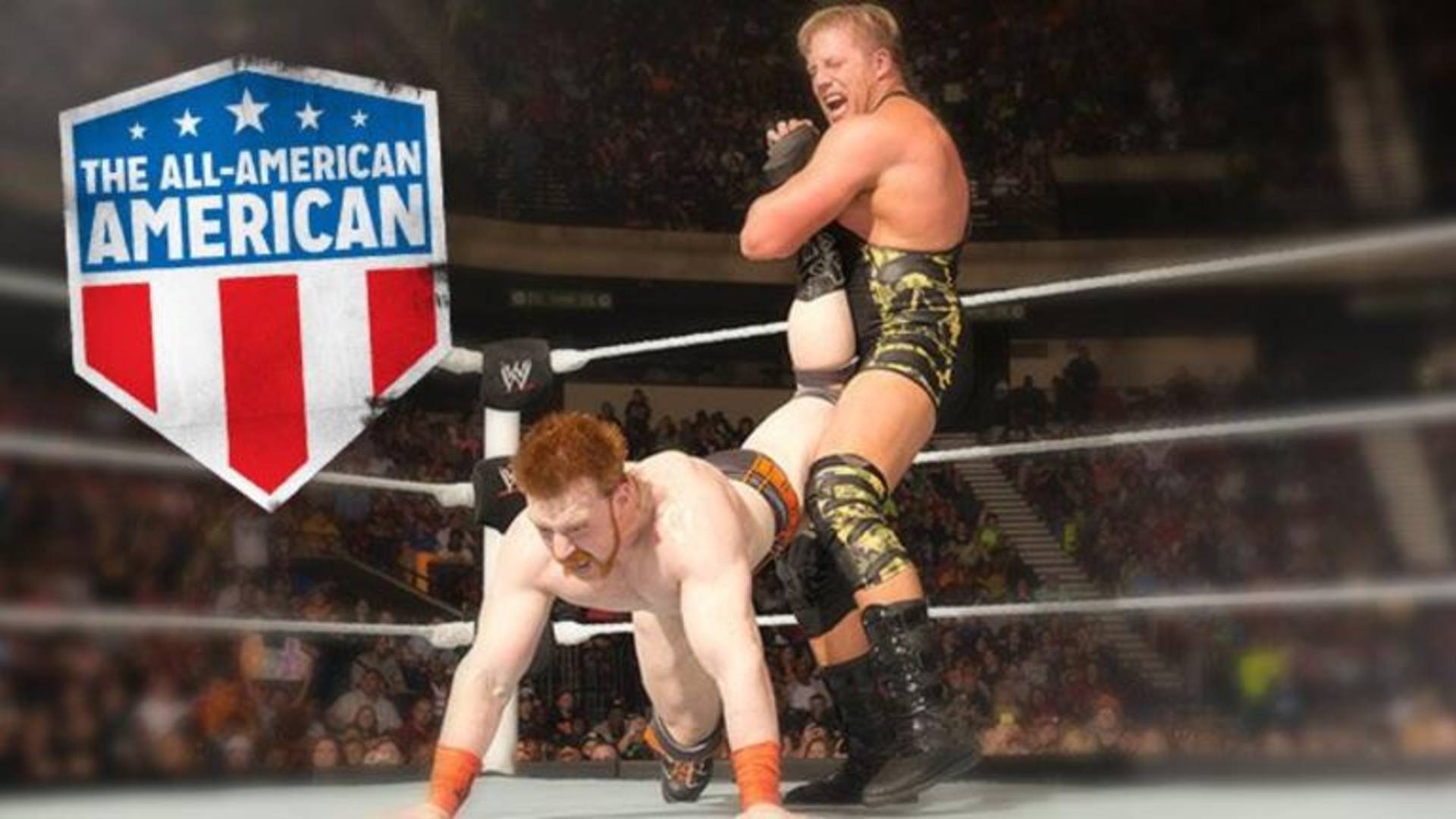
25. The All-American American (Jack Swagger)
Jack Swagger used the nickname “The All-American American” to highlight his genuine record as an NCAA All-American at the University of Oklahoma. WWE promoted his amateur wrestling background as part of his character and storyline. The nickname was consistently used on television and in promotional materials during his WWE career. Swagger adopted patriotic imagery and “We the People” slogans alongside manager Zeb Colter. His All-American accolades were repeatedly referenced during his WWE run.
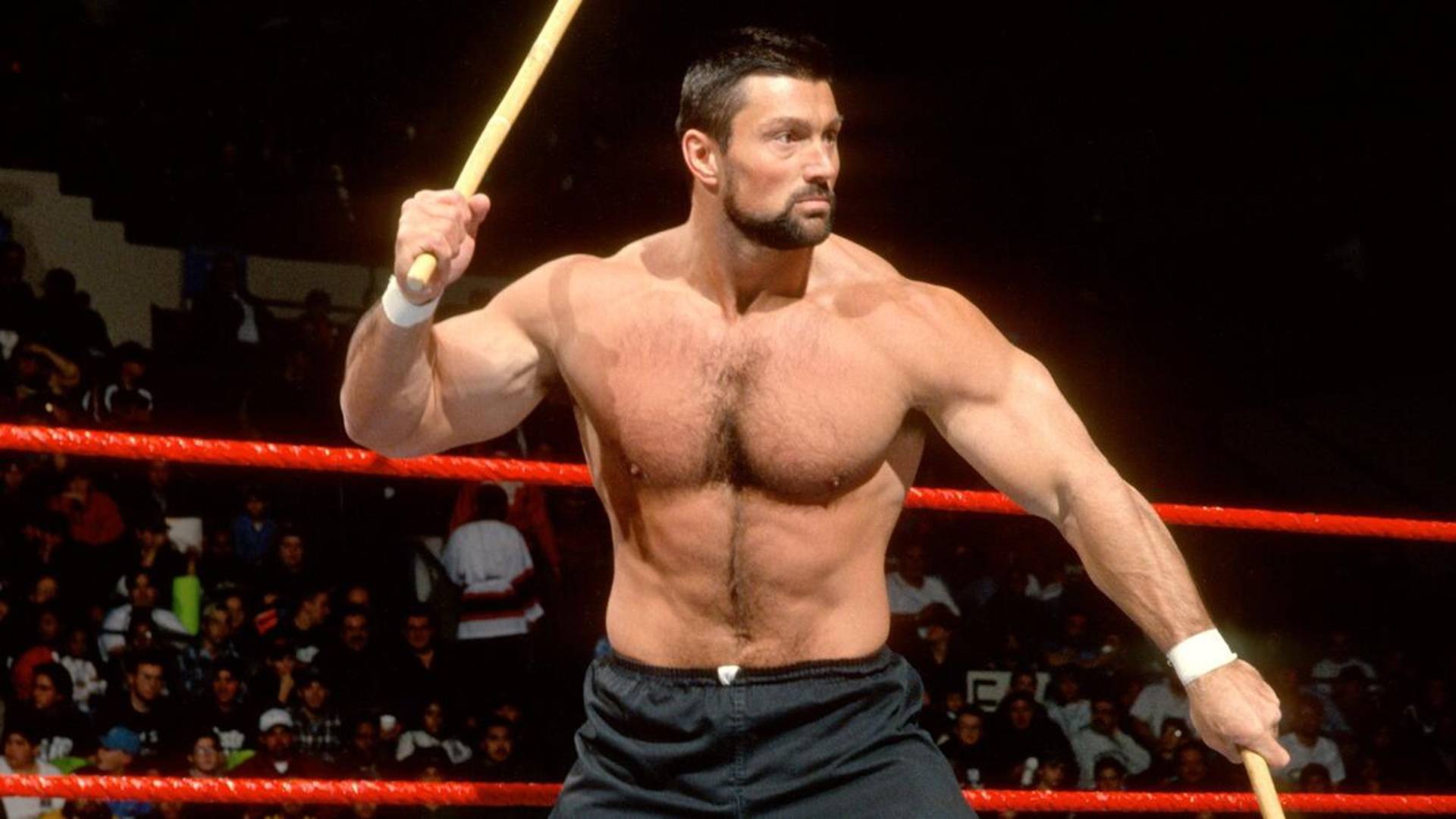
24. The Lethal Weapon (Steve Blackman)
Steve Blackman was called “The Lethal Weapon” throughout his late-1990s and early-2000s WWE run. He had a legitimate background in martial arts and regularly used kendo sticks and other weapons in matches. WWE presented him as a dangerous and credible threat via this moniker. The nickname appeared in on-screen graphics, ring announcements, and merchandise. Blackman’s offense was built around striking and submission techniques that matched the “lethal” theme.
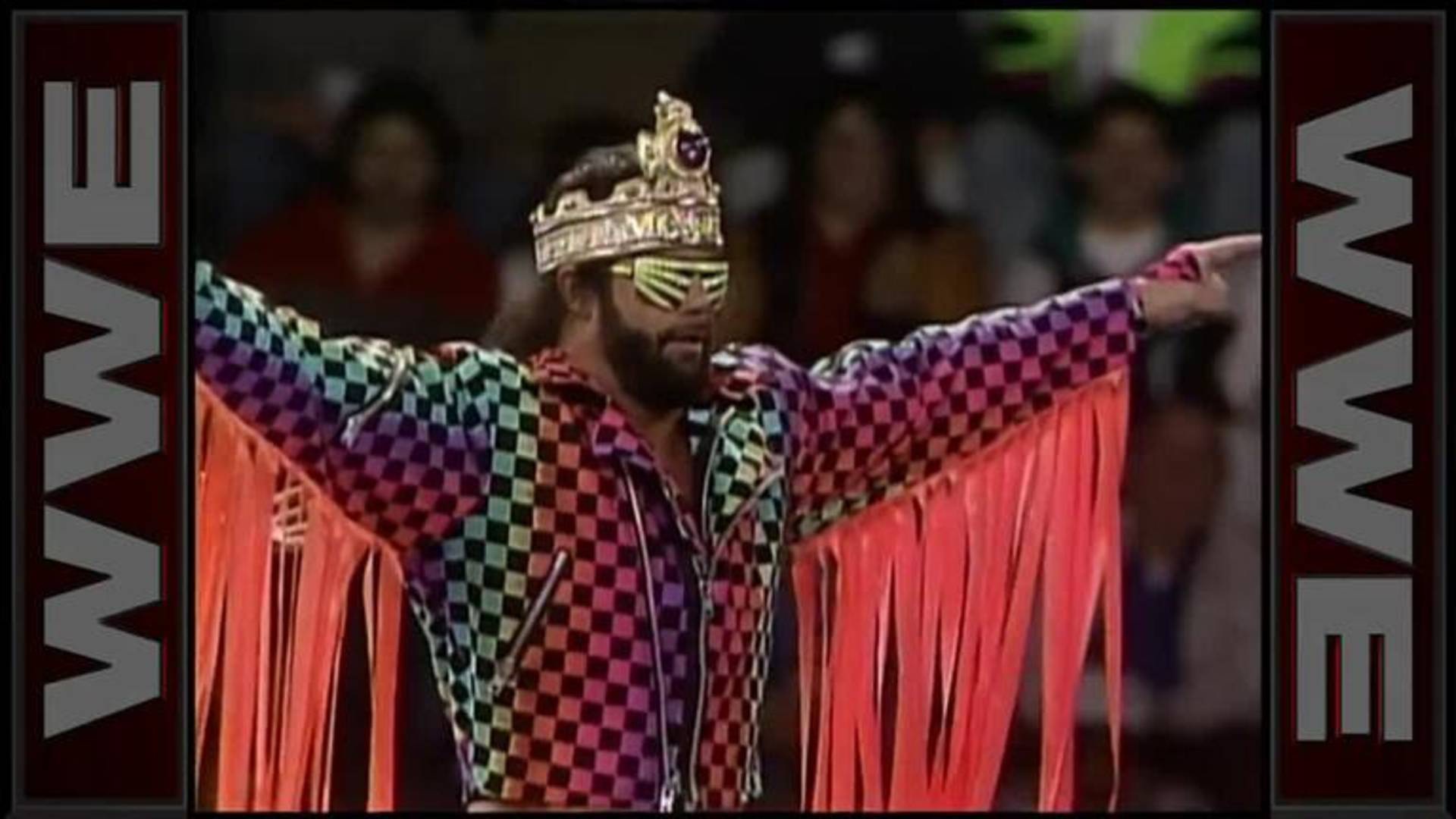
23. The Macho Man (Randy Savage)
Randy Savage was officially introduced as “The Macho Man” when he debuted in WWE in 1985. The nickname became synonymous with Savage on TV, advertising, and licensed products. “Macho Man” appeared in entrance graphics and was used by ring announcers for over a decade. WWE promoted his flamboyant persona and iconic voice using this name. Savage’s “Macho Man” identity remained his brand throughout his WWE and post-WWE appearances.
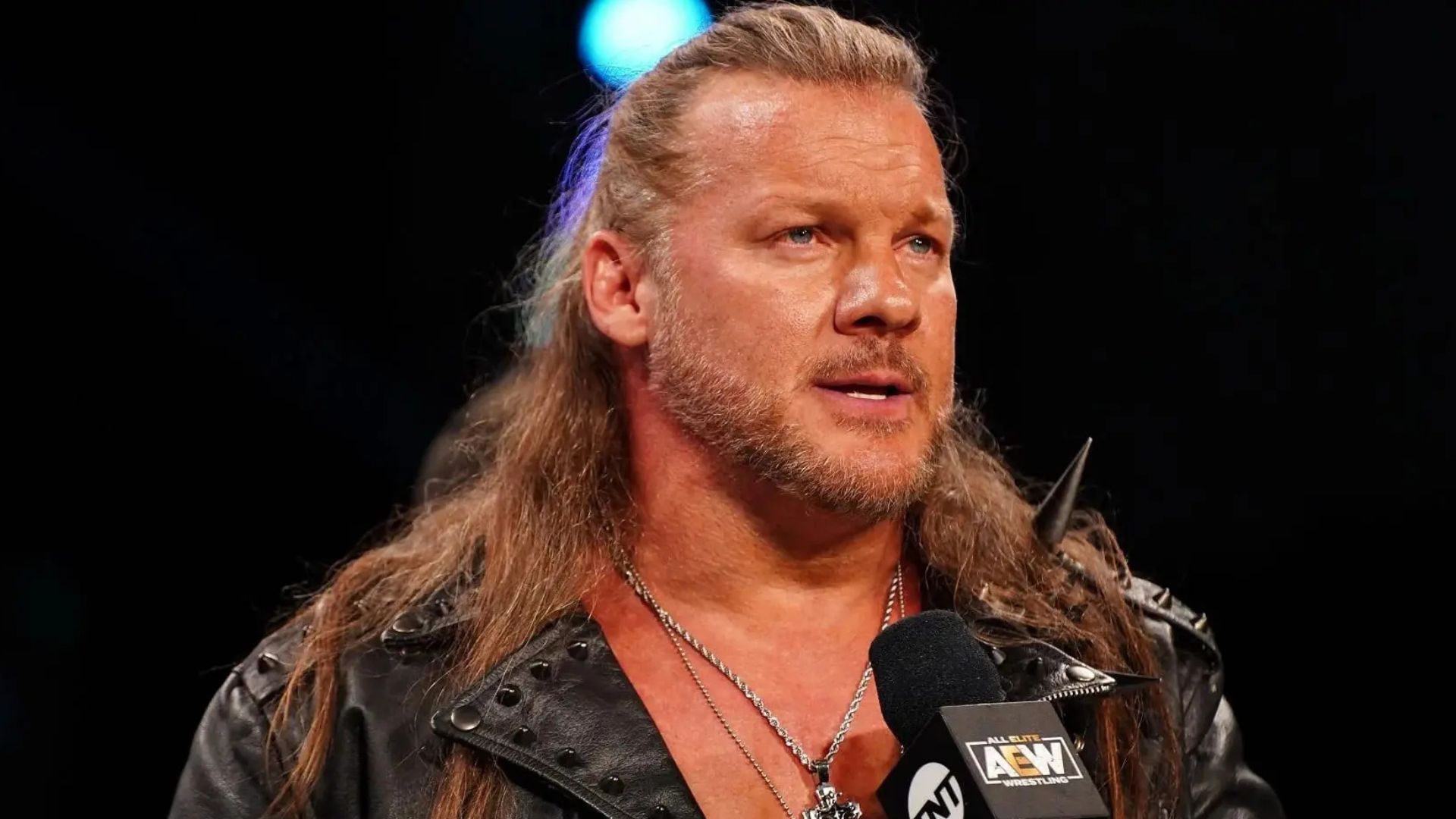
22. The Man of 1004 Holds (Chris Jericho)
Chris Jericho first used “Man of 1004 Holds” in WCW, famously reading out a satirical list on television in 1998 after a storyline with Dean Malenko who was known as the "Man of 1000 Holds". WWE referenced the nickname during his later career when describing his technical skills. Jericho’s list and nickname became a notable part of his character’s early history. The original segment aired during an episode of WCW Monday Nitro, gaining attention in wrestling media.
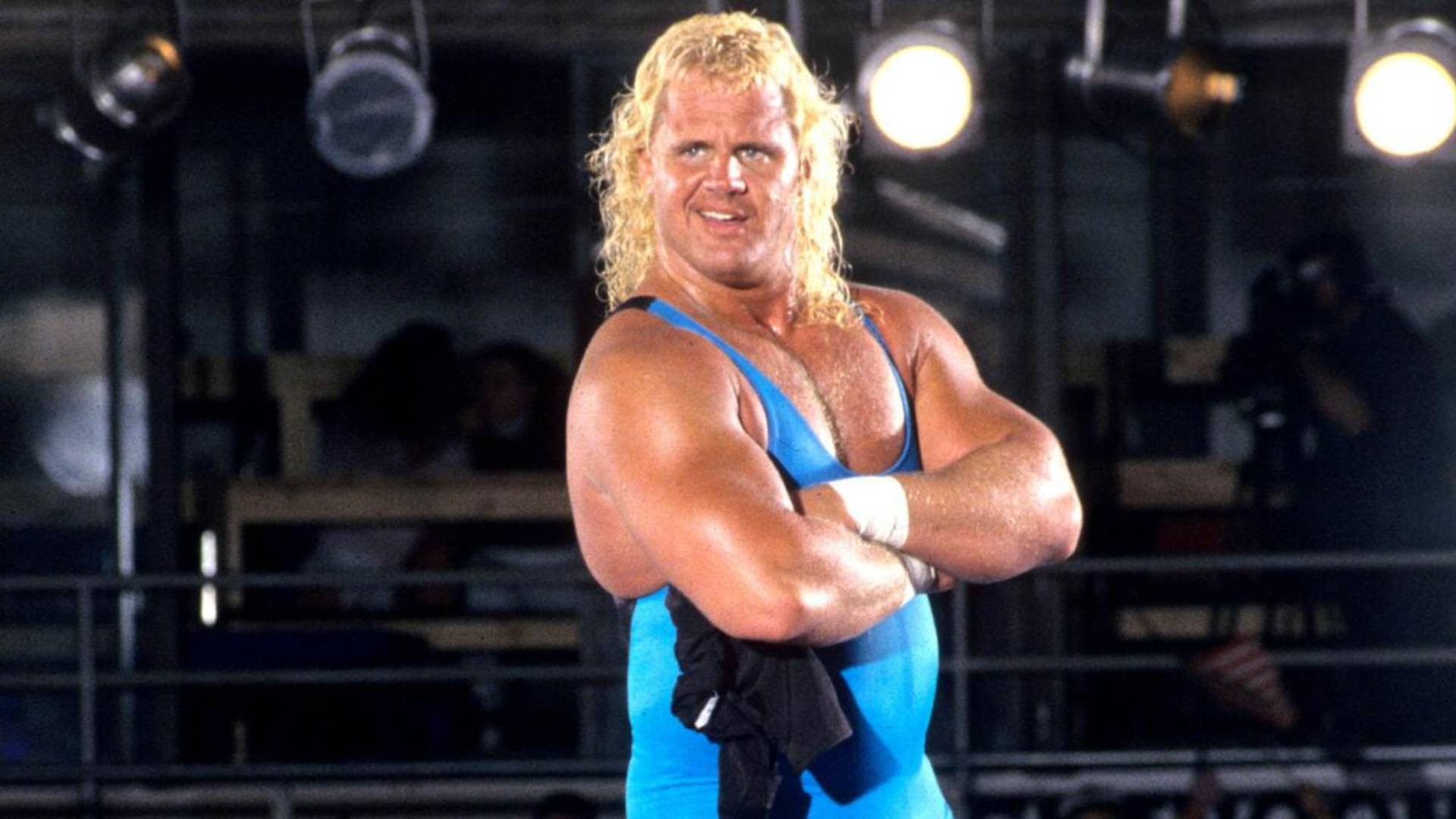
21. Mr. Perfect (Curt Hennig)
Curt Hennig was presented as “Mr. Perfect” starting in 1988 when he joined WWE. The nickname was used in all official materials, ring introductions, video packages, and promotional content. Hennig participated in vignettes portraying his “perfect” skills at sports and physical feats. WWE and wrestling historians consistently refer to Curt Hennig as Mr. Perfect in retrospectives. He also held the Intercontinental Championship under this persona.
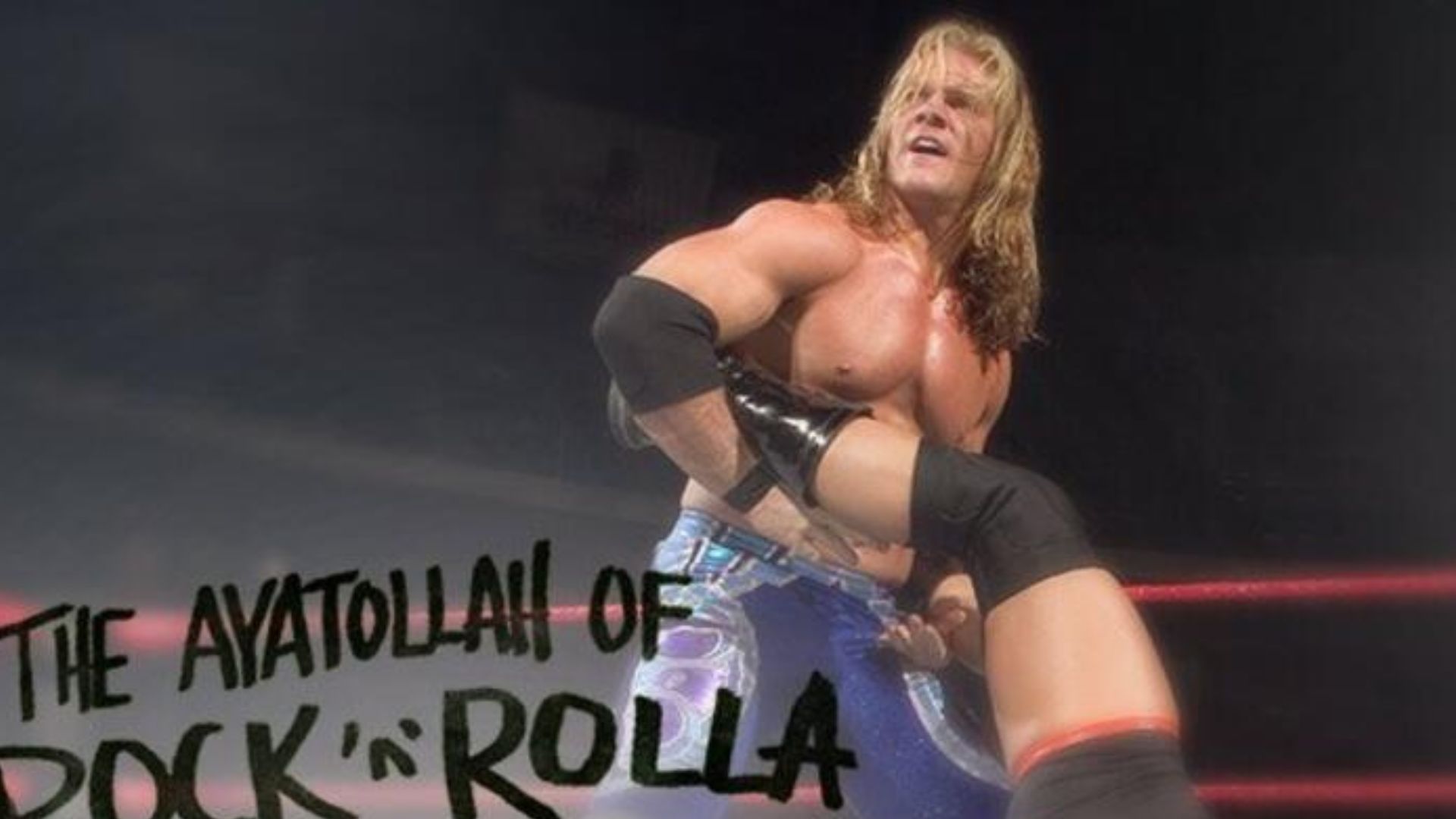
20. The Ayatollah of Rock ’N’ Rolla (Chris Jericho)
Chris Jericho coined the nickname “The Ayatollah of Rock ’N’ Rolla” during his WWE debut in 1999 and continued using it in later promos. The name was used as a key phrase in his in-ring speeches and merchandise. WWE commentary and on-screen segments mentioned the nickname multiple times throughout his career. Jericho adopted music-inspired gimmicks, including forming his own band Fozzy during his WWE tenure. This nickname is cited in official WWE highlight reels and documentaries.
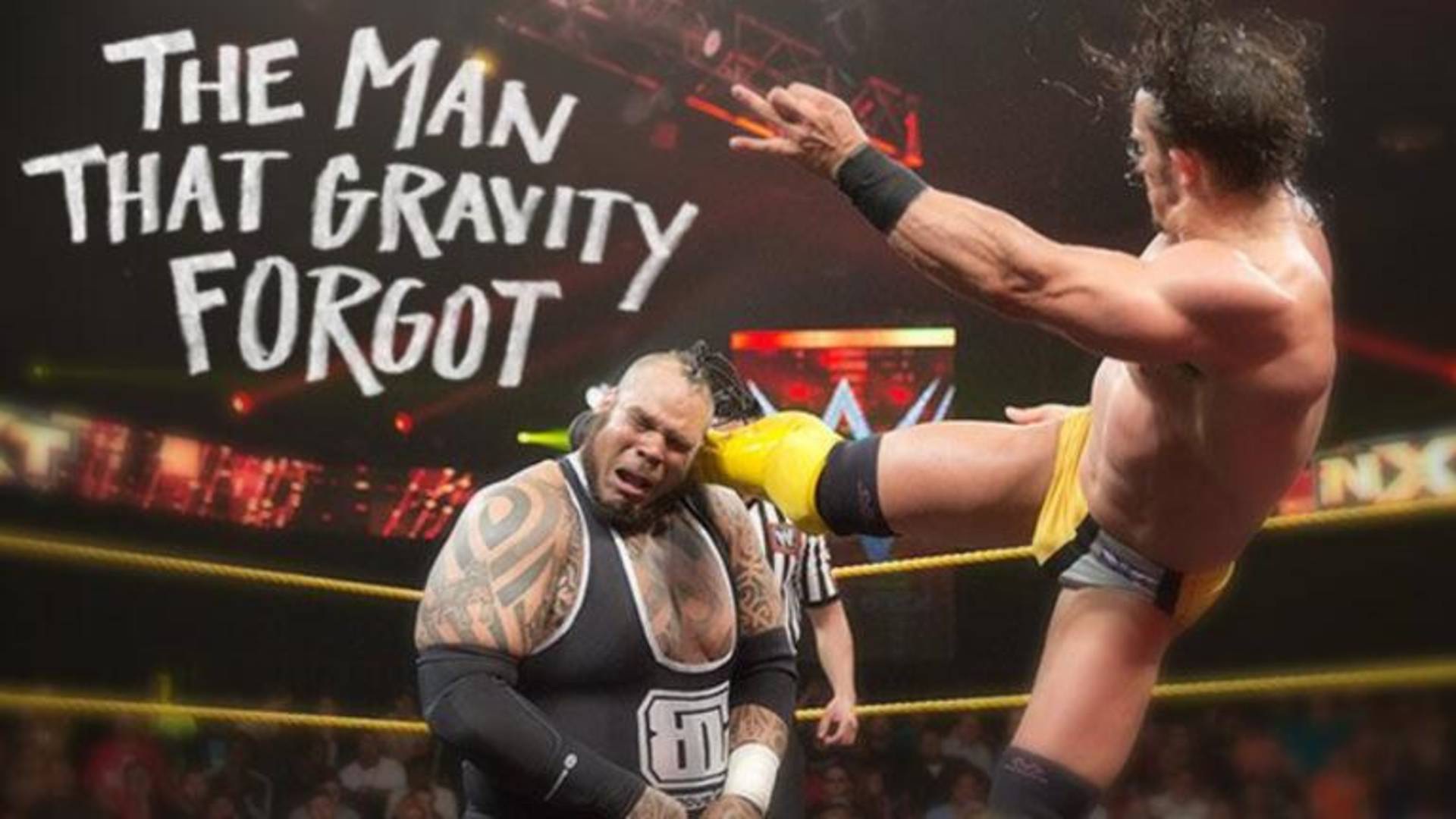
19. The Man That Gravity Forgot (Adrian Neville)
Adrian Neville was introduced as “The Man That Gravity Forgot” in WWE NXT, with the name appearing in graphics, commentary, and official match promotions. Neville’s high-flying wrestling style and acrobatics justified the use of this label. He used the “Red Arrow” as a finisher, noted for its aerial execution. The nickname was featured in NXT promotional campaigns and NXT TakeOver event descriptions. WWE continued to refer to him by this moniker during his move to the main roster.
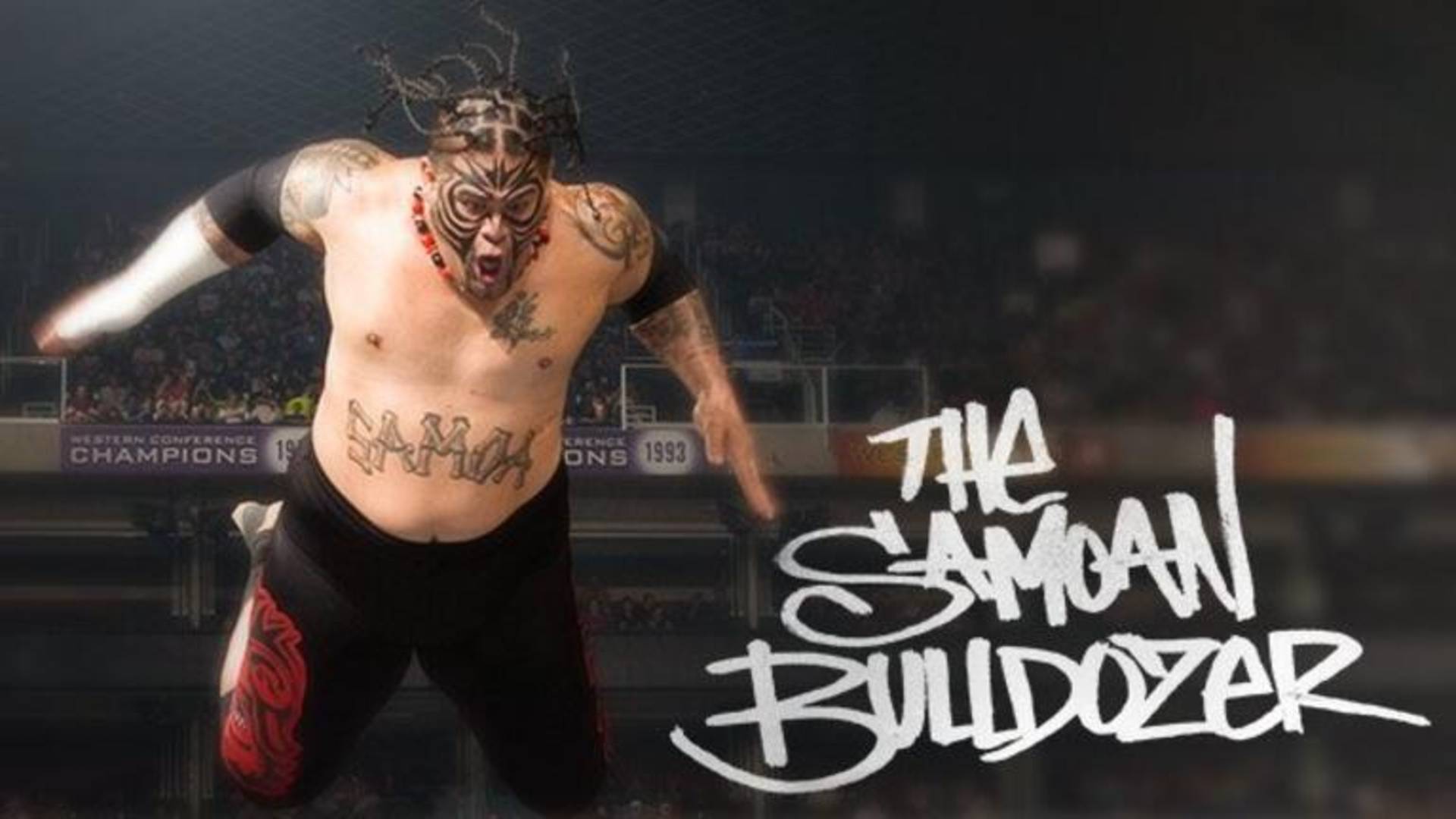
18. The Samoan Bulldozer (Umaga)
Umaga’s nickname “The Samoan Bulldozer” appeared in all WWE on-screen presentations after his 2006 debut. The promotion emphasized his size, strength, and aggression using this title in commentary and video packages. The nickname was used in feuds against top stars such as John Cena and Jeff Hardy. WWE documented his undefeated streak under this name in the first months of his main roster run. “Samoan Bulldozer” is listed in WWE’s official profiles and tribute articles.
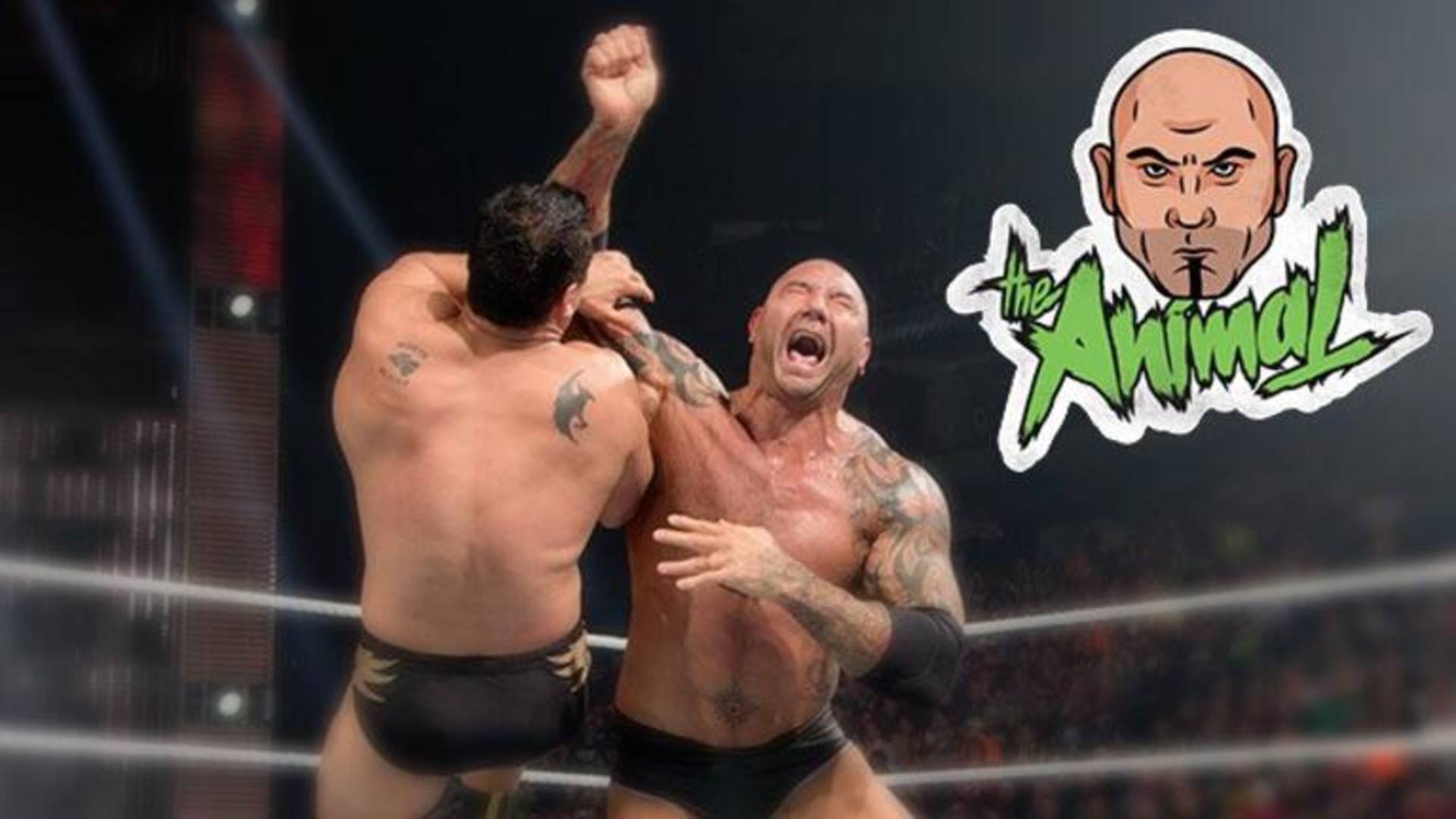
17. The Animal (Batista)
Batista was introduced as “The Animal” in WWE programming, with the nickname debuting during his time in the Evolution stable. It became his primary label during entrance announcements and on official merchandise. WWE highlighted his size and intensity, often mentioning “The Animal” in pay-per-view promotional banners. Batista continued to use the name throughout his world-title runs and into his post-wrestling media appearances.
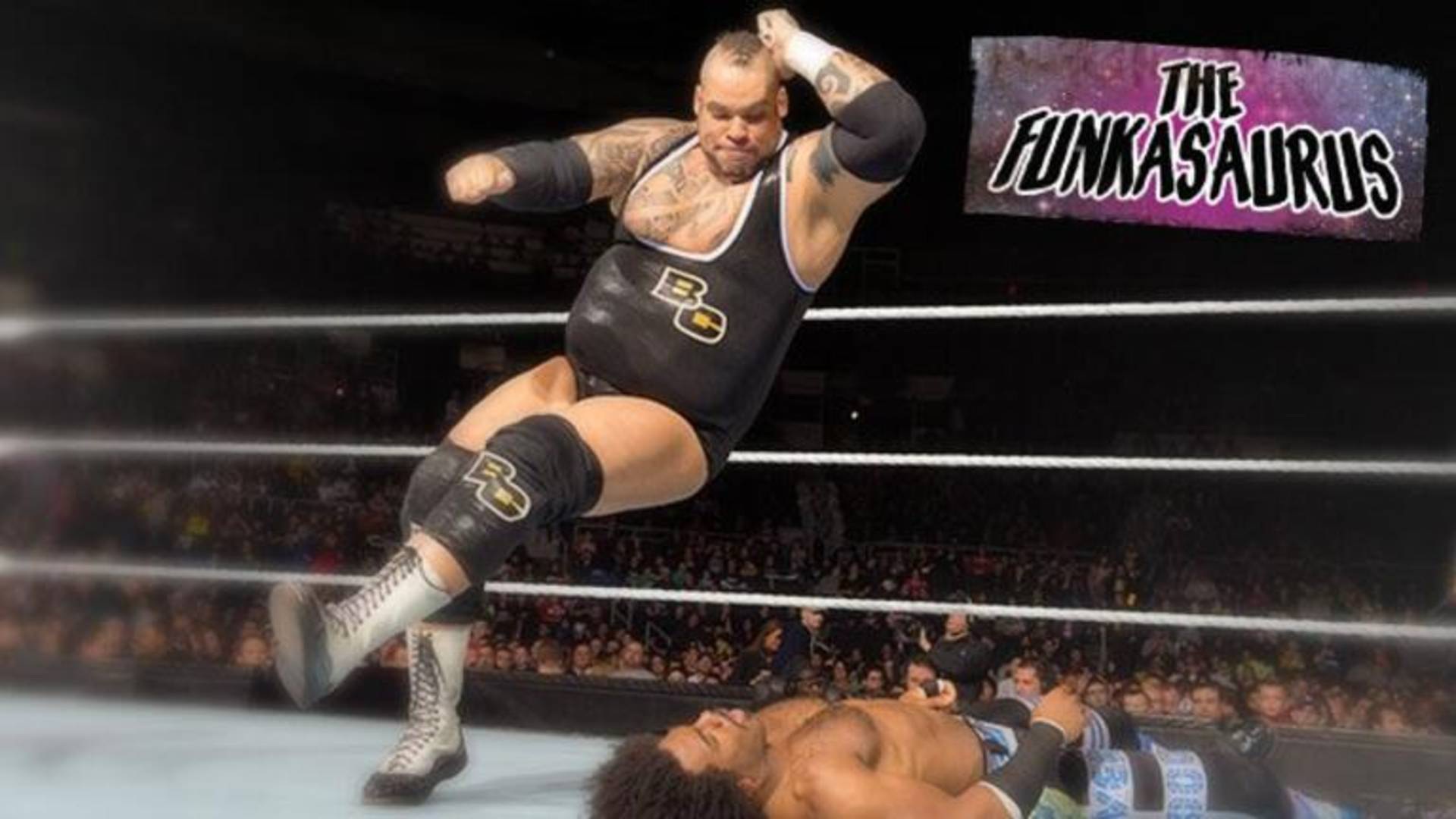
16. The Funkasaurus (Brodus Clay)
WWE rebranded Brodus Clay as “The Funkasaurus” in early 2012, relaunching his character as a dancing entertainer. The nickname was used on TV, in graphics, and in ring introductions. Clay adopted a funk-inspired entrance and was joined by Naomi and Cameron as dancers called “The Funkadactyls.” WWE promoted his character shift across their website and on social media platforms.
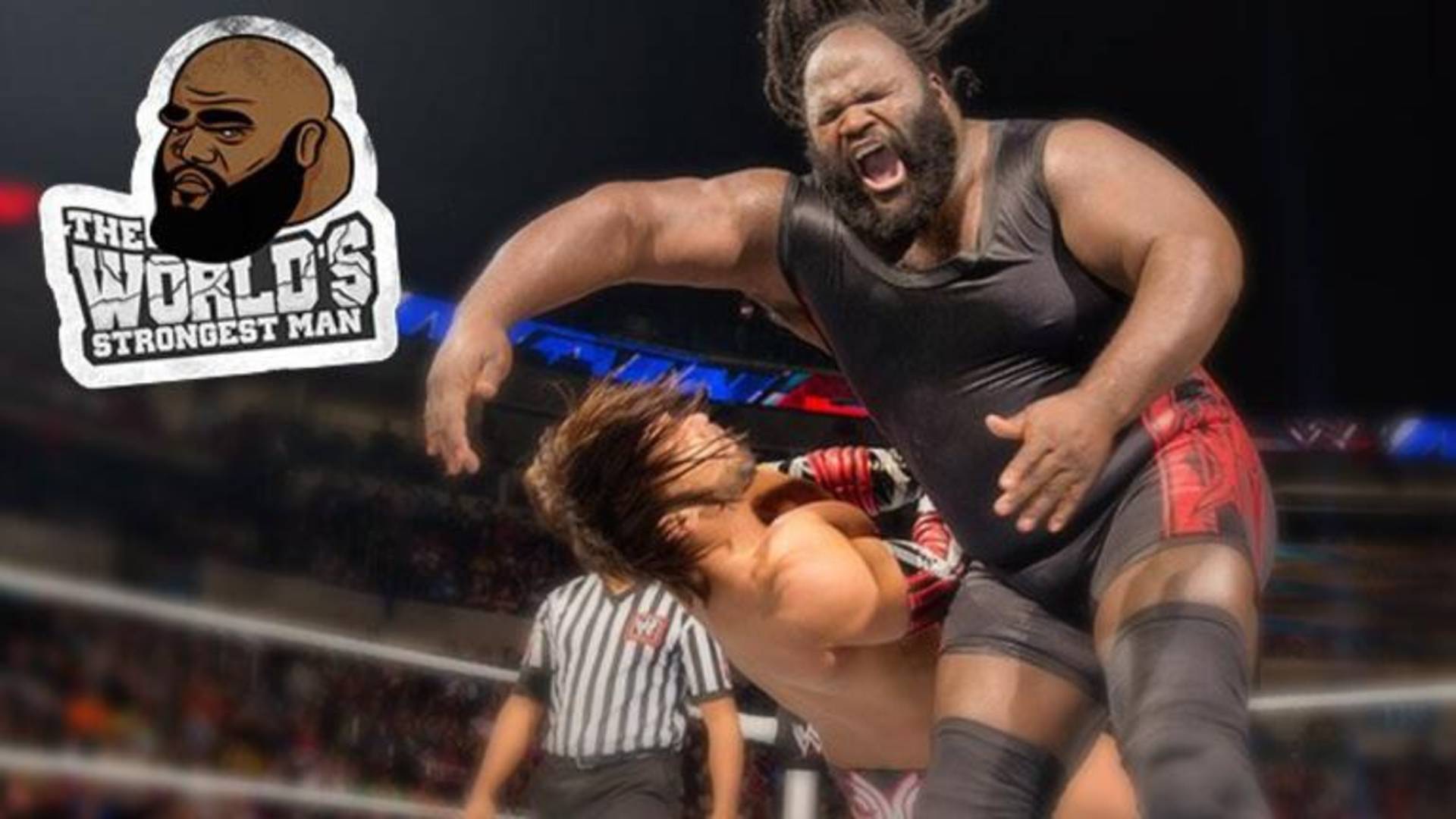
15. The World’s Strongest Man (Mark Henry)
Mark Henry was recognized as “The World’s Strongest Man” based on his real-life accomplishments in Olympic and professional weightlifting. The nickname was consistently used by WWE since his 1996 debut and has appeared in all presentations, titles, and promotional materials. Henry held official world records in powerlifting, including several recorded at the Arnold Strongman Classic. WWE included this fact in Hall of Fame speeches and documentaries.
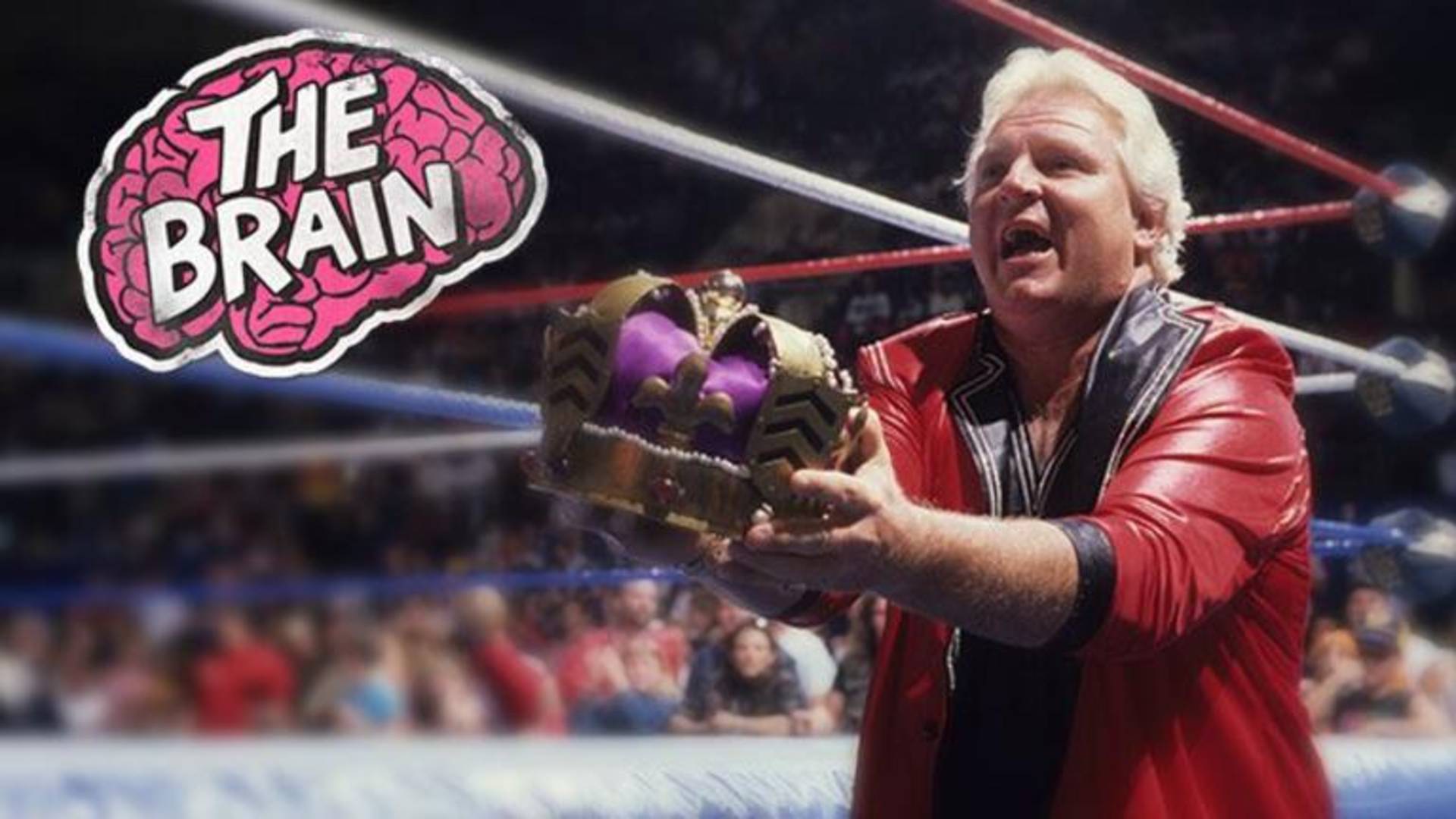
14. The Brain (Bobby Heenan)
Bobby Heenan was known as “The Brain” both in the American Wrestling Association and prominently in WWE starting in the 1980s. The nickname symbolized his role as a cunning manager and was cited in all program scripts, video packages, and Hall of Fame segments. Announcers such as Gorilla Monsoon used “The Brain” regularly during broadcasts. Heenan signed WWE contracts and appeared in interviews under this official stage name. WWE still refers to him by this nickname in retrospect.
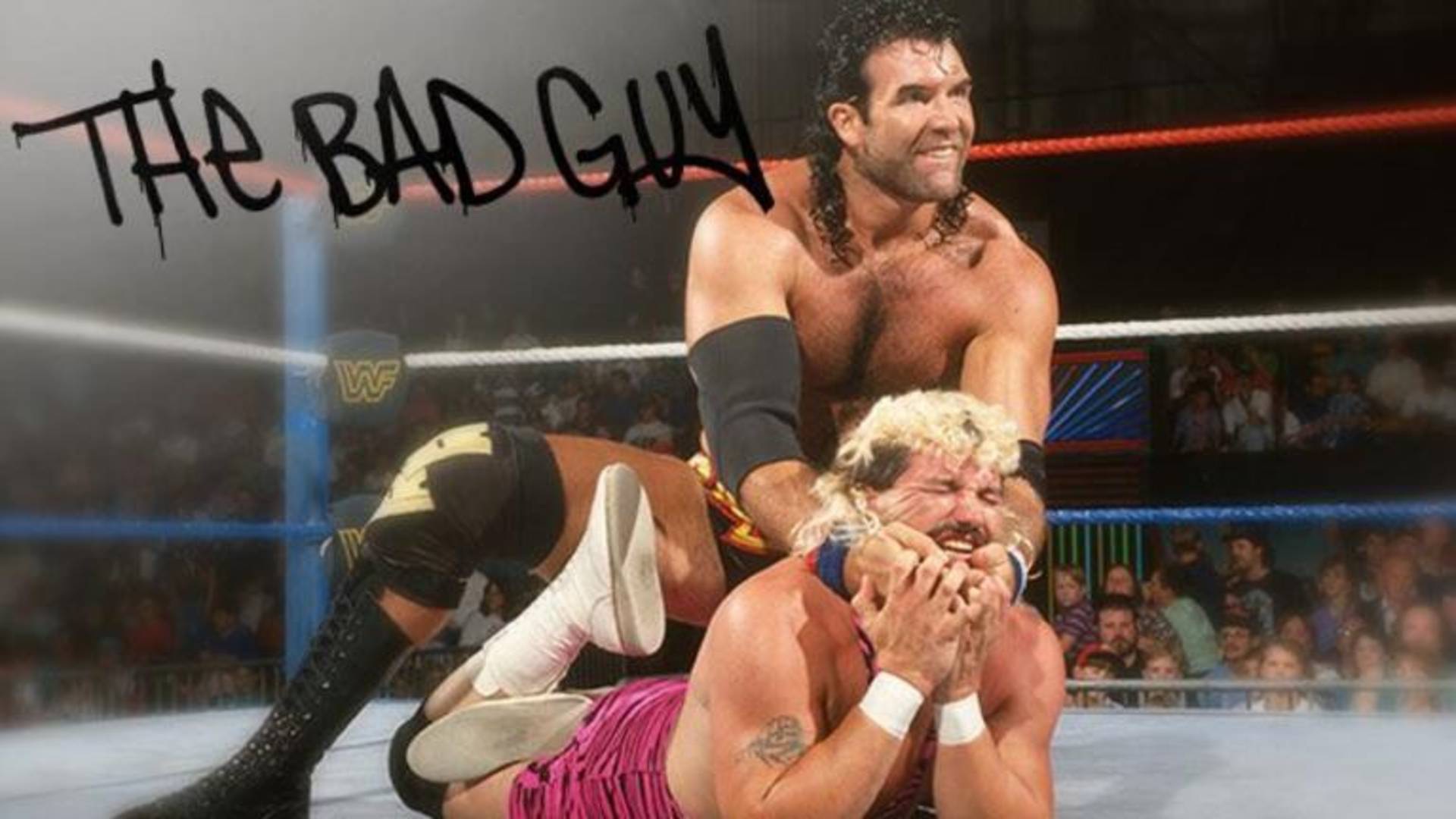
13. The Bad Guy (Razor Ramon)
Razor Ramon was called “The Bad Guy” during his entire WWE run from 1992 to 1996. The nickname was based on the character’s attitude and vignettes preceding his debut, modeled after gangsters in movies. WWE commentators and ring announcers introduced “The Bad Guy” at major events including WrestleMania and SummerSlam. WWE-branded merchandise and highlight packages included the phrase.
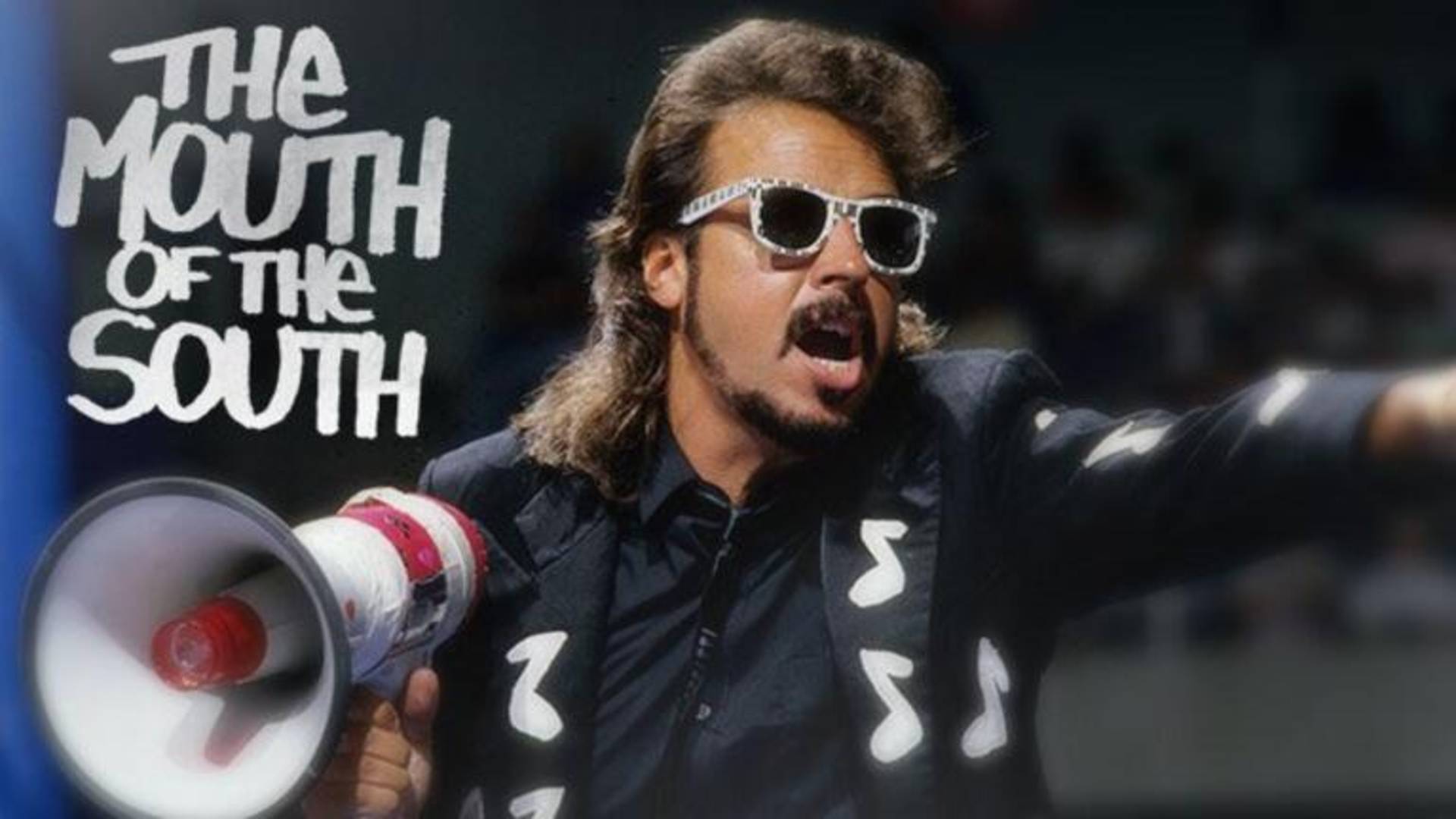
12. The Mouth of the South (Jimmy Hart)
Jimmy Hart’s nickname “The Mouth of the South” was used in WWE since his managerial debut in 1985. His nickname referenced both his loud voice as a manager and his Memphis, Tennessee roots. WWE announced him as “The Mouth of the South” on televised broadcasts and promotional material for decades. Hart’s megaphone and distinctive attire became trademarks under this moniker.
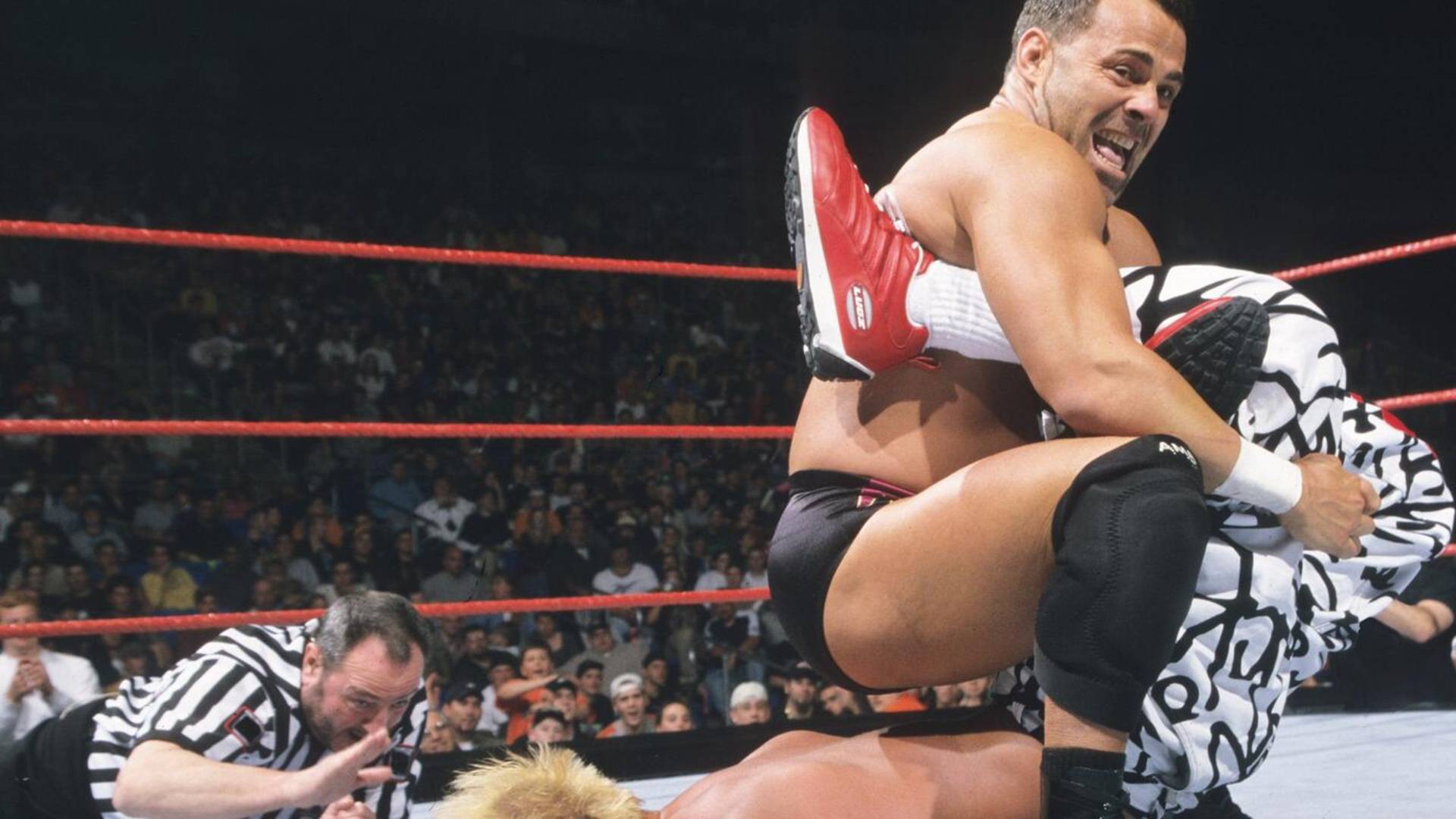
11. The Man of 1,000 Holds (Dean Malenko)
Dean Malenko was called “The Man of 1,000 Holds” during his runs in ECW, WCW, and later WWE. The nickname referred to his well-known technical expertise and submissions repertoire. Ring introductions, commentary, and promotional flyers featured the title. The moniker distinguished Malenko among cruiserweights during the 1990s wrestling wars.
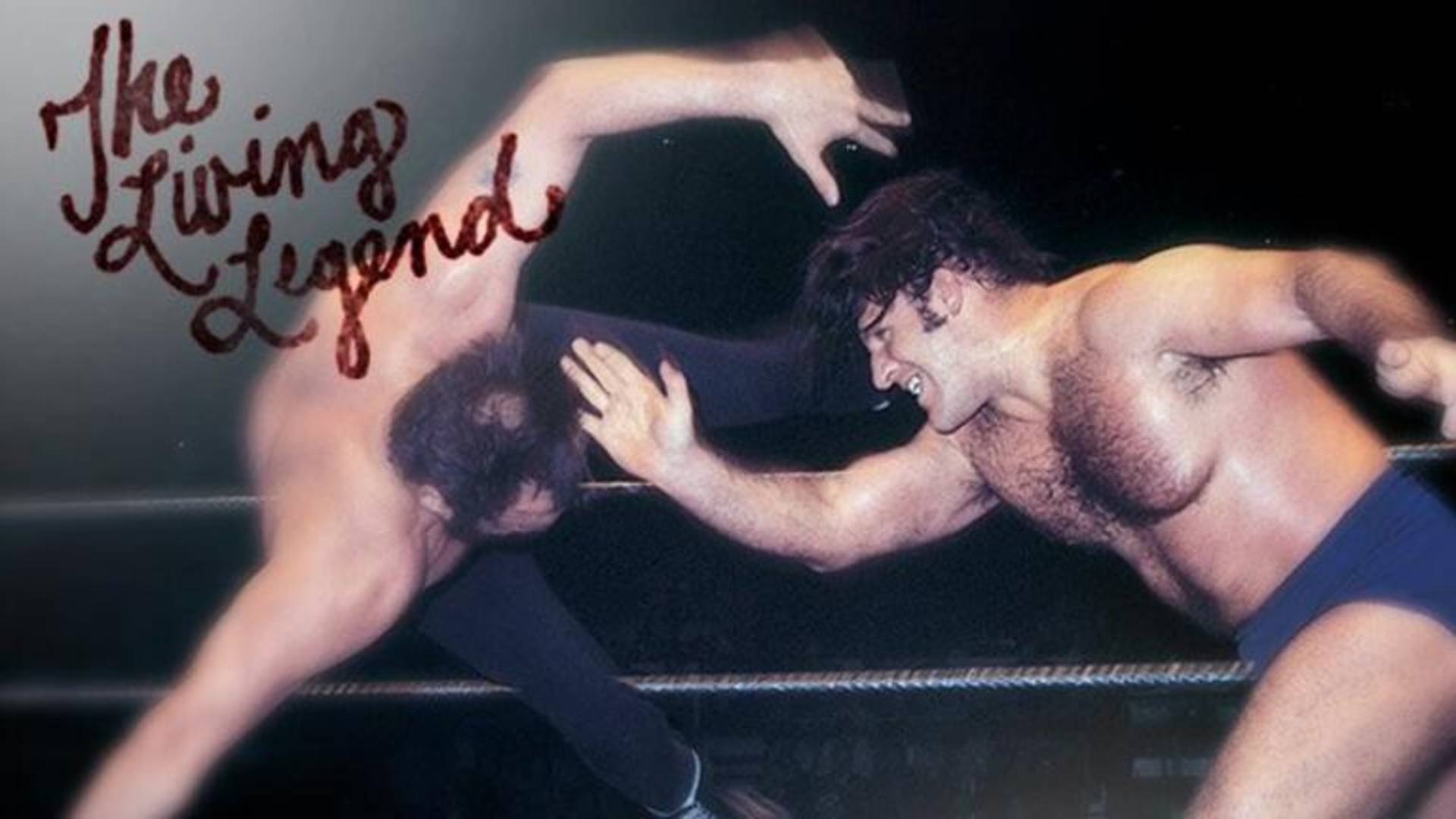
10. The Living Legend (Bruno Sammartino)
Bruno Sammartino was officially referred to as “The Living Legend” by WWE and other wrestling organizations. The nickname was used during his WWE title reign of over 2,800 days and was cited in all major event promotions. WWE Hall of Fame literature and documentary features highlight Sammartino’s “Living Legend” status. Announcers used the nickname at Madison Square Garden events.
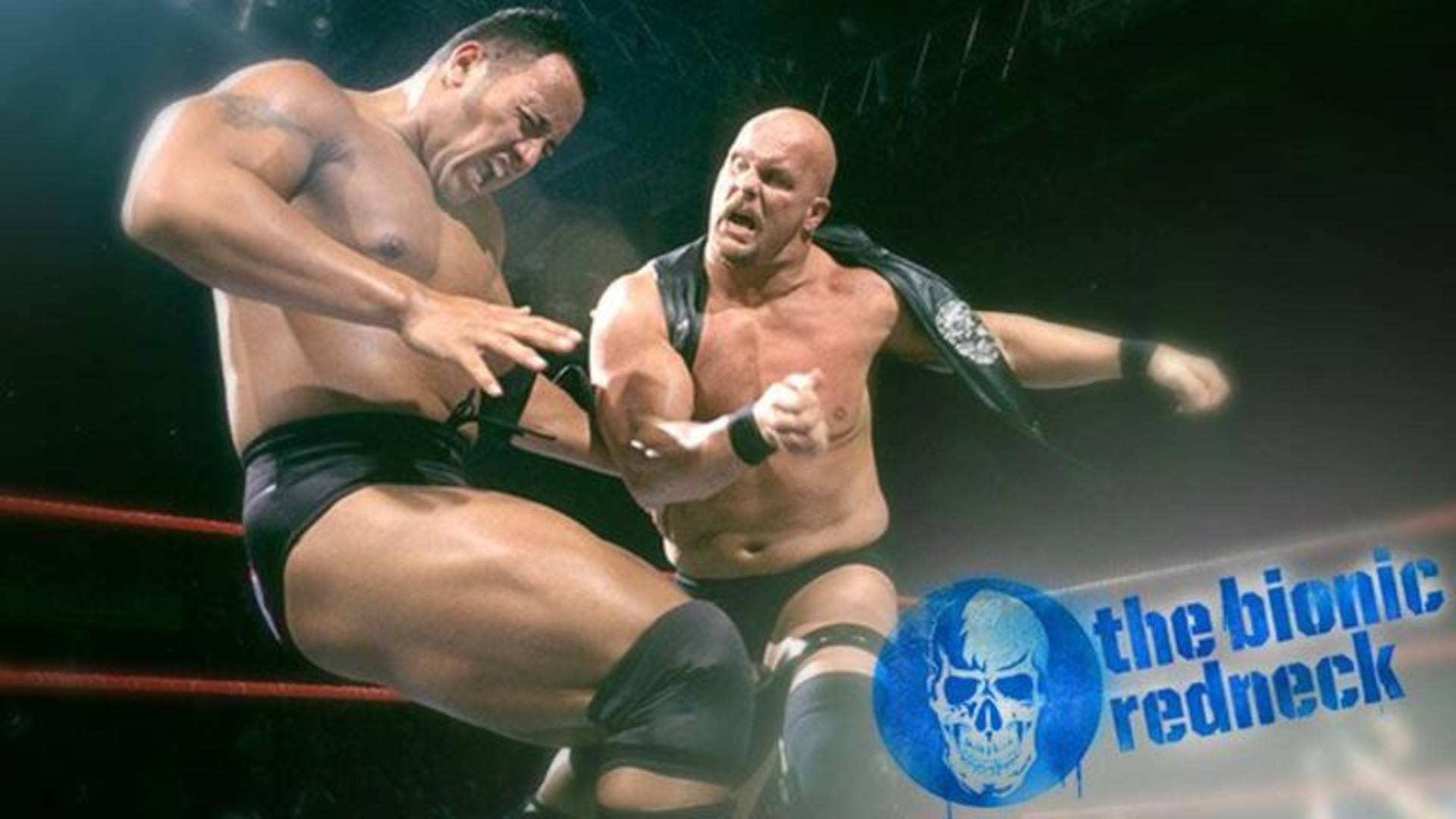
9. The Bionic Redneck (Stone Cold Steve Austin)
Stone Cold Steve Austin was called “The Bionic Redneck” following his 1999 return after neck fusion surgery. WWE merch and commentary adopted the nickname during his late Attitude Era run. The phrase described both his Texas heritage and recovery from serious injuries. WWE used “Bionic Redneck” in magazine profiles and “Stone Cold” highlight reels. Austin referenced the title in interviews describing his comeback to the ring.
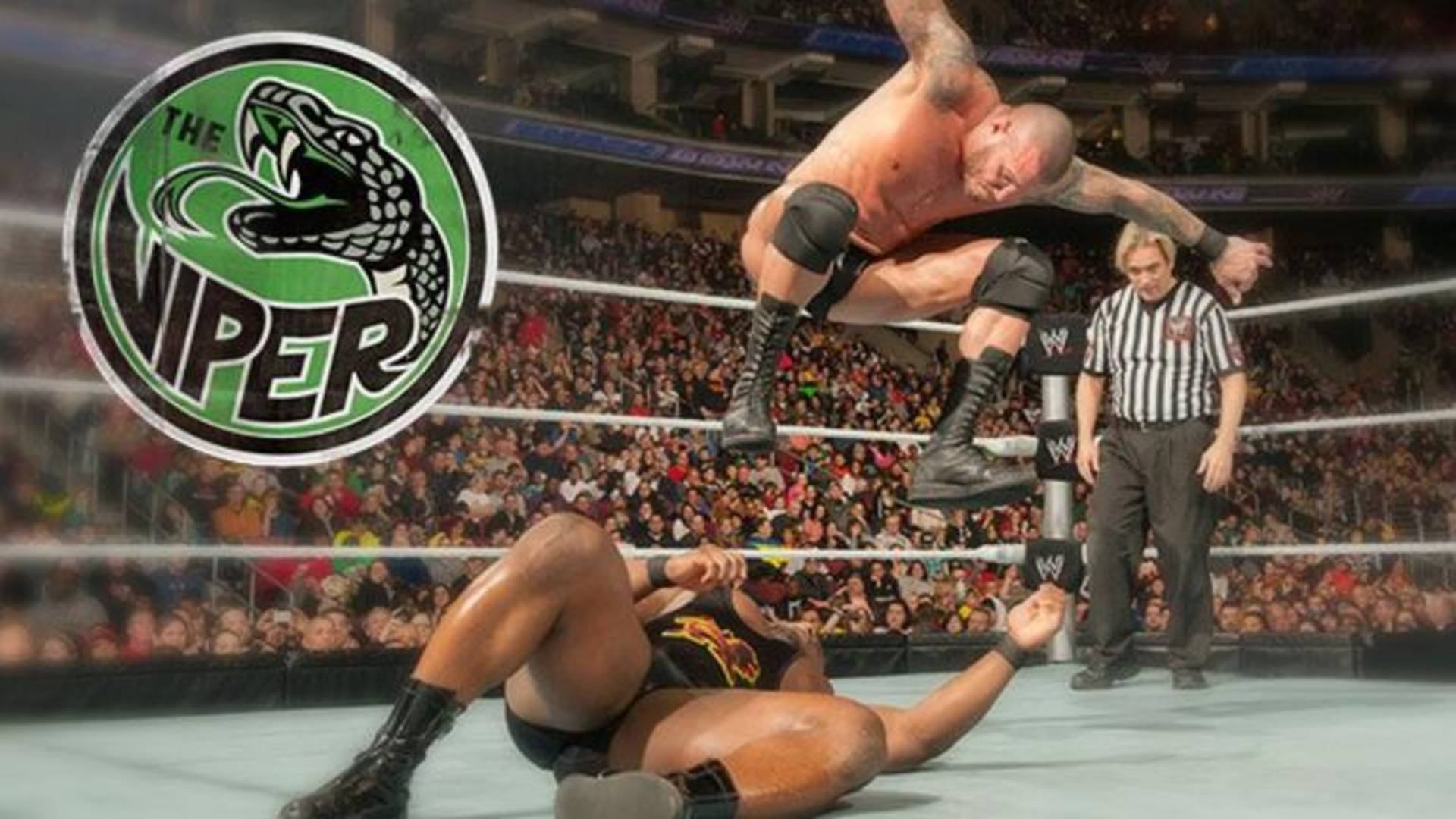
8. The Viper (Randy Orton)
Randy Orton’s “Viper” nickname emerged in WWE commentaries and graphics from 2008 onward. The moniker references Orton’s in-ring mannerisms resembling a snake’s stalking and striking. WWE consistently includes “The Viper” in match promotions, merchandise, and video packages. Orton used the nickname during promos and storylines, including key feuds with John Cena and Triple H.
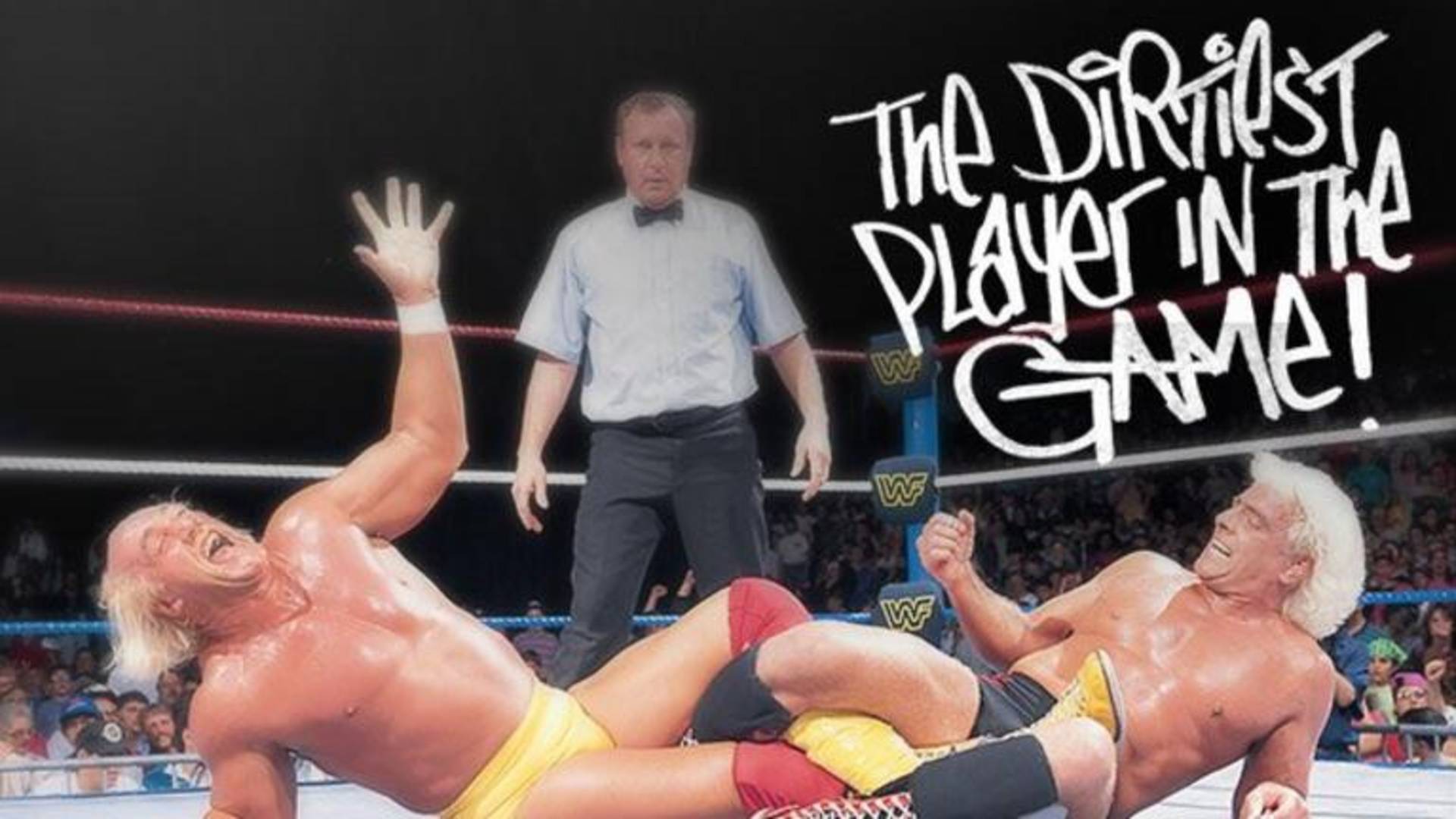
7. The Dirtiest Player in the Game (Ric Flair)
Ric Flair’s “Dirtiest Player in the Game” nickname is documented as part of his persona since the 1980s. WWE and NWA promoted Flair’s use of rule-bending tactics with this label. Commentators and backstage segments often referenced the nickname during title and pay-per-view matches. “Dirtiest Player” appears in WWE DVDs, magazine retrospectives, and Flair’s Hall of Fame speech.
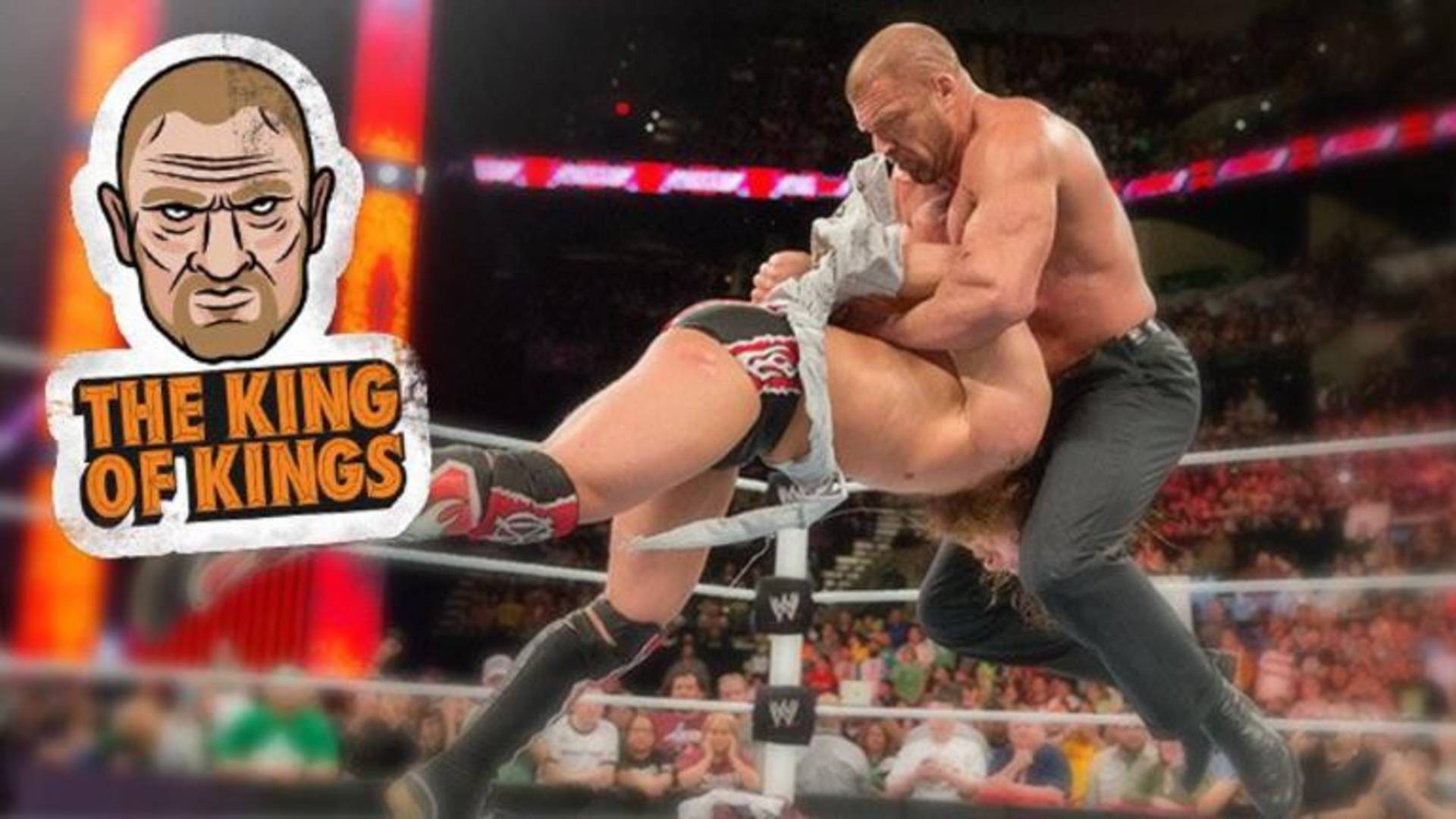
6. The King of Kings (Triple H)
Triple H first used “The King of Kings” around 2006 during his entrance routines on Raw and other pay-per-view events. The nickname accompanied elaborate king-themed entrances and entrance music. WWE promoted the nickname on attire, merchandise, and social media leading into major title matches. Commentators announced him as “The King of Kings” at multiple pay-per-views across several years including his WWE title match against John Cena at WrestleMania 22.
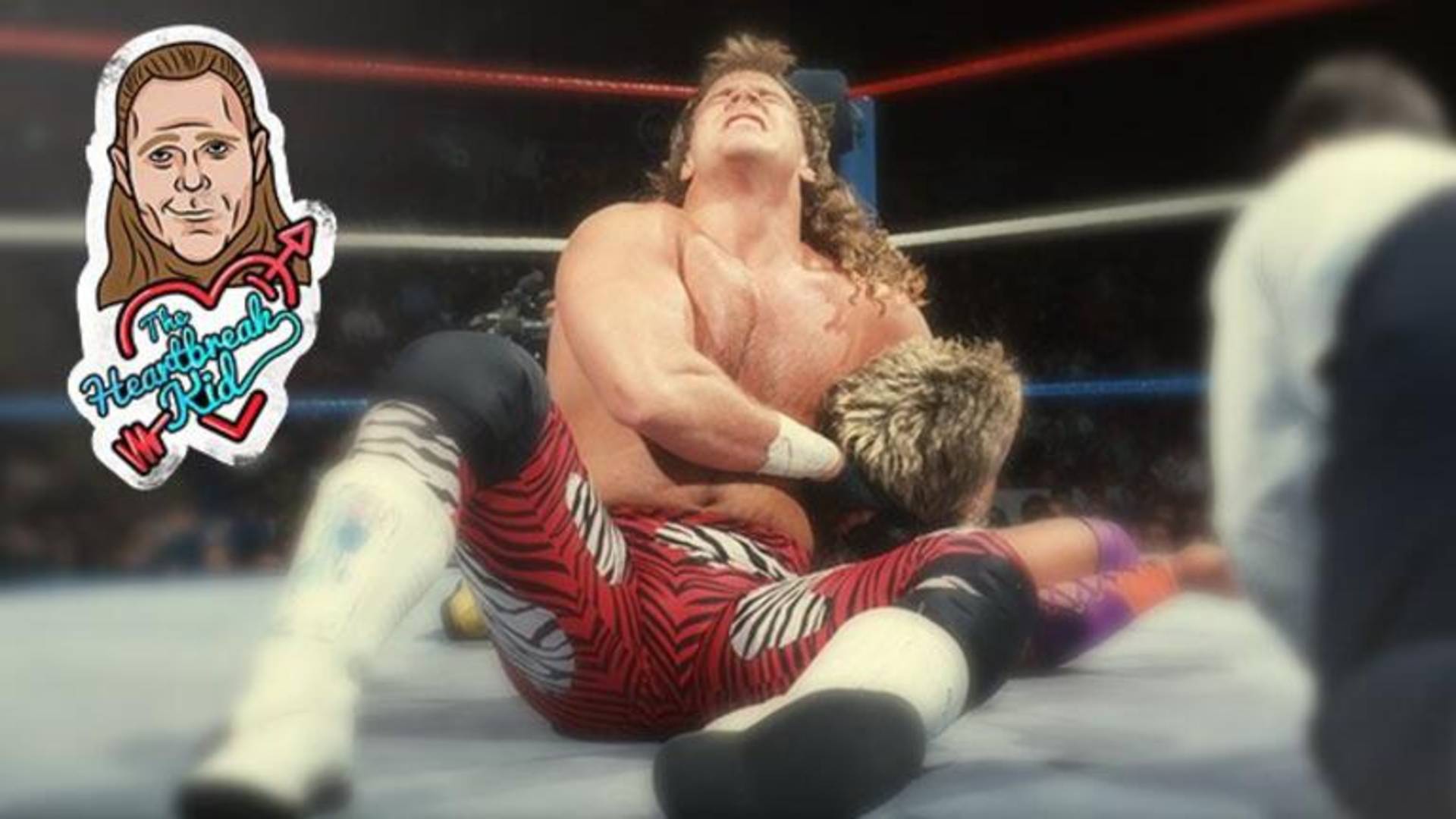
5. The Heartbreak Kid (Shawn Michaels)
Shawn Michaels adopted “The Heartbreak Kid” nickname when he became a solo act in WWE in 1992. The company immediately rebranded him with the moniker in ring graphics, television scripts, and official merchandise. The nickname headlined his theme song, “Sexy Boy,” and remained linked to his brand through his Hall of Fame induction. WWE used this name in all promotional material during Michaels’ championship storylines. “Heartbreak Kid” is cited in WWE Network and A&E biographies.
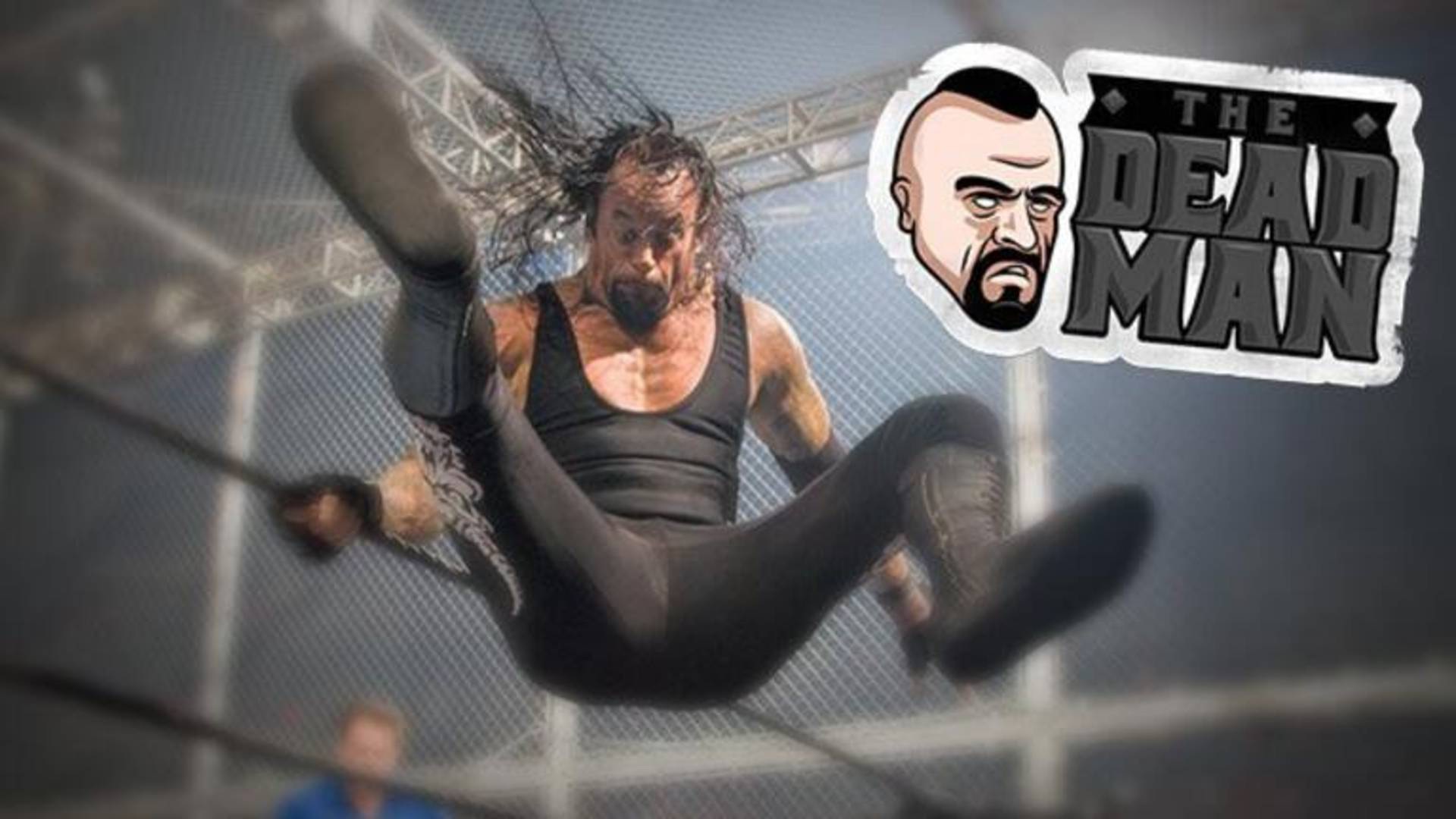
4. The Deadman (The Undertaker)
WWE began calling Mark Calaway “The Deadman” after his 1990 debut as The Undertaker. The nickname referenced his supernatural, undead character and was used in ring announcements, entrance videos, and event graphics. WWE continued to associate “The Deadman” label through all his championship reigns, annual WrestleMania features, and merchandise. Announcers and Superstars referenced the nickname in promos and tribute shows.
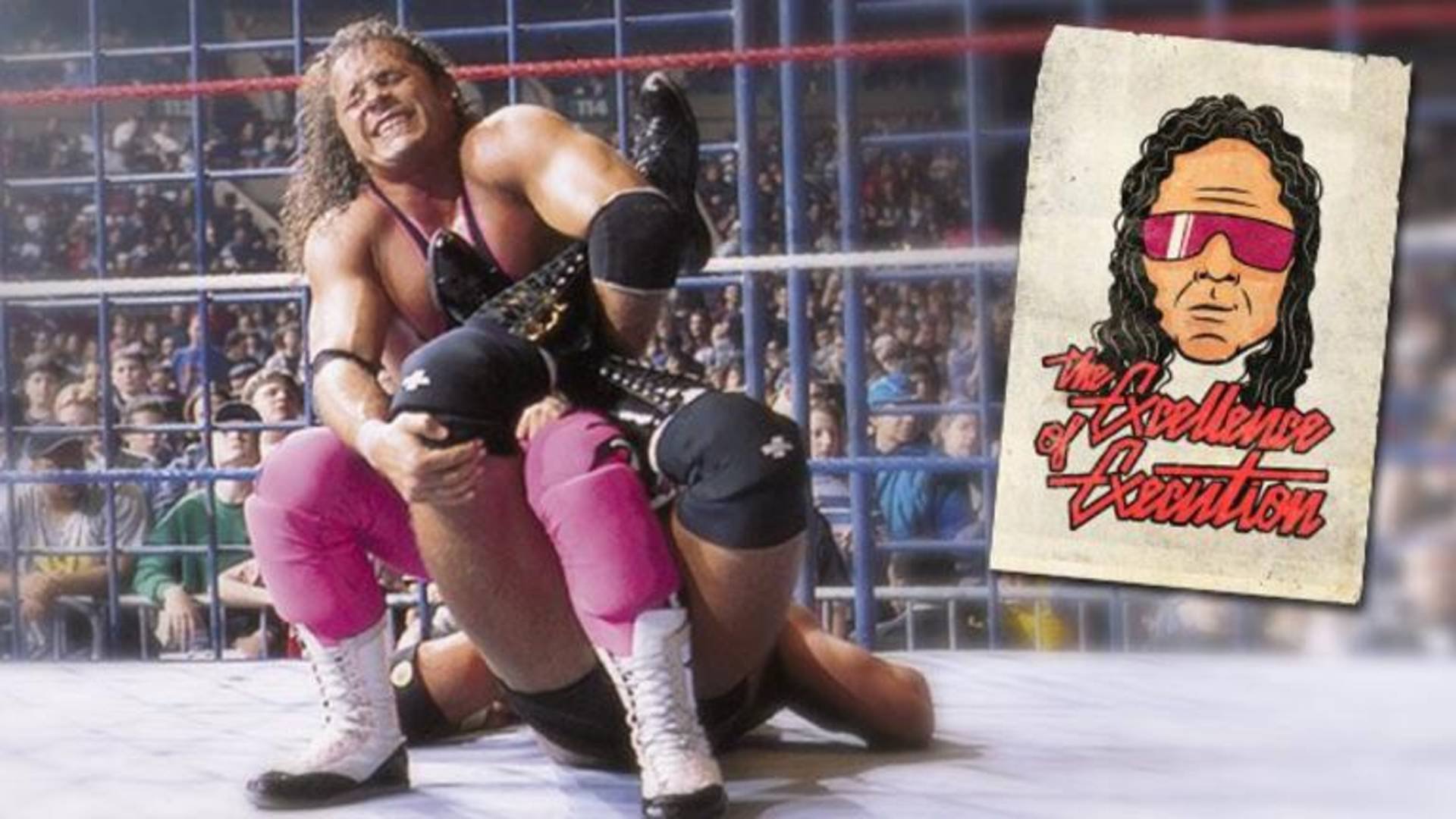
3. The Excellence of Execution (Bret Hart)
Bret Hart was named “The Excellence of Execution” by WWE commentator Gorilla Monsoon in the late 1980s. WWE cited this nickname in match intros, magazine features, and broadcasts. The title refers to Hart’s methodical wrestling style and technical proficiency. Hart’s official action figures, posters, and memorabilia include the phrase.
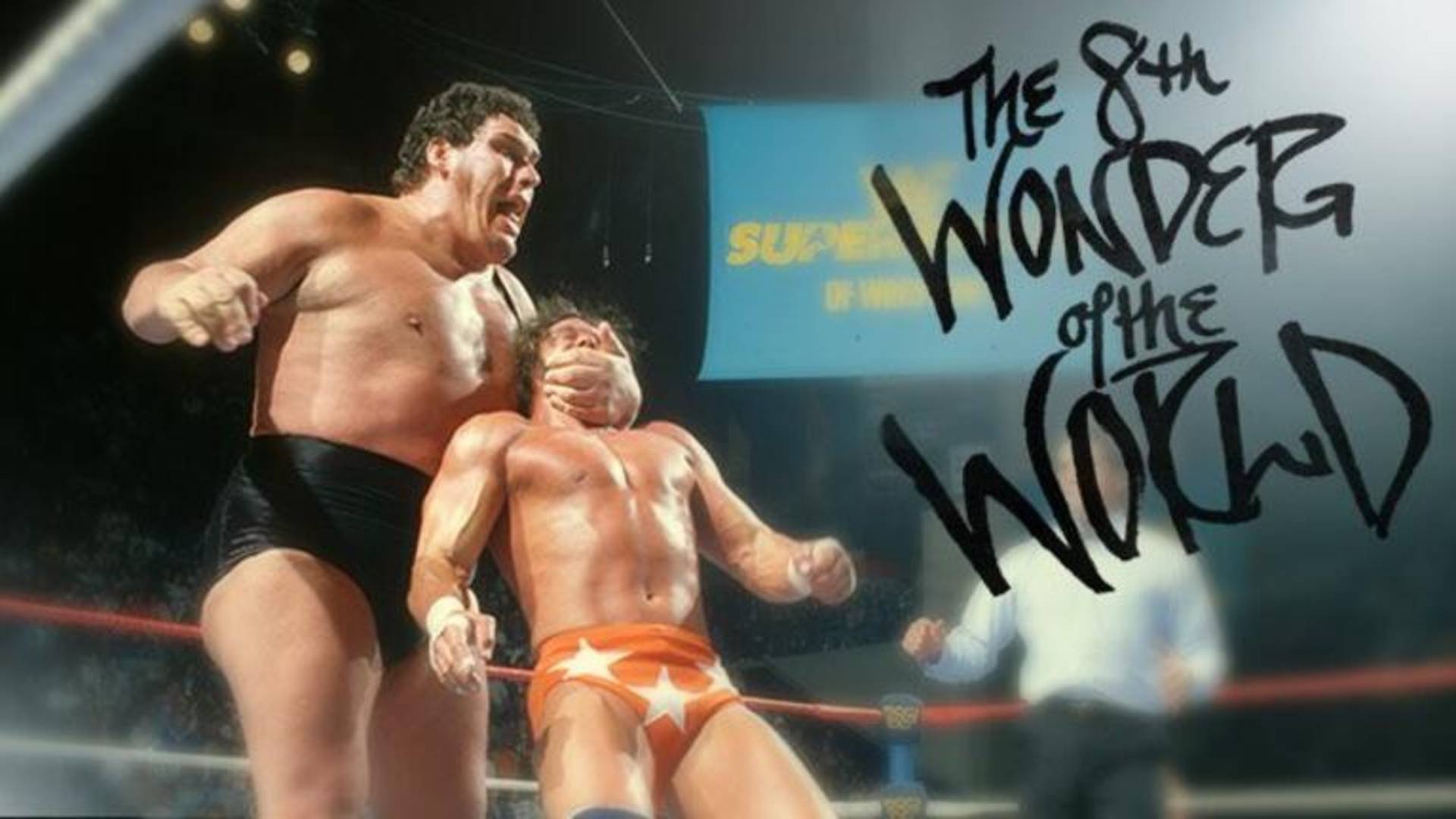
2. The 8th Wonder of the World (Andre The Giant)
WWE branded André the Giant “The 8th Wonder of the World” to reflect his unique size and stature. The nickname was used in promotional materials leading up to WrestleMania III and in all event advertising. WWE and external sources adopted the label for André in program books, toys, and Hall of Fame features. Announcers used the nickname at all major events during the late 1980s. WWE Network and print biographies retain this title for André the Giant.
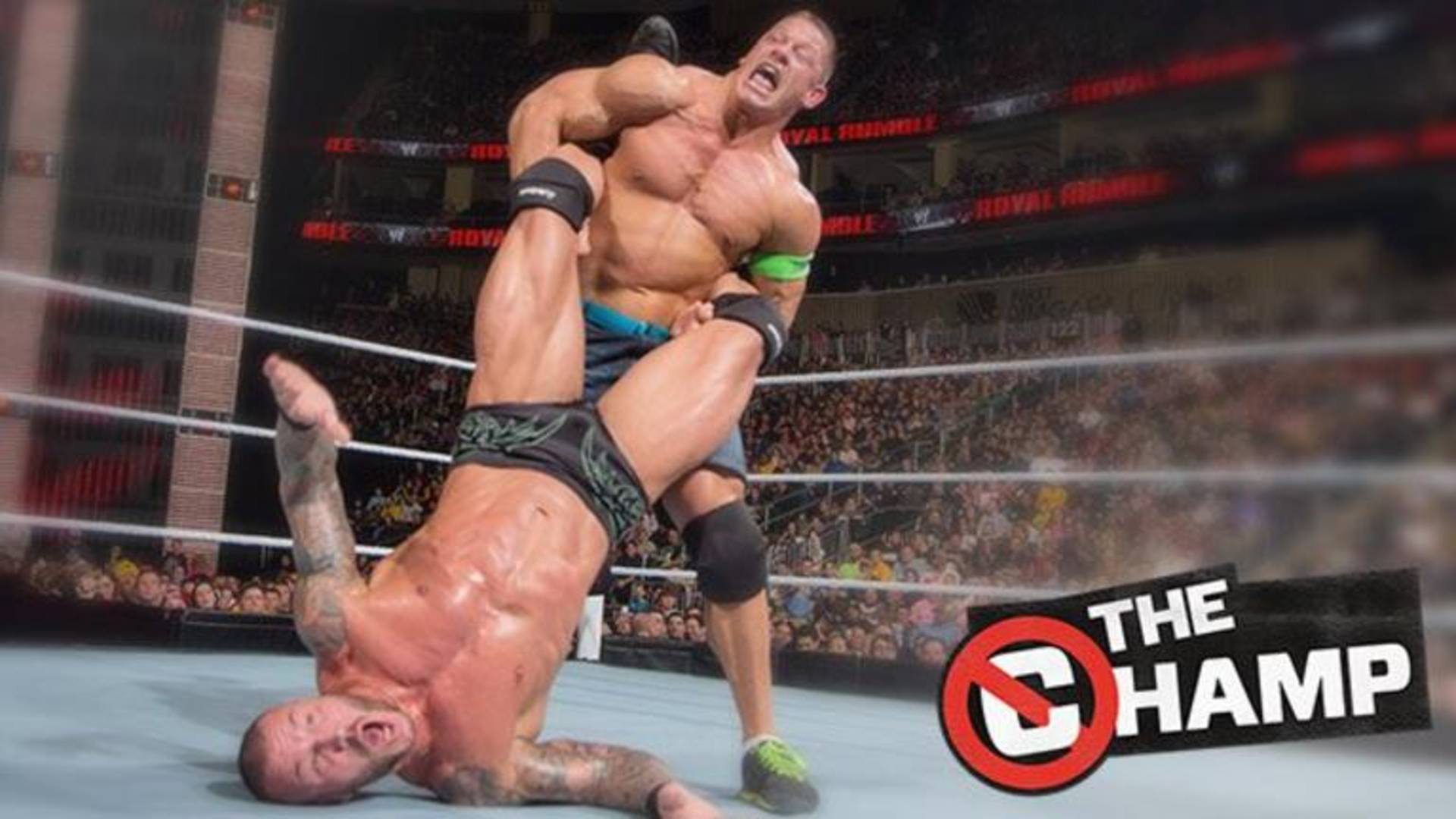
1. The Champ (John Cena)
John Cena used “The Champ” as a self-applied nickname beginning in 2005 after winning the WWE Championship at WrestleMania 21. The nickname featured in entrance videos, merchandise, and Cena’s catchphrases. WWE commentary and promos consistently referred to him as “The Champ” during title reigns. Cena appeared in advertising campaigns for WWE-branded products with the same nickname. “The Champ” headline remains in Hall of Fame documentation and all historic WWE achievements.