
Top 25 WWE Finishing Moves
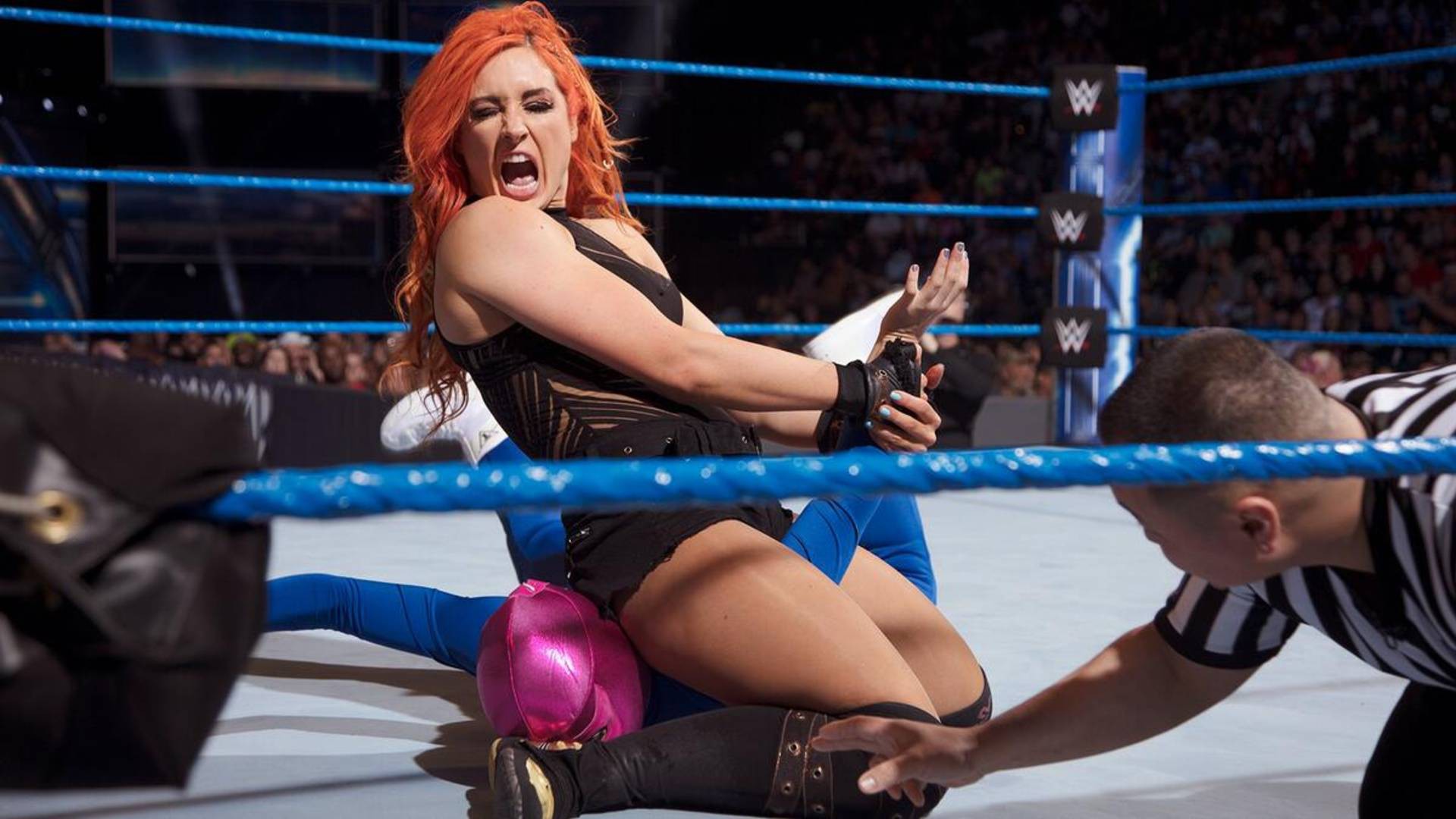
25- Becky Lynch’s Dis-Arm-Her
Becky Lynch's "Dis-Arm-Her" is a modified Fujiwara Armbar, one of her signature submission finishers. The maneuver sees Lynch kneel over a facedown opponent, isolating one arm, and applying a step-over armlock. She uses her legs and body to apply leverage, bending the opponent's arm back at a severe angle across her thigh, forcing a tap-out from intense joint pressure. The pun-based name reinforces her "The Man" persona.
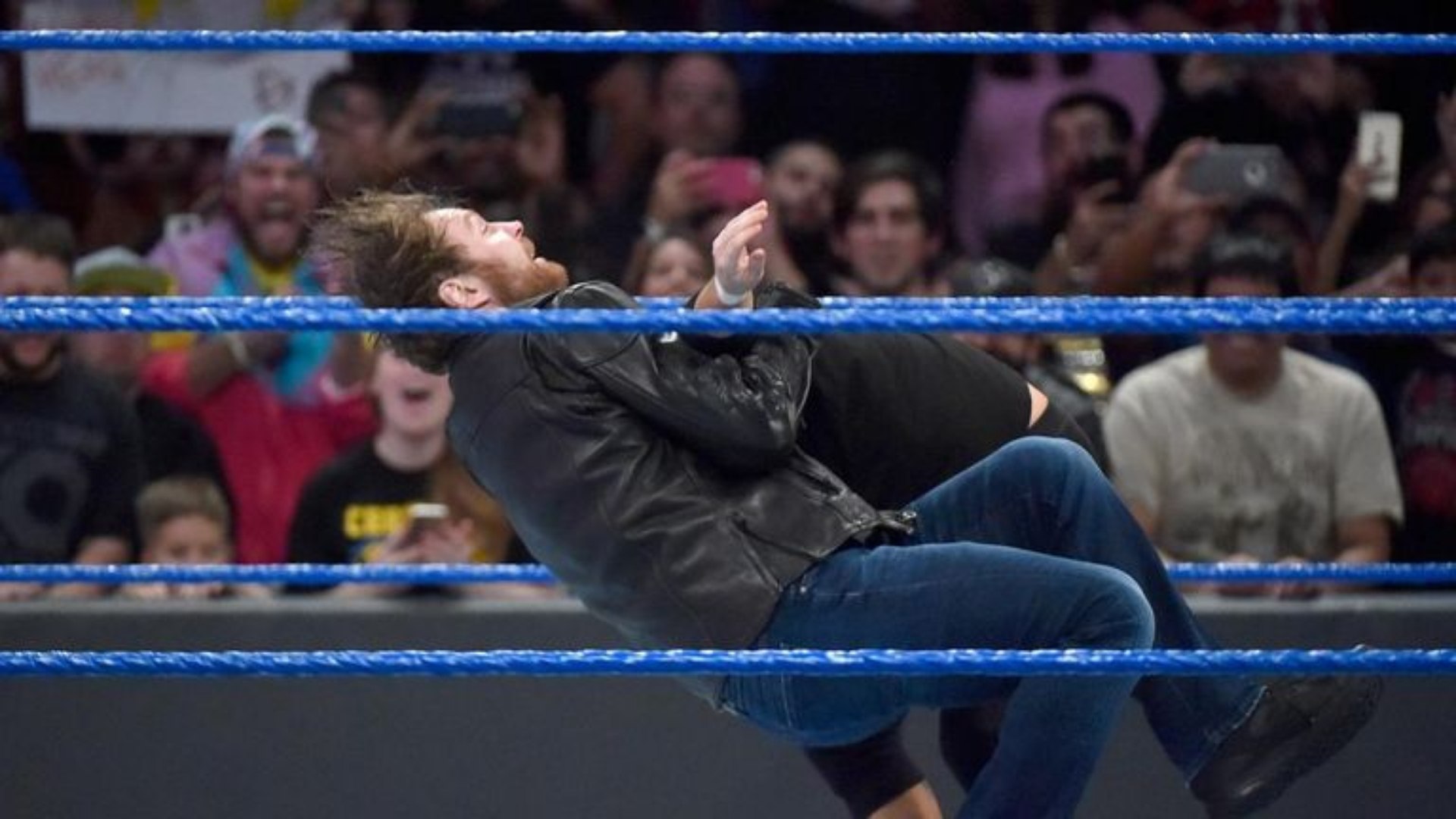
24- Dean Ambrose’s Dirty Deeds
Dean Ambrose’s Dirty Deeds is a double-arm DDT delivering a hard drop to the opponent’s head. Initially debuted with a front facelock style, it later evolved into the quick snap form used on SmackDown. It reflects Ambrose’s brawling, unpredictable nature. The move ended key matches during his WWE Title run in 2016. Its simplicity and realism made it an ideal closer for The Lunatic Fringe persona.
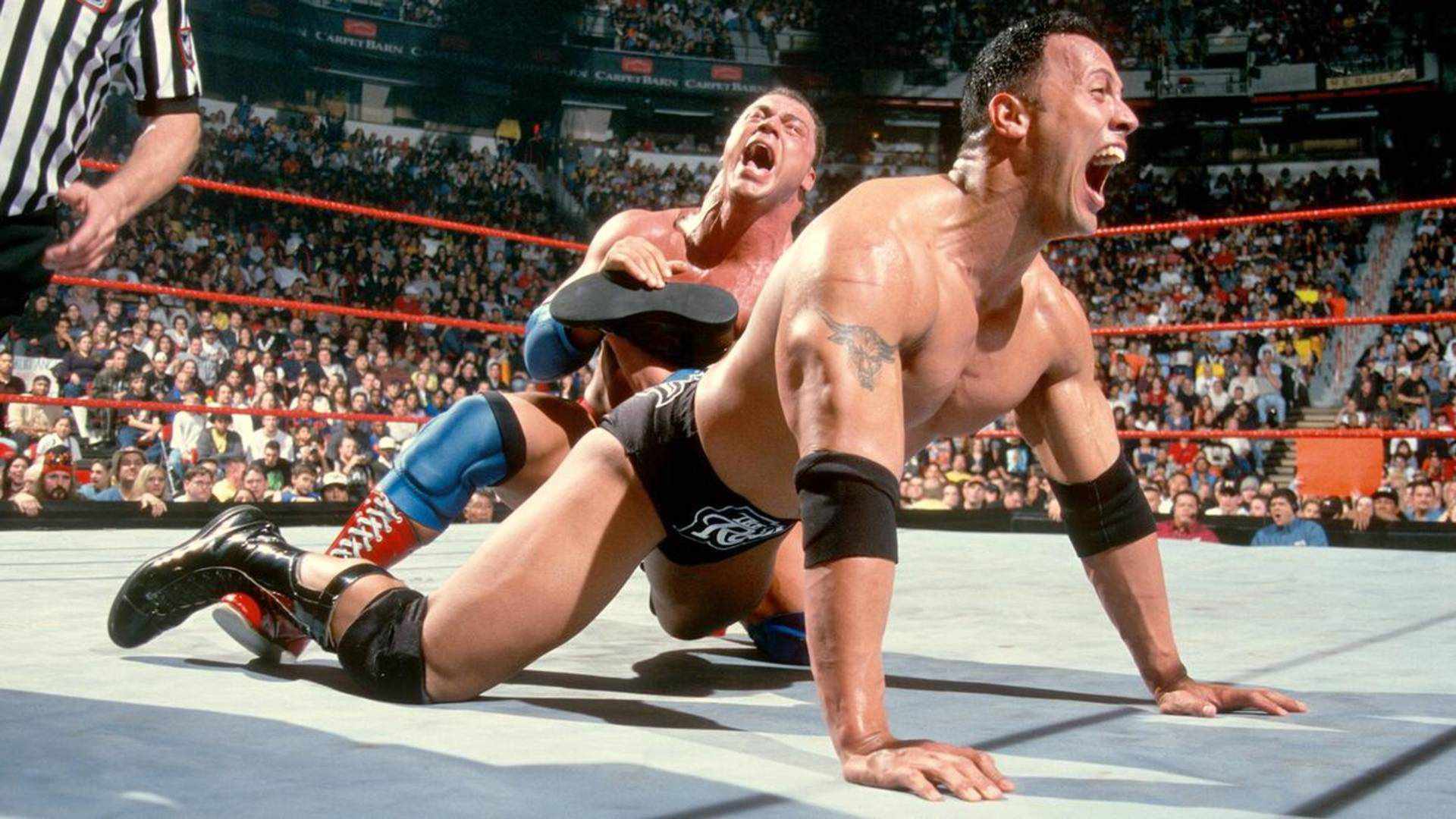
23- Kurt Angle’s The Ankle Lock
Kurt Angle popularized the Ankle Lock submission after borrowing the idea from Ken Shamrock. The Olympic Gold Medalist used the hold to target opponents’ ankles and force realistic-looking tap-outs. Angle’s version stood out due to his grapevine modification, adding intense leg pressure. Many of his WWE title matches, including his classic bouts with Brock Lesnar and Shawn Michaels, ended using this move. It perfectly suited his amateur wrestling background and precision grappling style.
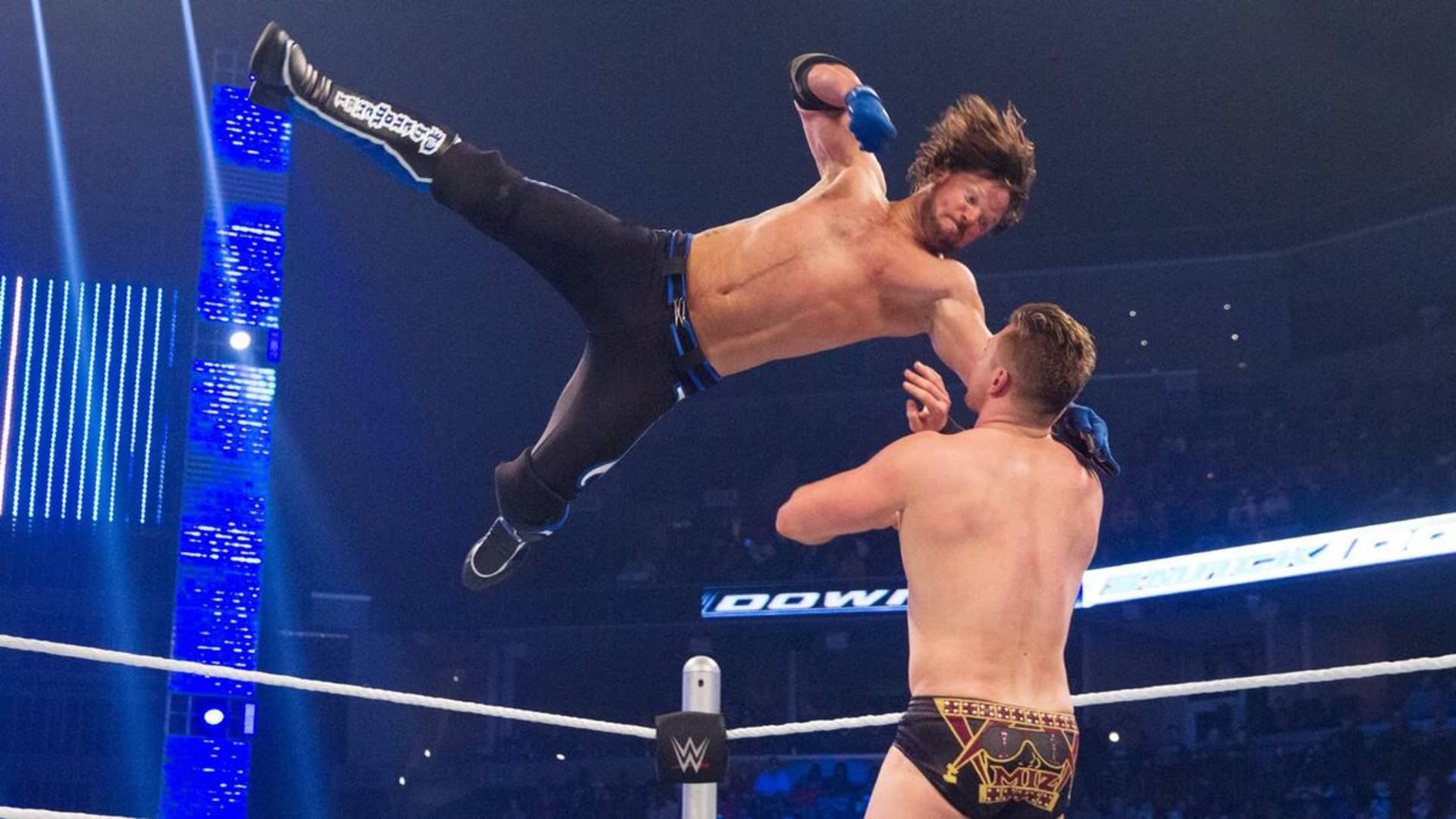
22- AJ Styles’ Phenomenal Forearm
AJ Styles’ Phenomenal Forearm is a springboard diving elbow strike executed with remarkable precision and agility. He typically uses it as his match-ending maneuver in WWE and NJPW. The setup involves leaping off the middle rope to deliver a flying forearm smash to the opponent’s head. Its timing and elevation make it a visually striking move that defines Styles’ “Phenomenal” nickname. Major victories over John Cena and Finn Bálor showcased the move’s decisive impact.
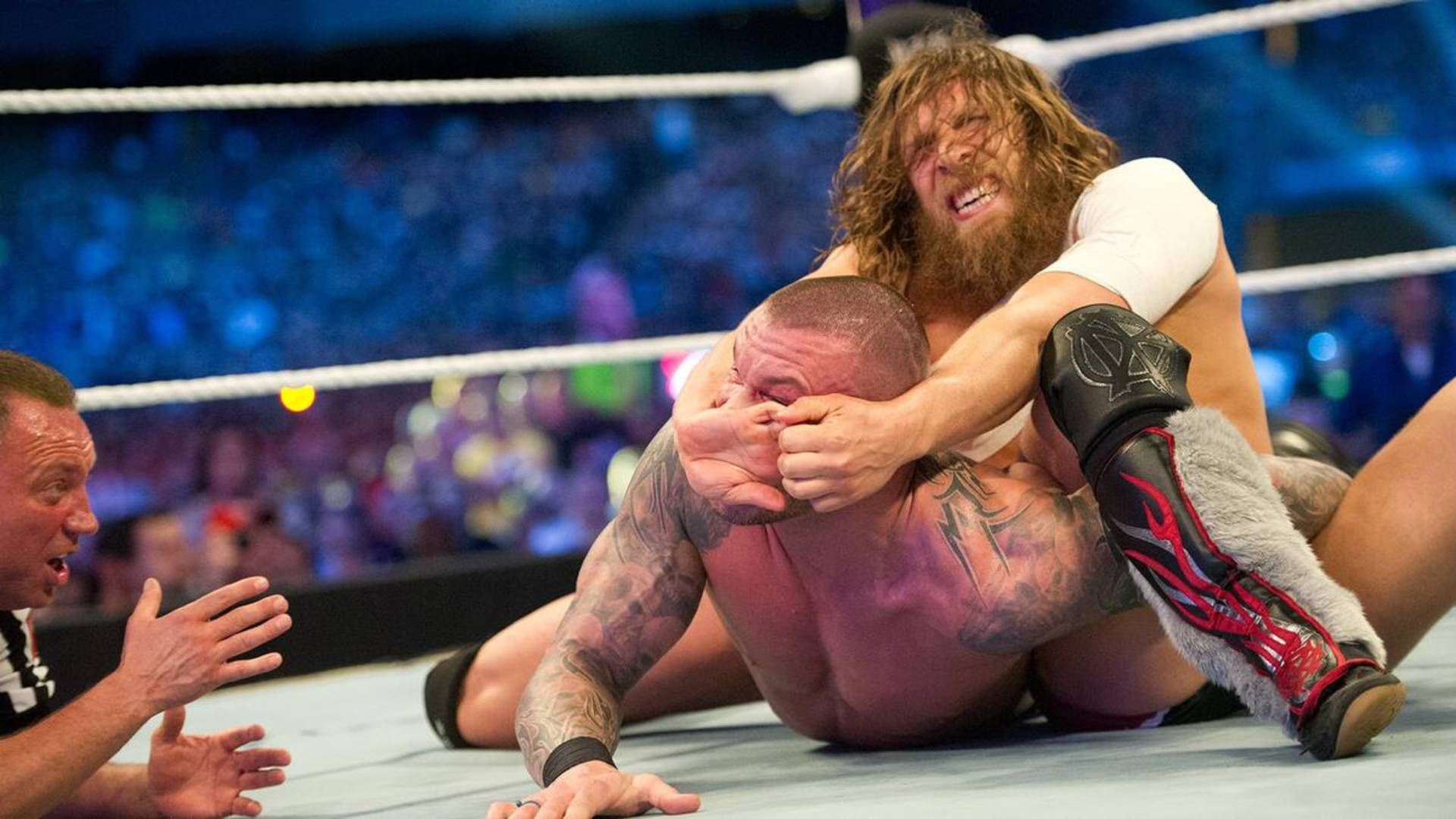
21- Daniel Bryan’s Yes Lock Submission
Daniel Bryan’s “Yes Lock” is a hybrid crossface submission combining technical and grappling influence from Chris Benoit’s Crippler Crossface. It became famous during his “Yes Movement” run in WWE, symbolizing grit and resilience. Bryan often transitions into the hold after trapping arms to limit escape chances. The move secured key wins at WrestleMania XXX and various PLE events in the past. Its visual struggle mirrors his underdog persona and technical mastery.
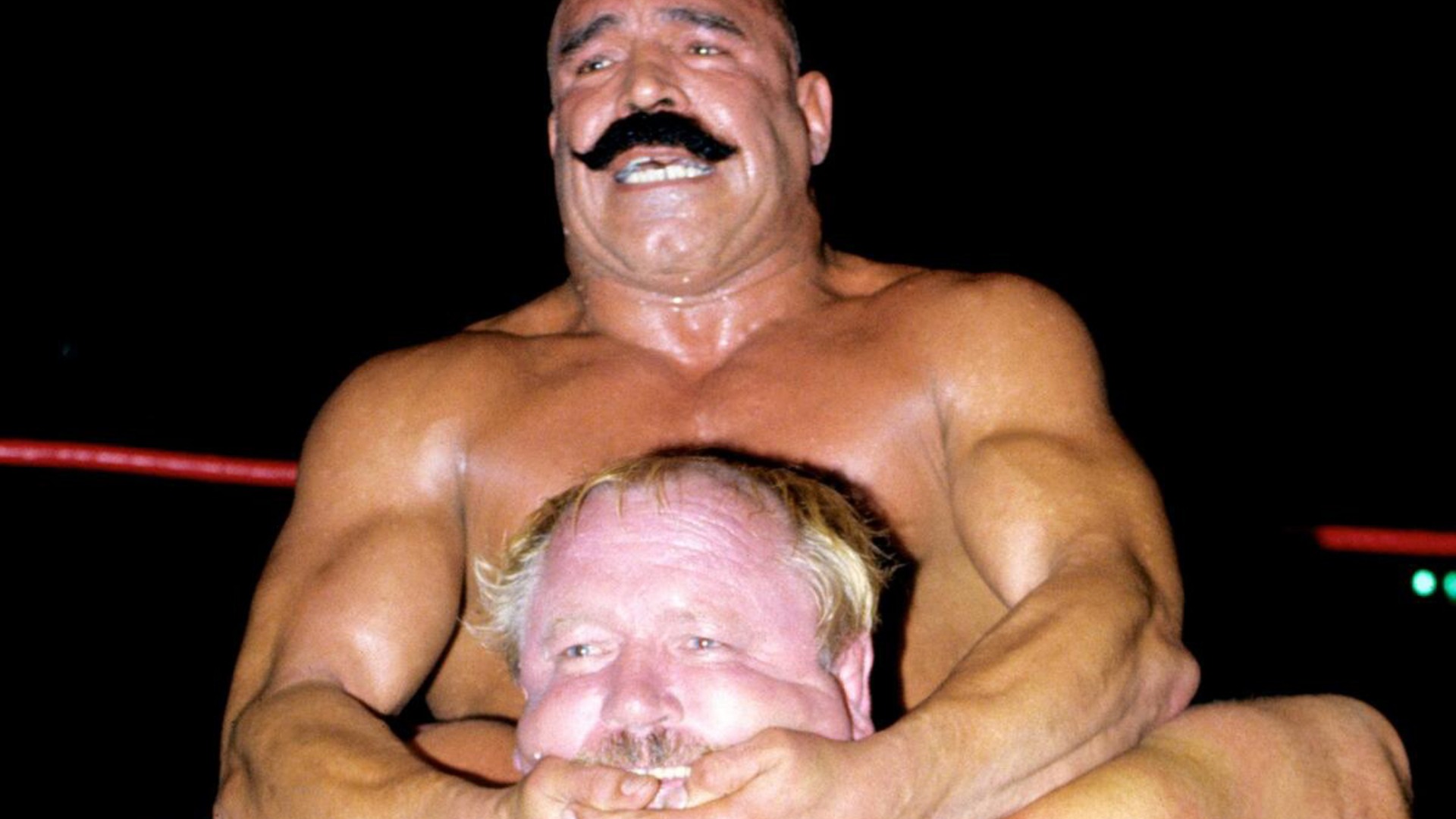
20- Iron Sheik’s Camel Clutch
The Iron Sheik’s Camel Clutch became one of wrestling’s most iconic submission holds during the 1980s. The move involves sitting on the opponent’s back, pulling their chin to bend the spine painfully. Sheik famously used it to defeat Bob Backlund and capture the WWF Championship in 1983. Its brutal presentation fit his villainous foreign-heel persona perfectly. The Camel Clutch remains synonymous with Sheik and inspired variations used by later stars like Rusev.
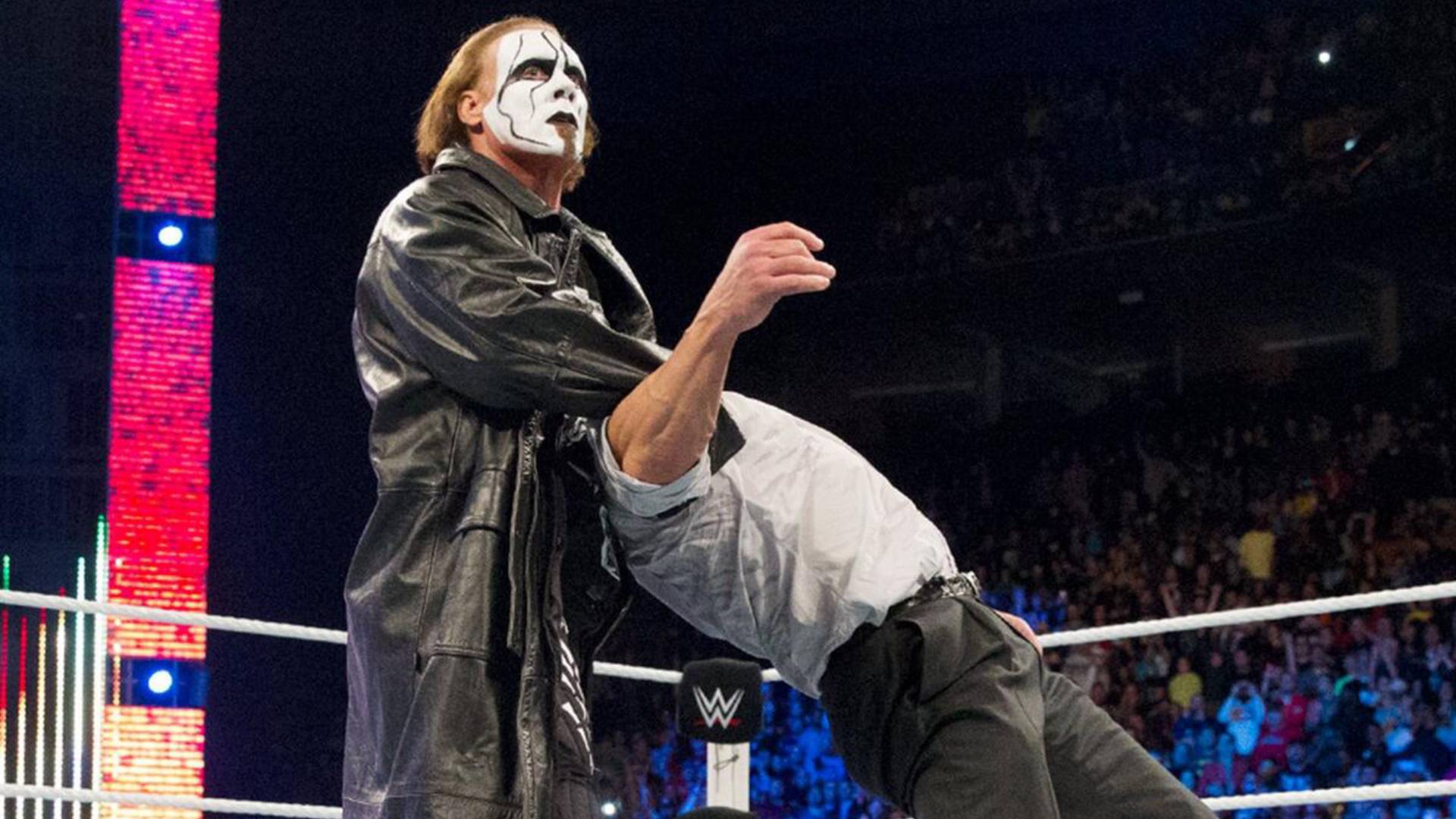
19- Sting’s Scprpion Death Drop
Sting’s “Scorpion Death Drop” is an inverted DDT that perfectly matched his darker Crow-era persona. Introduced in WCW during the mid-1990s, it replaced his earlier more colorful offensive repertoire. Sting transitioned suddenly from a grapple into the drop, stunning crowds with its surprise execution. It was used to end major matches against Hollywood Hogan and Kevin Nash. Its simplicity and speed made it both believable and crowd-pleasing.
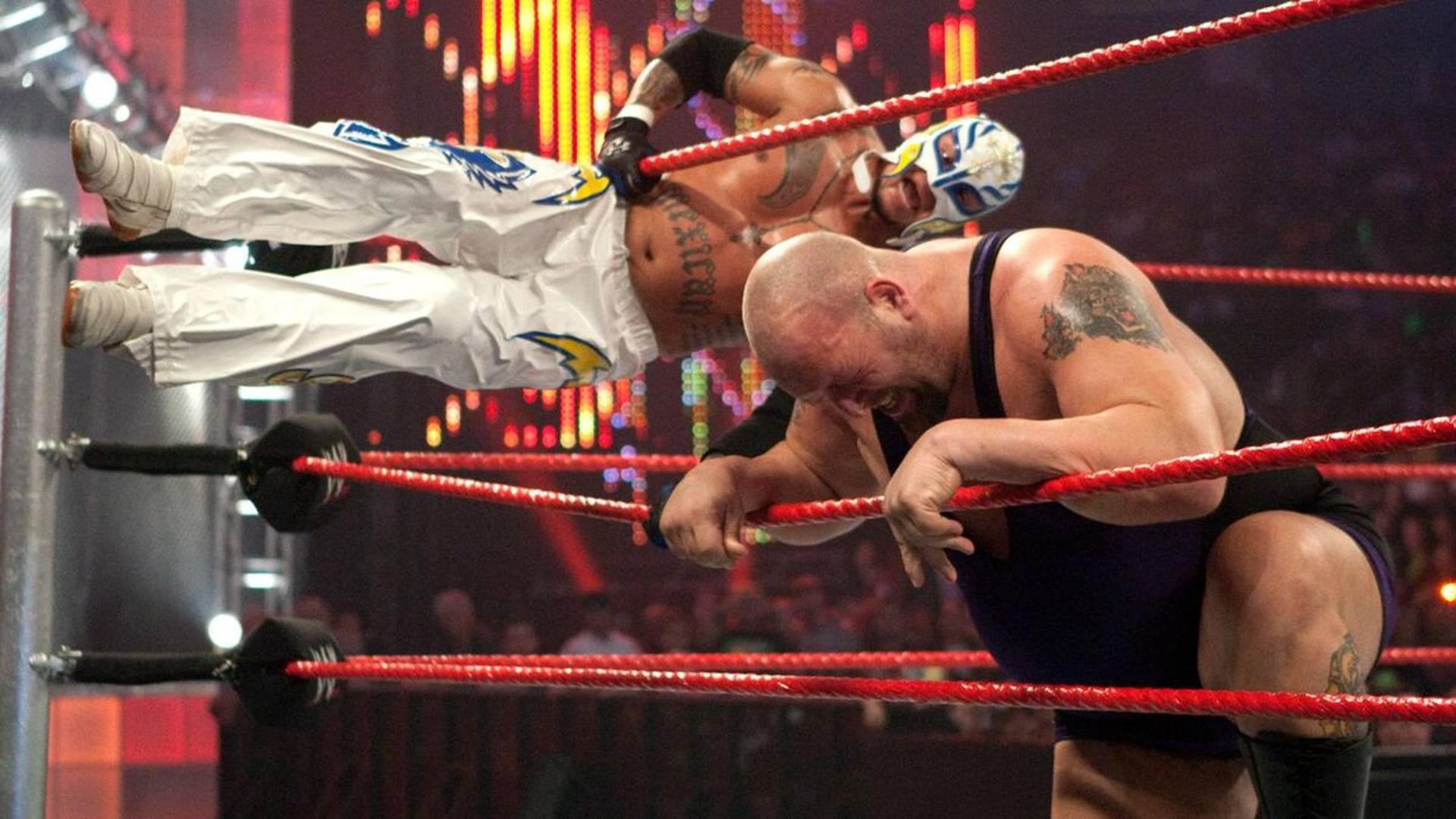
18- Rey Mysterio’s 619
Rey Mysterio’s 619 has become one of modern wrestling’s most recognizable moves. Named after San Diego’s area code, the move’s setup involves swinging around the ring ropes to kick an opponent’s face. It showcases Mysterio’s unique blend of lucha libre agility and timing precision. The 619 often leads directly into his aerial finisher, the Frog Splash or Drop the Dime. It remains central to Mysterio’s performances across WWE and international rings.
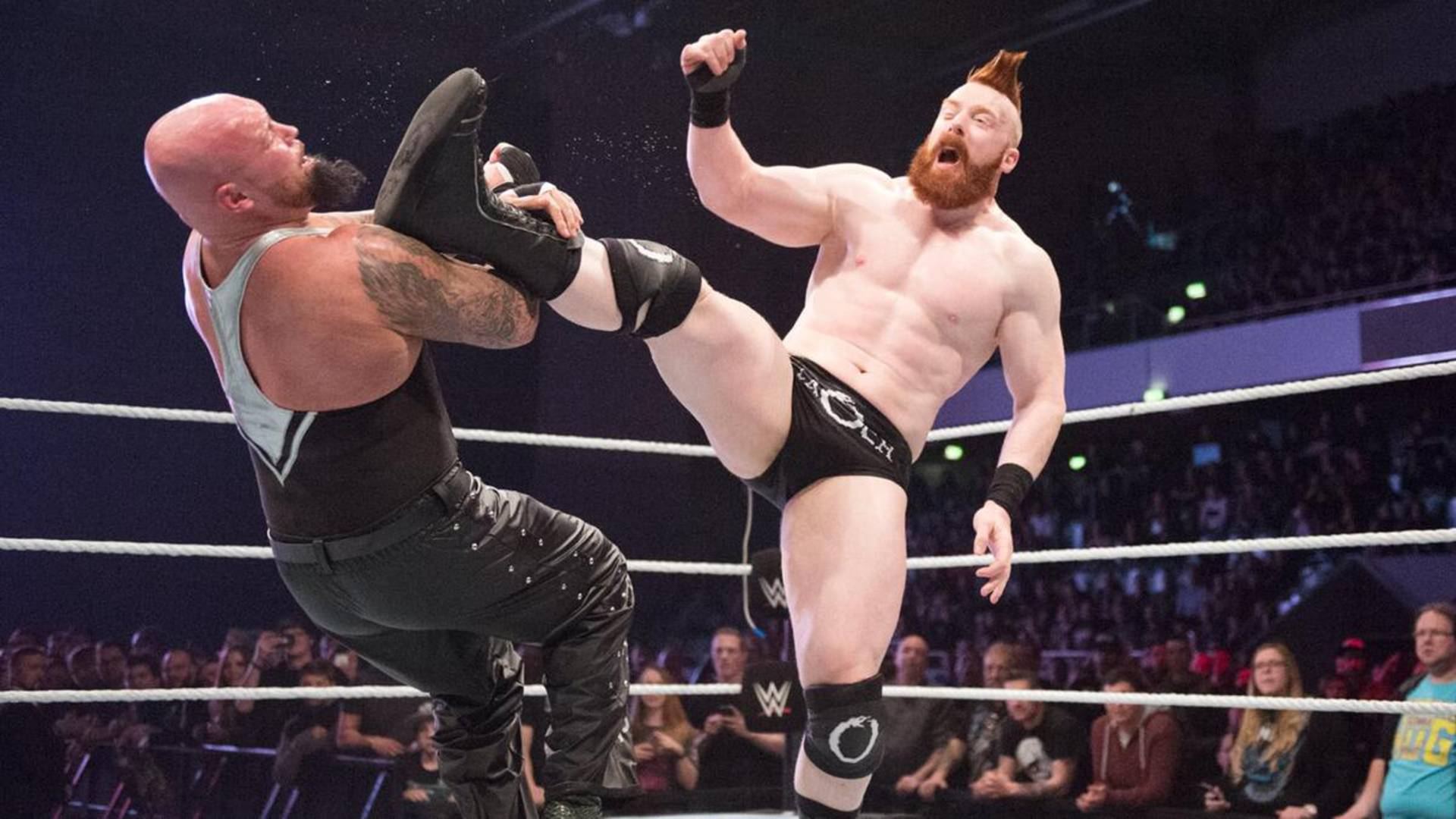
17- Sheamus’ Brogue Kick
Sheamus’ Brogue Kick is a running single-leg big boot delivered directly to an opponent’s face or chest. It debuted in WWE around 2010, fast becoming his main knockout strike. The move emphasizes Sheamus’ brute power and timing, often used as a sudden match-ender. Notable victims include Daniel Bryan in the 18-second victory at WrestleMania 28. Its clean simplicity makes it one of the most dependable power finishers in WWE.
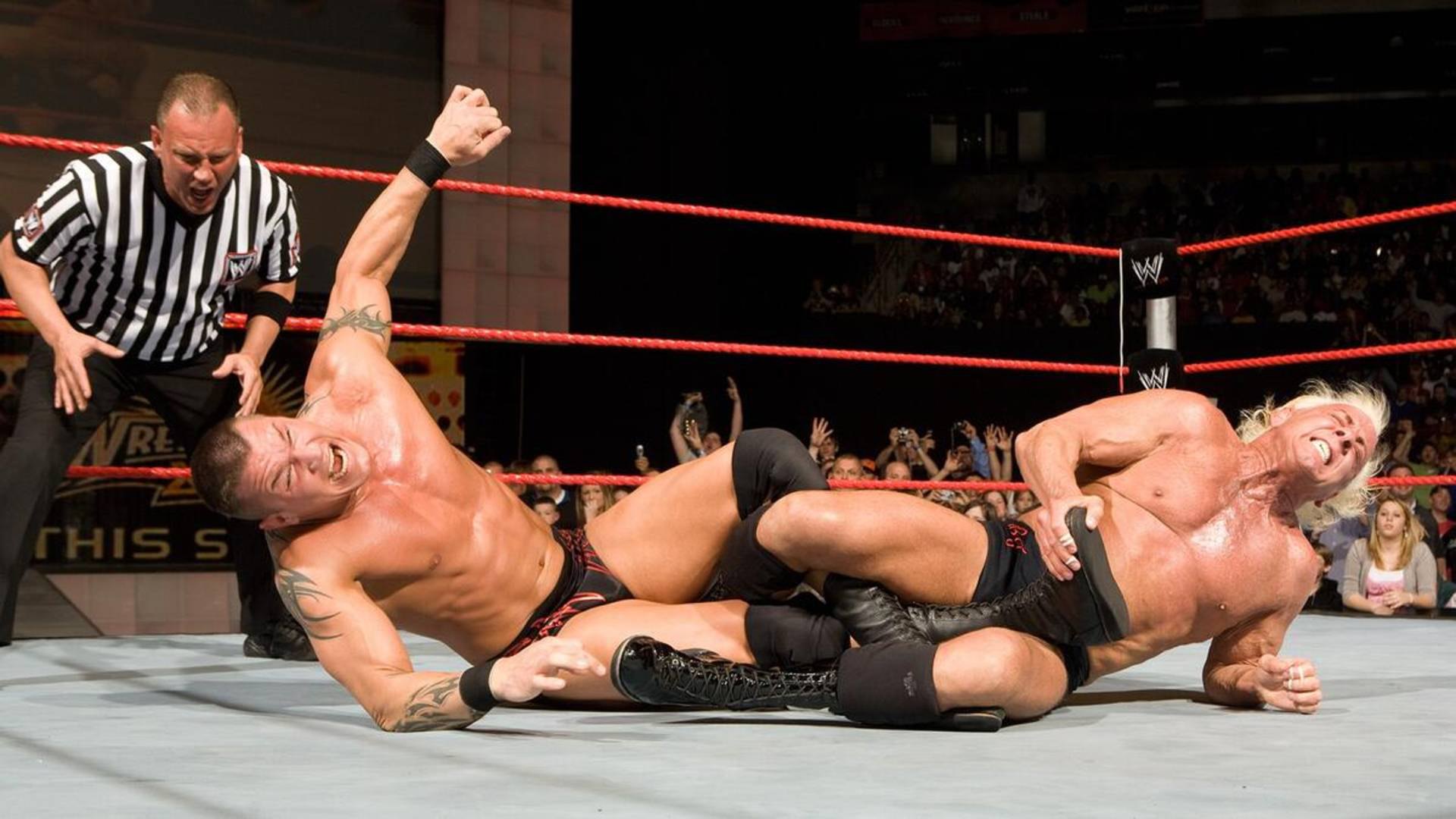
16- Ric Flair’s Figure-Four Leglock
Ric Flair’s trademark Figure-Four Leglock remains one of wrestling’s most enduring submission holds. Adopted from Buddy Rogers, Flair perfected it through dramatic ring storytelling. He focused on damaging opponents’ legs throughout matches before applying the hold. The submission became emblematic of Flair’s “Dirtiest Player in the Game” persona, often assisted by rope leverage. Despite many reversals by rivals, it remains synonymous with his Hall of Fame legacy.
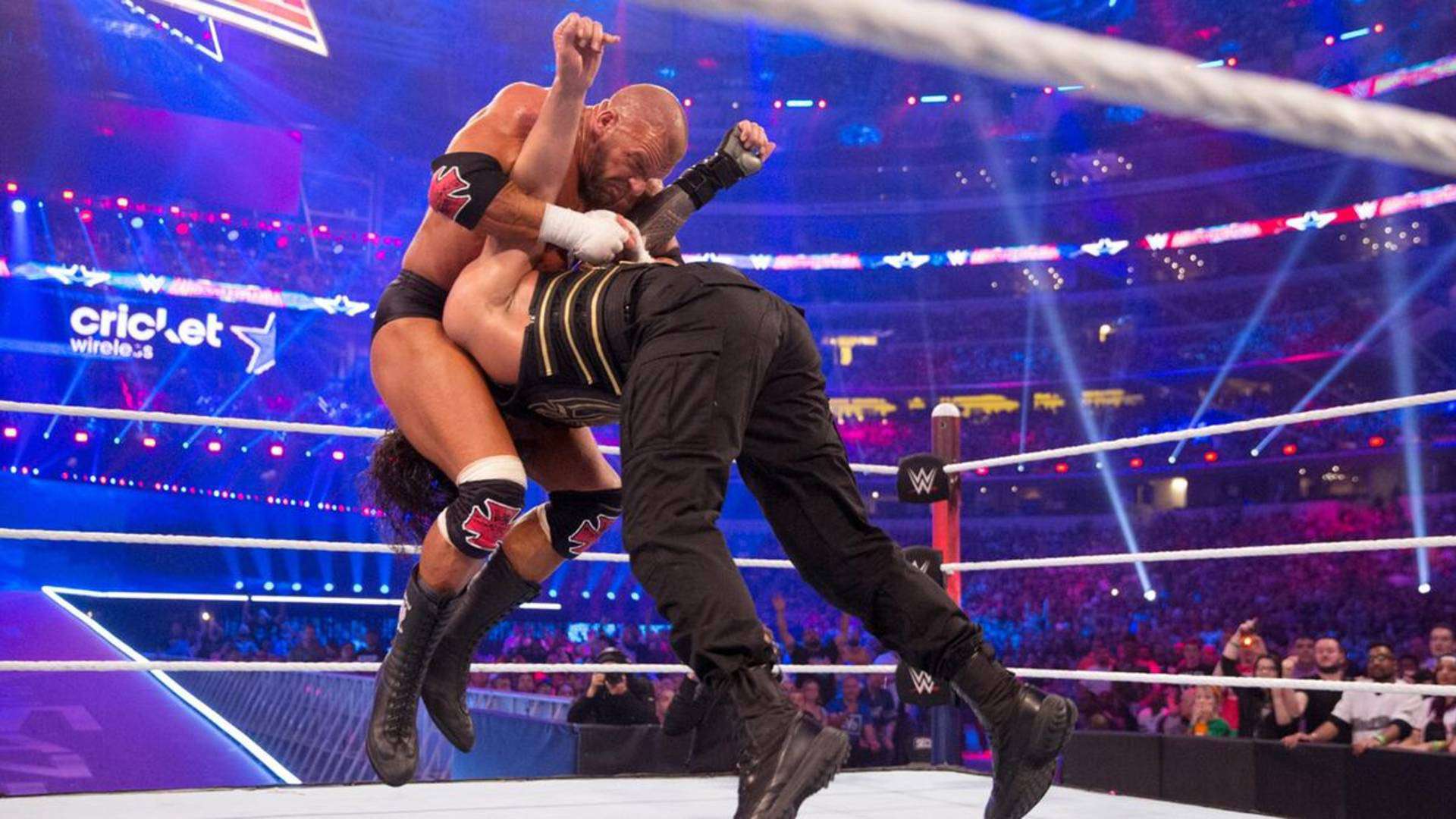
15- Triple H’s Pedigree
Triple H’s Pedigree is a double underhook facebuster executed by planting opponents head-first onto the mat. Introduced during his early 1990s “Blueblood” gimmick, it gained true prominence in his Evolution era. The move conveyed dominance and technical precision consistent with his cerebral character. He used it to win numerous world titles and major pay-per-view bouts. It remains one of WWE’s most respected and protected finishers.
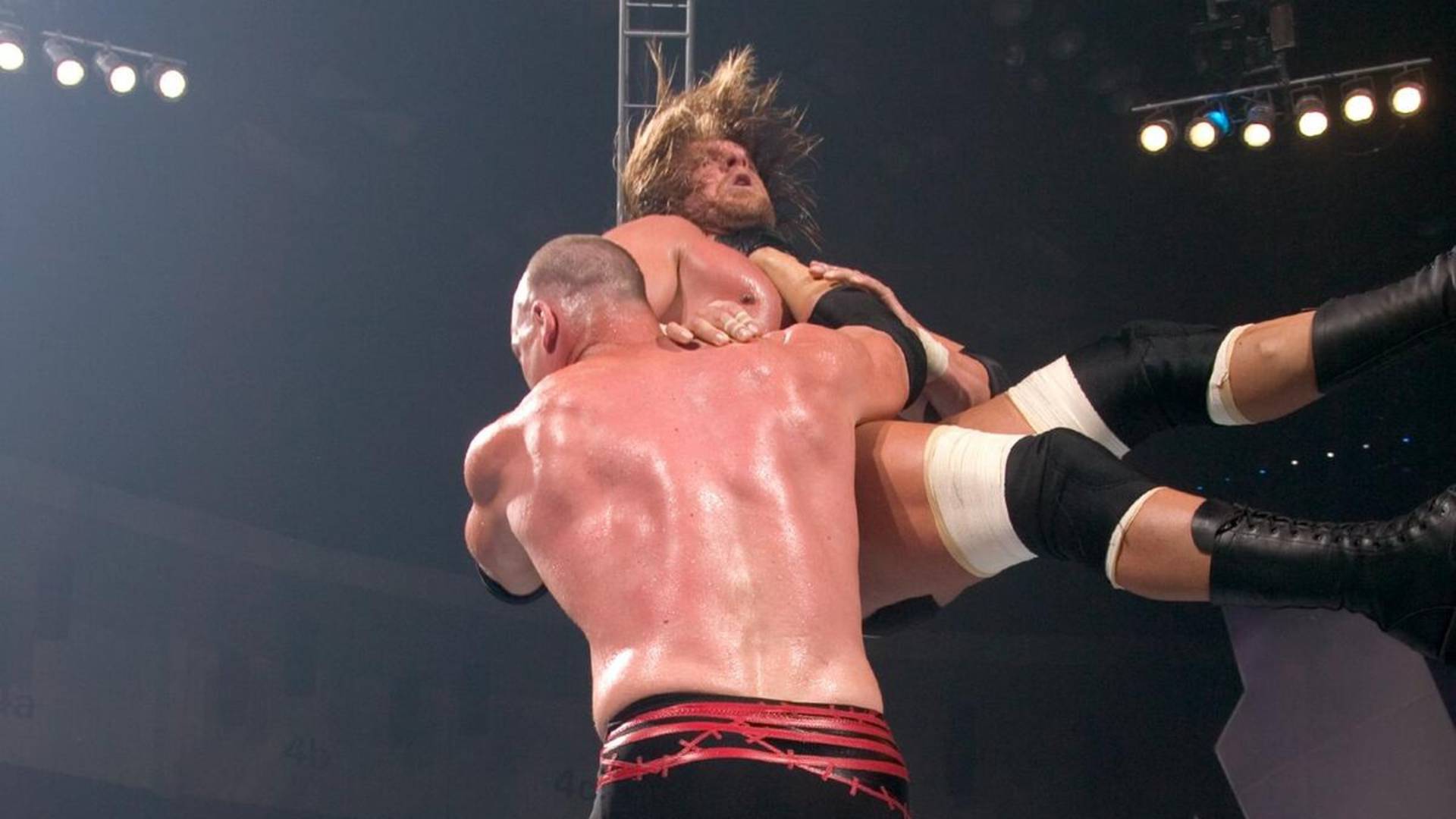
14- Kane’s Chokeslam
Kane’s Chokeslam is one of the most dominant power moves in WWE history. The Big Red Machine sends opponents crashing from high above with immense force. It became a symbol of his monstrous persona, often signaling match closure. Kane executed variations, single-arm or double-hand, depending on his opponent’s size. From Undertaker to Big Show, countless main-eventers have fallen victim to its devastating execution.
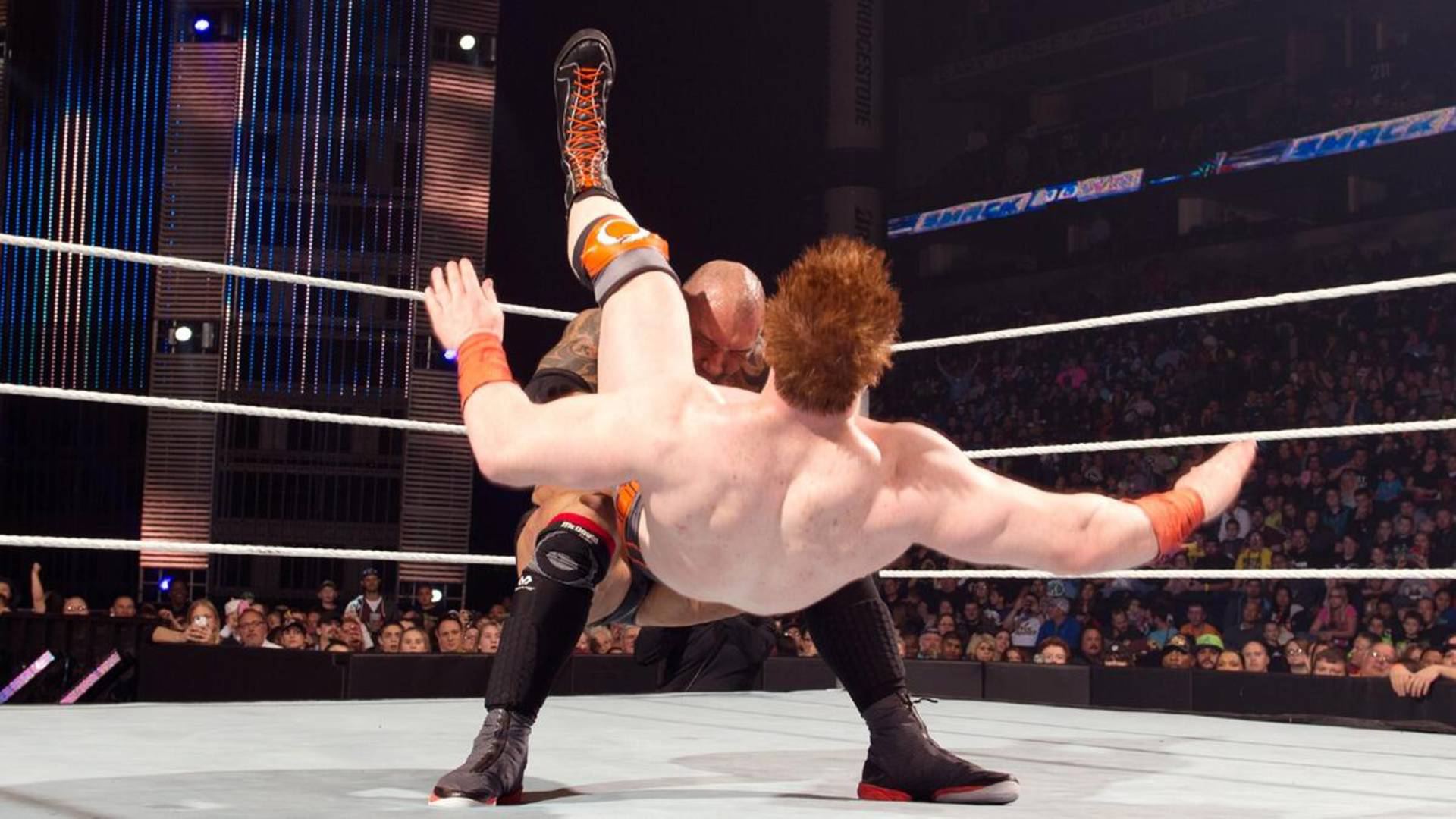
13- Batista’s Sit-Out Powerbomb
Also known as the “Batista Bomb,” this finishing move underscores pure power delivery. Batista lifts his opponents to shoulder height before slamming them in a seated position. The impact and pose that follows highlight his intensity and control. Many of his World Heavyweight Championship wins came via this move, especially against Triple H, The Undertaker, and Randy Orton. Its explosiveness consistently drew some of the loudest reactions of the 2000s.
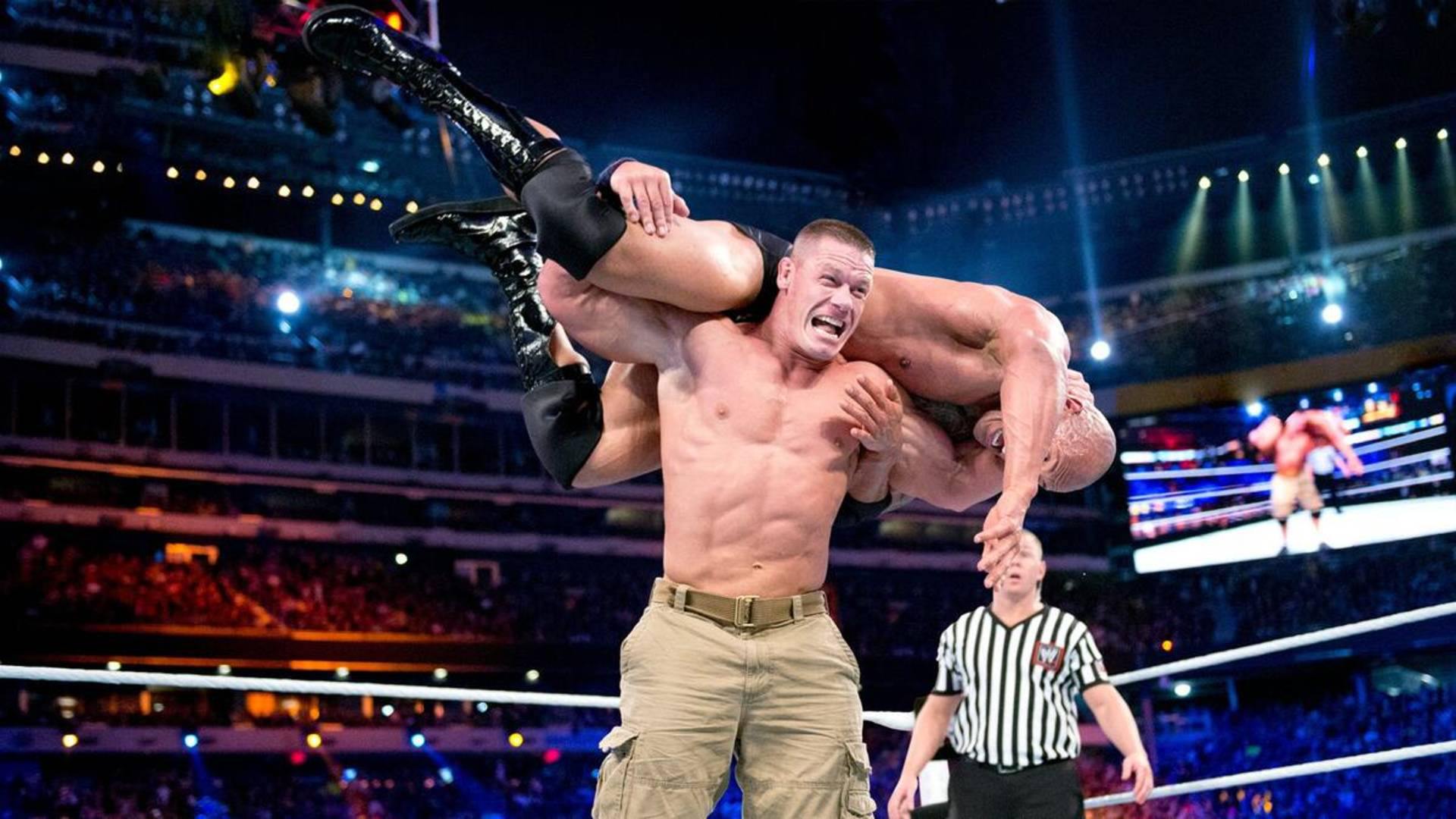
12- John Cena’s Attitude Adjustment
The Attitude Adjustment, formerly called the FU, became John Cena’s definitive finisher during his rise to superstardom. The move is a fireman’s carry slam symbolizing his never-give-up mentality. Cena used it in dozens of WrestleMania and championship victories over major names like Edge, Brock Lesnar, and Randy Orton. Its power comes from Cena’s core strength and ability to lift even heavy opponents like Big Show. It remains one of the most-used and protected finishers in modern WWE.
11- Goldberg’s Jackhammer
Goldberg’s Jackhammer combines a vertical suplex lift with a forceful body slam, displaying sheer power. It served as the final blow after his signature Spear, completing an unstoppable combination. He first introduced it in WCW, where his undefeated streak relied heavily on it. The move’s impact and lift duration emphasized Goldberg’s athleticism and crowd-commanding presence. Every execution looked convincing, making it a staple of his explosive match style.
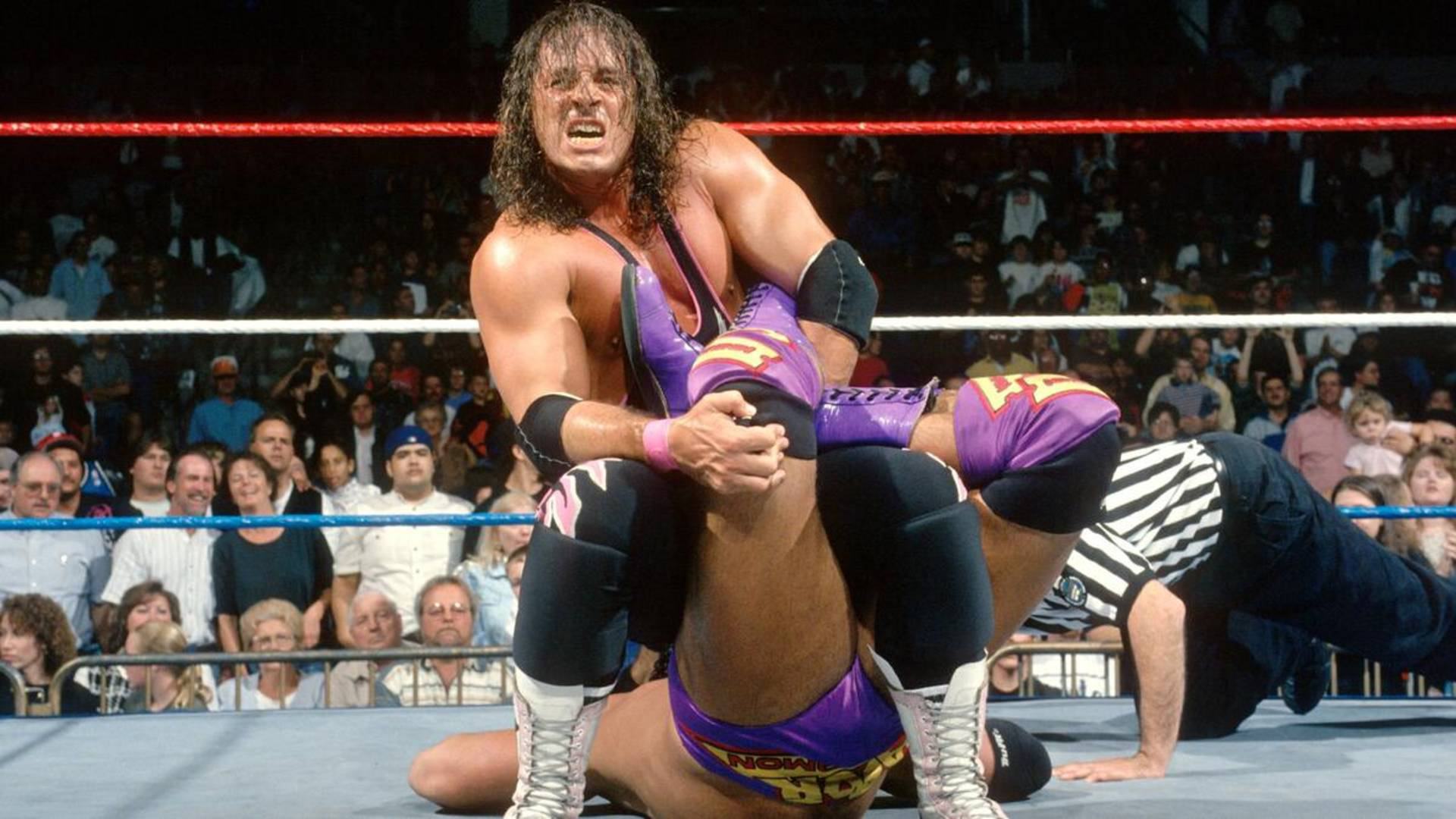
10- Bret Hart’s The Sharpshooter
Bret “The Hitman” Hart perfected the Sharpshooter, a move taught by his father Stu Hart. It’s a leg submission hold focusing on the lower back and knees, executed with technical precision. The hold became central to Hart’s in-ring storytelling as a meticulous strategist. The Sharpshooter played a key role in the infamous “Montreal Screwjob” of 1997. Its clean execution and emotional association make it one of wrestling’s most respected submissions.
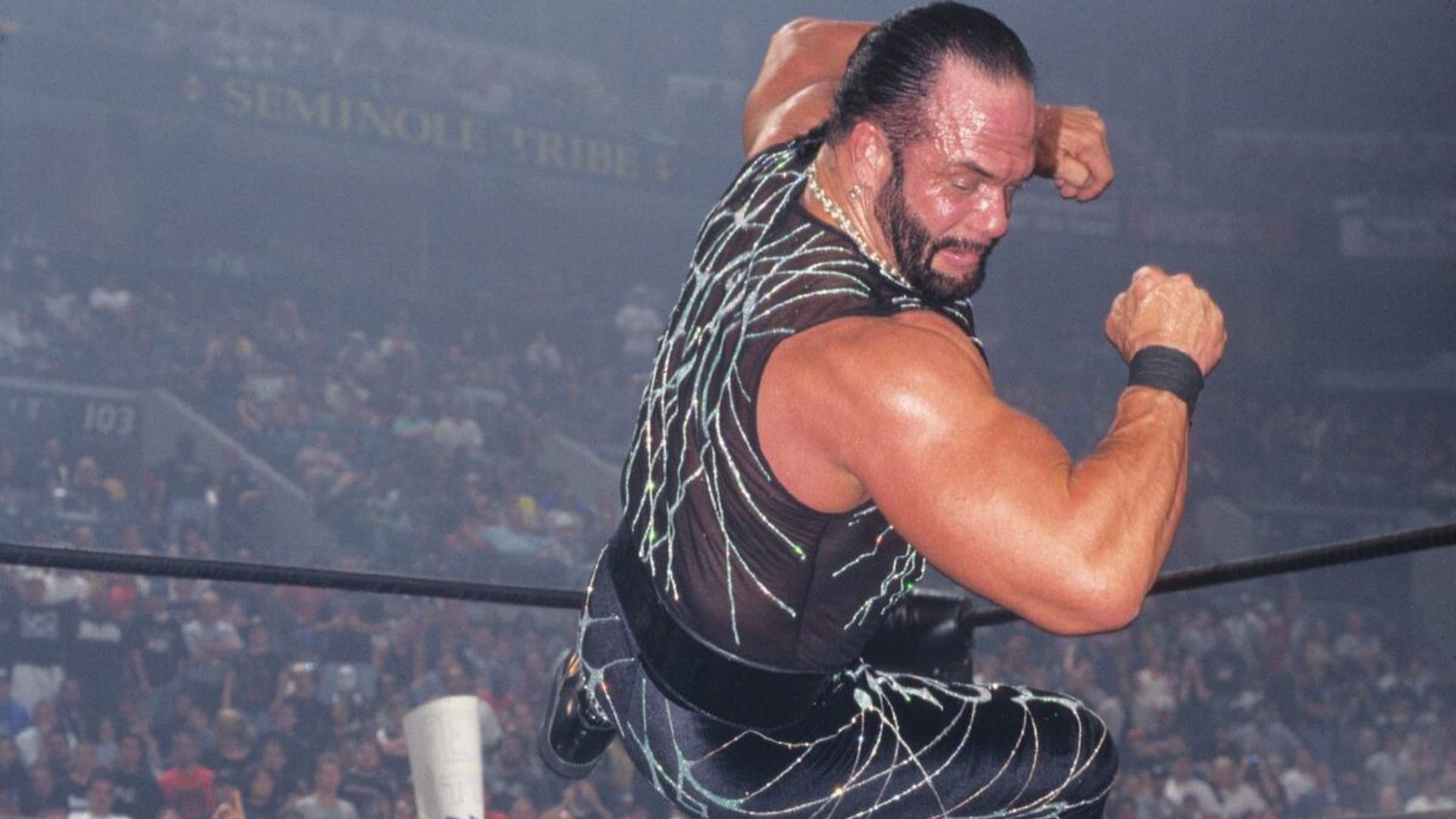
9- Randy Savage’s Elbow Drop
Randy “Macho Man” Savage’s top-rope elbow drop defined showmanship and aerial flair during the 1980s. He would ascend the turnbuckle, pose dramatically, and deliver an explosive downward impact. Savage’s execution was fluid and consistent, turning one move into a spectacle. Classic bouts like WrestleMania III against Ricky Steamboat showcased its beauty and timing. Even today, it inspires countless elbow-drop variations across wrestling promotions.
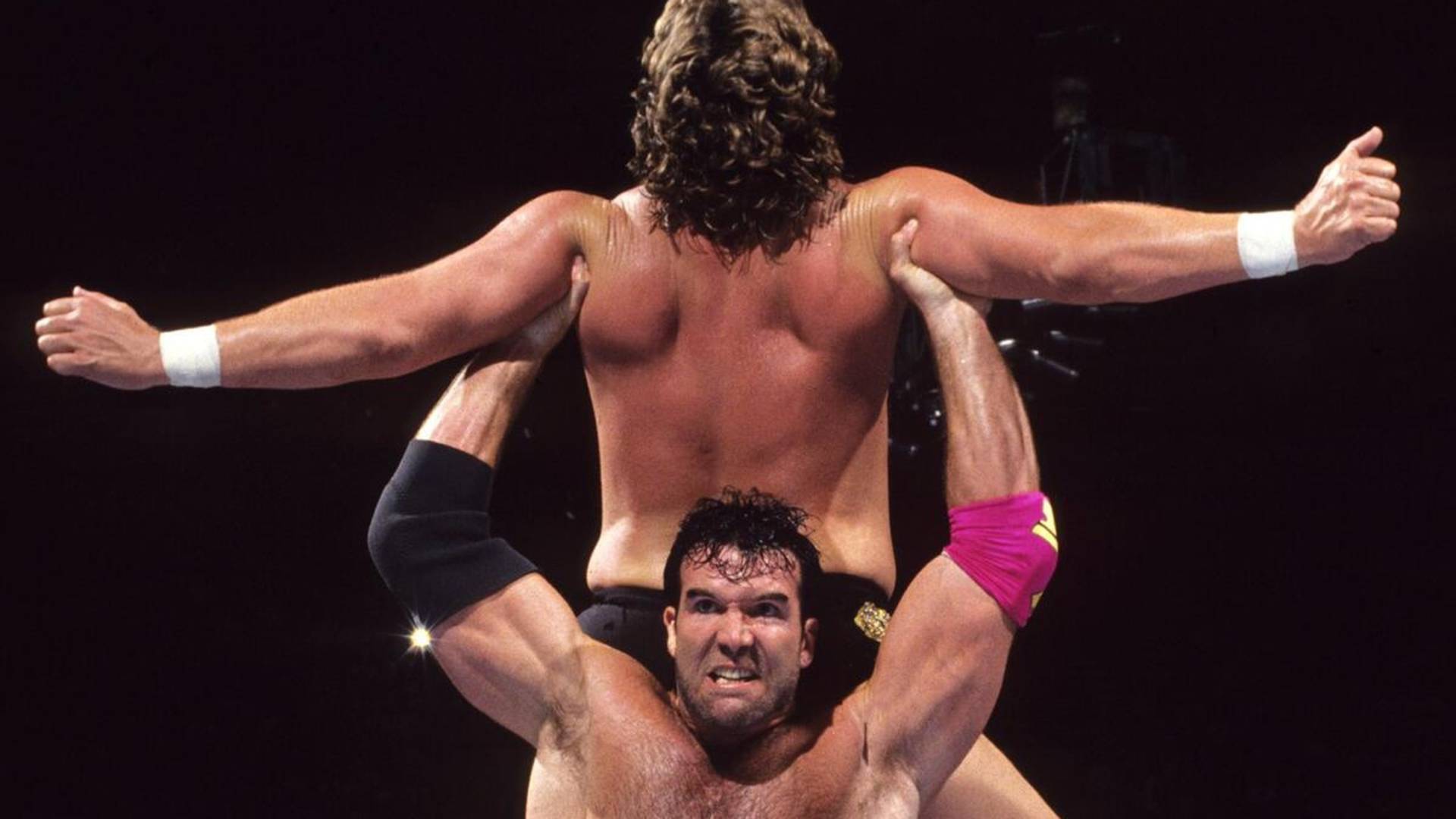
8- Razor Ramon’s The Razor’s Edge
Razor Ramon’s “Razor’s Edge” is a crucifix powerbomb delivering major impact and visual spectacle. He lifts the opponent onto his shoulders in a crucifix position before driving them to the mat. The move mirrored Ramon’s cool confidence and physical dominance of the early 1990s. It helped him secure multiple Intercontinental Championship victories. The Razor’s Edge remains emblematic of Scott Hall’s iconic WWF persona.
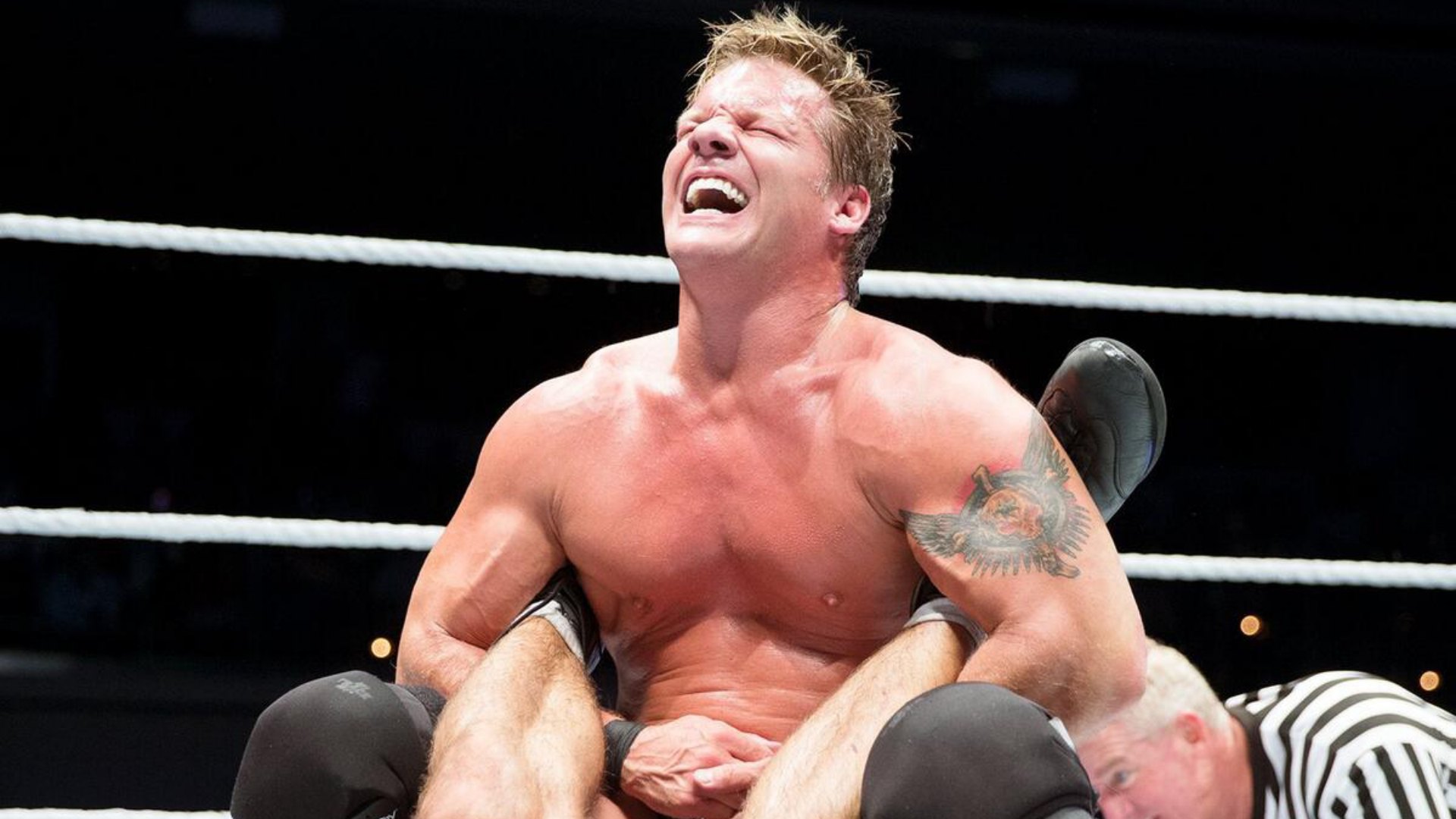
7- Chris Jericho’s Walls of Jericho
Chris Jericho’s main finisher through his career evolved—from the Walls of Jericho to the Judas Effect. The Walls of Jericho, a Boston Crab variation, showed his technical base, often used in WWE. Later, in AEW, he introduced the Judas Effect, a spinning back elbow that ended matches instantly. Both moves highlight Jericho’s versatility as a veteran adapting to different eras. They collectively mark Jericho’s innovation and credibility as one of wrestling’s most complete performers.
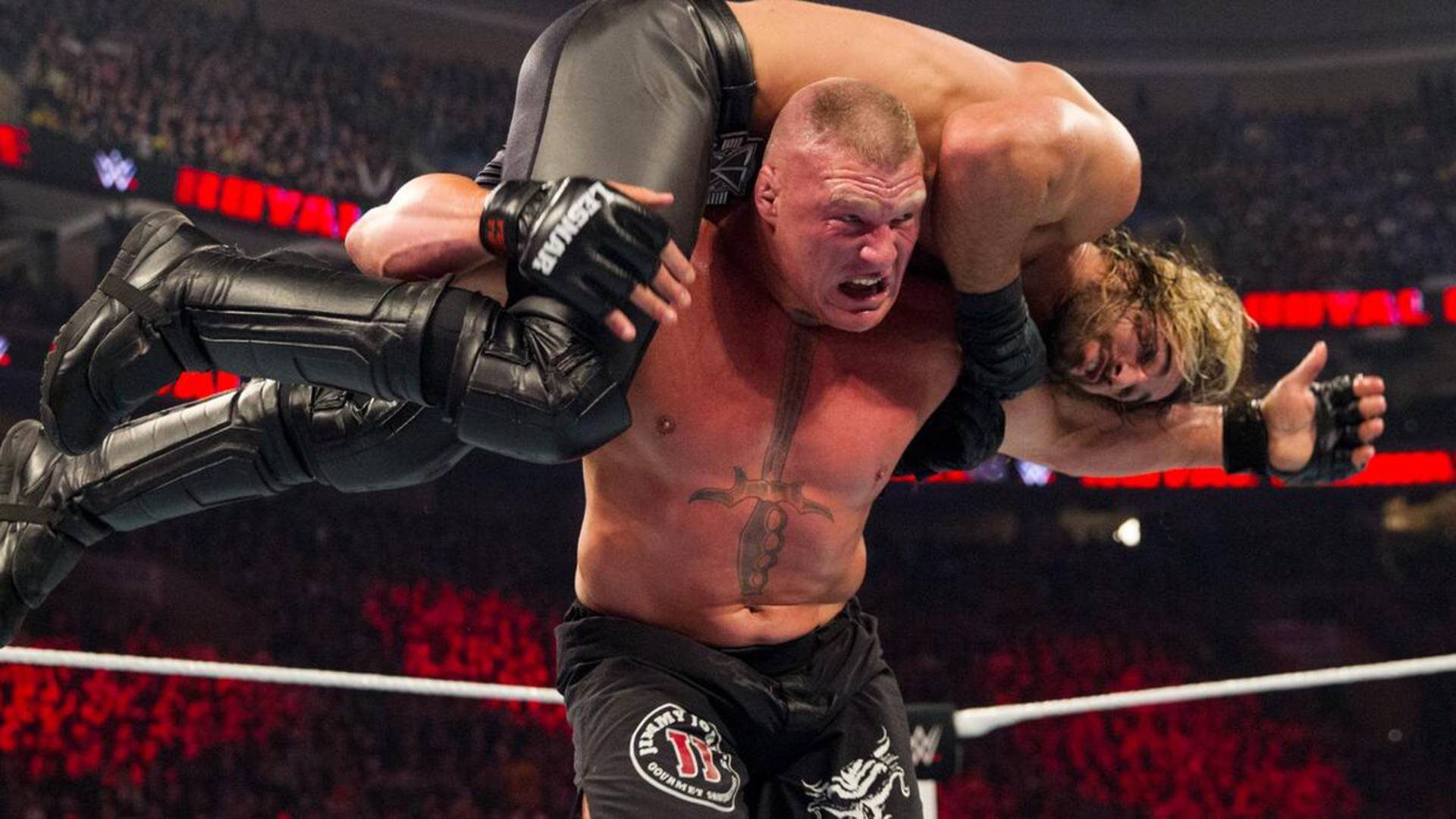
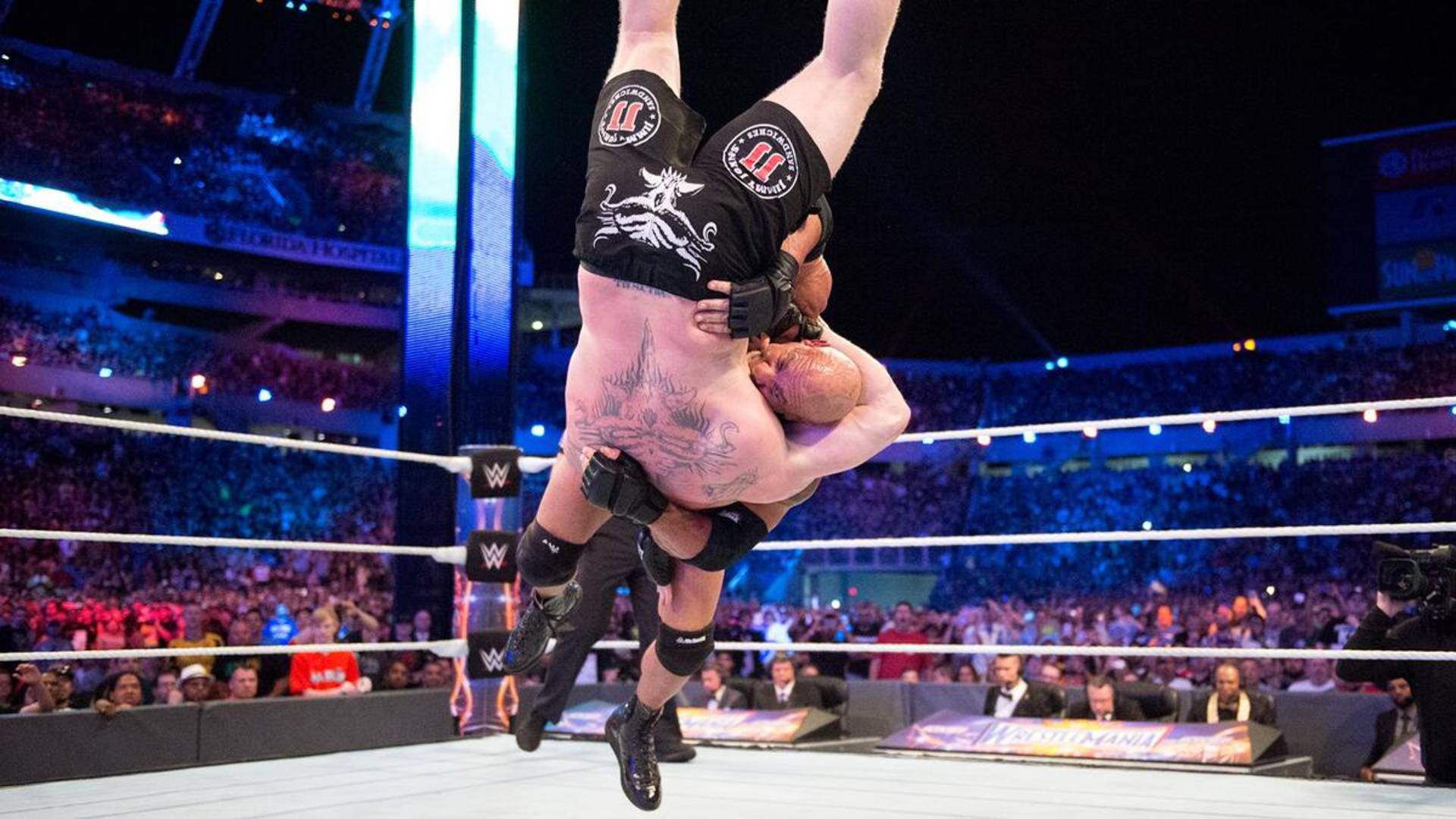
6- Brock Lesnar’s F-5
The F-5 is a spinning fireman’s carry facebuster that encapsulates Brock Lesnar’s raw strength. Introduced during his 2002 debut, it fast became a move that defines dominance. The name derives from the fighter’s “Category 5” hurricane-level force. Lesnar has used it to defeat top stars including The Rock, Roman Reigns, and John Cena. Each lift and throw demonstrates perfect control and terrifying realism unique to Lesnar’s physical style.
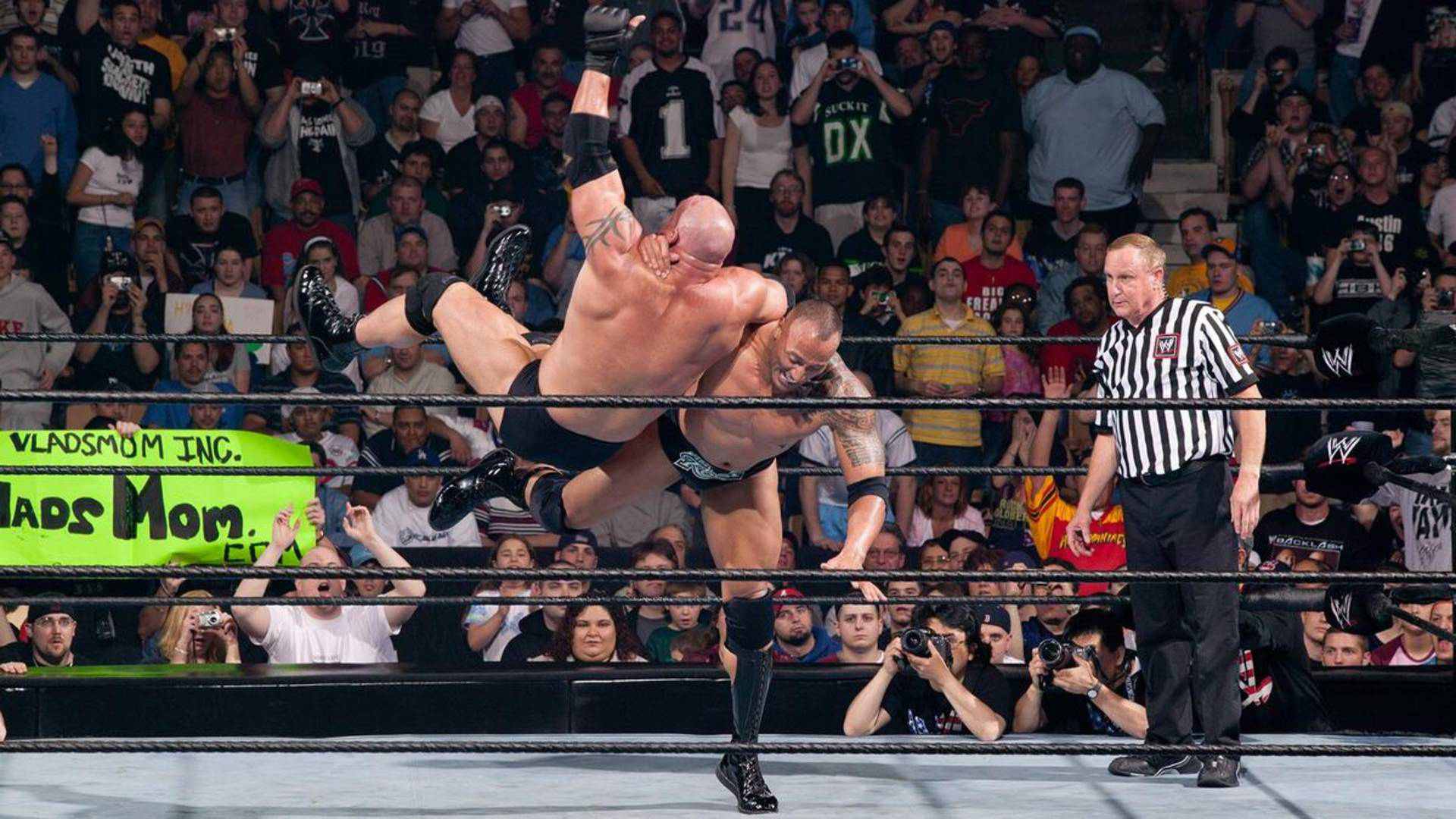
5- The Rock’s Rock Bottom
The Rock Bottom is a standing side slam showcasing Dwayne “The Rock” Johnson’s theatrical charisma. He introduced it in the late 1990s as his primary finisher before pairing it with the People’s Elbow. The setup often involved dramatic pauses that heightened audience anticipation. Used to defeat legends like Stone Cold Steve Austin and Hulk Hogan, it defined key moments in the Attitude Era. The motion and timing made it instantly iconic and crowd-energizing.
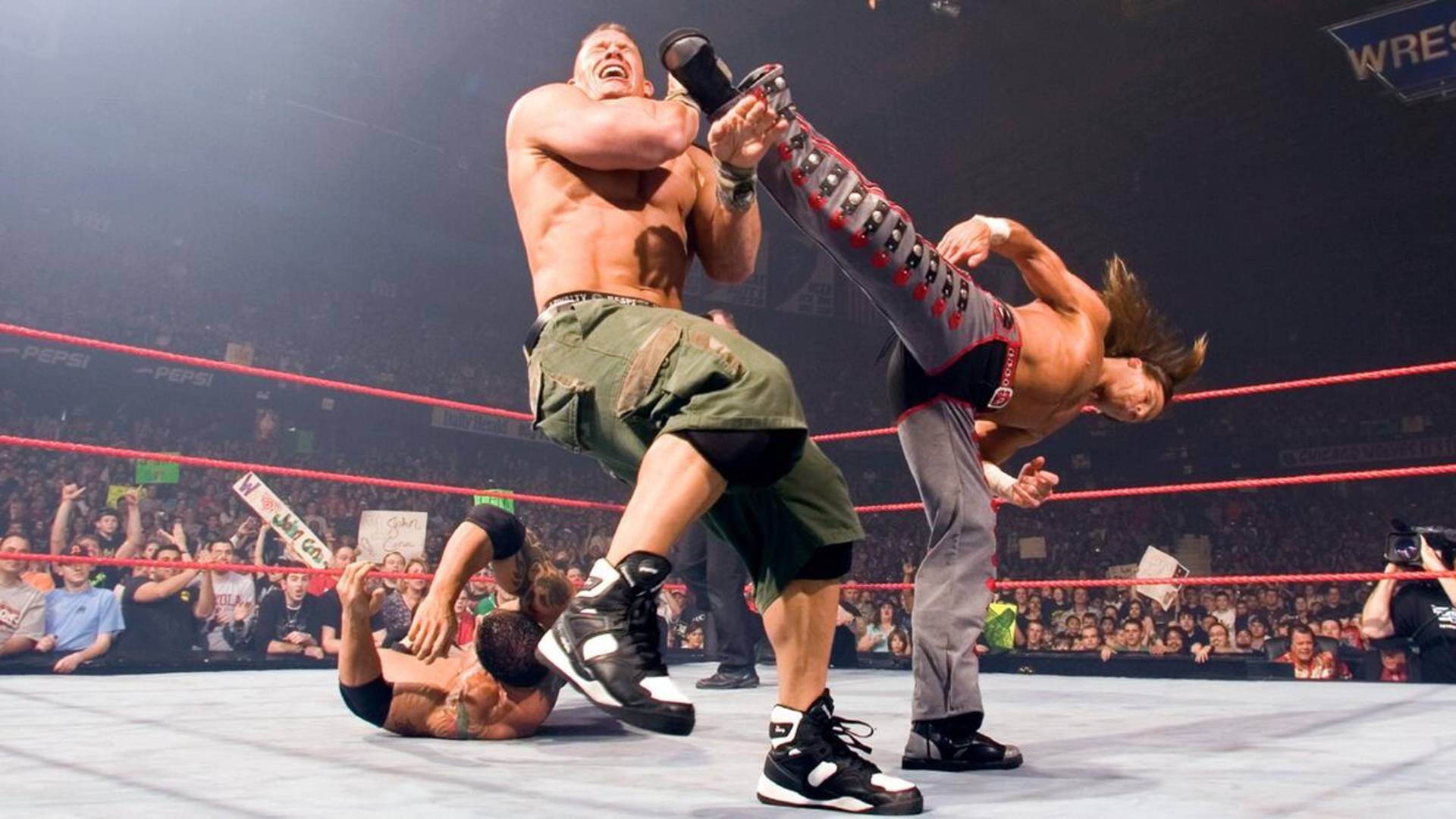
4- Shawn Michaels’ Sweet Chin Music
Sweet Chin Music is Shawn Michaels’ famous superkick, executed with precision and drama. He emphasized timing by “tuning up the band” before striking, creating suspense among fans. Its execution could end matches instantly, even catching opponents mid-move. Notable wins over Bret Hart and Kurt Angle came courtesy of this kick. It remains one of WWE’s most replayed finishers for both technique and theatrics.
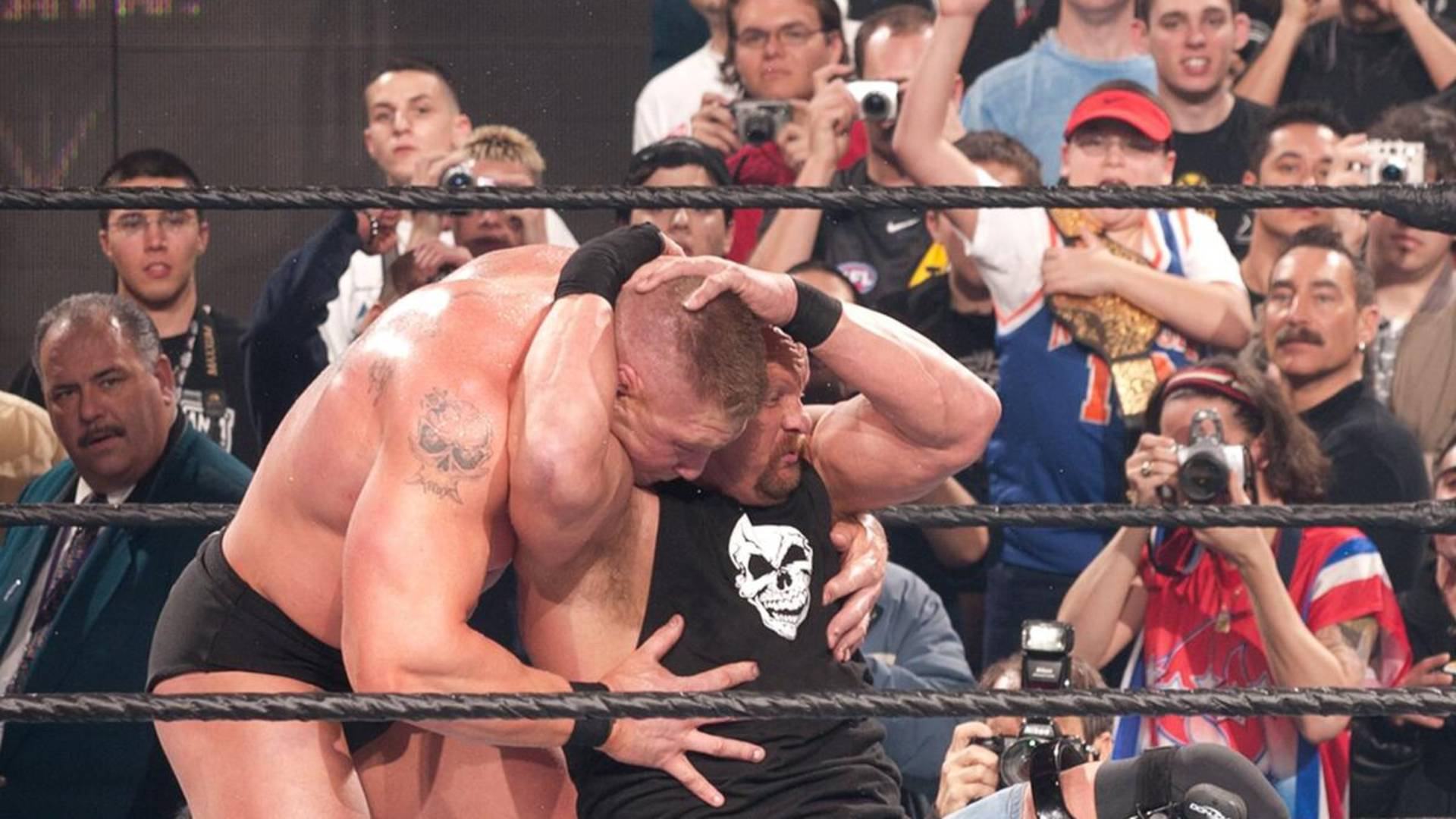
3.- Stone Cold Steve Austin's Stunner
The Stone Cold Stunner defined the Attitude Era with its brutal simplicity. Delivered as a quick jawbreaker from a standing position, it ended matches in seconds. Steve Austin’s post-move celebration with beer added to its legendary status. Fans admired its unpredictability, it could appear anywhere in the match. Few finishers in history matched its crowd reaction and legacy.
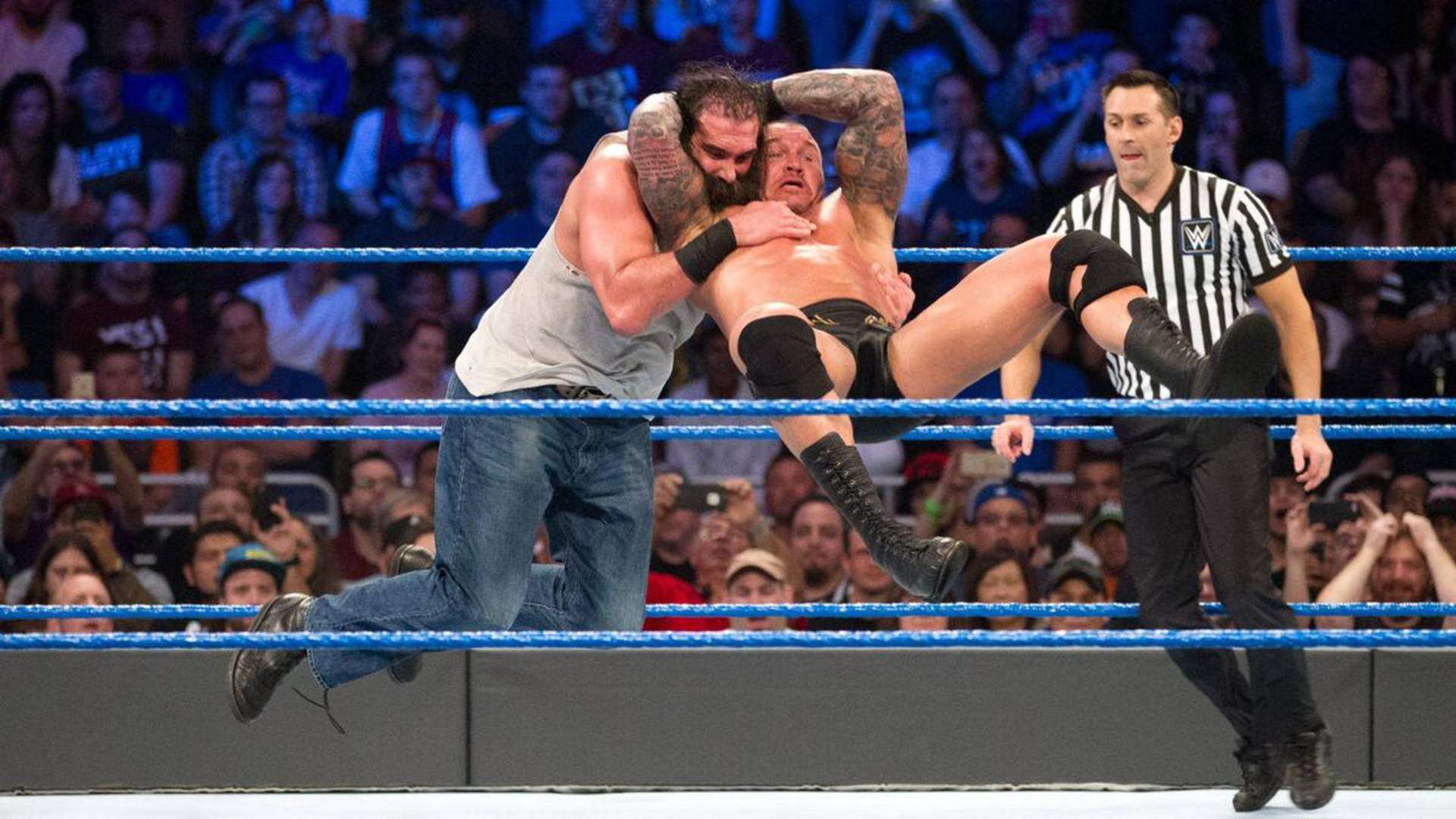
2- Randy Orton’s RKO
Randy Orton’s RKO is a jumping cutter known for its high dramatics and timing mastery. Its appeal lies in sudden execution, earning the “outta nowhere” phrase used by fans online. Orton first popularized it in the early 2000s as part of his “Legend Killer” gimmick. Iconic RKOs include mid-air counters against Evan Bourne and Seth Rollins. It remains one of WWE’s most meme-worthy and effective modern finishers.
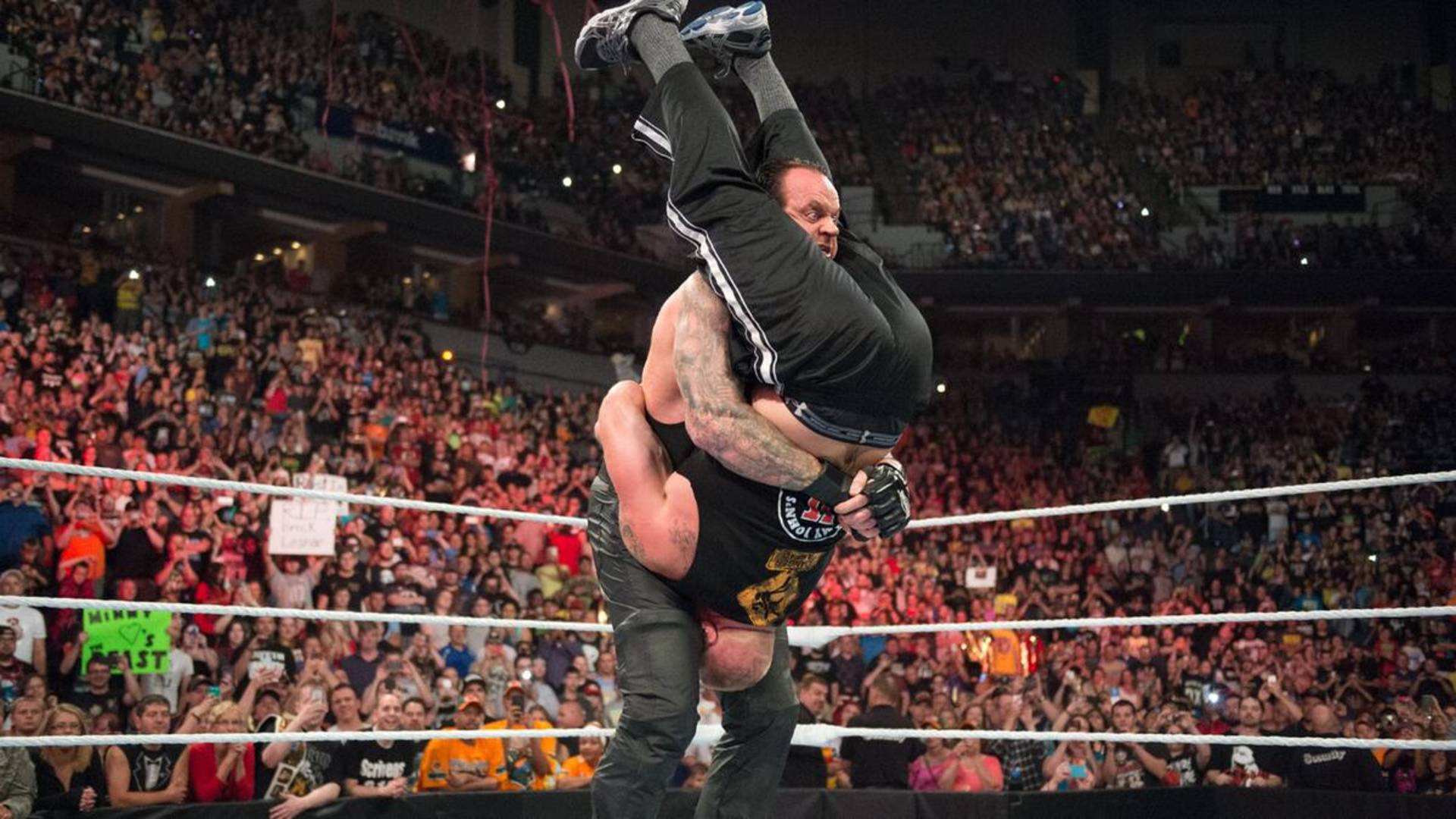
1- Undertaker’s Tombstone Piledriver
The Tombstone Piledriver stands as one of wrestling’s most respected finishers. Undertaker lifts his opponent upside down before dropping to his knees, impacting the head. He pairs the move with his haunting pin, arms crossed over the chest. Iconic victories against Kane, Shawn Michaels, and Edge have all featured it. Due to its precision and dramatic delivery, few performers have been allowed to replicate it.