
Top 25 Marvel TV Shows, Ranked From Worst to Best
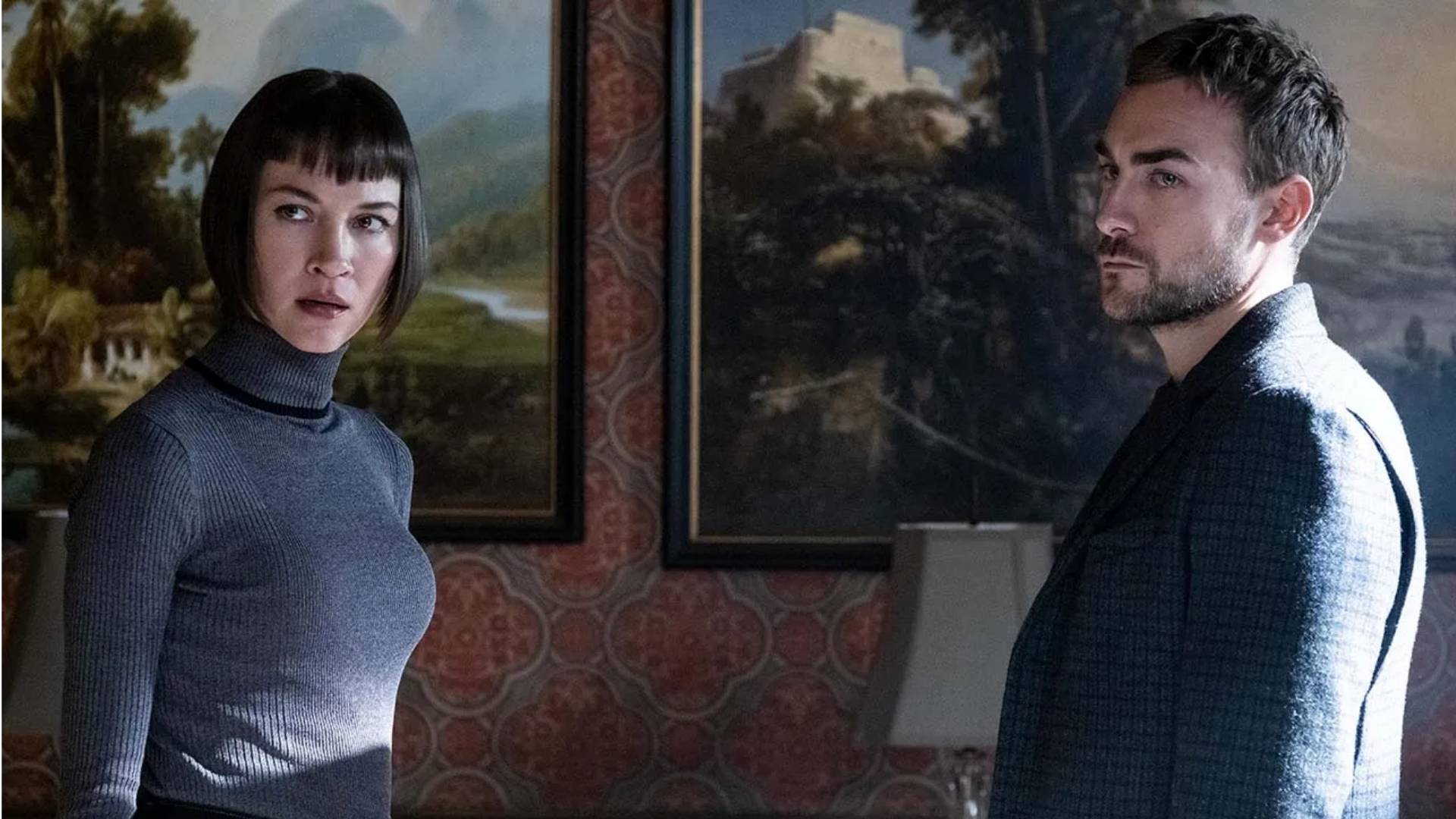
25. Helstrom
Helstrom was marketed as Marvel’s first step into darker, supernatural territory, but instead, it felt like a detour that few fans noticed. The show followed Daimon and Ana Helstrom, siblings dealing with their family’s demonic legacy while trying to prevent evil forces from spreading into the world. One of the biggest issues was the sense of disconnection. By the time Helstrom premiered, Marvel had already consolidated its TV plans under Disney+, and this series landed in an awkward space with no clear ties to the broader universe.
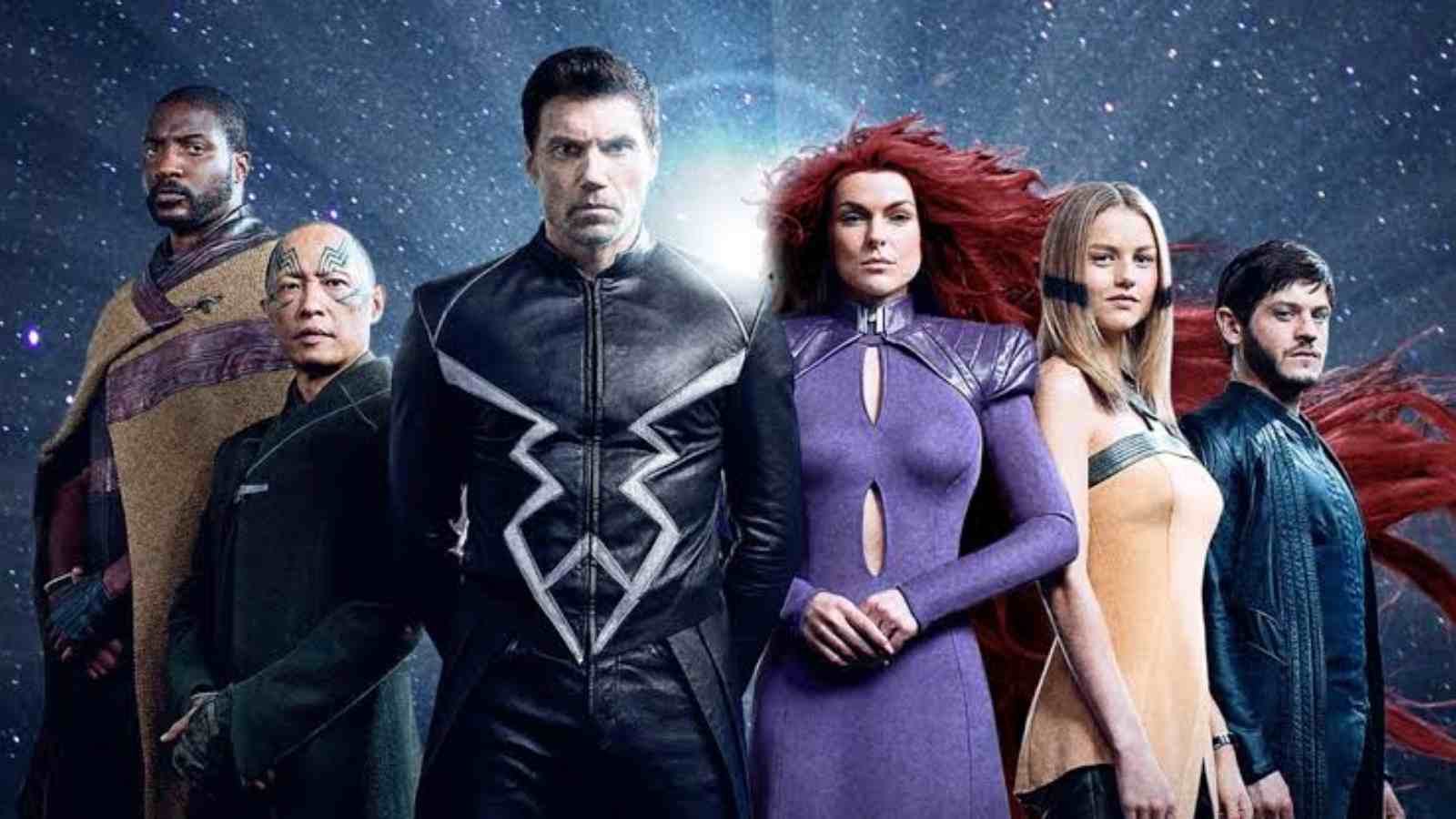
24. Inhumans
Inhumans is often cited as Marvel’s most notorious TV misstep. Positioned as a major event, its first two episodes were even released in IMAX theaters; the series should have been an epic introduction to the Inhuman Royal Family. Instead, it became a case study in wasted potential. Beyond characters, the show simply didn’t look or feel ready for prime time. Flat visuals, uninspired sets, and awkward pacing made it feel oddly small. By the end of its short season, most fans had already tuned out.
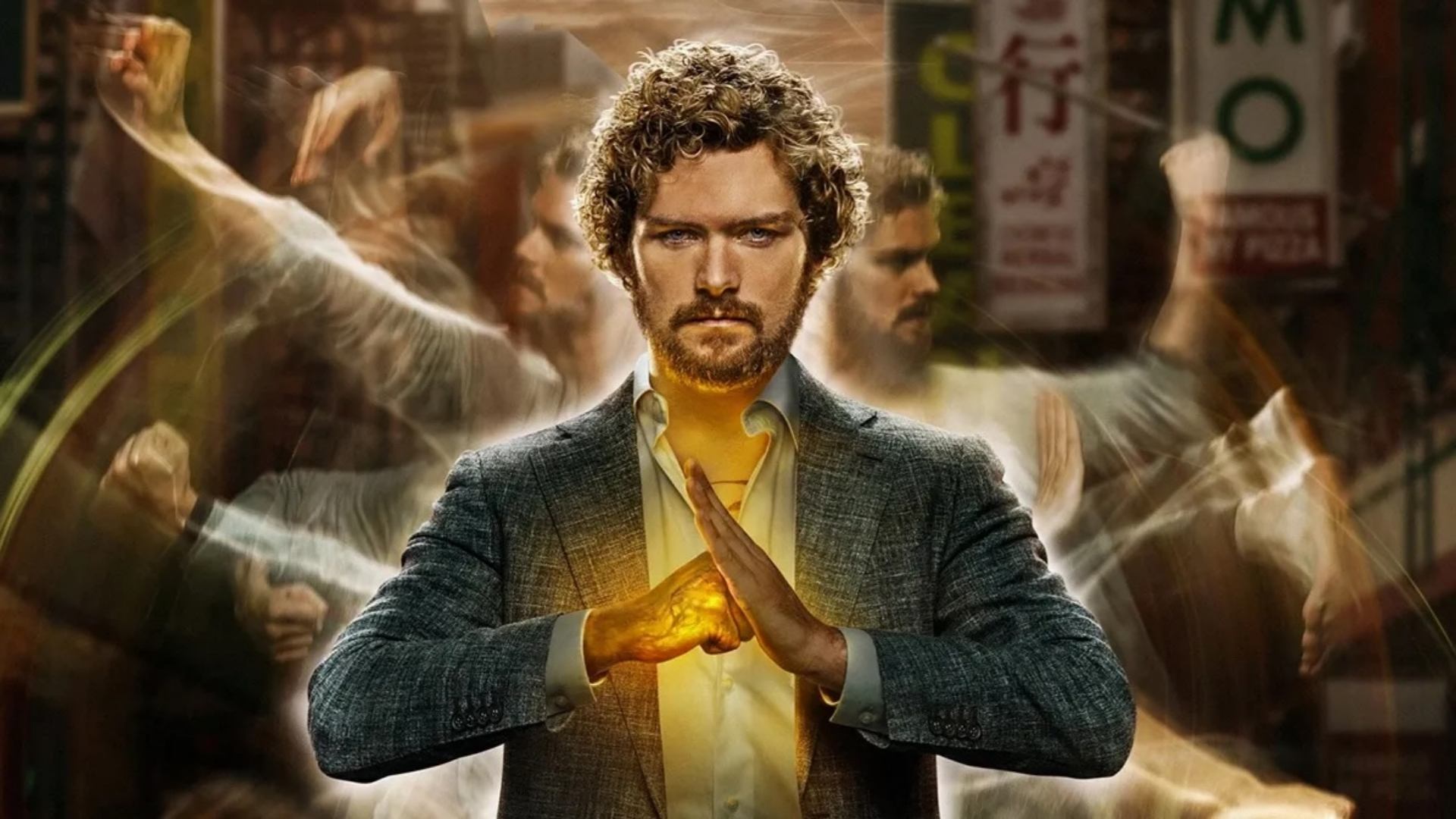
23. Iron Fist
Iron Fist entered Marvel’s Netflix lineup as the last piece before the big crossover, The Defenders. With its mystical roots and martial arts focus, fans expected it to bring something fresh. Instead, it ended up as the weakest of the Netflix run. While the first season in particular was a disappointment, weighed down by sluggish pacing and uninspired villains, season 2 showed improvement, especially with Jessica Henwick’s Colleen Wing stepping forward.
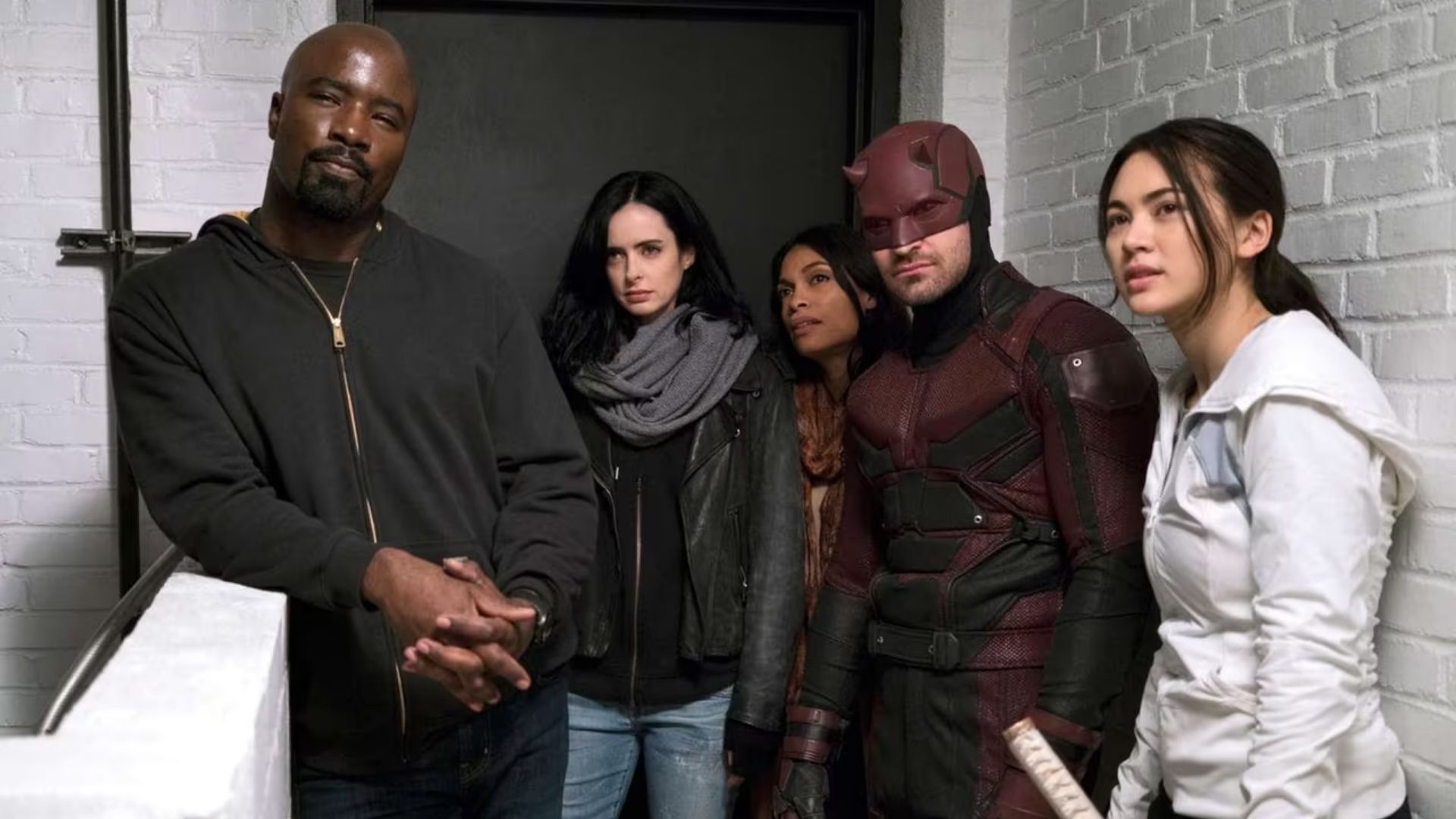
22. The Defenders
The Defenders was supposed to be the crown jewel of Marvel’s Netflix experiment, bringing Daredevil, Jessica Jones, Luke Cage, and Iron Fist together sounded like a dream. But in reality, it was entertaining, but never quite lived up to the hype. Watching these characters finally share the screen had an undeniable appeal. The problem was the story, but after years of build-up, their motives and execution felt underwhelming. At only eight episodes, the series didn’t drag, but it also didn’t feel as grand as it should have.
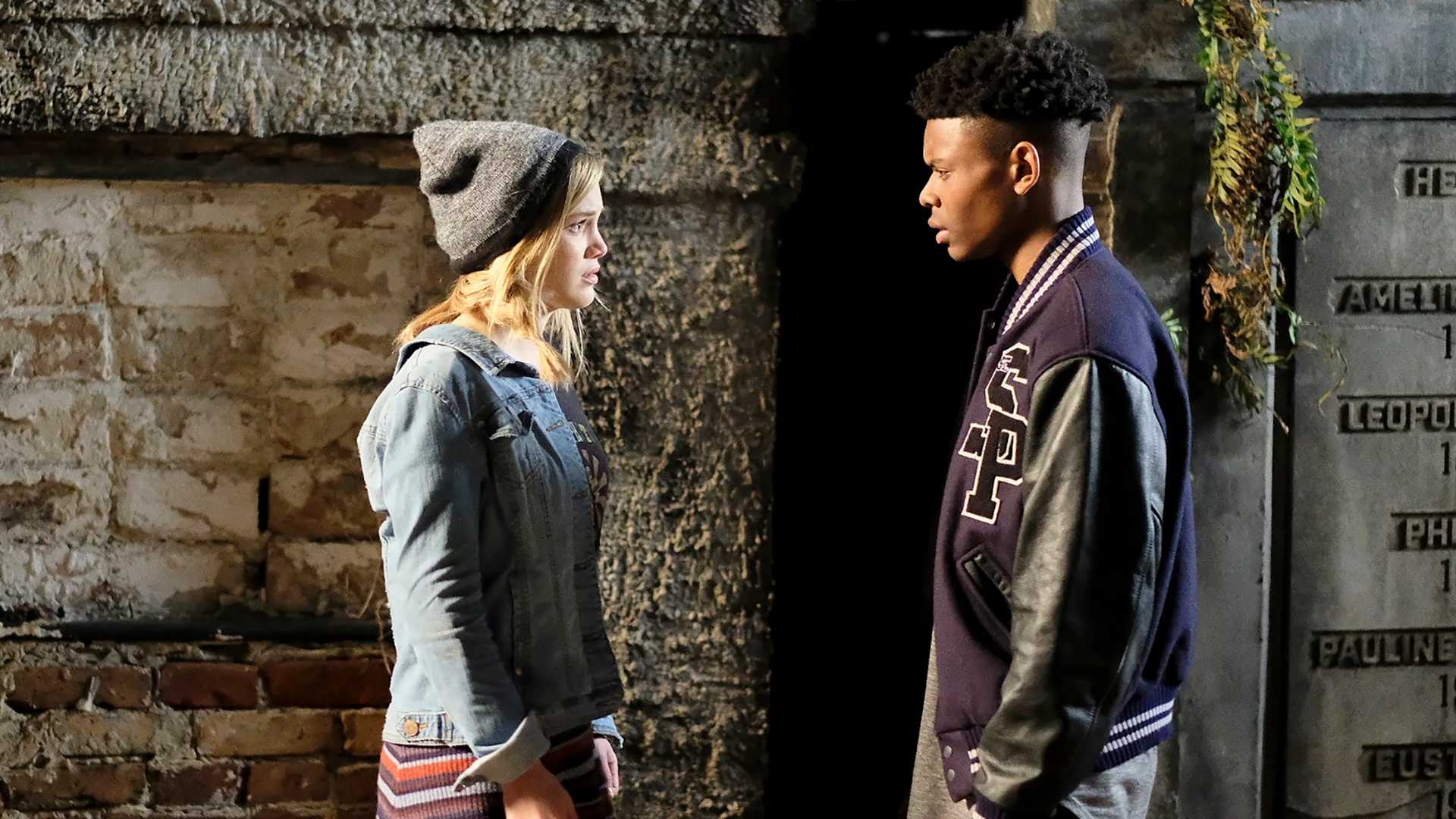
21. Cloak & Dagger
Cloak & Dagger took a smaller, more intimate approach to Marvel storytelling. The show was all about drama, trauma, systemic injustice, and the challenges of growing up with abilities neither fully understood. What worked best was the chemistry between Olivia Holt and Aubrey Joseph. Still, its pacing sometimes dragged, and the action took a backseat to emotional storytelling, which didn’t always sit well with superhero fans. Over two seasons, it built a small but passionate fan base before ending prematurely.
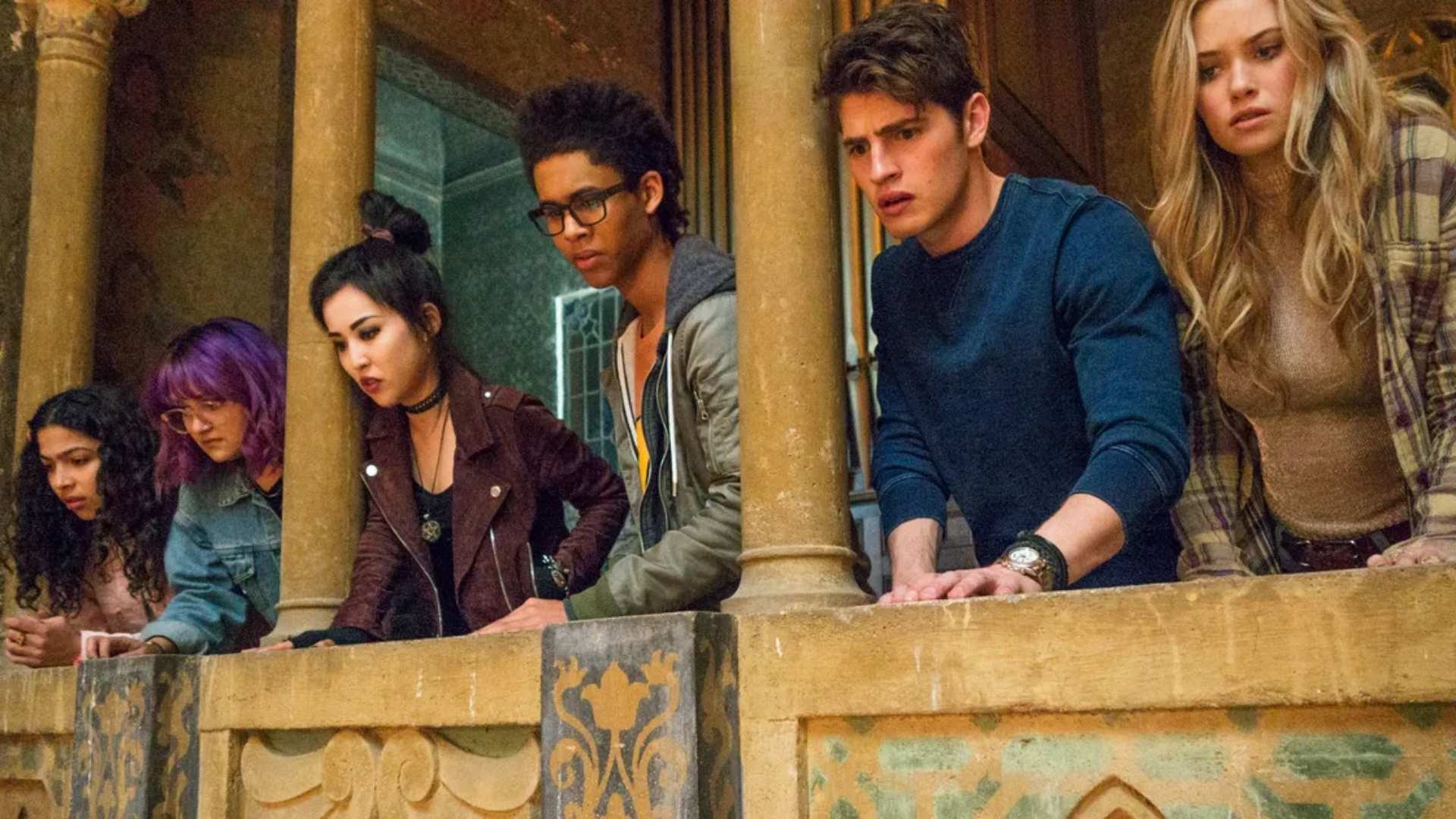
20. Runaways
Runaways brought one of Marvel’s most beloved comics to life, telling the story of six teenagers who discover that their parents are secretly supervillains. That first season alone had fans curious, and the early episodes delivered on the tension very well. But while the beginning was strong, the execution didn’t stick. At times, the tone felt split between a family drama and a teen fantasy adventure, and pacing also became an issue.
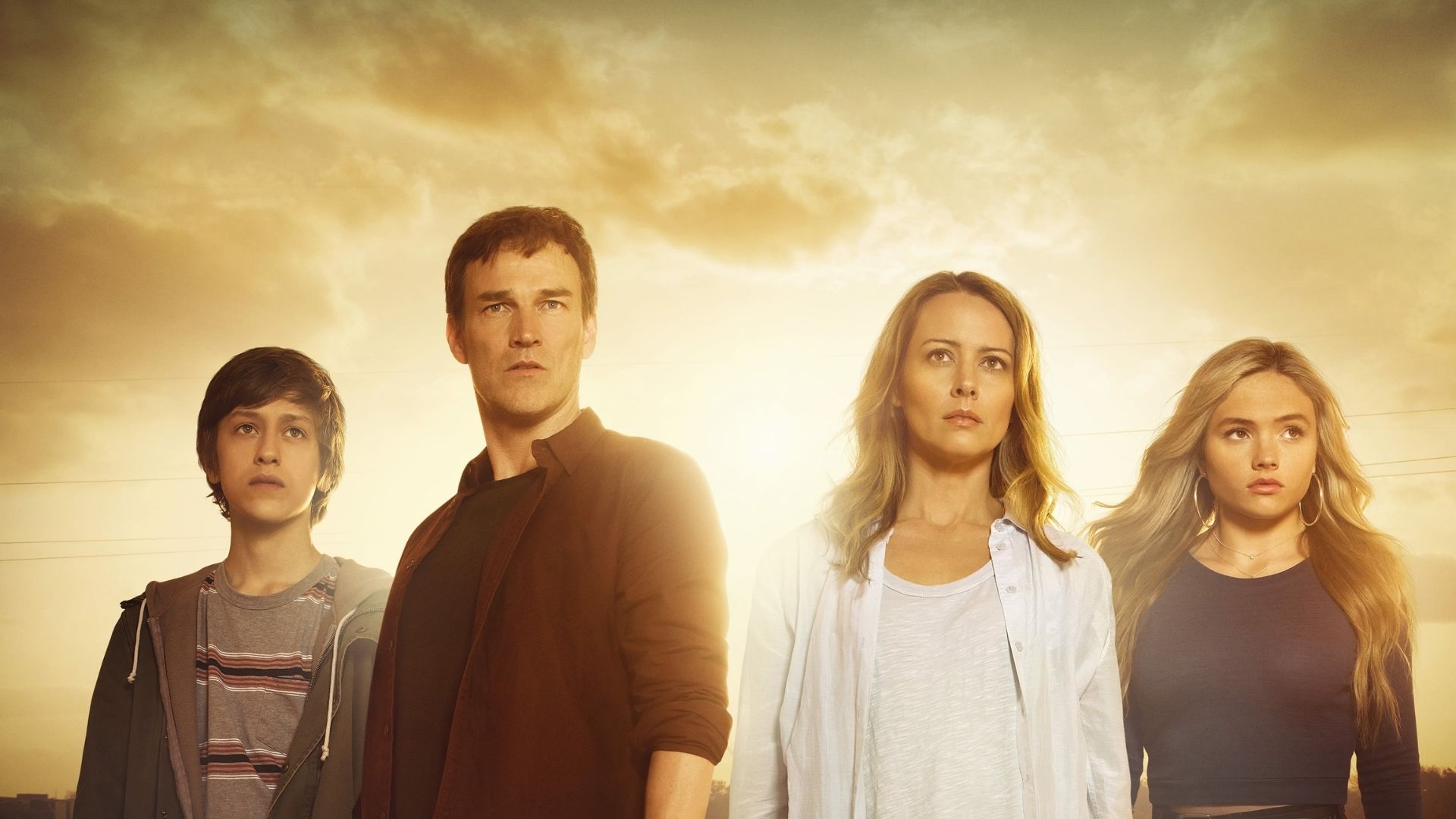
19. The Gifted
The Gifted offered a mutant story set in a world without the X-Men, which gave it freedom to explore Marvel’s themes of identity and prejudice without relying on big-name heroes. Although budget constraints limited some action sequences, the storyline has still held the audience’s attention for two seasons. It was never the flagship mutant series fans dreamed of, but The Gifted deserves recognition, given its underrated entry in Marvel’s television lineup.
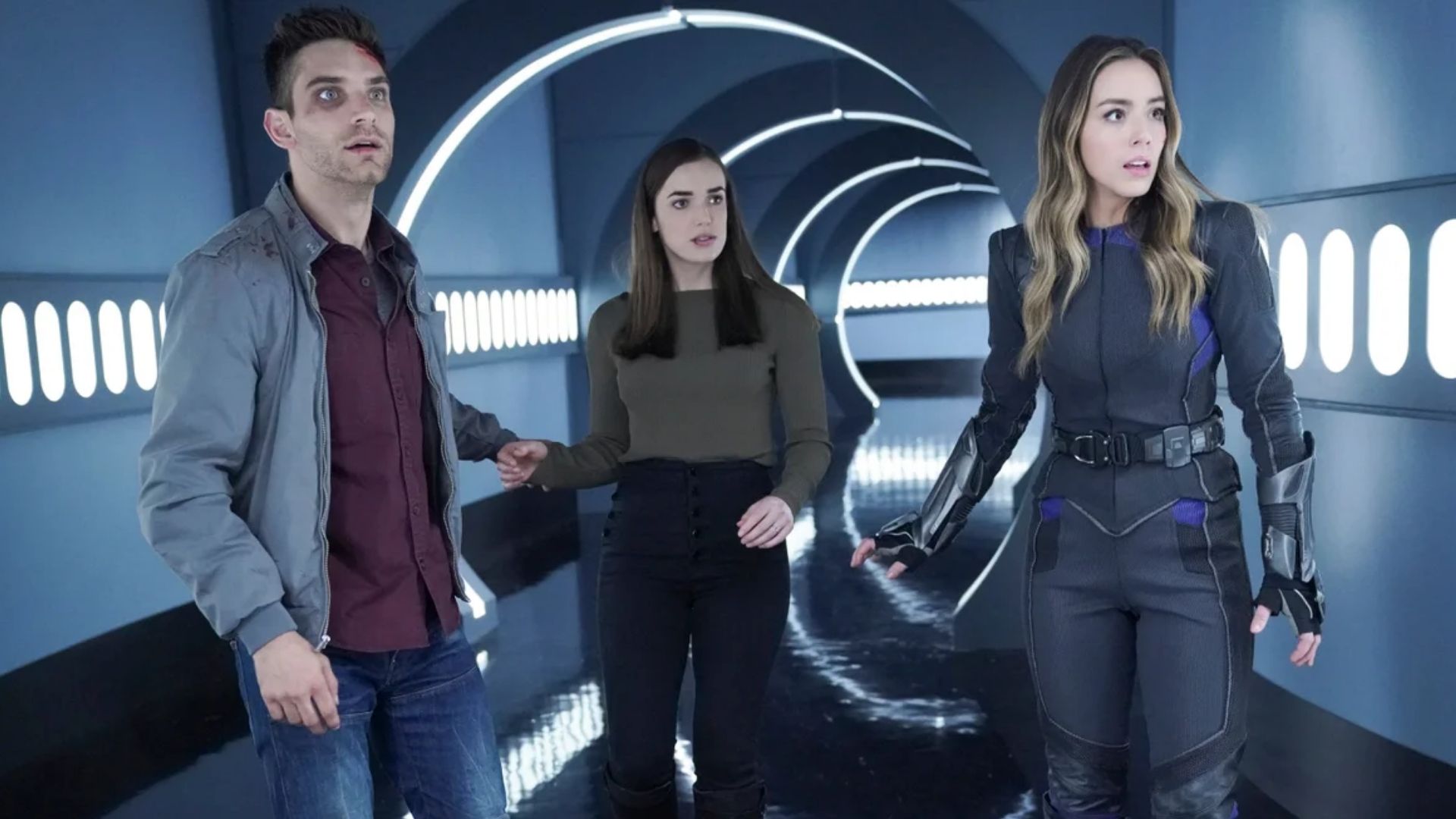
18. Agents of S.H.I.E.L.D.
Agents of S.H.I.E.L.D. was Marvel’s first major foray into serialized television, and it lasted an impressive seven seasons. At first, the show leaned heavily on its MCU ties, particularly in Season 1, when Captain America: The Winter Soldier’s Hydra twist came in. As the seasons progressed, however, the series began carving out its own identity. But the major downside was inconsistency. Some arcs dragged for sure, and certain seasons felt uneven, but dedicated viewers were rewarded with character growth and creative risks eventually.
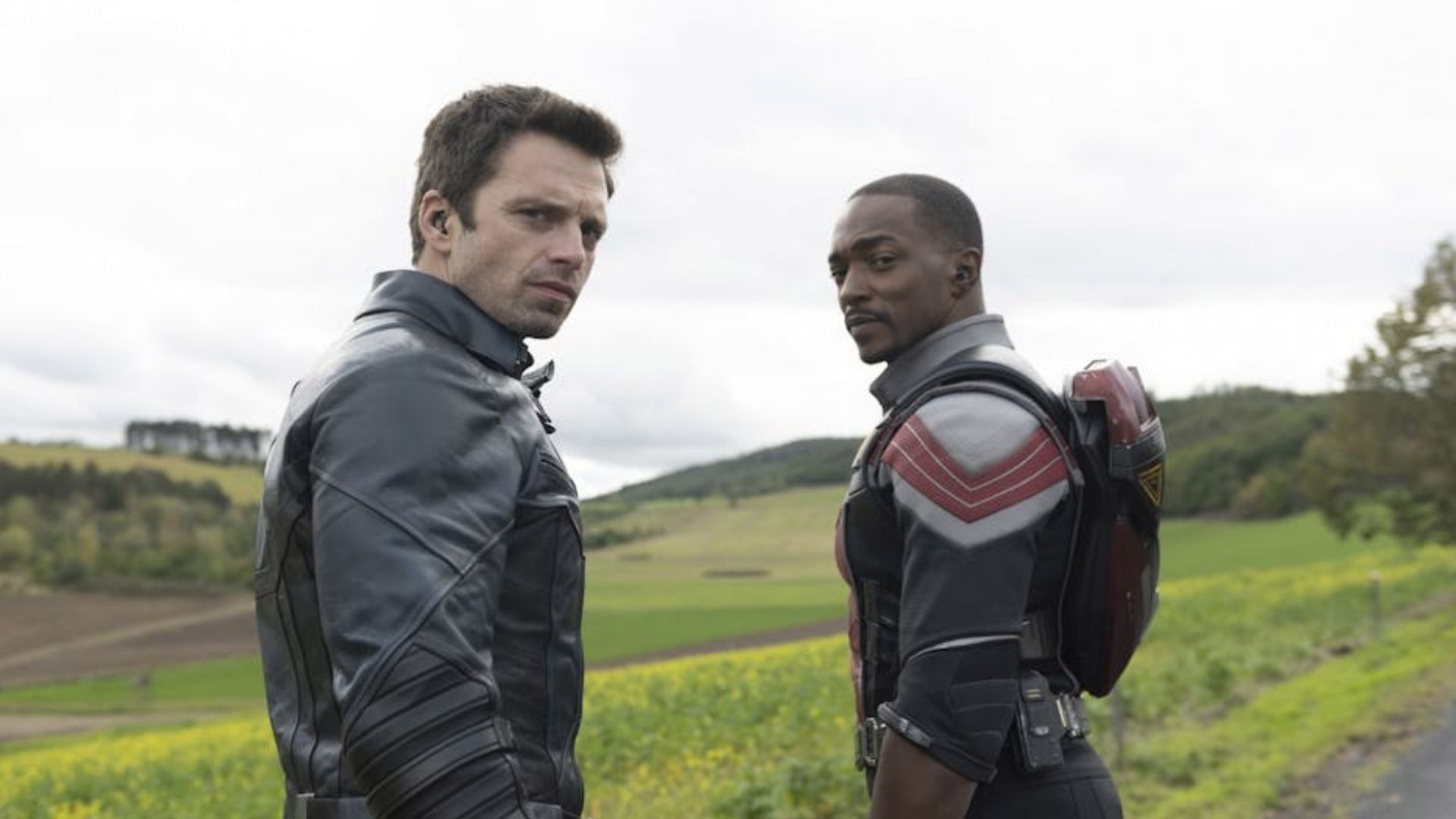
17. The Falcon and the Winter Soldier
Following Avengers: Endgame, Marvel placed Sam Wilson and Bucky Barnes at the center of their own series. But what made it stand out was its focus on legacy and identity. The show explored the weight of Captain America’s shield and what it meant for Sam, a Black man, to take up the mantle. It also gave Bucky room to wrestle with his past as the Winter Soldier. While some fans criticized the villains as underwhelming, the show’s strongest moments were in Isaiah Bradley’s story, Sam’s eventual acceptance of the shield, and the concluding message about responsibility.
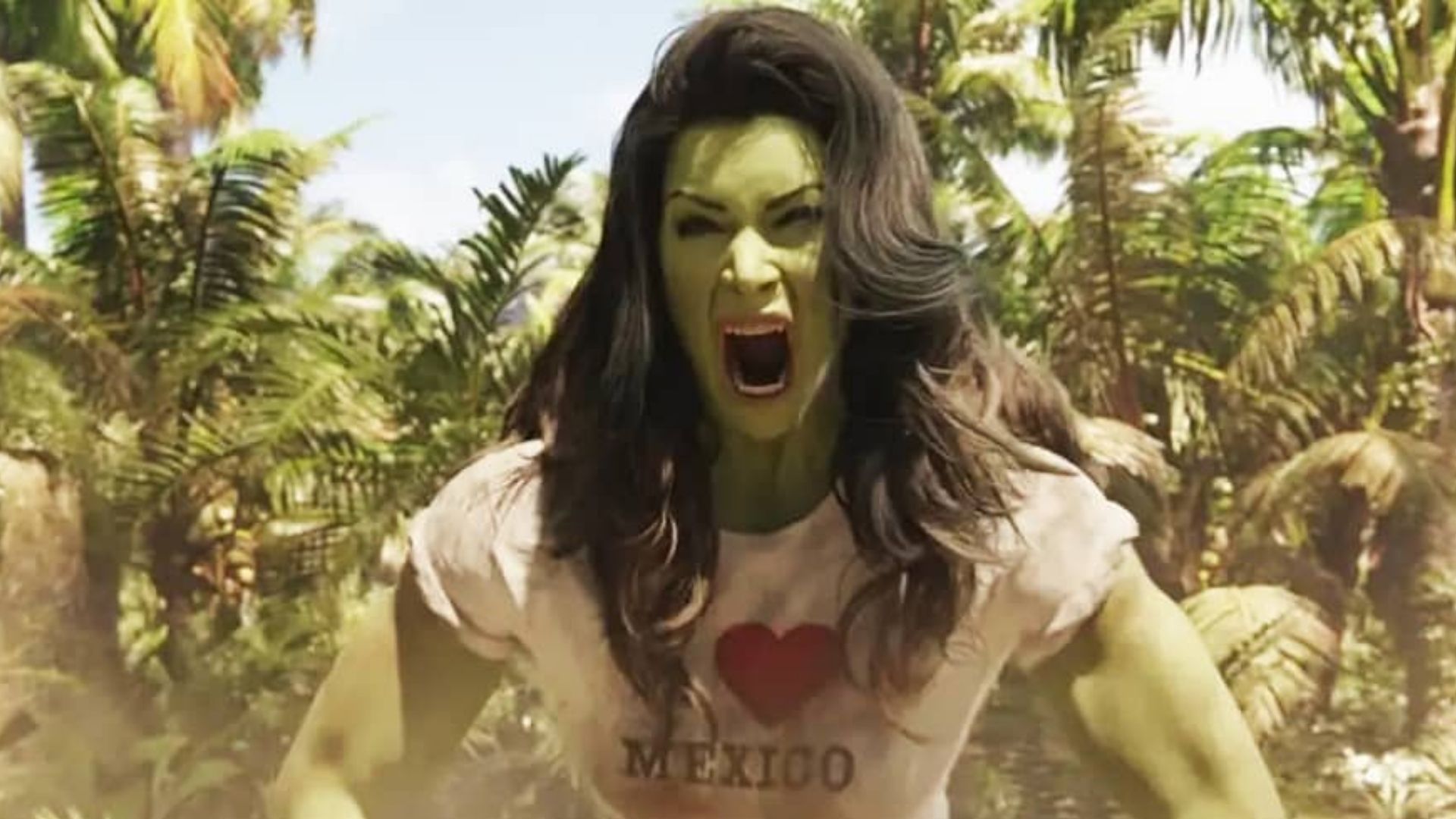
16. She-Hulk: Attorney at Law
She-Hulk took a surprising left turn from Marvel’s usual formula by bringing in comedy, satire, and legal drama all at once. The show won hearts when it broke the fourth wall and Jen directly addressed viewers and poked fun at Marvel tropes. At its best, She-Hulk was less about saving the world and more about dealing every day with extraordinary powers. She-Hulk may not have won over everyone, but Maslany’s performance brought a change of pace in Marvel’s growing television universe.
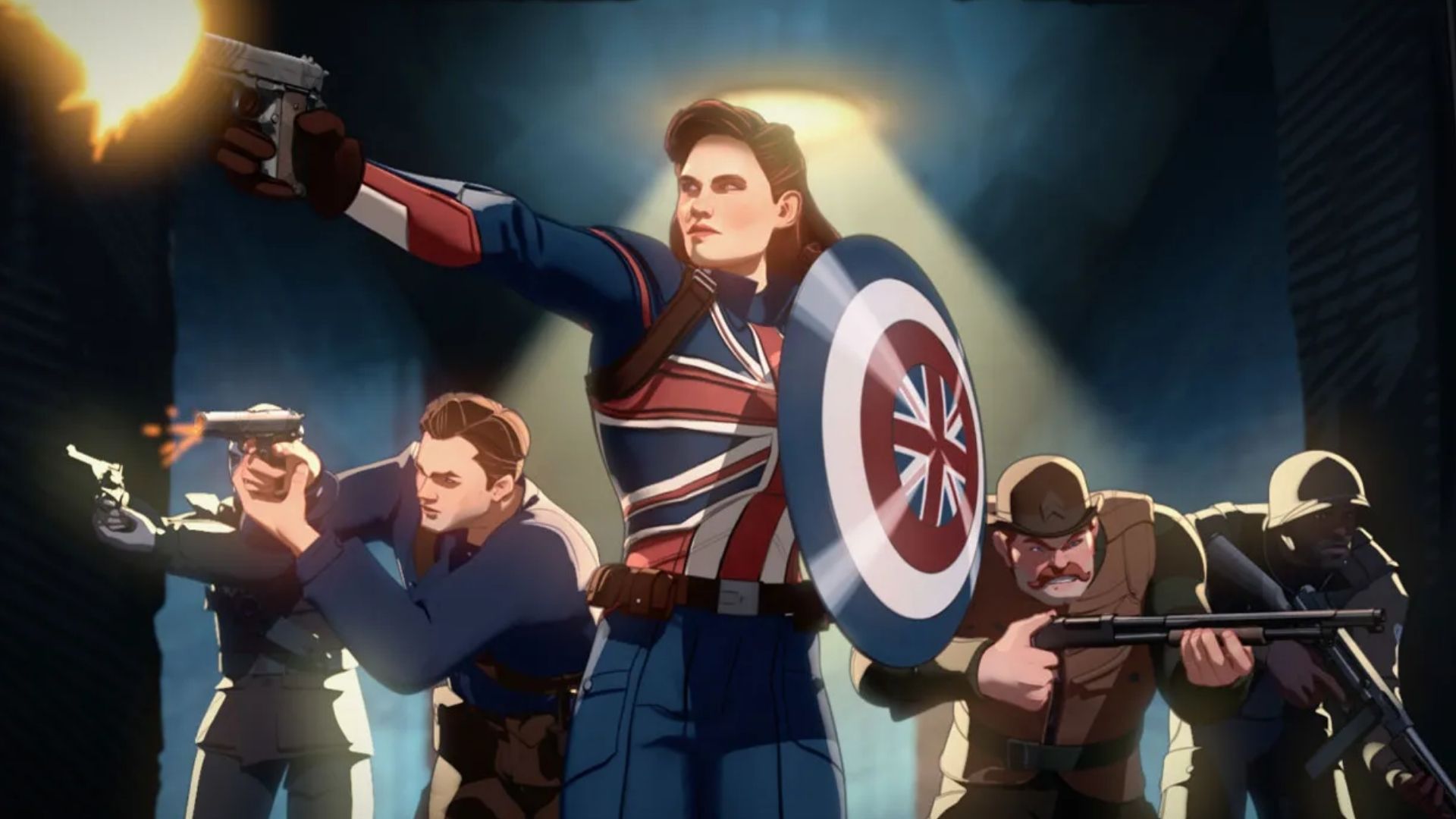
15. What If…?
What If…? was Marvel’s first animated Disney+ series, and it gave fans a chance to peek into alternate realities where everything we knew about the MCU was flipped upside down. Some of the best episodes leaned into bold “what could have been” scenarios, like Peggy Carter becoming Captain Carter or T’Challa taking the role of Star-Lord. The series even went darker than expected, with entire worlds destroyed and heroes turned villains. While not every episode hit the mark, the show surely gave fans a playground of possibilities.
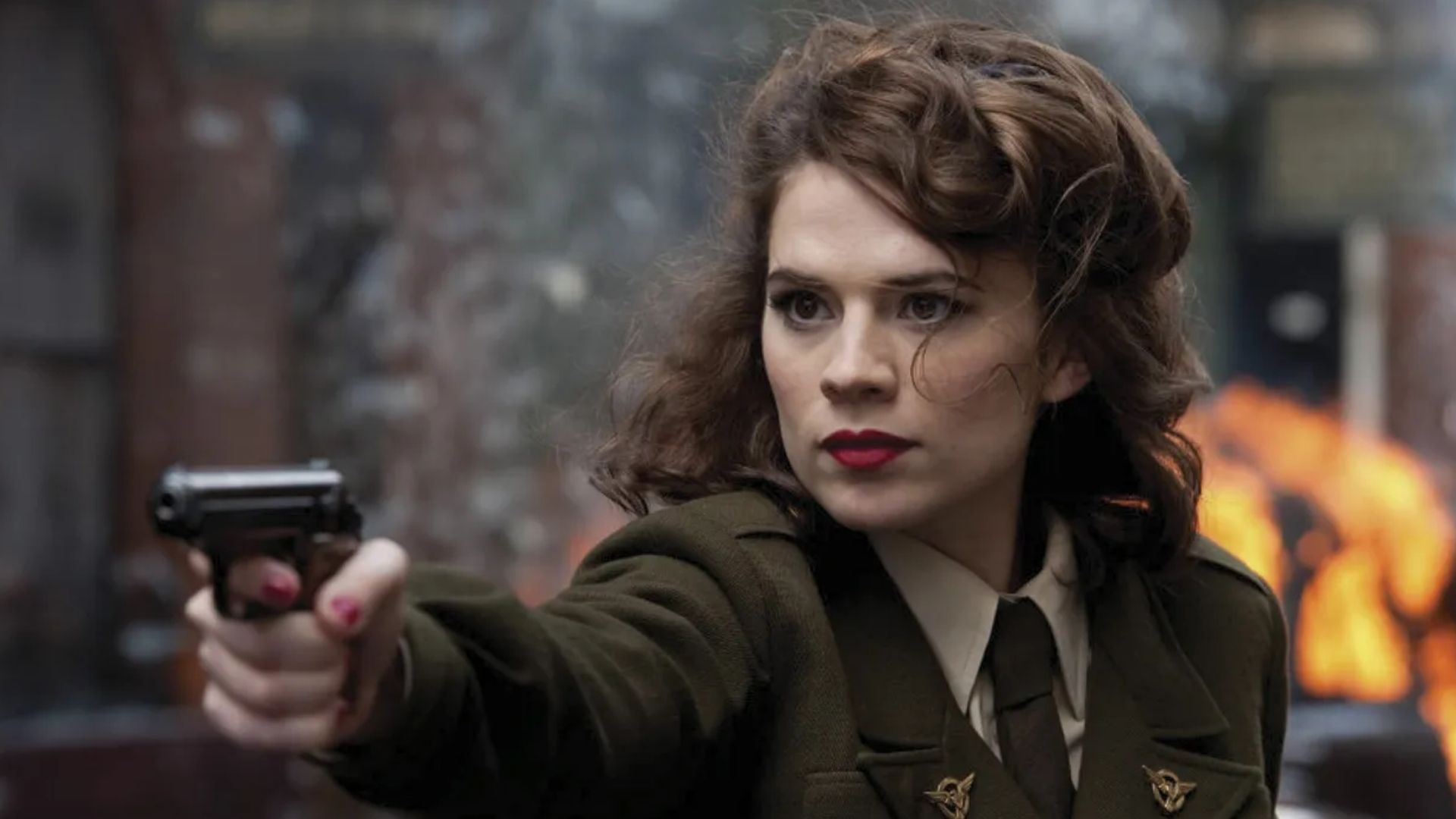
14. Agent Carter
Agent Carter gave Peggy Carter, long one of Marvel’s most underappreciated characters, her own spotlight. Set in the 1940s, the show followed Peggy after Captain America’s disappearance as she balanced her job at the SSR with secret missions for Howard Stark. Though its early cancellation left fans wanting more, the show remains beloved for its charm and for giving Peggy Carter the attention she deserved.
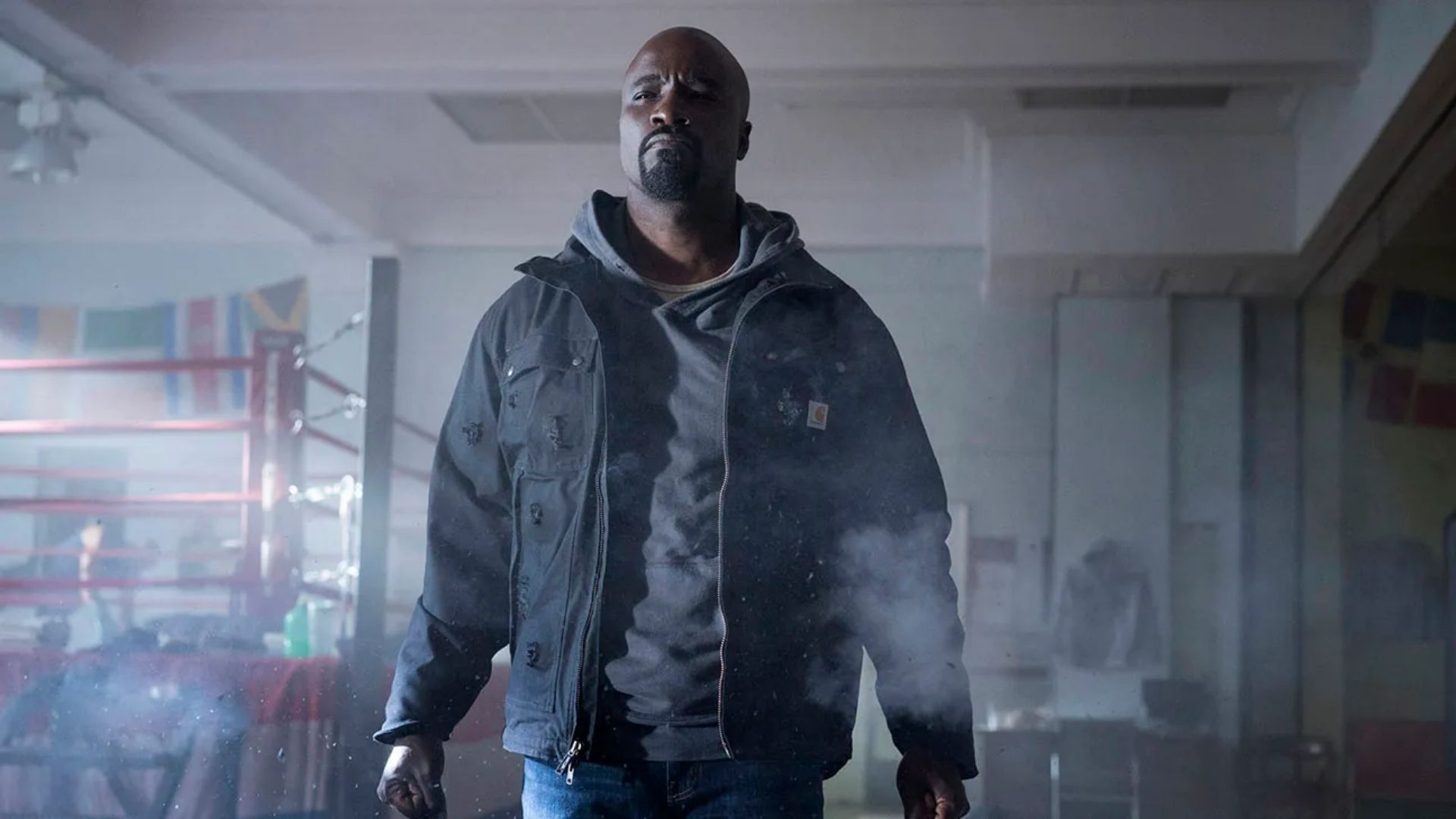
13. Luke Cage
Luke Cage was Marvel’s love letter to Harlem. The first season shone thanks to Mahershala Ali’s Cottonmouth, one of the most compelling villains Marvel television ever produced. Though the storyline was great, the story lost some steam after his exit. The second season dug deeper into Luke’s moral dilemmas but couldn’t quite reach the highs of Jessica Jones or Daredevil. Even after its uneven execution, it remains a bold and relevant inclusion in Marvel’s lineup.
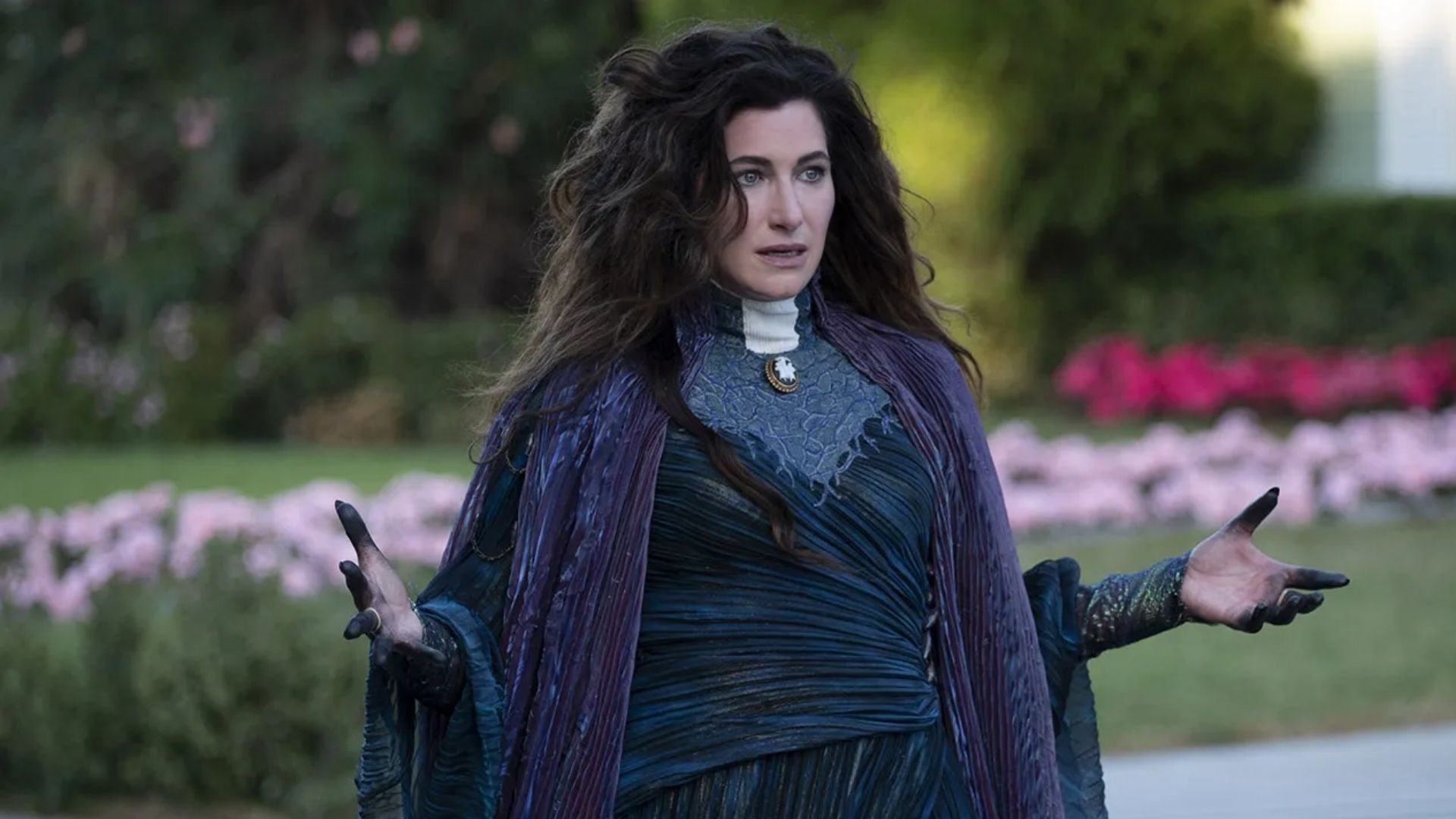
12. Agatha All Along
Agatha All Along was one of Marvel’s most delightful surprises from WandaVision; Kathryn Hahn’s witchy, scene-stealing Agatha Harkness. The series focused fully into her darkly comic charm and explored her place in Marvel’s magical world. Unlike Marvel’s heavier shows, Agatha All Along was all about mischief and humor, and showed that not every Marvel series needs to carry the weight of the universe on its shoulders. For fans tired of overly serious storytelling, this show was a refreshing change of pace.
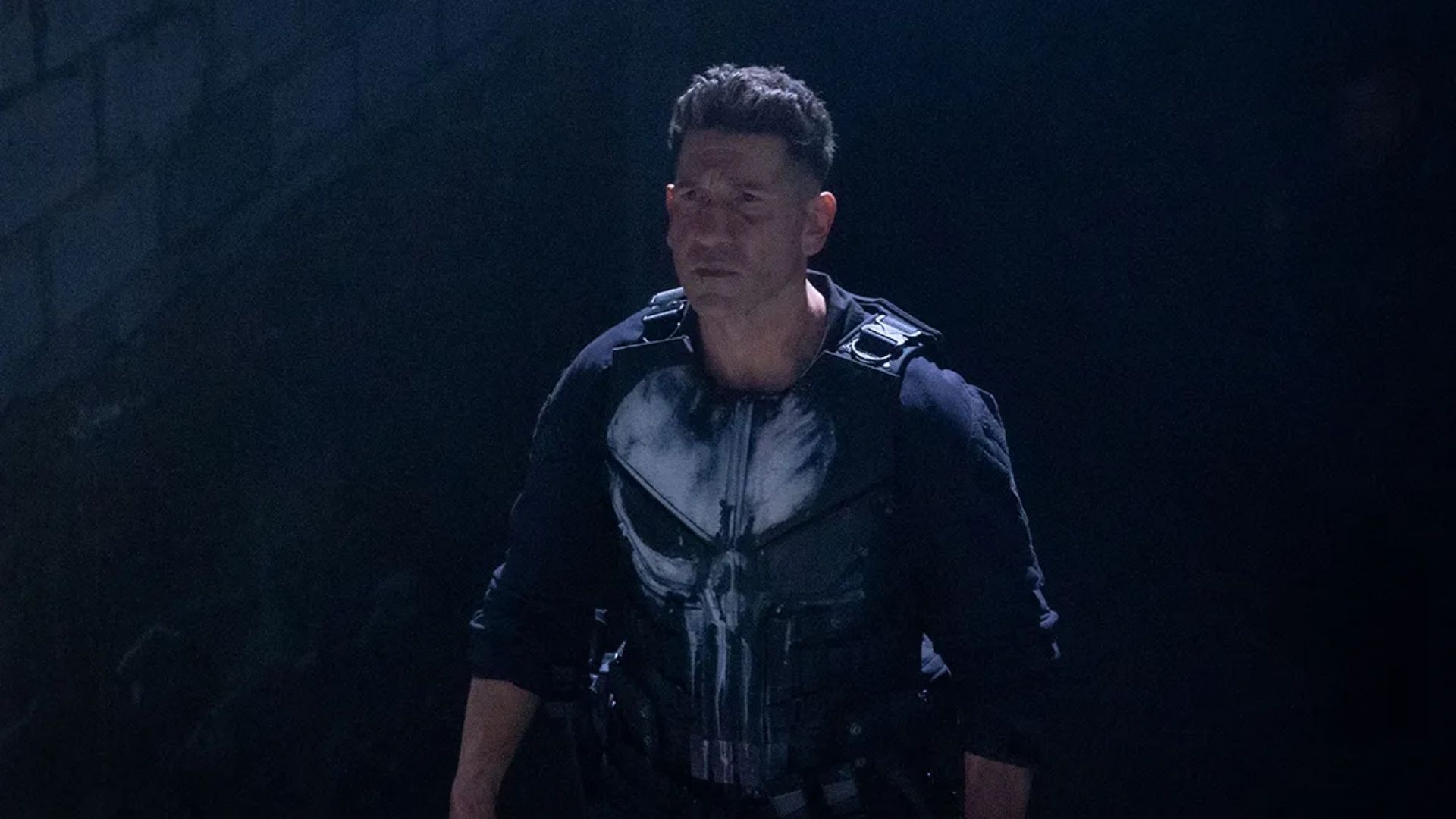
11. The Punisher
The Punisher pushed Marvel television into its darkest territory. Jon Bernthal’s Frank Castle received his own series, and he didn’t hold back. Season 1’s story of conspiracy and betrayal was gripping, while Season 2 gave more space to explore Frank’s humanity, even if the pacing sometimes fell apart. Even now, many fans still argue that Bernthal gave the best Punisher performance; one that will be hard for Marvel ever to top.
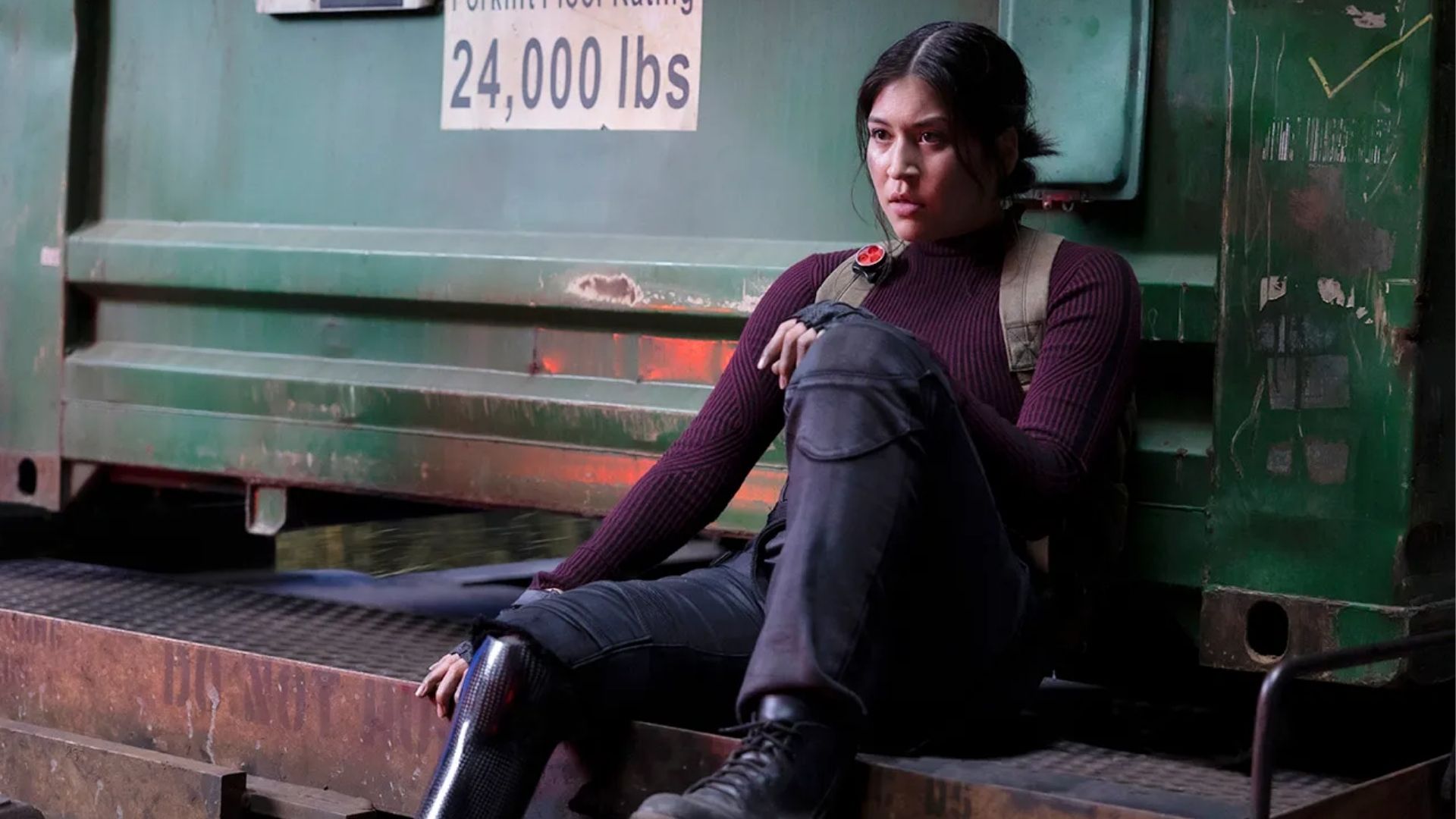
10. Echo
Echo was Marvel’s first attempt at a 'different' type of Disney+ story. Spinning out of Hawkeye, it centered on Alaqua Cox’s Maya Lopez, a deaf Choctaw woman torn between her violent past and her search for identity. Echo may not have been Marvel’s biggest hit, but its shorter format, character depth, and cultural impact made it a promising step forward for Marvel TV.
9. Hawkeye
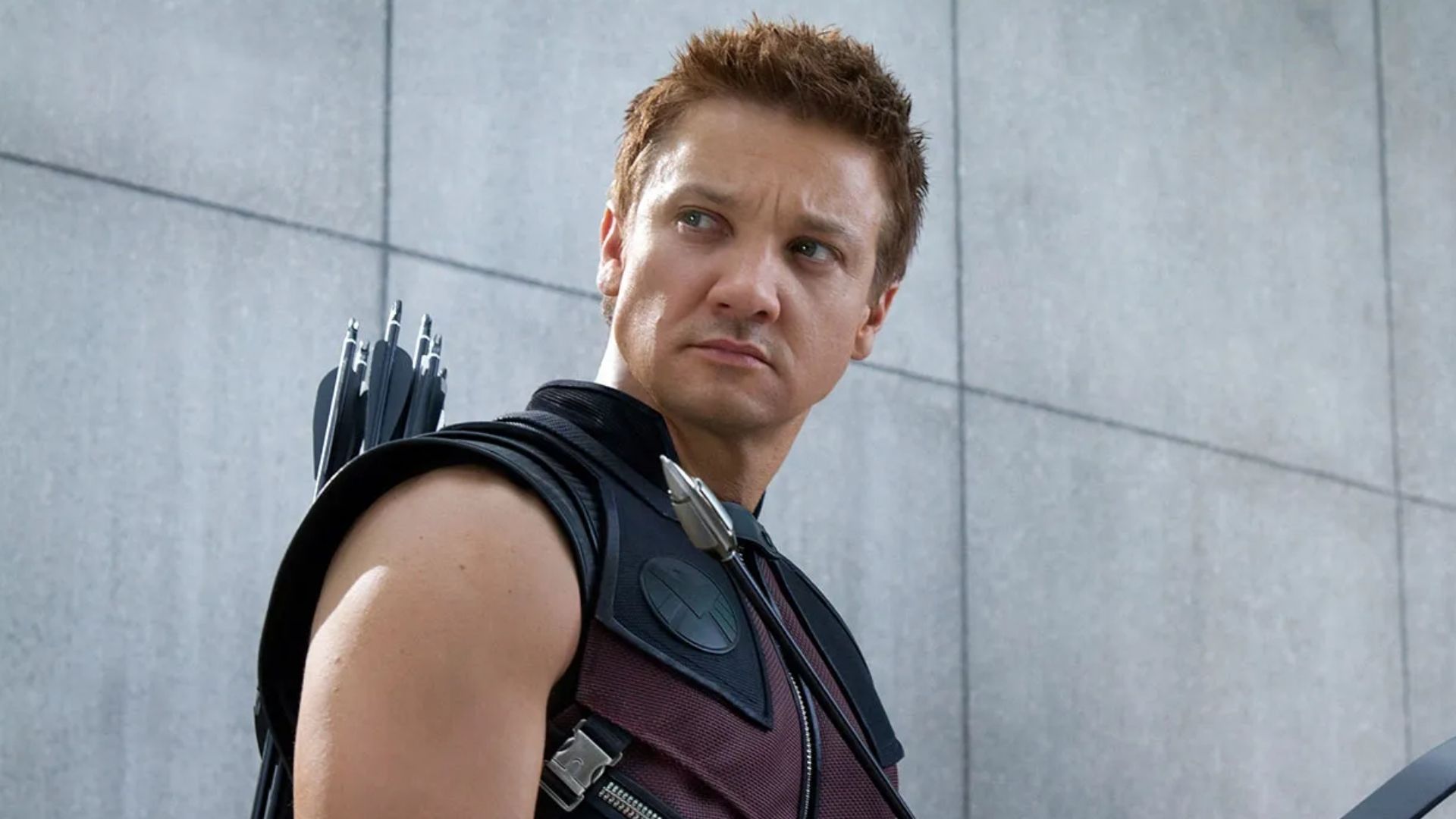
Hawkeye finally gave Clint Barton, often the most overlooked Avenger, a story of his own. But what really made the series shine was Hailee Steinfeld’s introduction as Kate Bishop, who stole nearly every scene she was in. It was never Hawkeye’s goal to reinvent Marvel television. Still, it succeeded in being exactly what it needed to be, a fun, character-driven series that passed the baton to a new hero and gave Barton his long-awaited spotlight.
8. Ms. Marvel
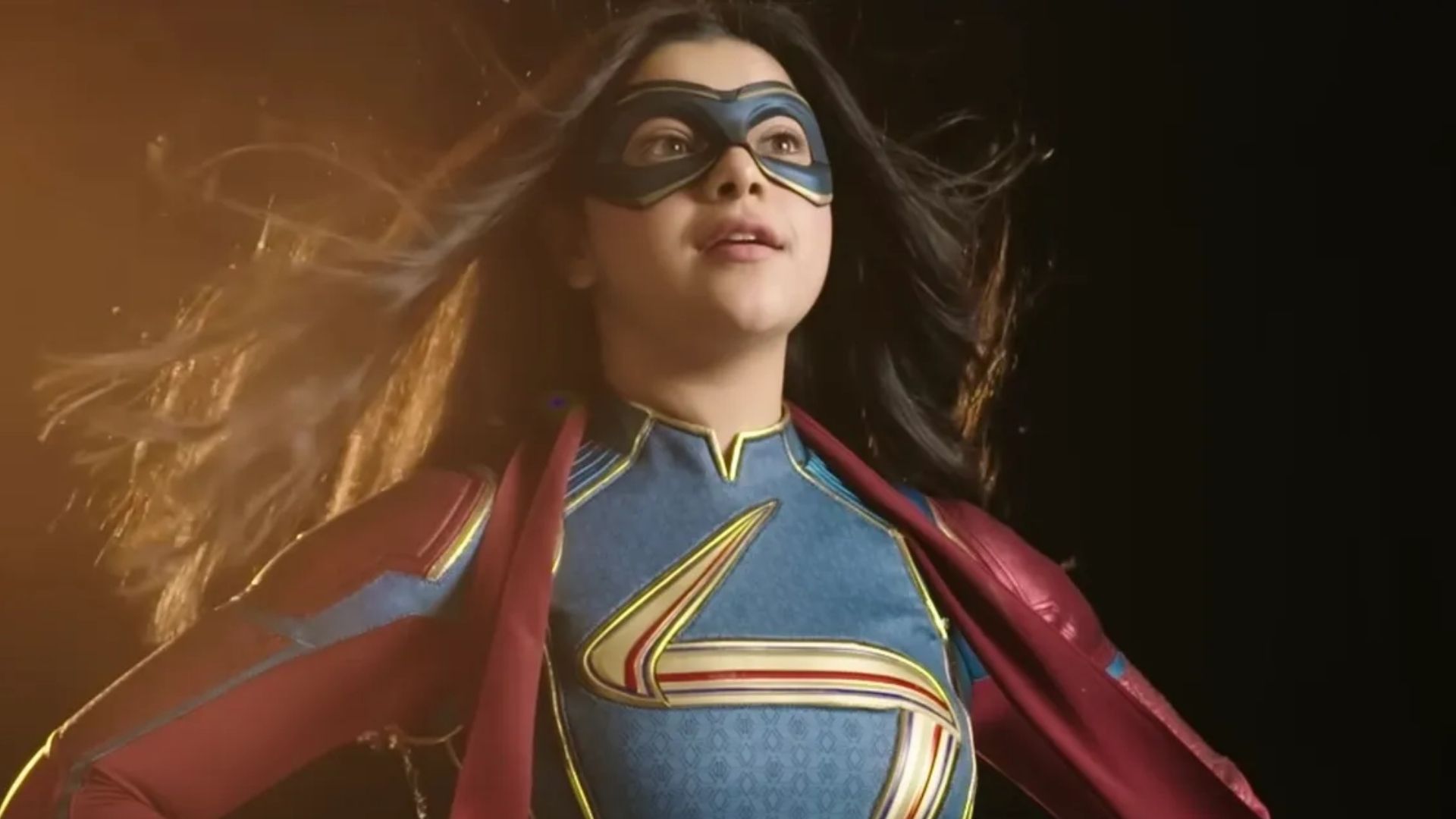
Ms. Marvel brought a fresh new face to Marvel TV with Kamala Khan. Iman Vellani played her with so much energy that it was hard not to smile whenever she was on screen. Yes, her powers were a little different from the comics, and not everyone loved that change. But most fans agreed the heart of the show made up for it. It wasn’t about giant battles or saving the universe; it was about a girl finding out who she is.
7. Moon Knight
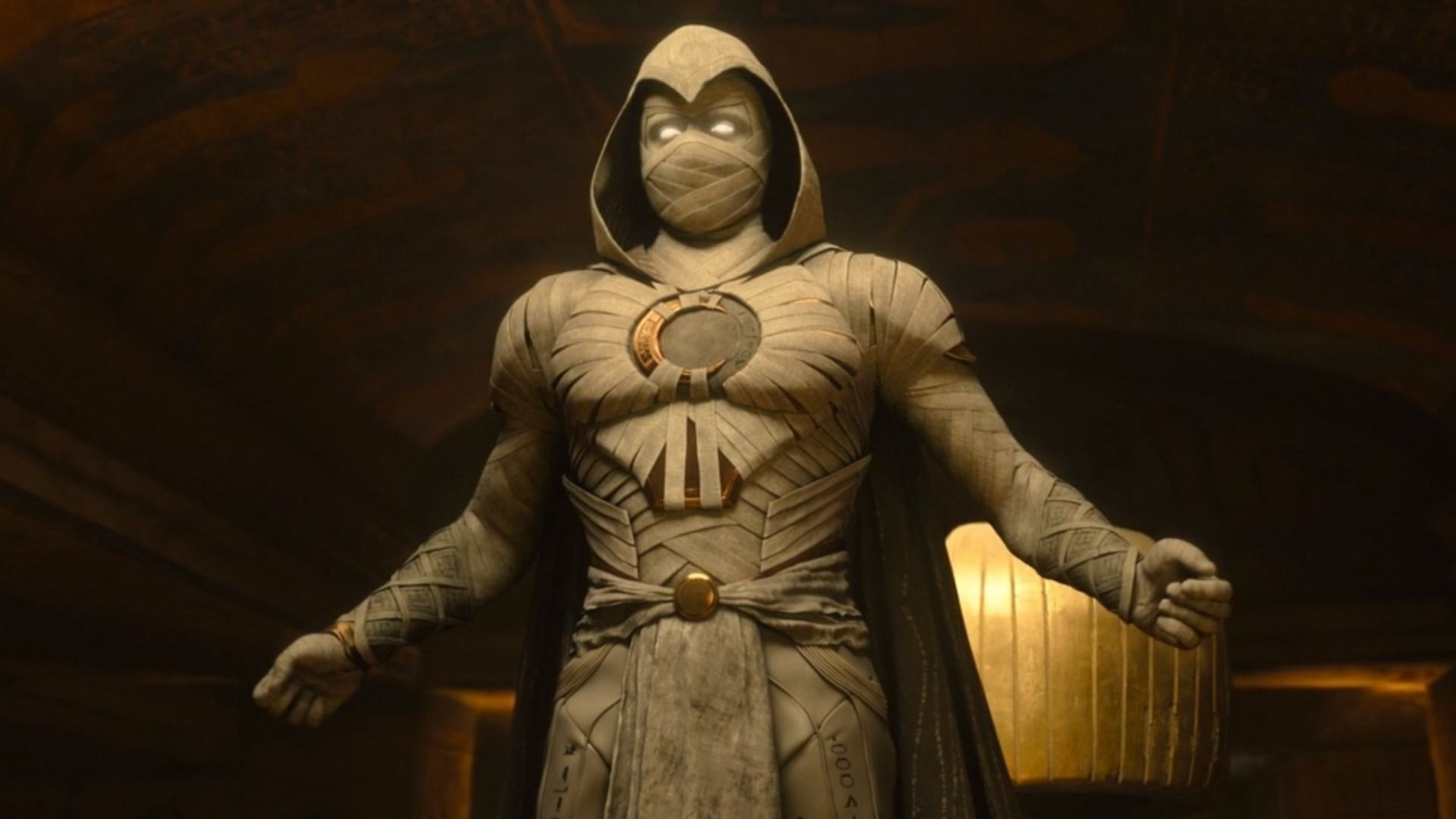
Moon Knight was one of Marvel’s strangest and boldest shows. Oscar Isaac played Steven Grant, a typical gift shop worker, and Marc Spector, two very different personalities trapped in the same body. Watching Isaac switch between the two made the show worth it on its own. The story also focused on Egyptian mythology, with gods, ancient rituals, and imagery that often felt like a dream or a nightmare. But not everything worked perfectly. Some episodes moved slowly, and the finale turned into a more typical Marvel-style showdown.
6. Jessica Jones
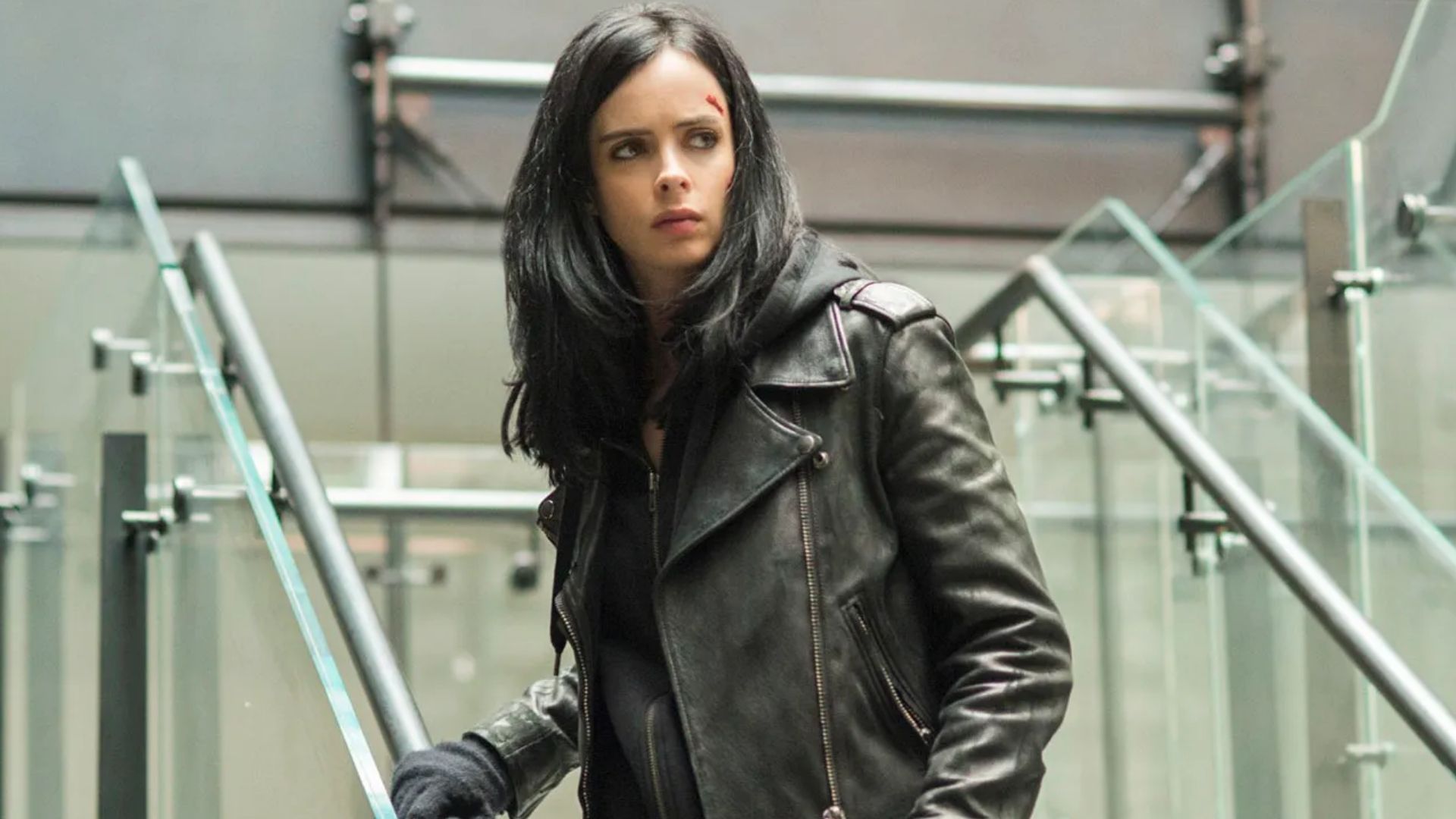
When it comes to Marvel’s Netflix lineup, Jessica Jones still stands out as one of the boldest experiments. Krysten Ritter gave us a hero who wasn’t glamorous; Jessica was messy, sarcastic, and deeply human. She drank too much, hated small talk, and carried more baggage than most heroes ever admit to, which made her one of the most relatable characters Marvel TV has given us. Season 1 is the big reason fans still rave about this show. But the later seasons didn’t quite hit the same high, but they still gave us more of Jessica’s rough-around-the-edges charm.
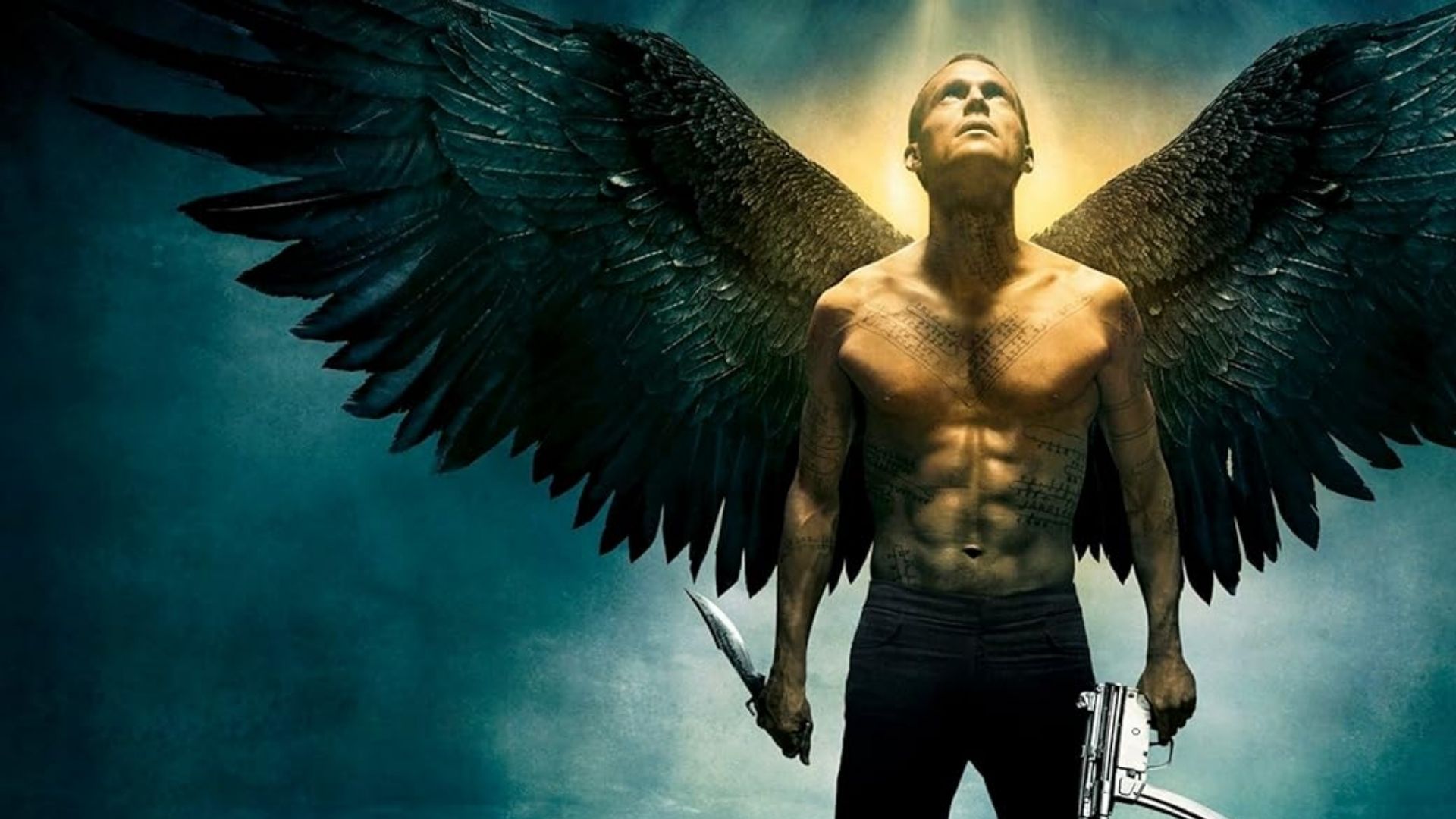
5. Legion
Legion was Marvel television at its most daring. Loosely tied to the X-Men universe, it followed David Haller, a powerful mutant diagnosed with schizophrenia, as he tried to separate reality from delusion. Played brilliantly by Dan Stevens, David was both tragic and terrifying, which made him one of Marvel’s most complex protagonists. Over three seasons, Legion explored power, trauma, and identity in ways no other Marvel show dared. Sure, it wasn’t always easy to follow, but that was the point. Legion proved superhero TV could be artful, challenging, and unforgettable.
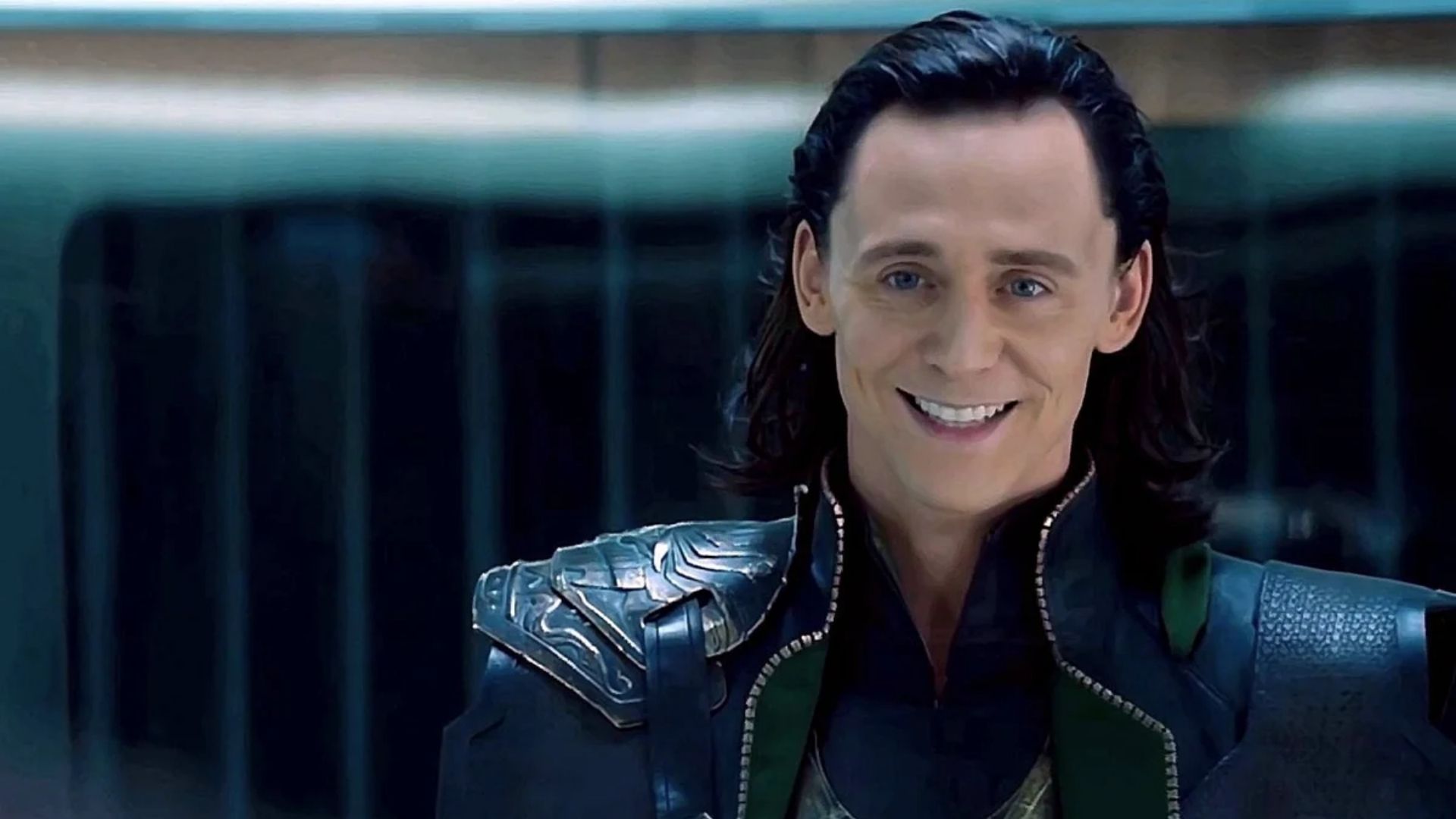
4. Loki
Out of all Marvel shows, Loki might be the one that surprised fans the most. The God of Mischief had always been a fan favorite in the movies, but here Tom Hiddleston finally got room to stretch the character beyond the usual villain routine. Instead of just causing chaos, we saw Loki wrestling with questions about destiny, identity, and whether he could ever really change. By the end of Season 1, fans knew it was the launchpad for Marvel’s next big saga.
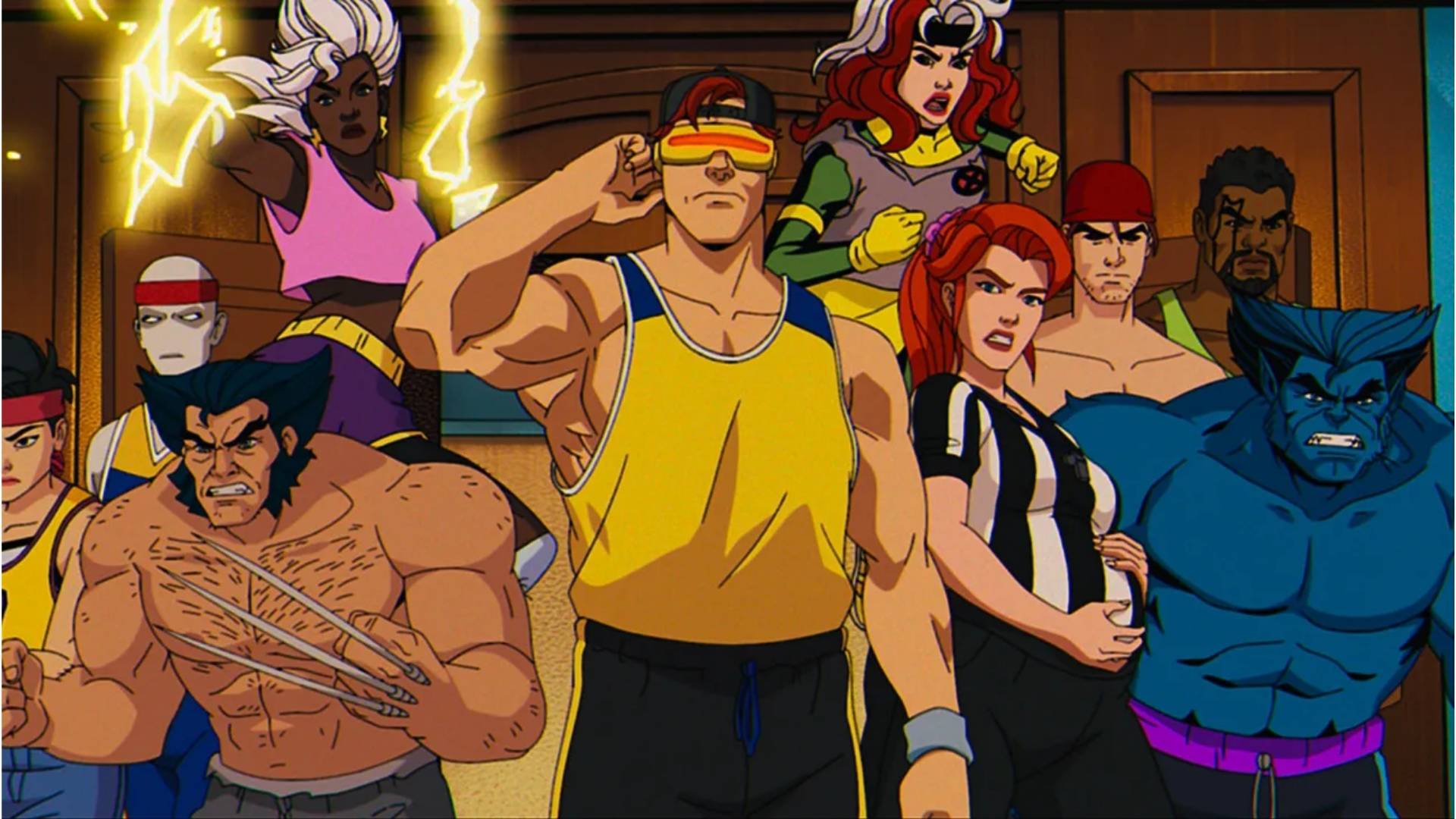
3. X-Men ’97
X-Men ’97 resurrected one of the most beloved animated series of the ’90s and gave it a modern revival worthy of its legacy. Longtime fans were thrilled to see familiar characters return, while new viewers found the storylines just as relevant as ever. Unlike many reboots, X-Men ’97 pushed the characters into bold new storylines, blended action, politics, and emotional drama that felt fresh. For many, it was proof that Marvel animation can be just as impactful as the movies we are used to.
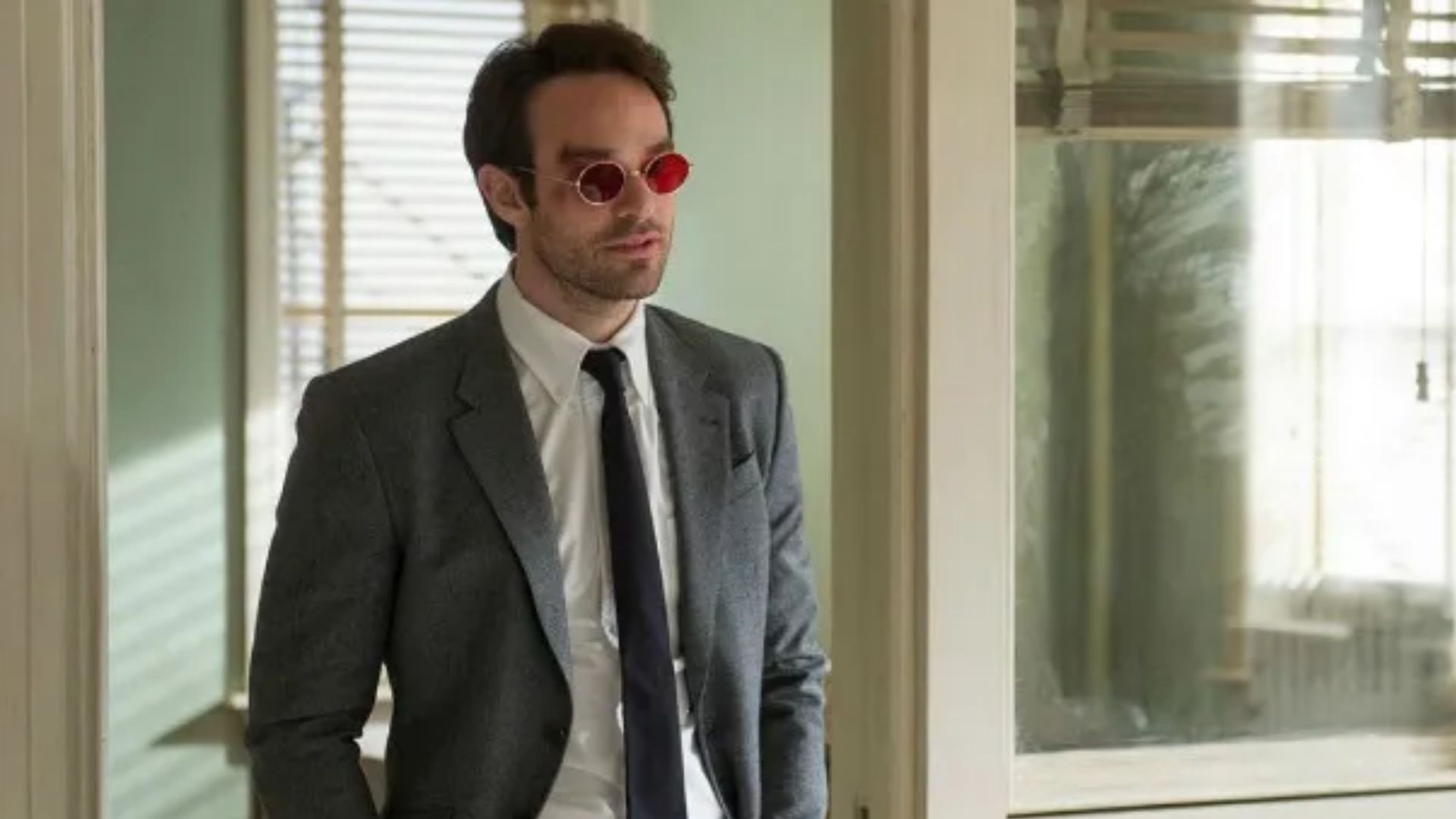
2. Daredevil
Daredevil remains a beloved Marvel television jewel. As the very first Marvel Netflix series, it set the tone for a darker superhero story, and Charlie Cox nailed the role of Matt Murdock. The famous hallway sequence from Season 1 remains a standout among Marvel's best action scenes, and it still holds its spectacular position as ever.

1. WandaVision
WandaVision was unlike anything Marvel had ever done on TV. Instead of jumping straight into battles and villains, the show started as a love letter to classic sitcoms. One week, it looked like a 1950s black-and-white comedy, the next it jumped to a ’90s family show. At the center of it all was Wanda Maximoff, played brilliantly by Elizabeth Olsen, while Paul Bettany’s Vision added warmth and wit to the relationship. Every week, fan theories exploded online, and the mystery kept growing, which proved superhero TV could be experimental and emotional.