
15 TV Characters Who Destroyed Their Own Happy Endings

Villanelle in 'Killing Eve'
In 'Killing Eve,' Villanelle doesn’t so much sabotage happiness as she’s trapped between who she was and who she wants to become. By the finale, she reaches a rare moment of peace and connection with Eve, even experiencing genuine happiness. However, her violent past and the world she belongs to refuse to release her. That tension ultimately ensures her happiness remains fleeting and tragically out of reach.

Norma Bates in 'Bates Motel'
Norma Bates dedicates her life to protecting her son Norman, but her love becomes dangerously suffocating. By refusing to confront his psychological issues, she traps both of them in a destructive cycle. Opportunities to escape or seek help do arise, yet Norma’s denial prevents meaningful change. In the end, her inability to acknowledge reality ensures that neither she nor her son can achieve a peaceful or happy future.

Philip Jennings in 'The Americans'
Philip Jennings longs for a normal, peaceful life but remains trapped in espionage. Unlike Elizabeth, who rarely questions their mission, Philip is deeply conflicted between duty and personal desire. This inner struggle leaves him emotionally drained and unable to fully commit to either path. In the end, he survives—but at the cost of losing the life and relationships that once gave his existence meaning.
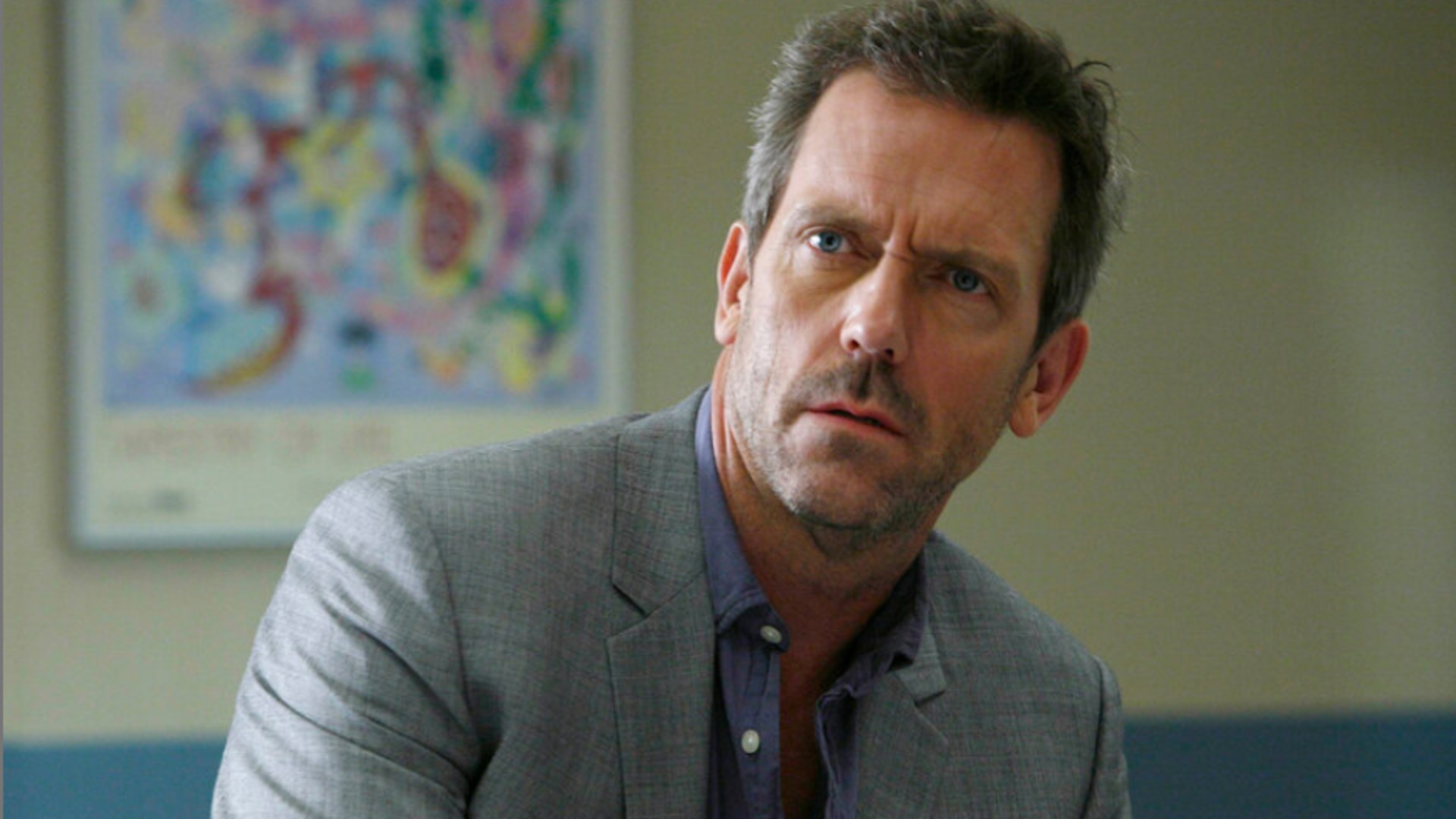
Gregory House in 'House M.D.'
Gregory House repeatedly rejects the possibility of happiness, convinced he neither needs nor deserves it. Though he forms meaningful connections, particularly with Wilson and Cuddy, his addiction, cynicism, and self-destructive tendencies undo them. Time and again, he chooses pain over growth. In the end, House remains a brilliant doctor, but one whose personal life is left in ruins by his own choices.
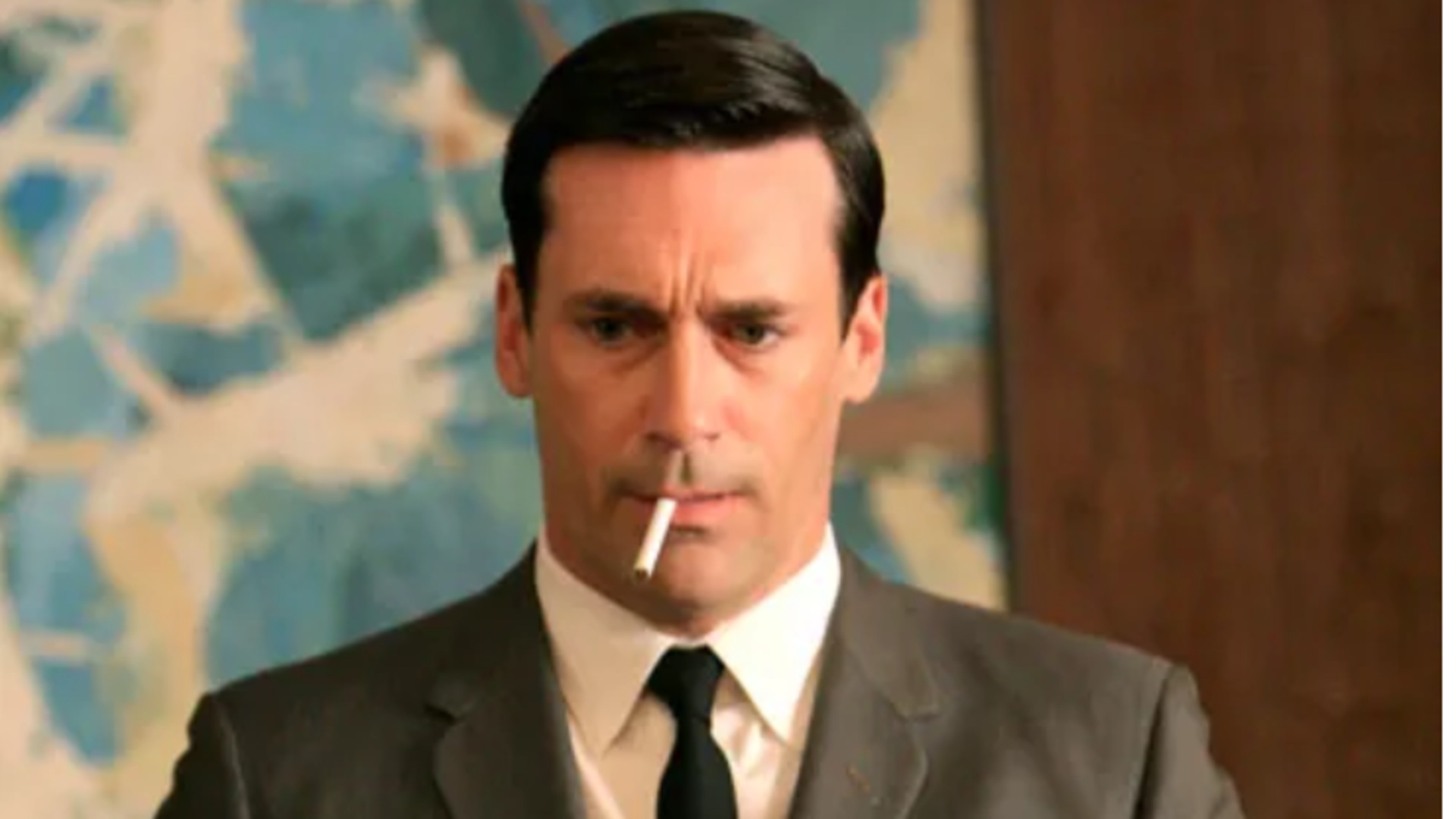
Don Draper in 'Mad Men'
In 'Mad Men,' Don Draper constantly searches for reinvention but never finds true fulfillment. His pattern of infidelity, emotional detachment, and ongoing identity crisis repeatedly undermines his chances at happiness. Even when presented with opportunities for stability and connection, Don retreats into lies and escapism. His inability to confront his true self ensures that every fresh start ultimately leads him back to the same emptiness.

Daenerys Targaryen in 'Game of Thrones'
The arc of Daenerys Targaryen in 'Game of Thrones' transforms her from a hopeful liberator into a ruler consumed by power. Her mission to “break the wheel” gradually gives way to domination driven by fear. As her methods grow more ruthless, she alienates allies and loses the moral clarity that once defined her. In the end, her own choices lead to isolation, betrayal, and a tragic downfall.
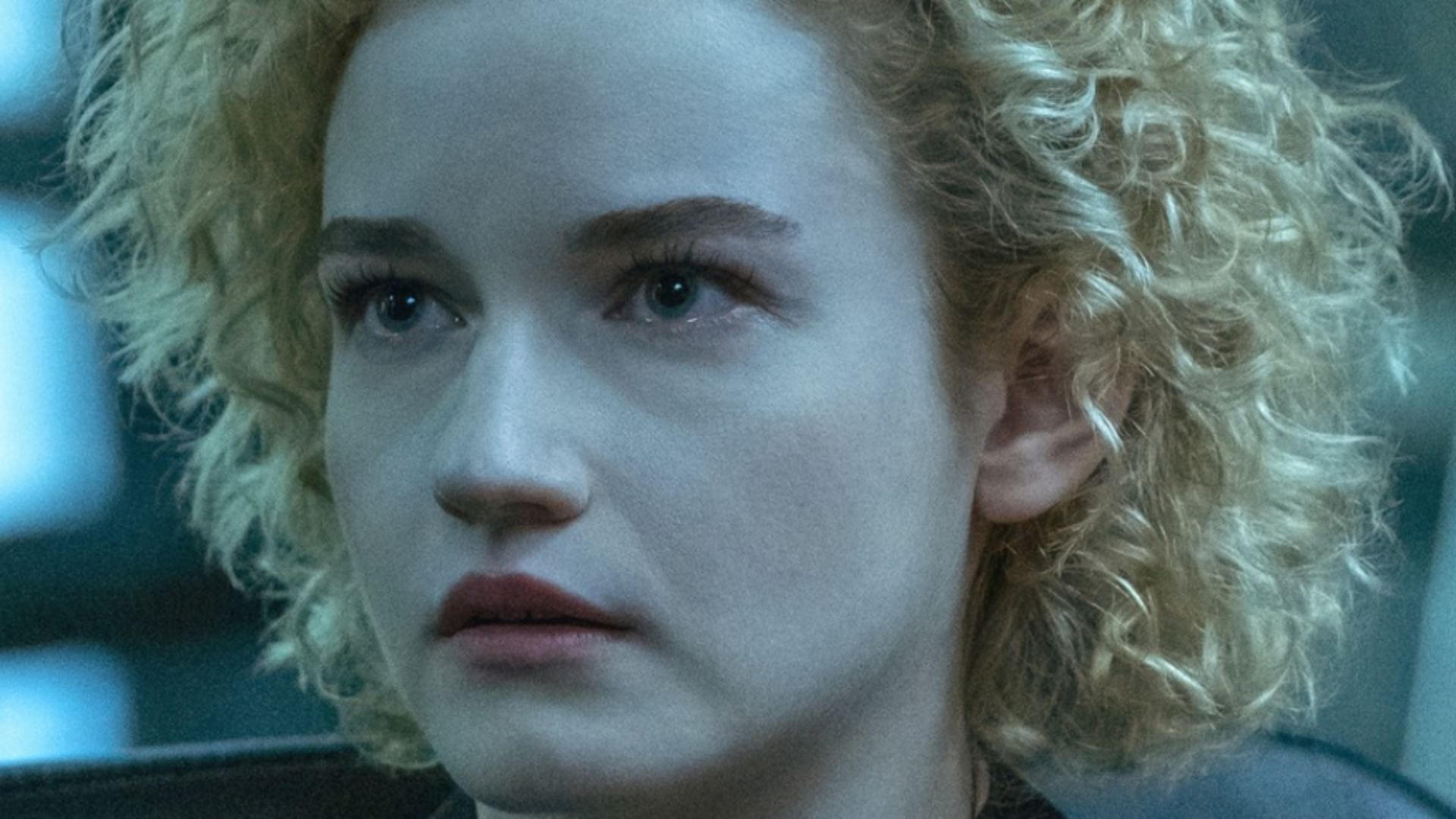
Ruth Langmore in 'Ozark'
Ruth Langmore relentlessly tries to rise above her circumstances and build a better life. However, her deep ties to crime and her desire for revenge continually pull her back. Even when she comes close to freedom and prosperity, her past actions catch up with her. Ruth’s story ends tragically, made more painful by the fact that she nearly escapes the life that ultimately consumes her.
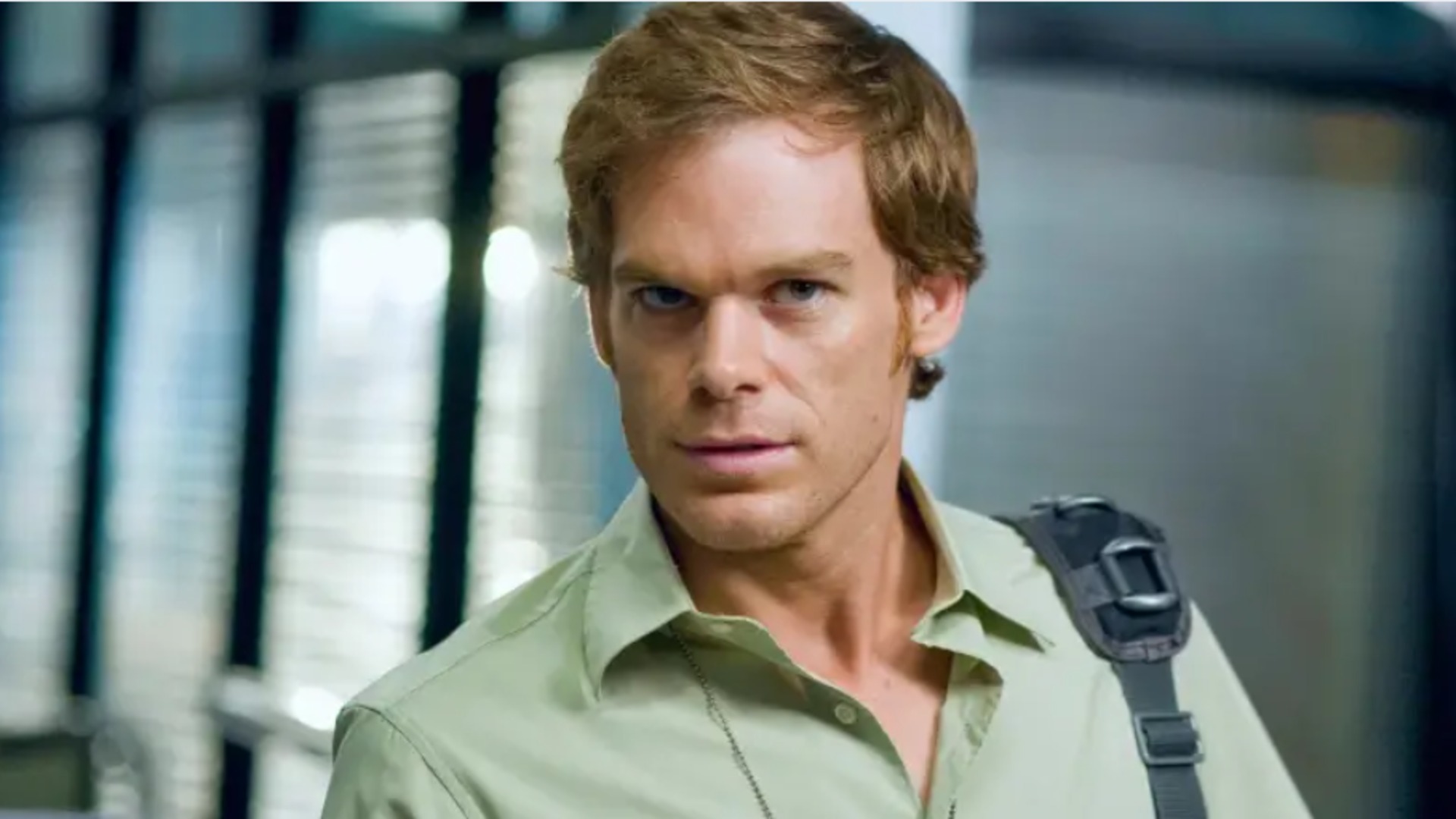
Dexter Morgan in 'Dexter'
Dexter Morgan spends years trying to balance his violent urges with a personal moral code. However, his inability to truly change leads to the loss of everything he values. As his secret unravels, both his personal and professional relationships collapse. Despite repeated chances at a different life, Dexter ultimately chooses isolation, unable to confront himself or escape the consequences of who he really is.

Cassie Howard in 'Euphoria'
In 'Euphoria,' Cassie Howard craves love and acceptance, but her choices repeatedly damage her mental health. Her romantic entanglements stem from low self-worth, pushing her into destructive behavior that harms both herself and those around her. Instead of finding stability, she spirals further with every decision. Ultimately, Cassie’s lack of self-love becomes the core reason she sabotages any chance at a happy ending.
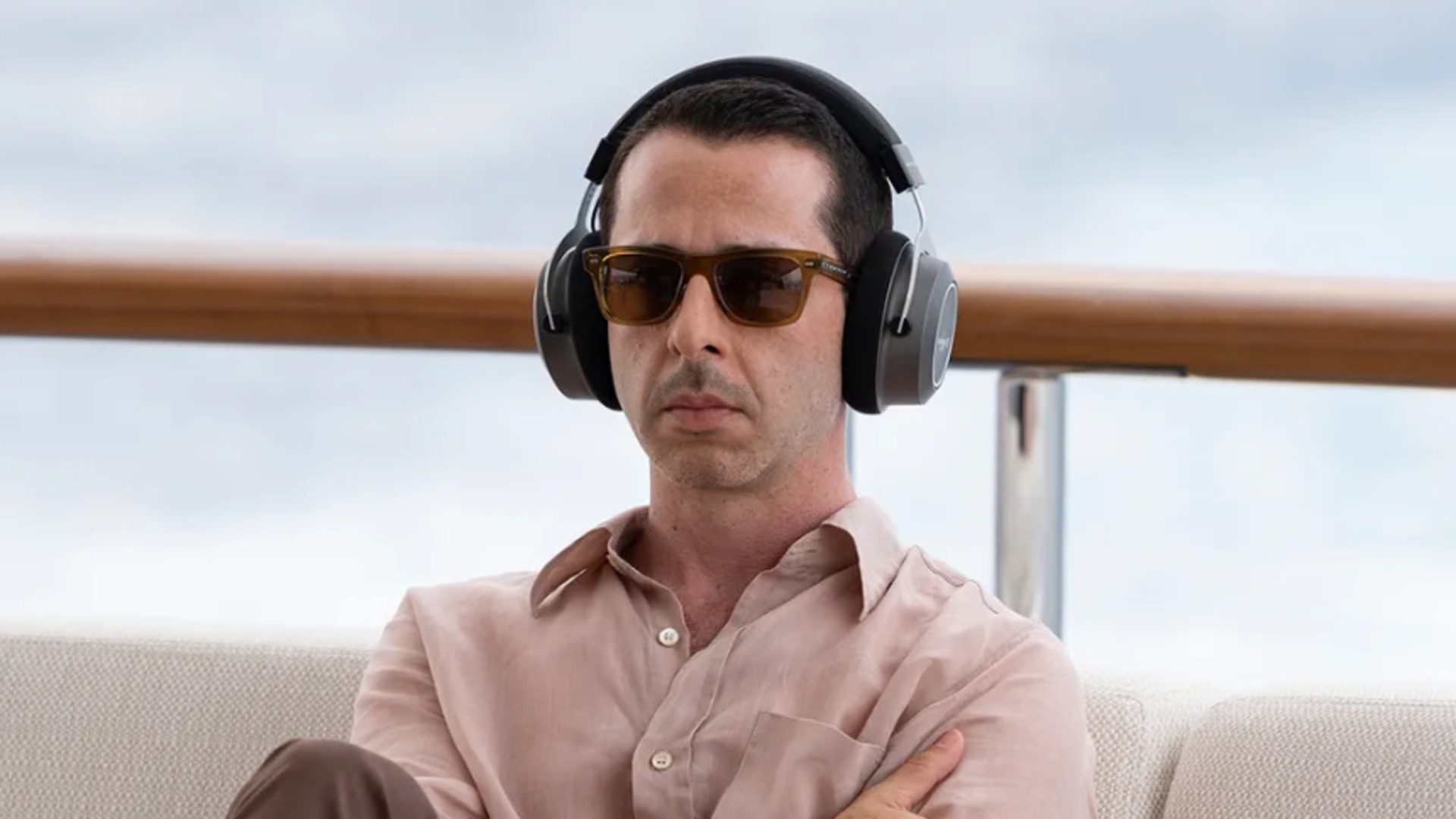
Kendall Roy in 'Succession'
Kendall Roy repeatedly inches toward a happy ending, only to sabotage himself. His arrogance, poor judgment, and inability to sustain trust undo his progress. At his closest point to becoming CEO, he overplays his hand, alienates his siblings, and disregards fragile alliances. Kendall’s downfall isn’t sudden—it’s the result of a pattern of self-destructive decisions that ultimately cost him everything he’s been chasing.
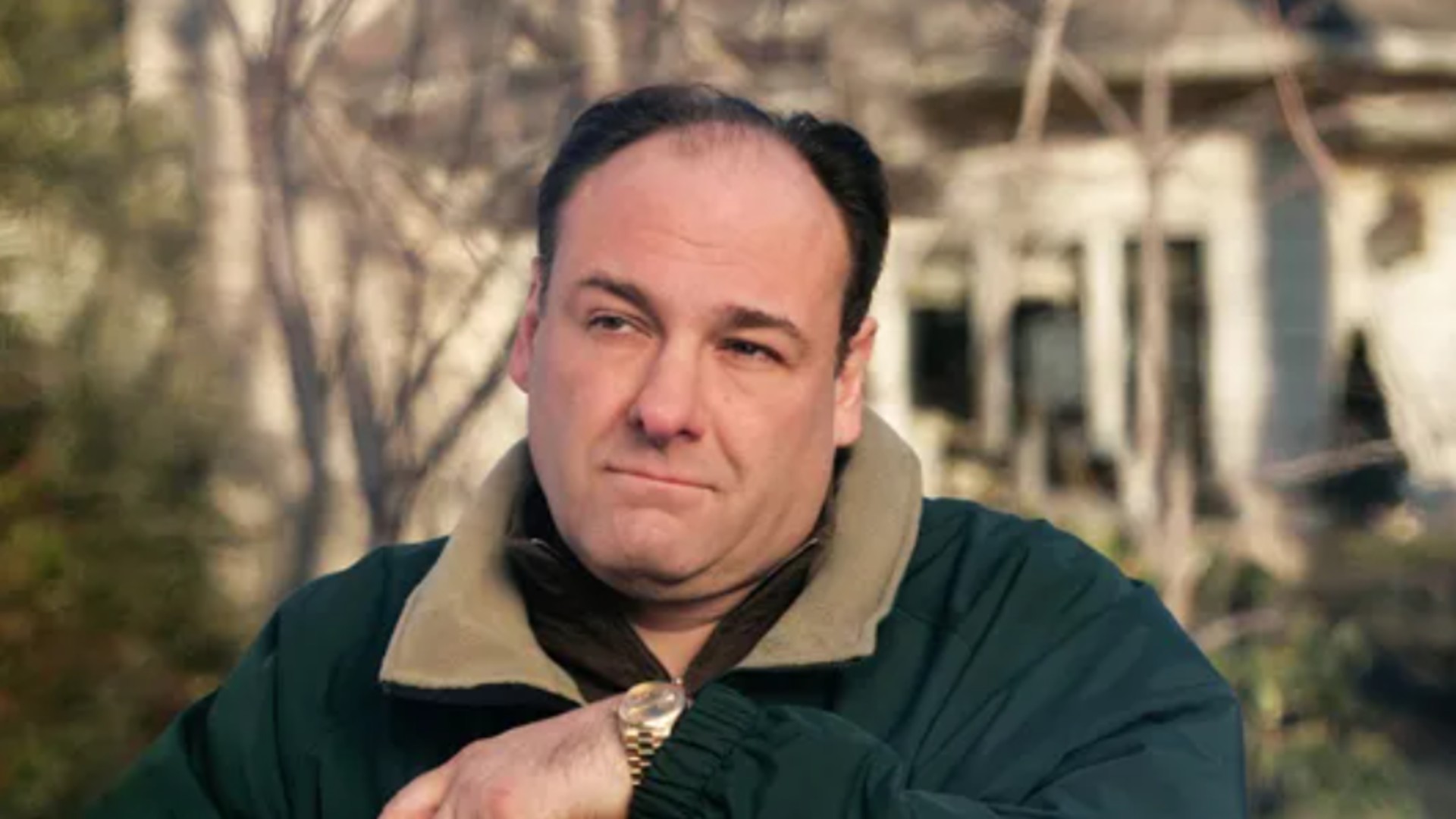
Tony Soprano in 'The Sopranos'
In 'The Sopranos,' Tony Soprano is given multiple opportunities for self-improvement, even through therapy, yet he consistently refuses to change. Defined by violence, arrogance, and an inability to break free from his criminal cycle, he remains stuck in destructive patterns. Although he gains moments of self-awareness, Tony repeatedly chooses the easier path. In doing so, he ensures that any chance at a truly happy or peaceful ending slips away.
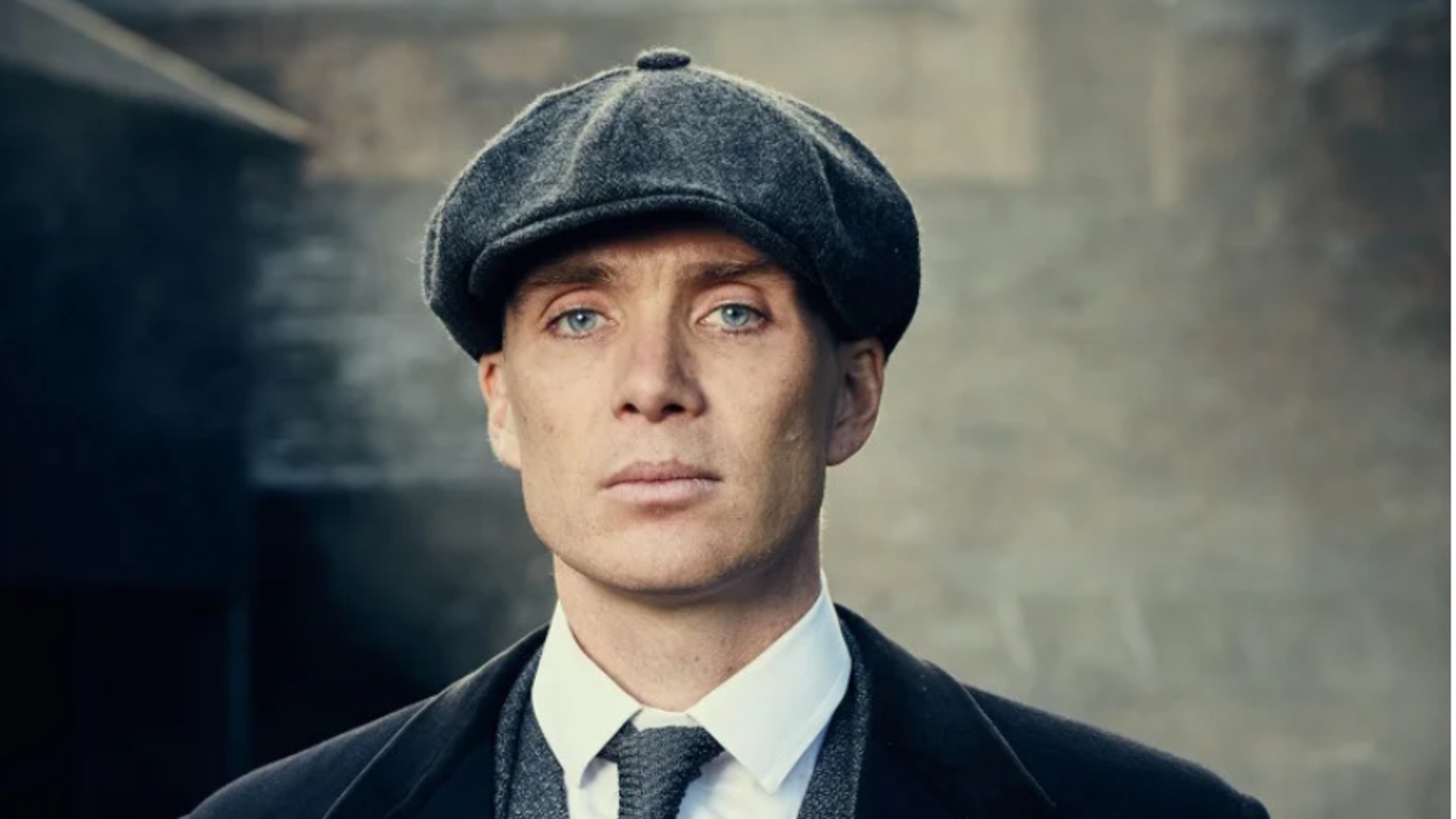
Tommy Shelby in 'Peaky Blinders'
In 'Peaky Blinders,' Tommy Shelby is driven by trauma, ambition, and an unrelenting hunger for power. As he rises in status and wealth, he increasingly neglects his emotional well-being and personal happiness. Haunted by grief and guilt, he falls into a recurring cycle of self-destruction. Even when moments of peace present themselves, Tommy rejects them, convinced that a quieter life is not meant for someone like him.
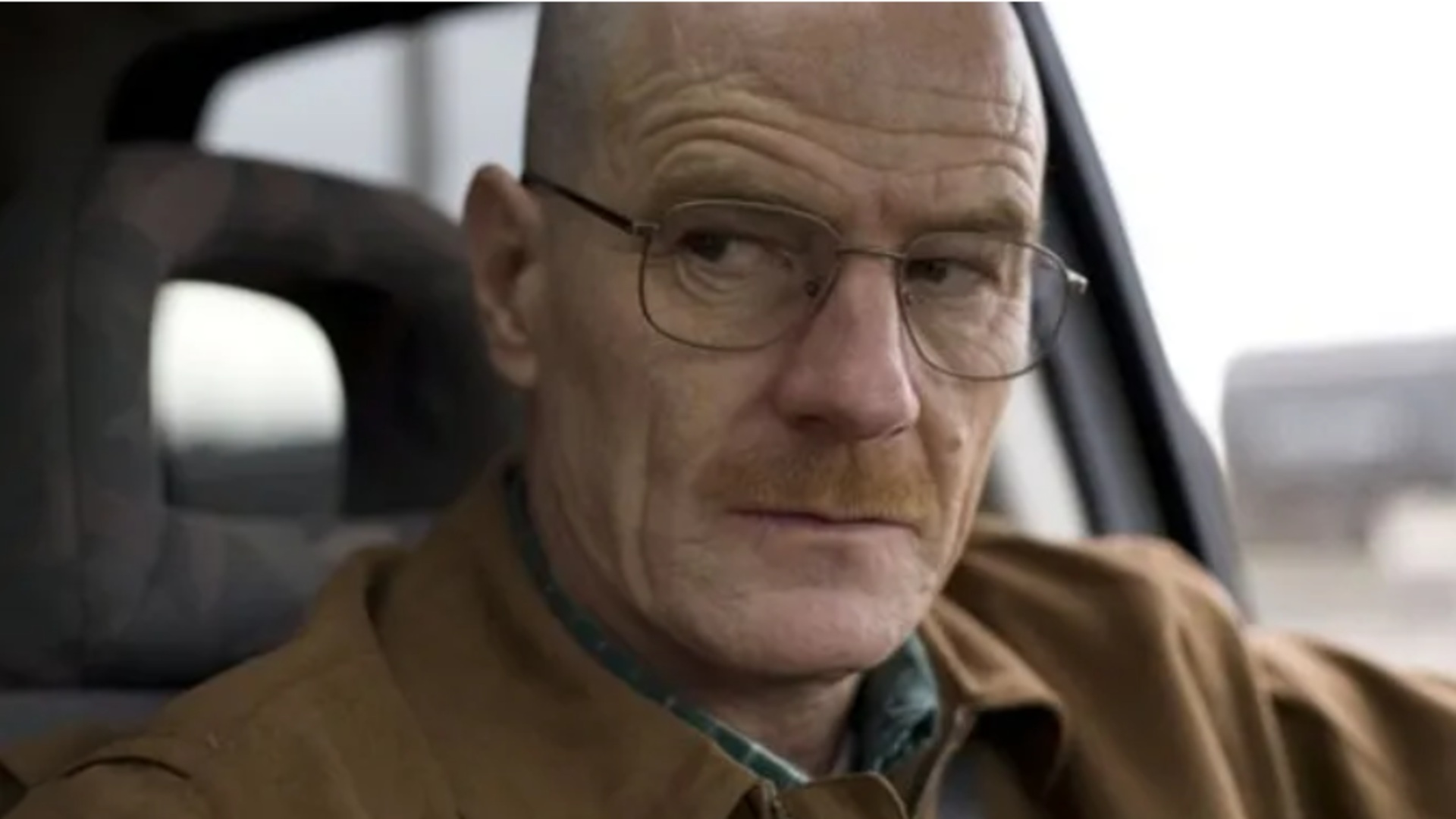
Walter White in 'Breaking Bad'
Walter White destroys his own chance at a happy ending by transforming a desperate situation into a quest for power. What begins as a means to secure his family’s future evolves into a path defined by pride, ego, and greed. Though he achieves financial success and control, he loses the very relationships he set out to protect, ultimately ending in isolation and irreversible damage.
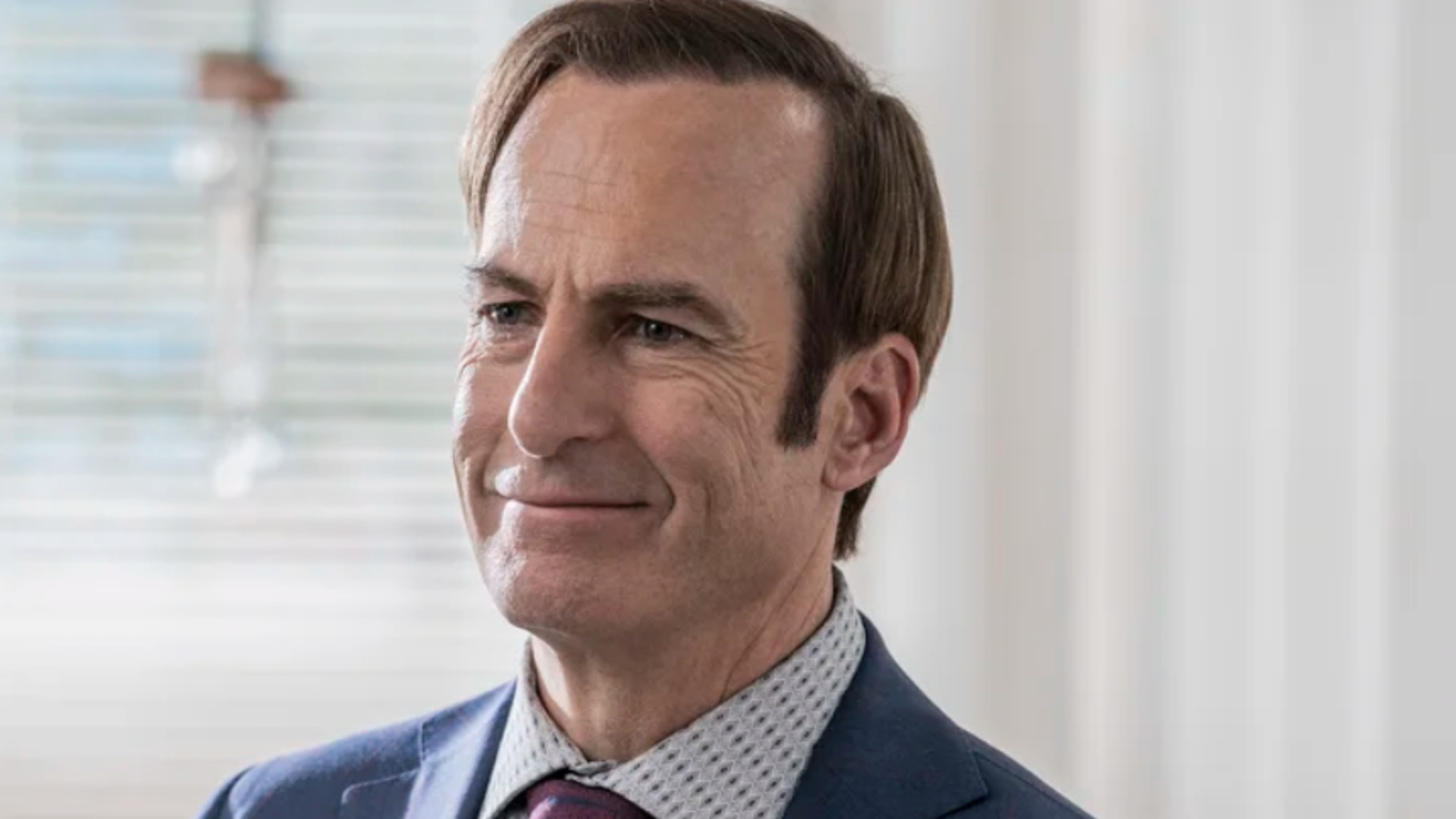
Jimmy McGill in 'Better Call Saul'
Jimmy McGill repeatedly approaches redemption but ultimately reverts to Saul Goodman. His relationship with Kim offers him a genuine chance at happiness, yet his instinct for shortcuts and manipulation undermines it. Each step forward is followed by regression. By the end, Jimmy finally accepts responsibility for his actions—but only after destroying the one relationship that truly gave him a shot at a better life.
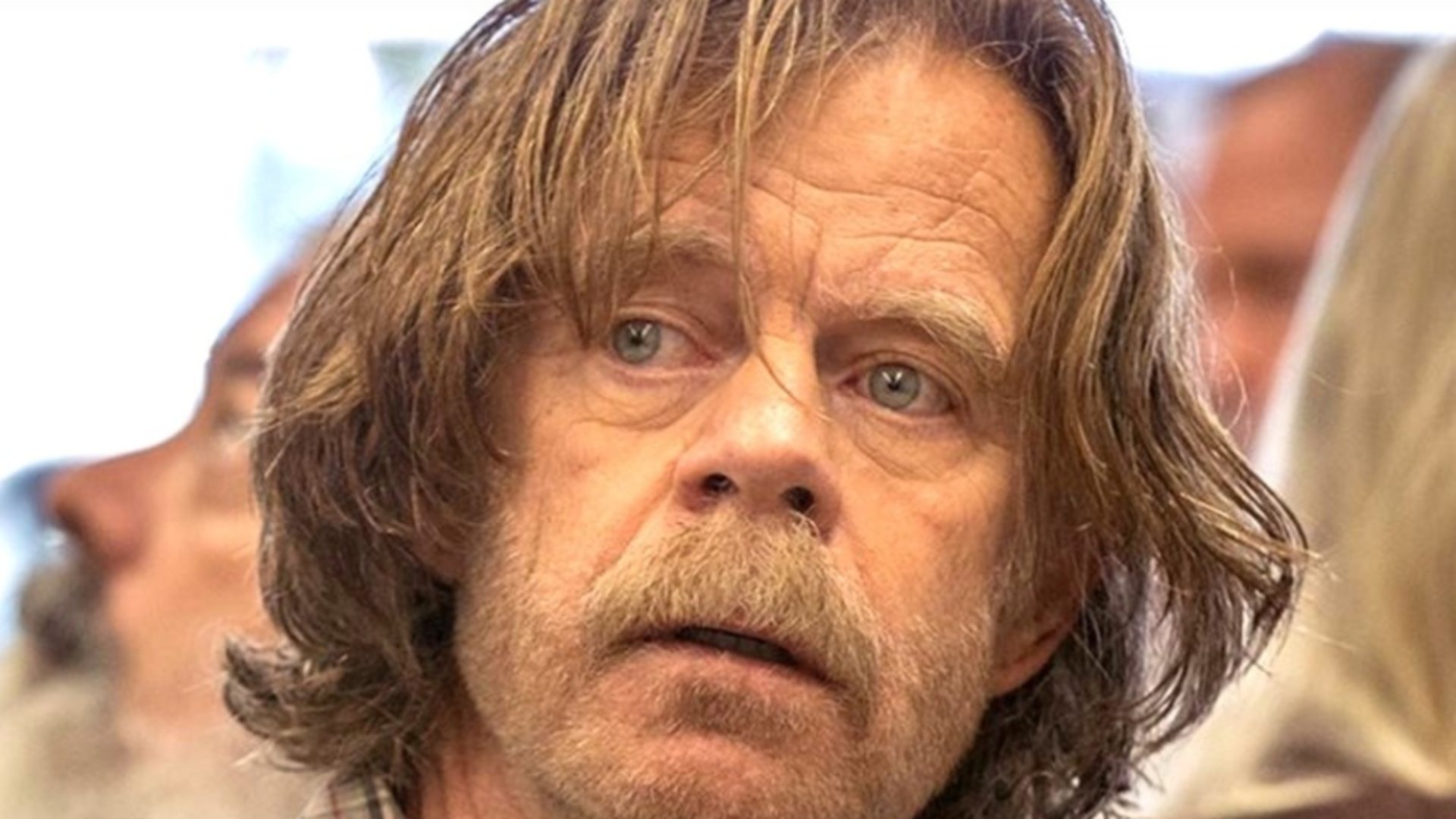
Frank Gallagher in 'Shameless'
Frank Gallagher destroys any chance at a happy ending through years of addiction, selfishness, and chaos. He consistently chooses indulgence over family and stability. By the finale, his decline into alcoholic dementia and a reckless attempt to end his life reflect a cycle he never breaks. He ultimately dies alone in a hospital, and even his final letter lacks genuine remorse or reconciliation.