
25 Overhyped TV Shows That Failed To Meet Expectations
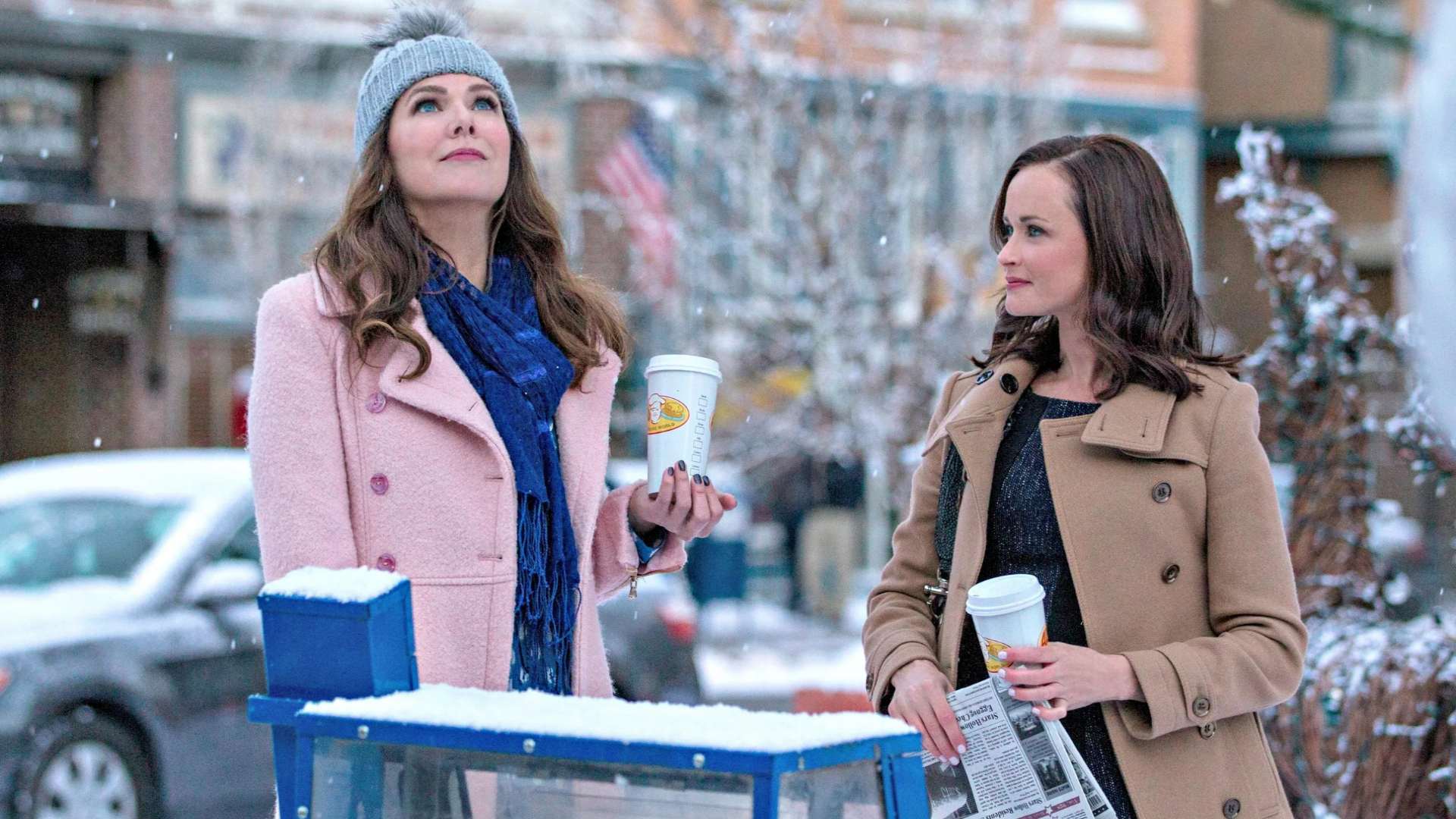
25. Gilmore Girls: A Year in the Life
Fans eagerly returned to Stars Hollow for Gilmore Girls: A Year in the Life, but the magic felt off. The four-part Netflix revival offered nostalgia without substance, leaning on old jokes instead of growth. Lorelai and Rory’s arcs felt stagnant, and the infamous “final four words” left fans furious. What was meant as a heartfelt reunion became a bittersweet farewell.
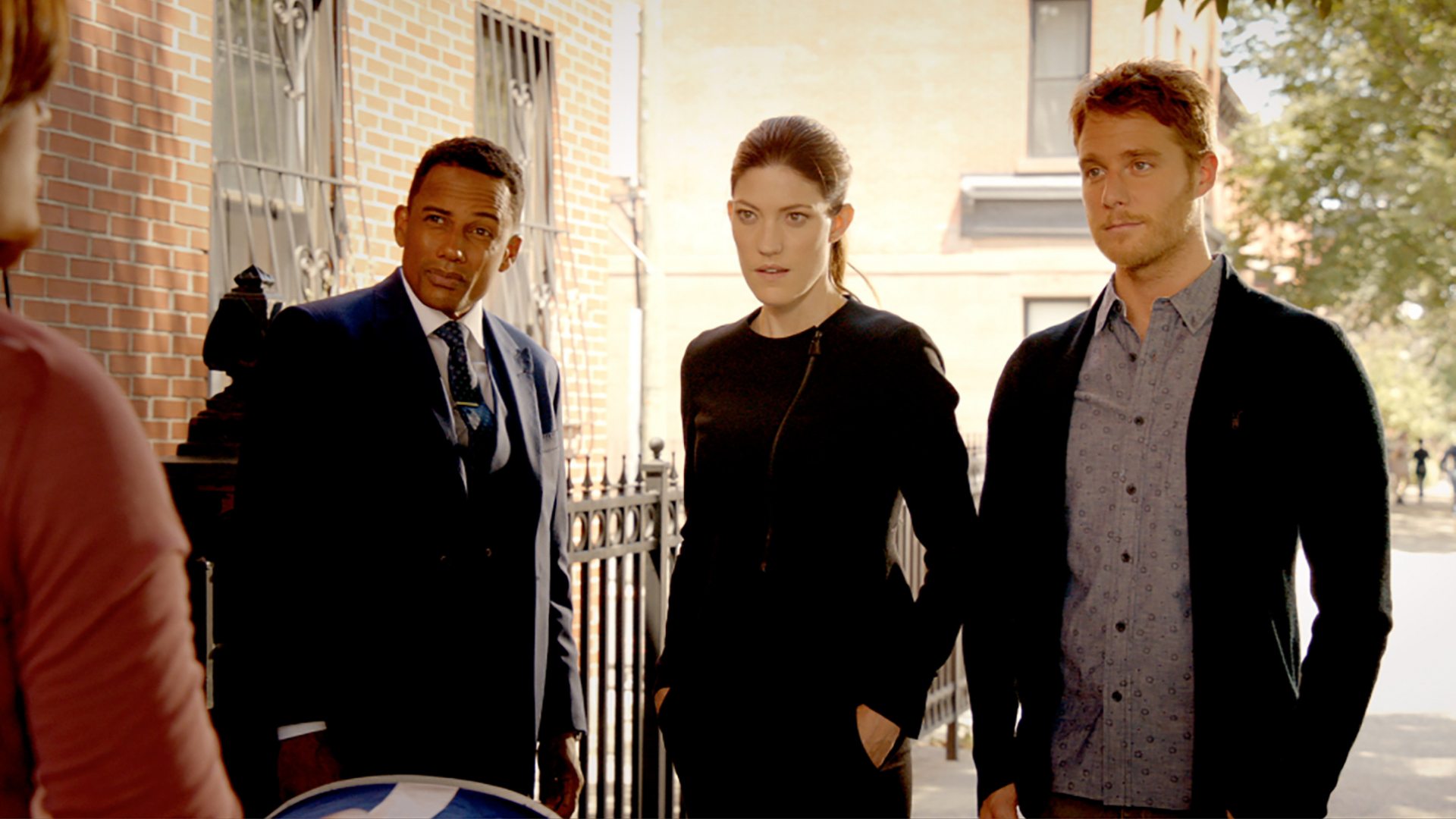
24. Limitless
A sequel series to the 2011 film, Limitless followed Jake McDorman as Brian Finch, a slacker-turned-genius who uses the NZT drug to help the FBI. While funnier than expected, it lacked the movie’s sleek edge. Of course, Bradley Cooper’s cameo wasn’t enough to keep it afloat. Fans of the film tuned in for a thrill and got a quirky procedural instead. So, it was short-lived and quickly forgotten.
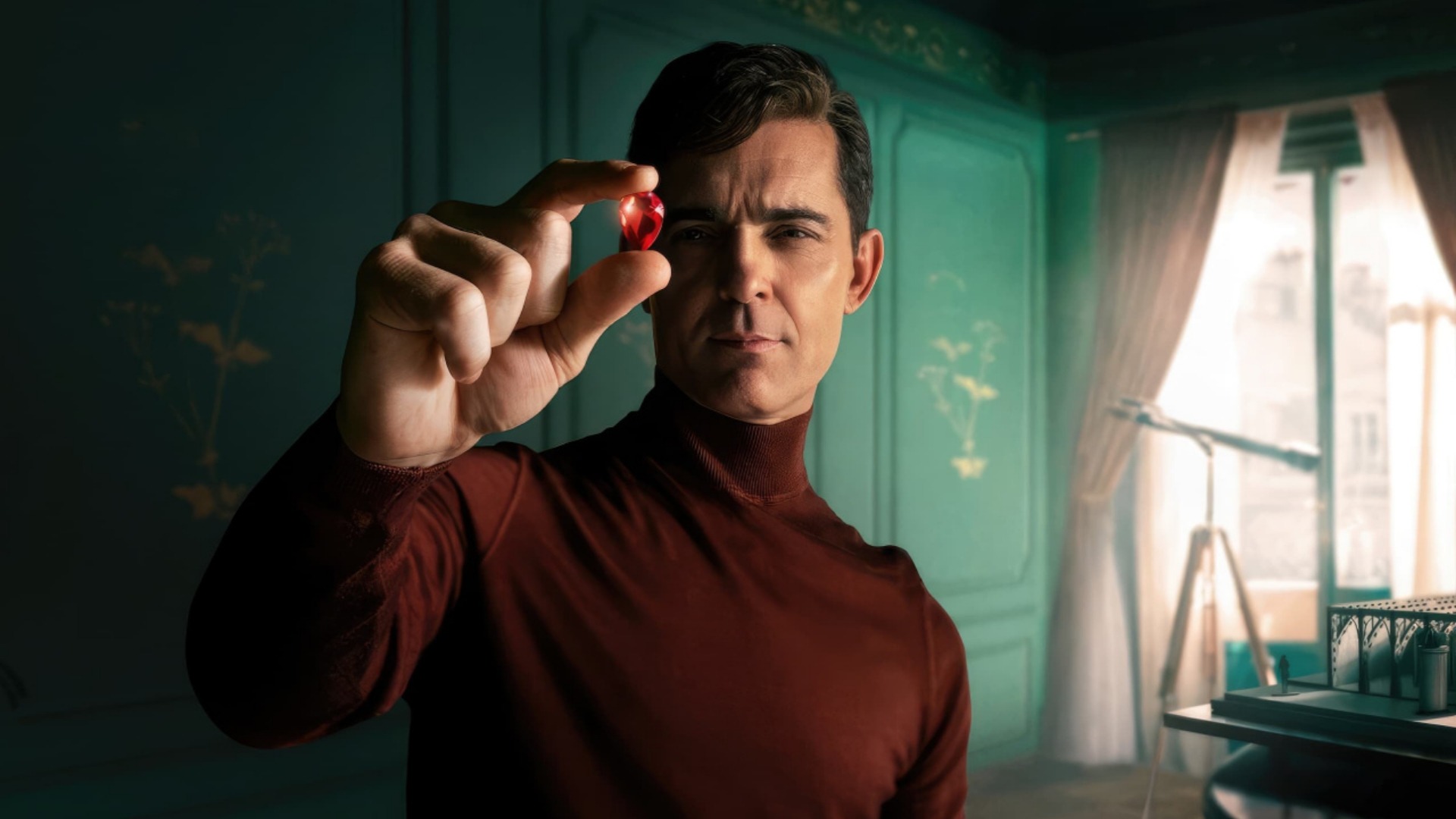
23. Berlin
This Money Heist prequel centered on the charming but chaotic Andrés de Fonollosa. Berlin surely had all the makings of a hit. Unfortunately, despite its high production value and strong cast, it failed to recapture the intensity or brilliance of the original Netflix show. The shift from heist thrills to romance left fans underwhelmed.
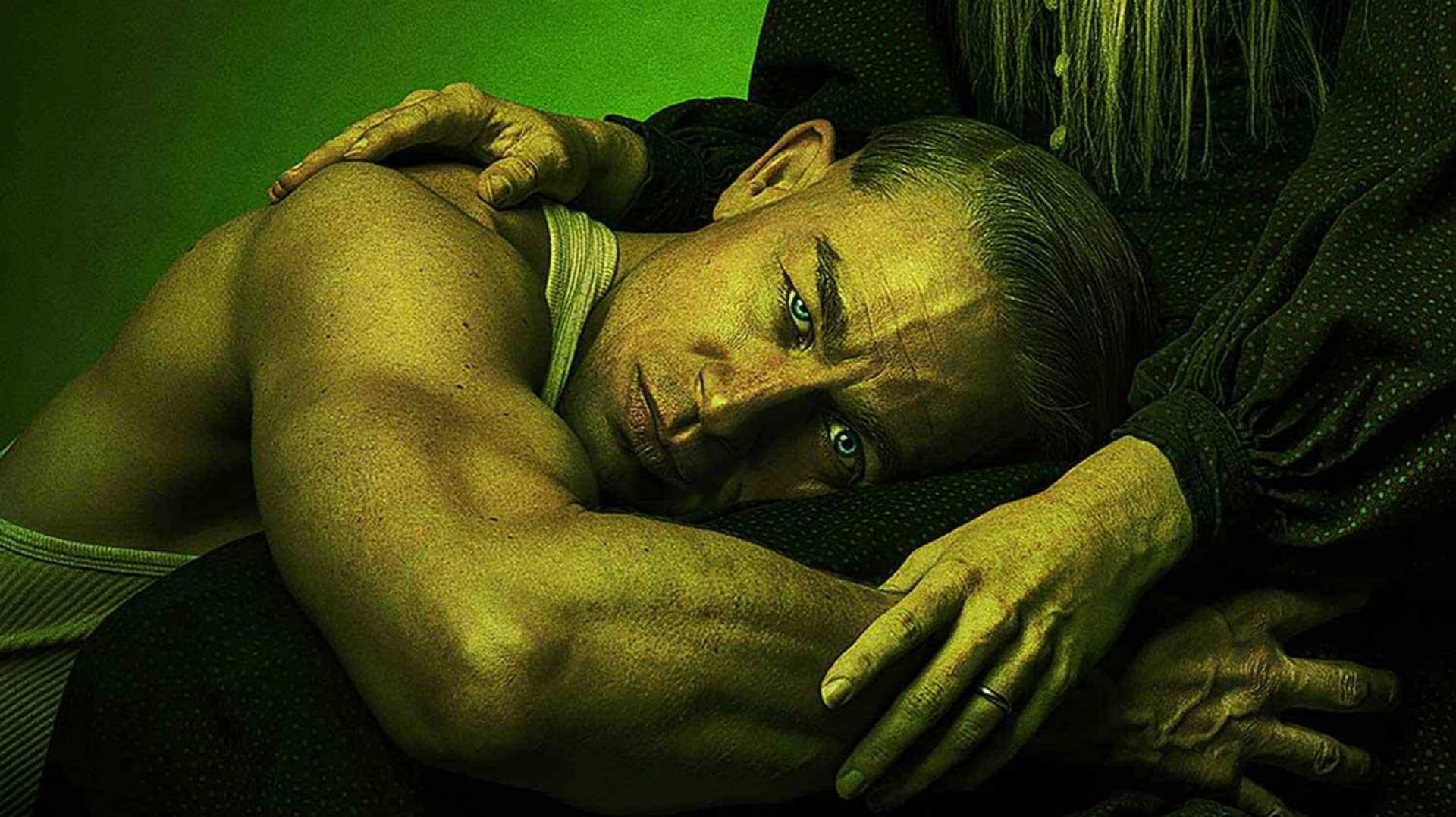
22. Monster: The Ed Gein Story
Following the success of Dahmer and The Lyle and Erik Menendez Story, Netflix doubled down on its Monster anthology with The Ed Gein Story. Despite the horrifying true tale of the “Plainfield Ghoul,” the series was slammed as exploitative and shallow. Critics felt it rehashed the same formula without adding insight into Gein’s twisted psyche. Well, not every real-life monster tale works as a miniseries.
21. Treason
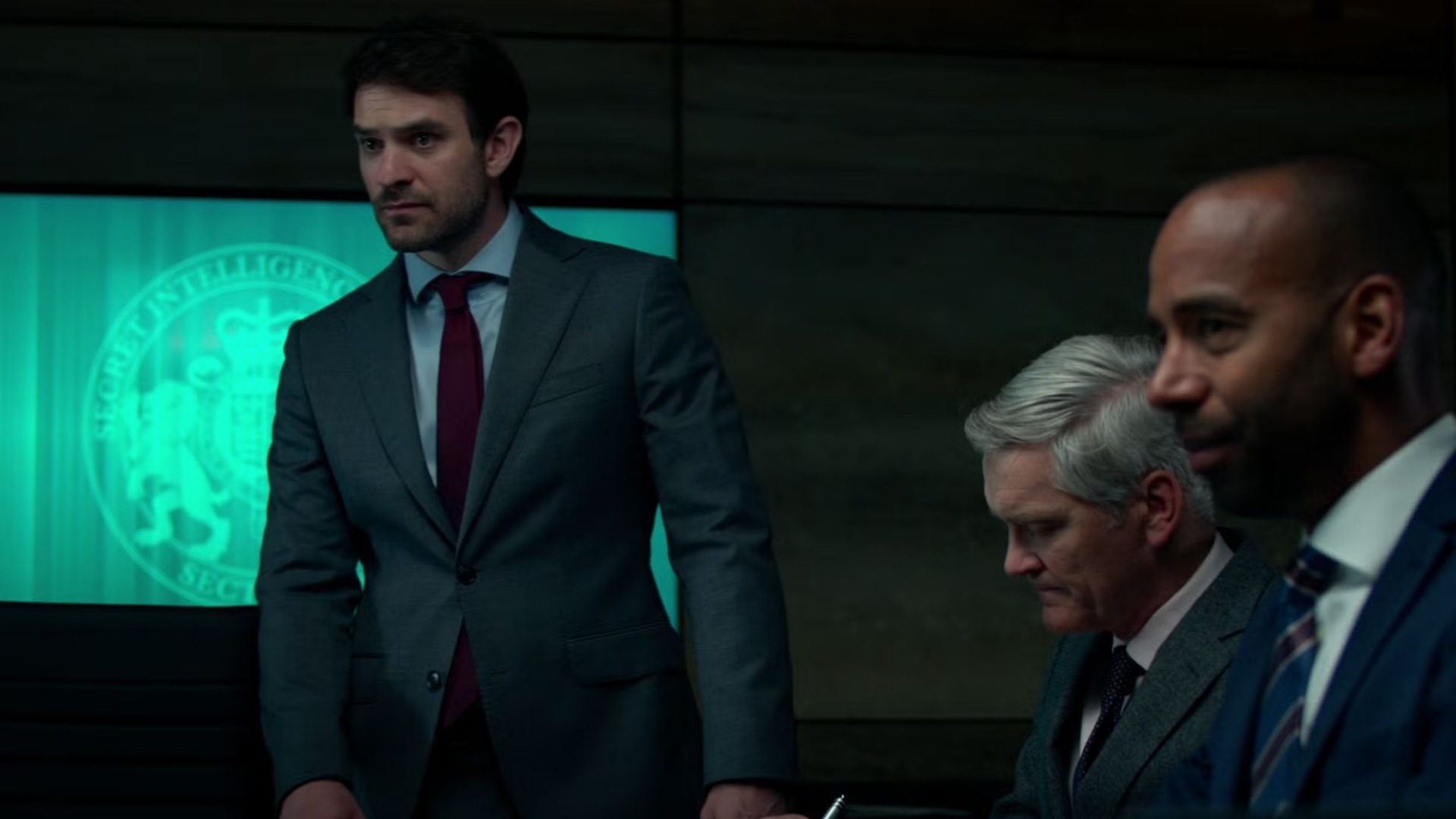
Netflix’s Treason had all the right ingredients: Charlie Cox, espionage, and a tangled web of secrets. Then how did it end up being a forgettable affair? This story of an MI6 officer manipulated by a Russian spy ex-lover had potential, but weak writing and spy clichés made it feel hollow. Despite its promising cast, the show couldn’t live up to its ambitious setup.
20. Pan Am
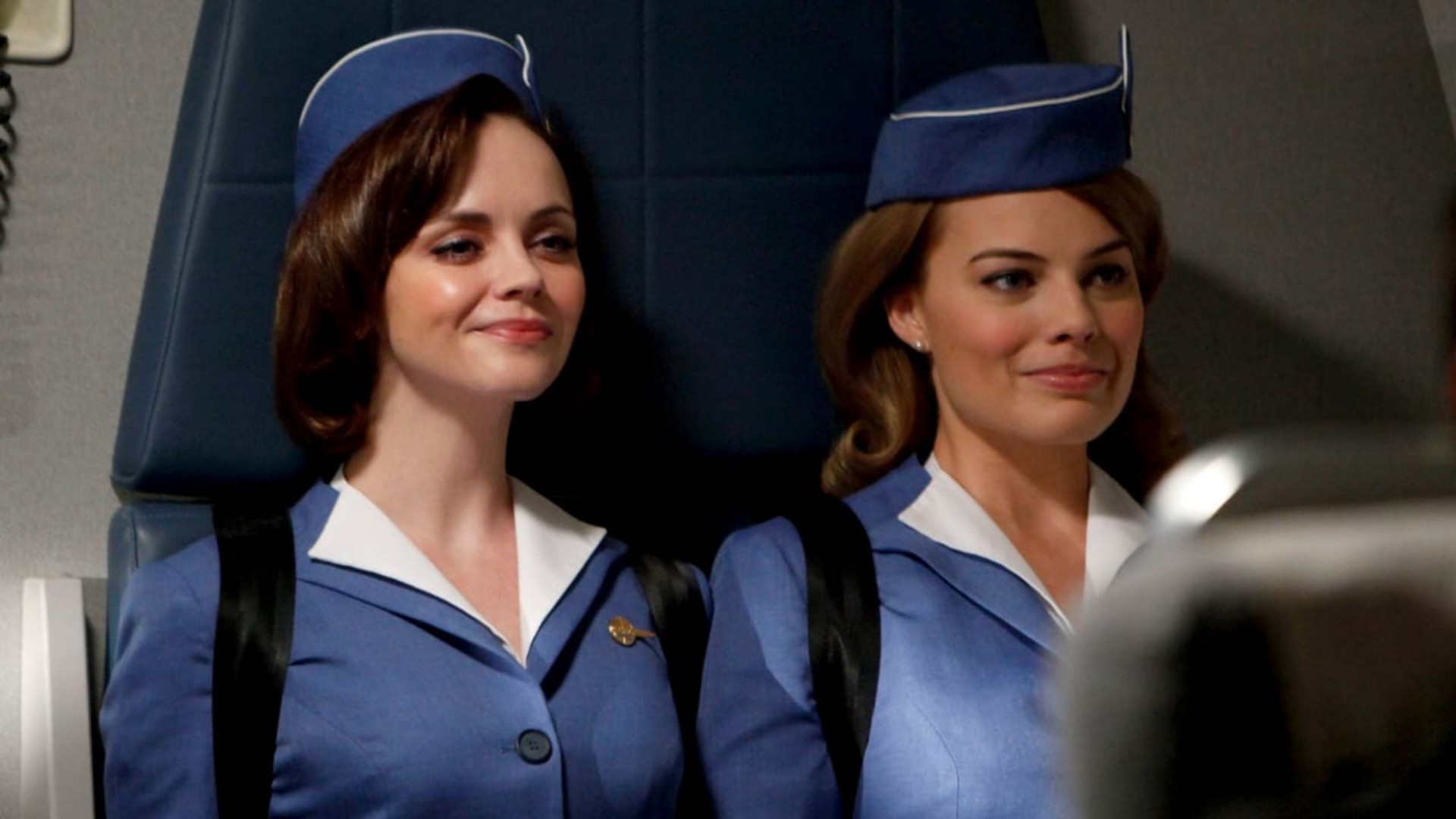
Touted as Mad Men in the sky, Pan Am soared on 1960s nostalgia and a charming cast that included a pre-fame Margot Robbie. But its sanitized portrayal of the Jet Age lacked bite. ABC’s reluctance to show the era’s grittier realities made it feel lifeless. Despite lavish sets and promise, poor ratings grounded the show after just one season.
19. Kaleidoscope
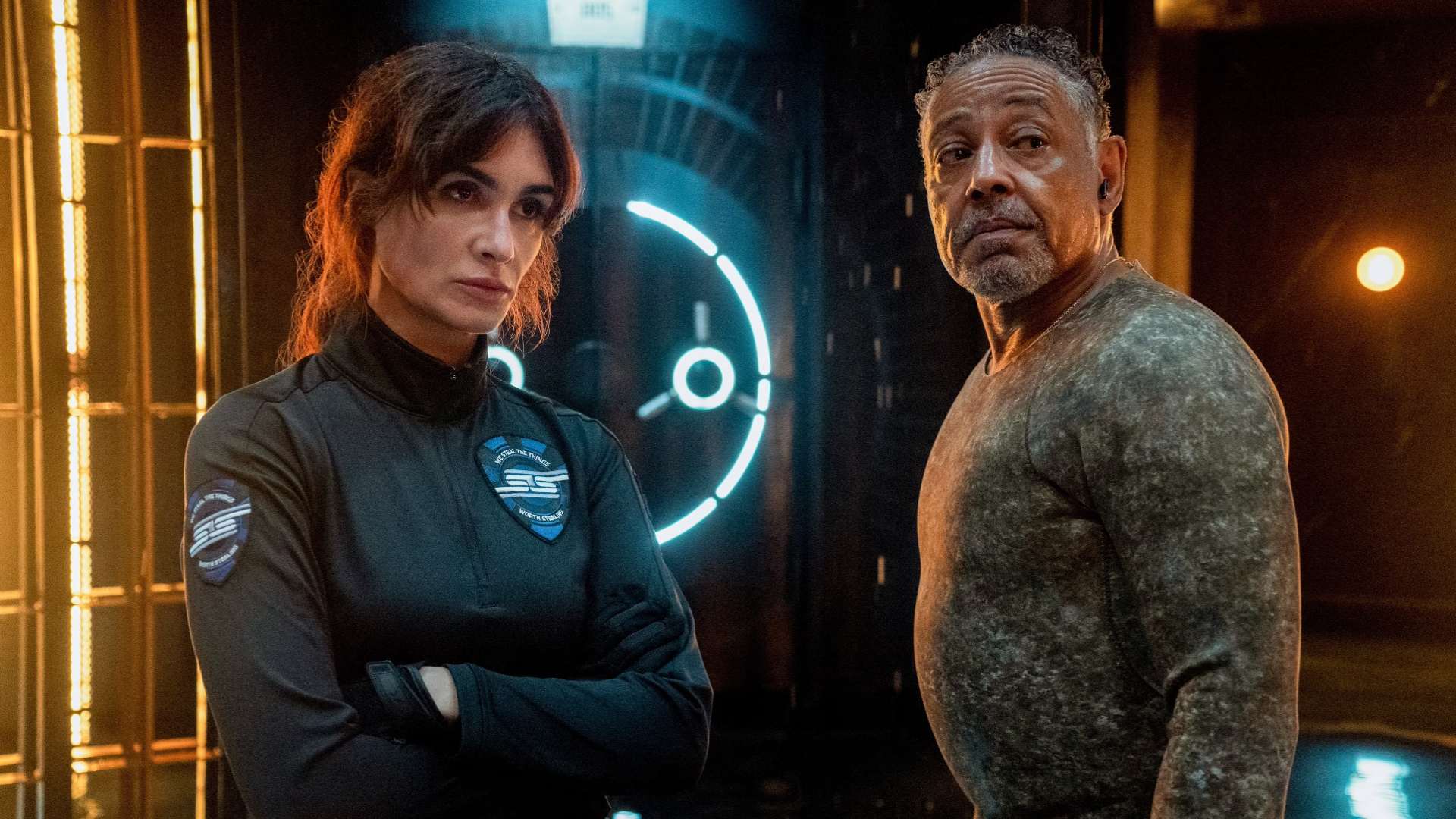
Giancarlo Esposito led Kaleidoscope, Netflix’s “watch-in-any-order” heist show. Sure, the concept was bold, letting viewers mix episode order for unique experiences. But the execution was utterly bland. Beneath its flashy gimmick was a forgettable heist drama with thin characters and predictable twists. Despite strong performances, Kaleidoscope proved that innovation can’t save a story without real depth.
18. And Just Like That
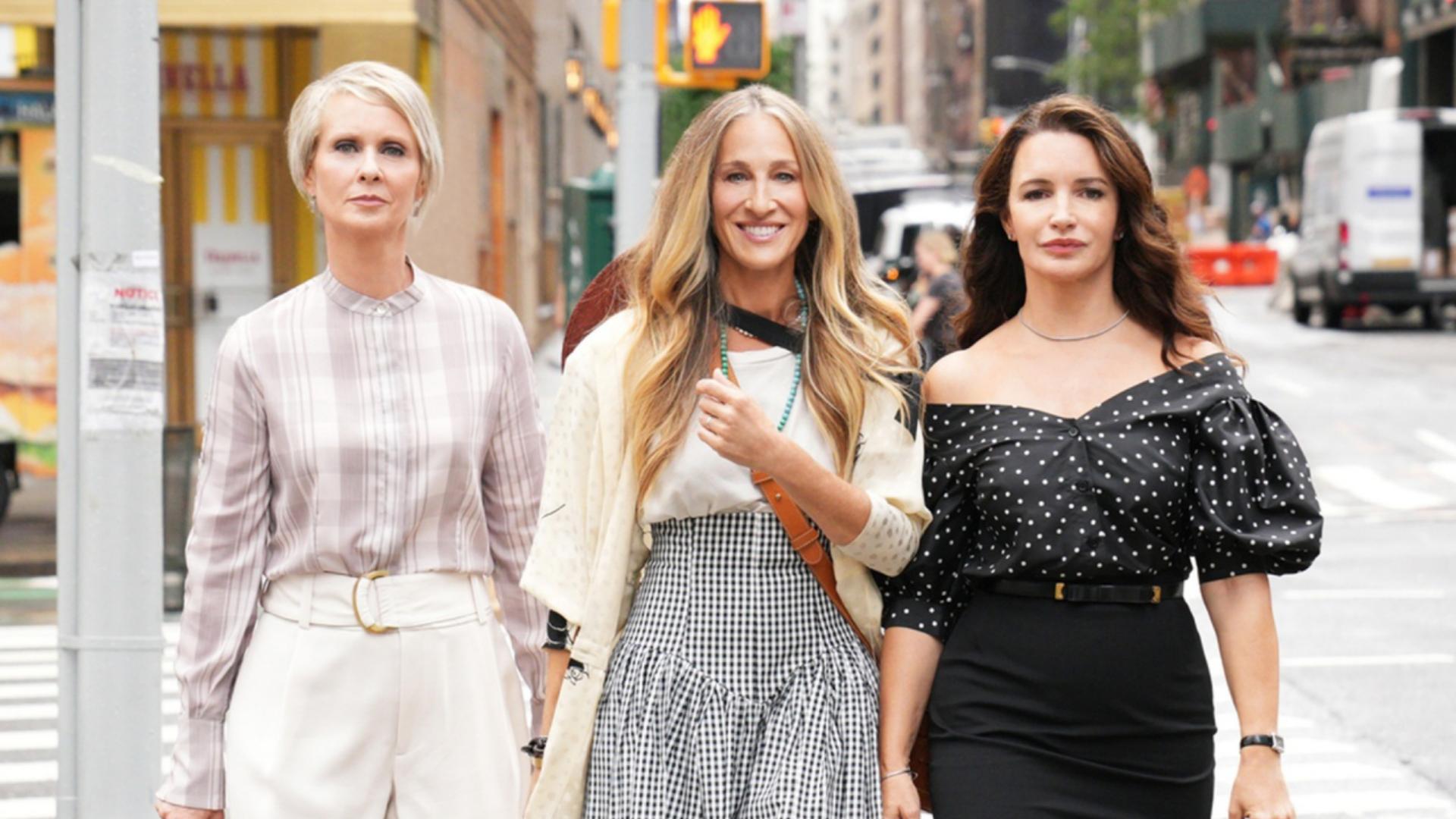
HBO Max’s And Just Like That brought back Carrie and the gang — but something was missing. The sharp wit and emotional honesty of Sex and the City were replaced by awkward writing and heavy-handed “modern” updates. Critics called it forced and self-conscious. While nostalgia kept it trending, even devoted fans agreed: maybe some stories are better left in the past.
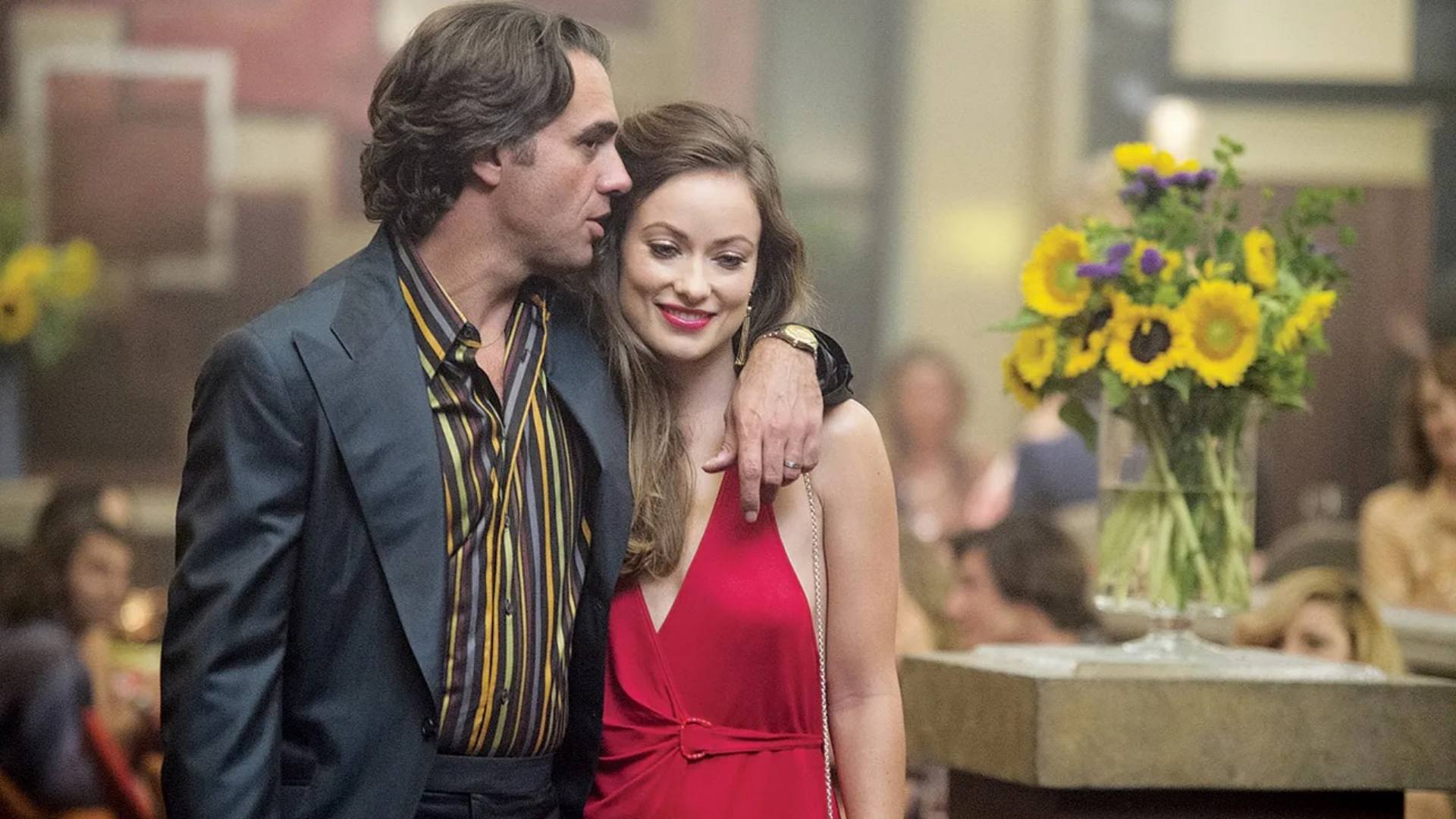
17. Vinyl
With Martin Scorsese and Mick Jagger producing, Vinyl seemed destined to rock TV. Set in 1970s New York, the series followed record exec Richie Finestra’s descent into chaos. Though it looked stylish and had killer music, the story dragged, and audiences tuned out. HBO canceled it after one season. It remains a shocking fall for a show with such legendary backing.
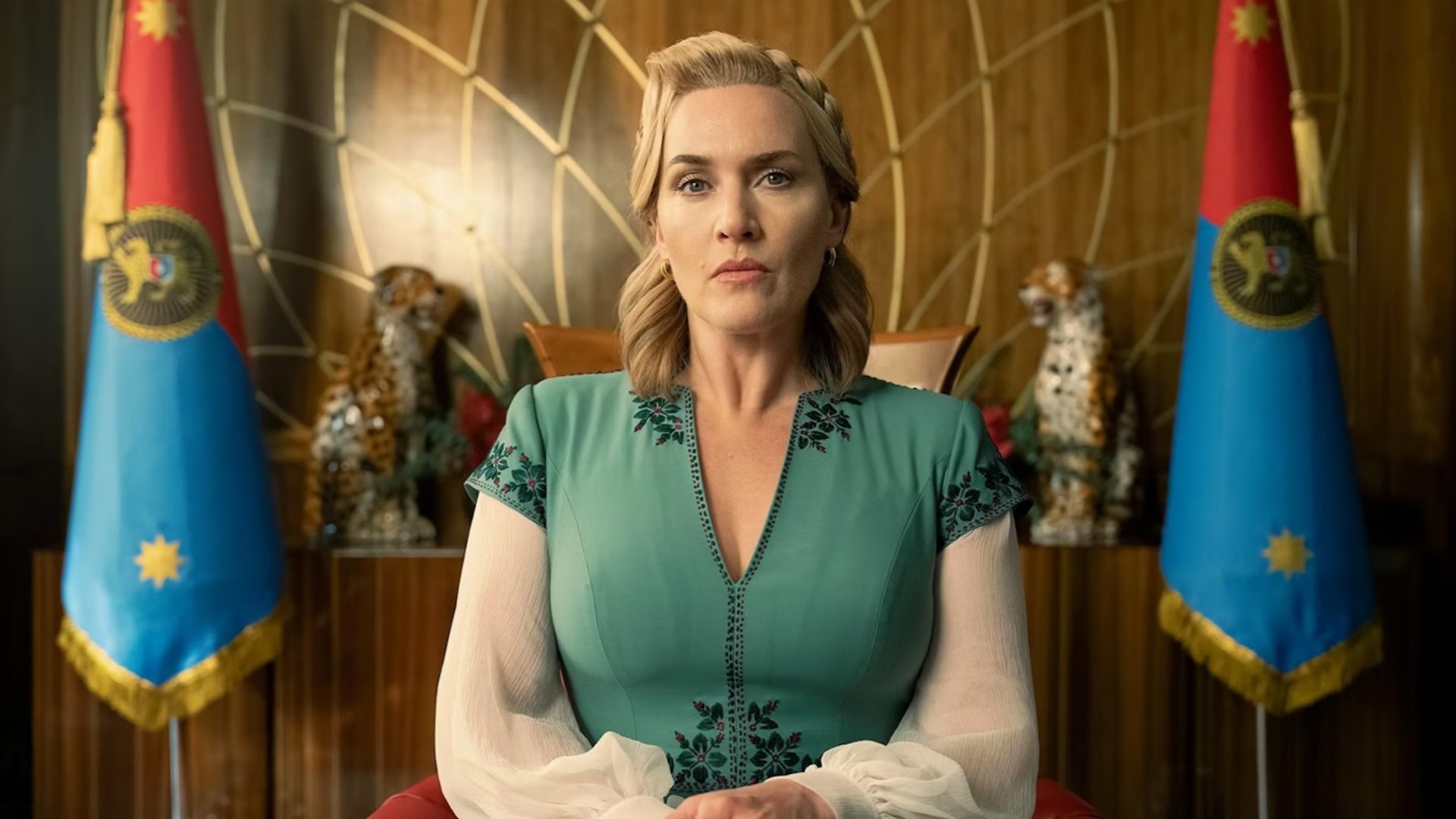
16. The Regime
Starring Kate Winslet as an unhinged dictator, The Regime promised to be Succession meets political satire. While Winslet delivered a captivating performance, the uneven tone and messy pacing let it down. Critics found it entertaining but not incisive…a near miss rather than a knockout. So, despite all its polish, The Regime couldn’t quite live up to its potential.
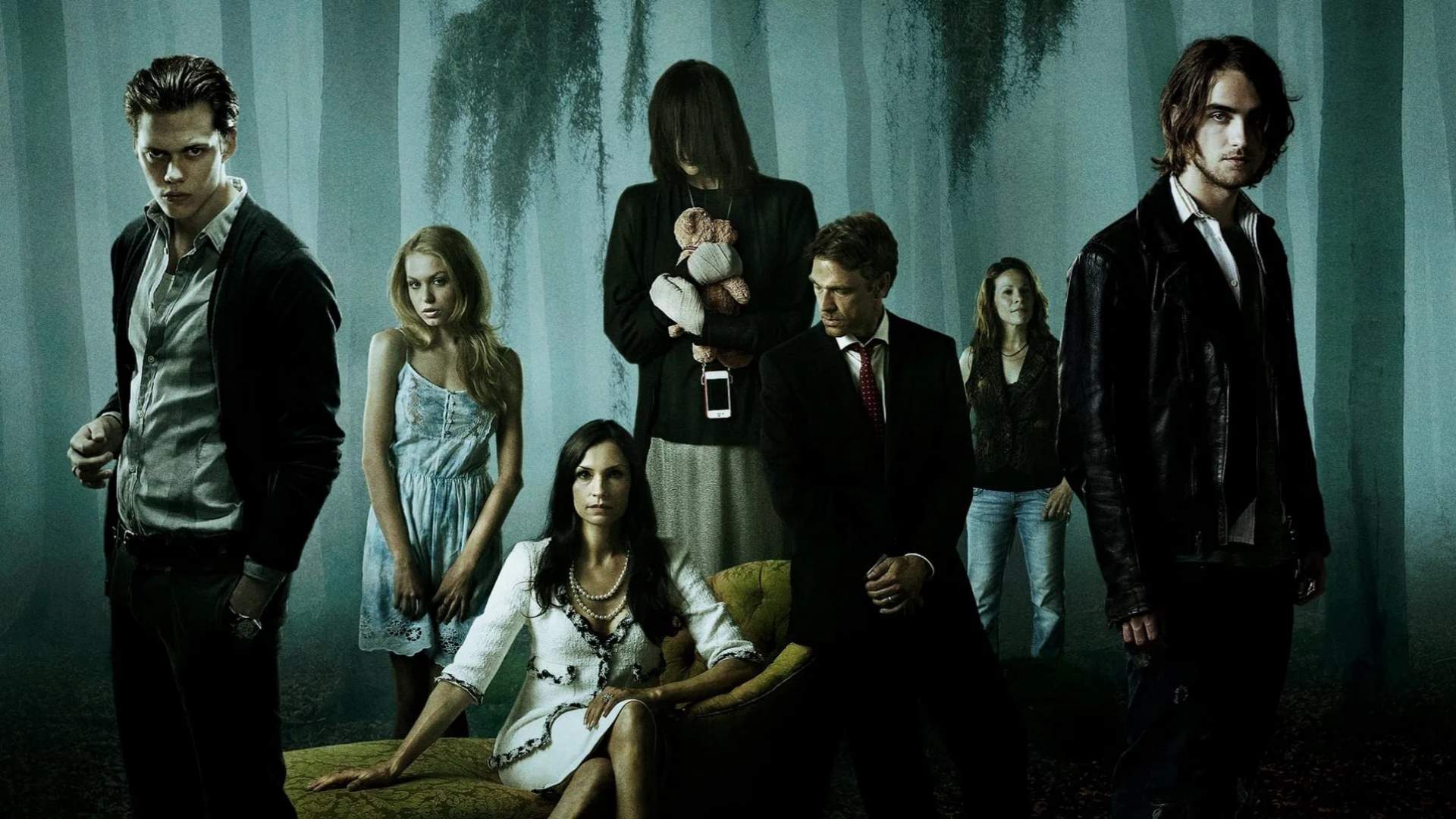
15. Hemlock Grove
One of Netflix’s earliest originals, Hemlock Grove was a gothic horror mess. Despite an intriguing premise and a cast featuring Famke Janssen and Bill Skarsgård, the show was bogged down by poor writing and incoherent plotting. Its mix of werewolves, vampires, and small-town mystery could’ve worked, but it didn’t. Even die-hard horror fans couldn’t save this bizarre, blood-soaked flop.
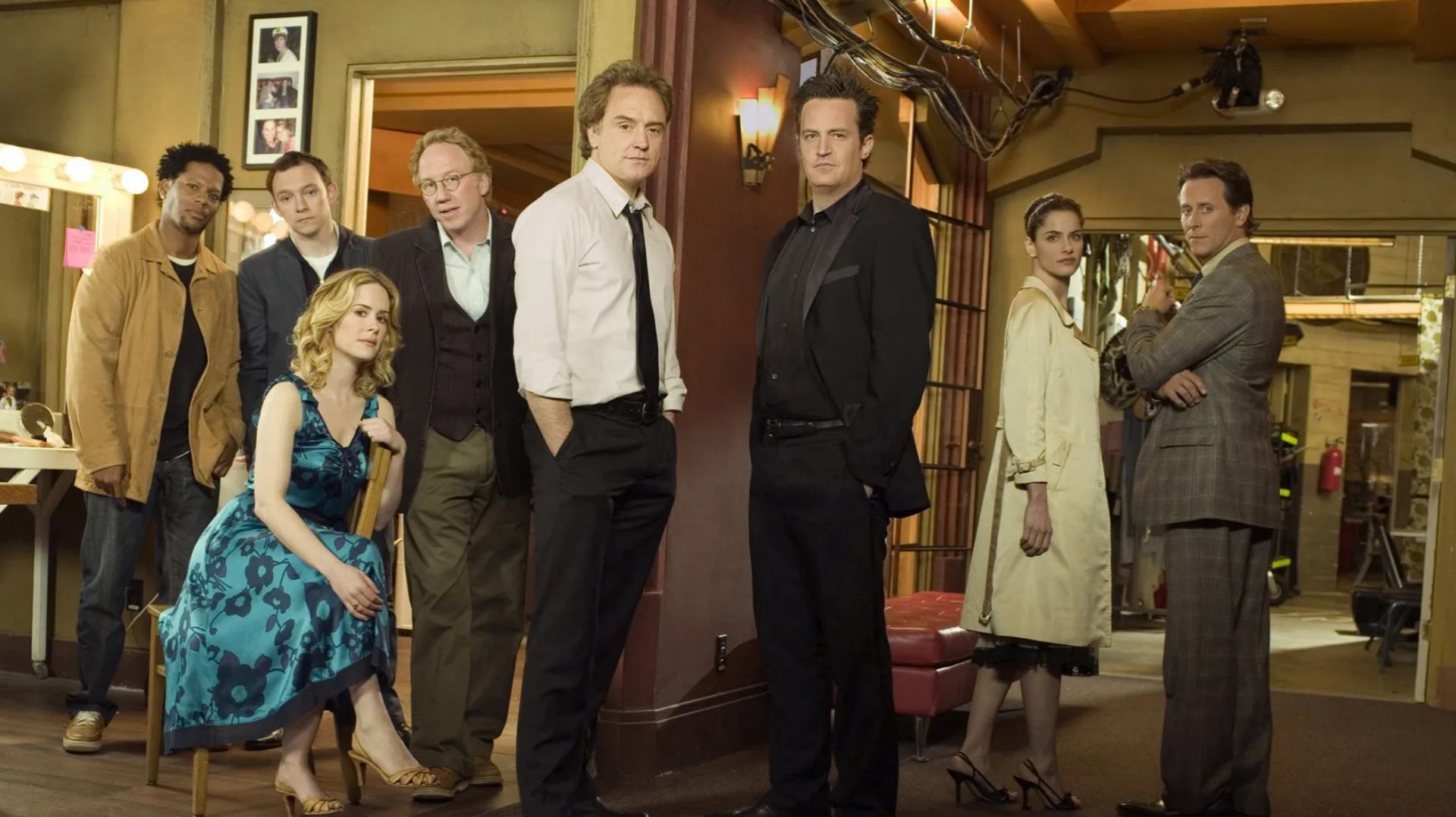
14. Studio 60 on the Sunset Strip
Aaron Sorkin’s follow-up to The West Wing was supposed to be a brilliant, witty peek behind the curtain of sketch comedy. Instead, Studio 60 on the Sunset Strip turned into a self-serious, humorless drama about making people laugh. Ironically, its biggest rival was 30 Rock, which did the same concept, thankfully funnier. Despite a stellar cast and pedigree, it bombed after one season.
13. Willow
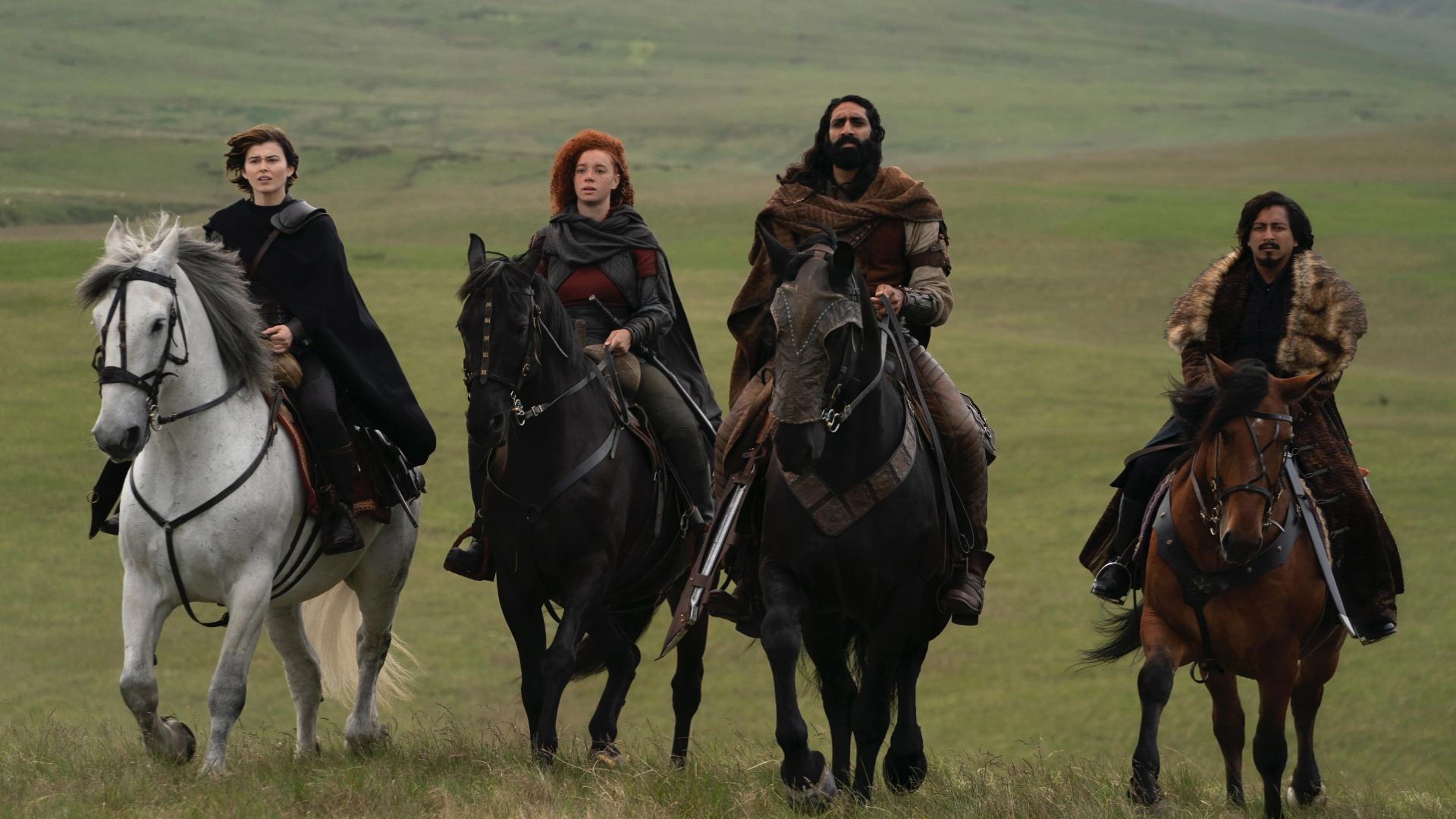
The revival of Willow was supposed to bring back fantasy magic, but it quickly vanished into obscurity. Despite solid reviews and Warwick Davis’s return, corporate decisions sealed its fate. During a Disney+ content purge, the show was removed entirely from the platform, leaving fans stranded. It wasn’t a creative failure, maybe just a victim of ruthless cost-cutting.
12. Girlboss
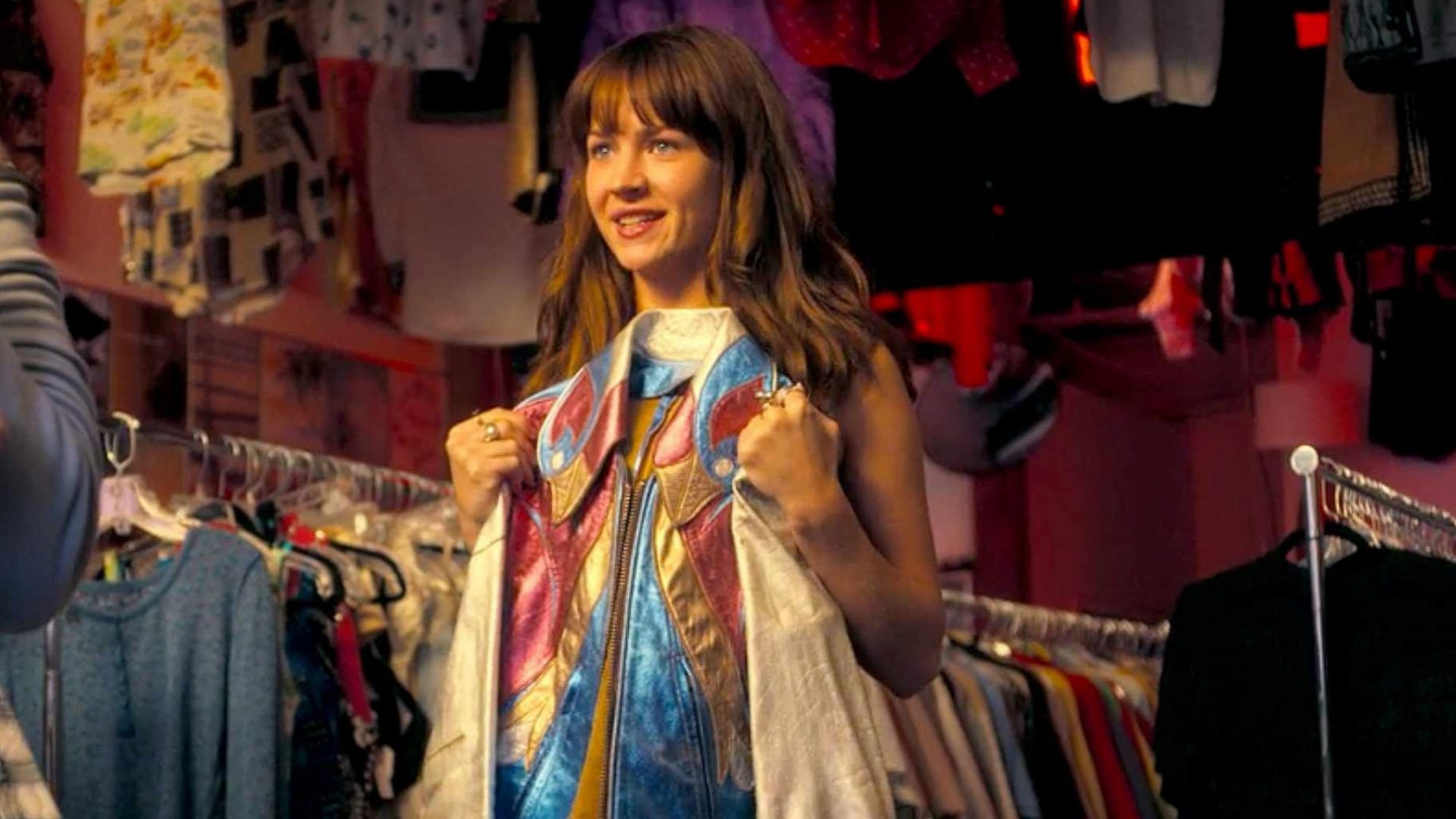
Netflix hyped Girlboss as a feminist anthem for millennial hustlers, inspired by Sophia Amoruso’s rise from thrift-seller to fashion mogul. But just as the show launched, Amoruso’s real company went bankrupt, killing its “girl power” narrative. Worse, the show itself was cringey and shallow, missing the grit that made Amoruso’s story compelling. Girlboss was quickly canceled after one season—an ironic fall for a story about success.
11. Blockbuster
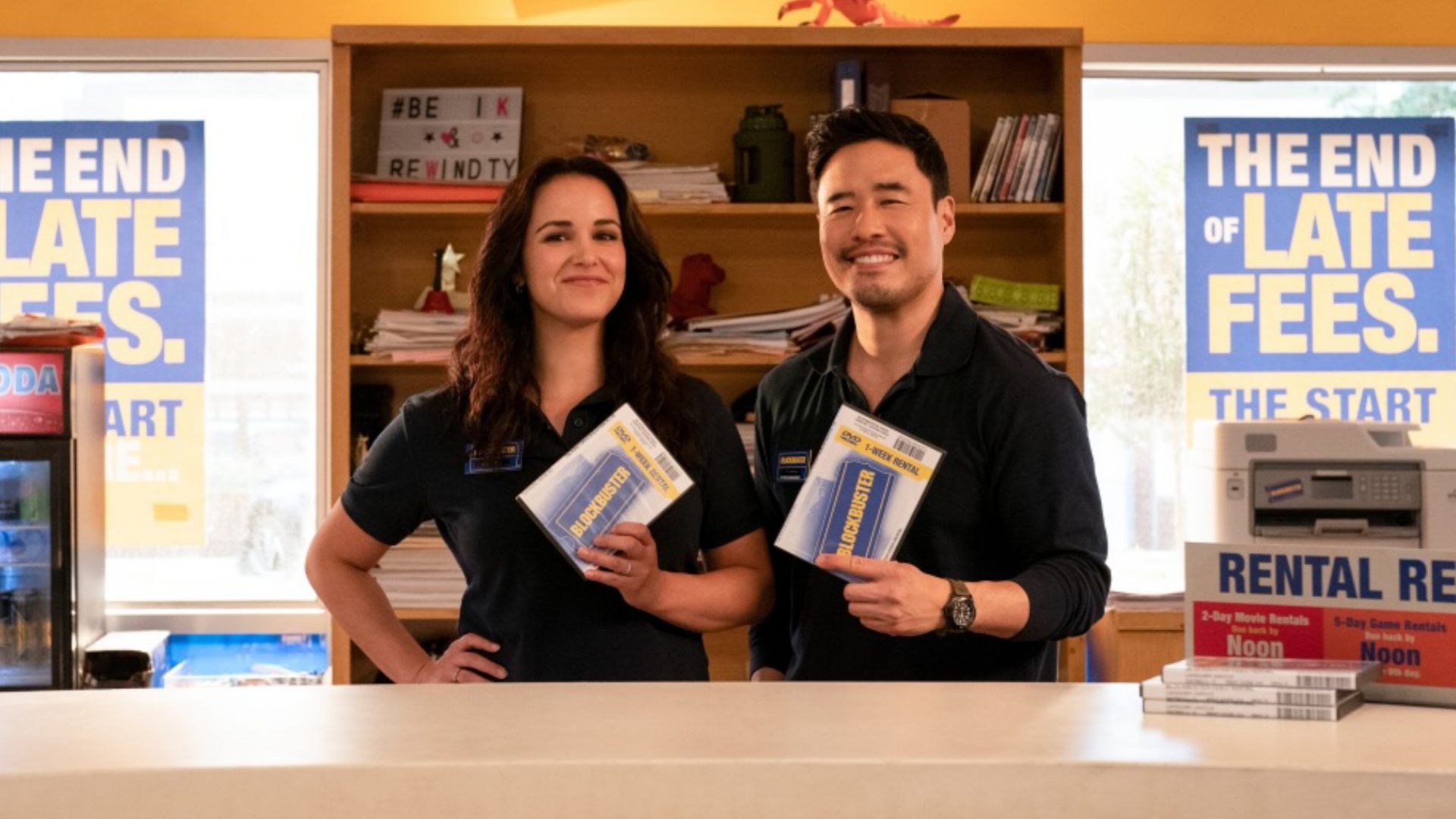
Netflix’s Blockbuster sitcom had a delicious irony baked in—the streamer reviving the video chain it helped kill. Sadly, it turned out painfully unfunny. Despite a charming cast, including Randall Park, the jokes fell flat, and the tone felt dated. Marketed as the next The Office, it fizzled after one season. The ultimate irony? Even nostalgia couldn’t save Blockbuster from itself.
10. Marco Polo
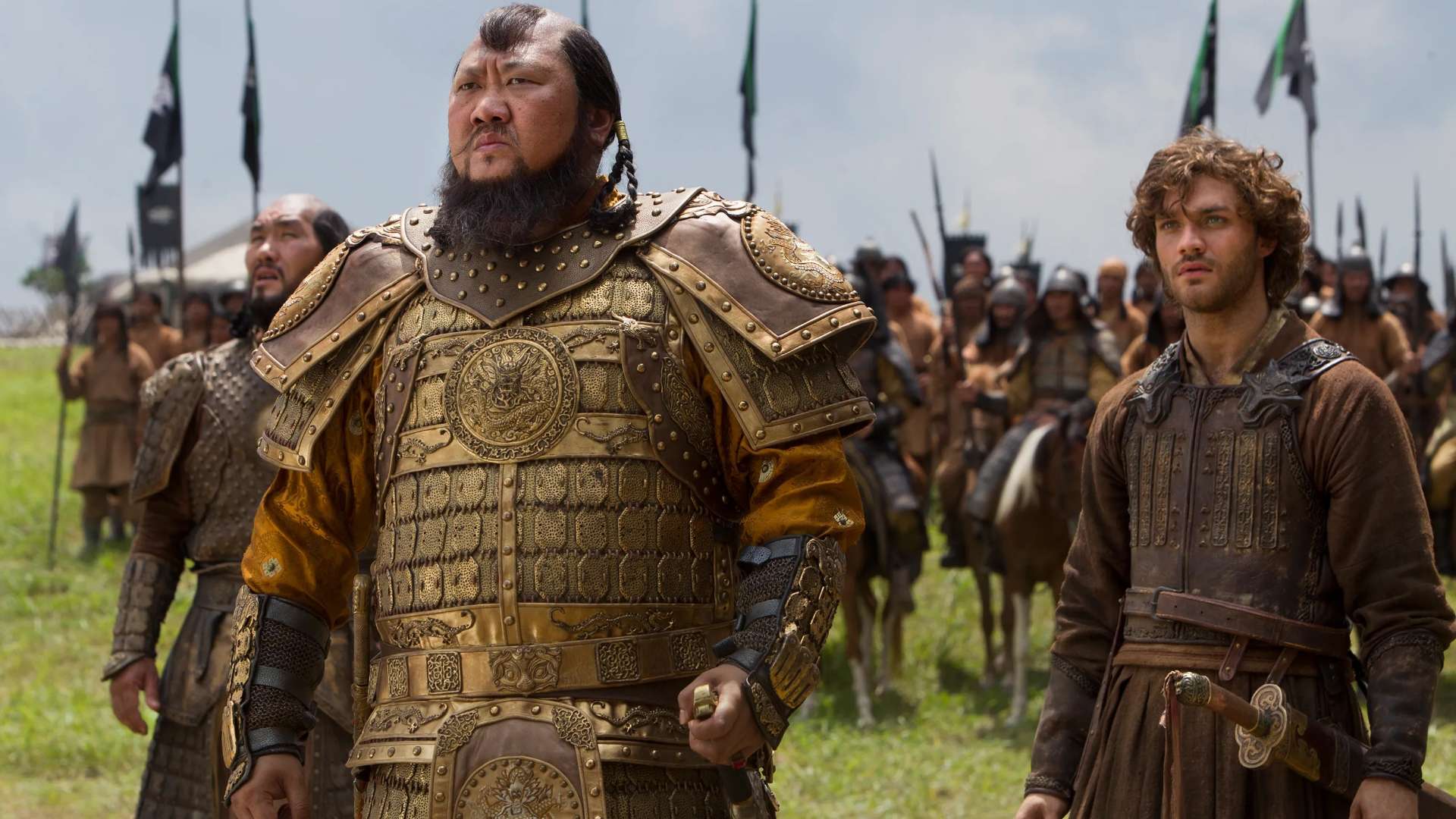
Netflix poured millions into Marco Polo, envisioning it as their answer to Game of Thrones. The result? A dull, historically inaccurate mess. Despite gorgeous sets and Benedict Wong’s standout performance as Kublai Khan, the story meandered and the acting faltered. Critics panned it, audiences ignored it, and Netflix reportedly lost $200 million. Well, a true royal flop.
9. Resident Evil
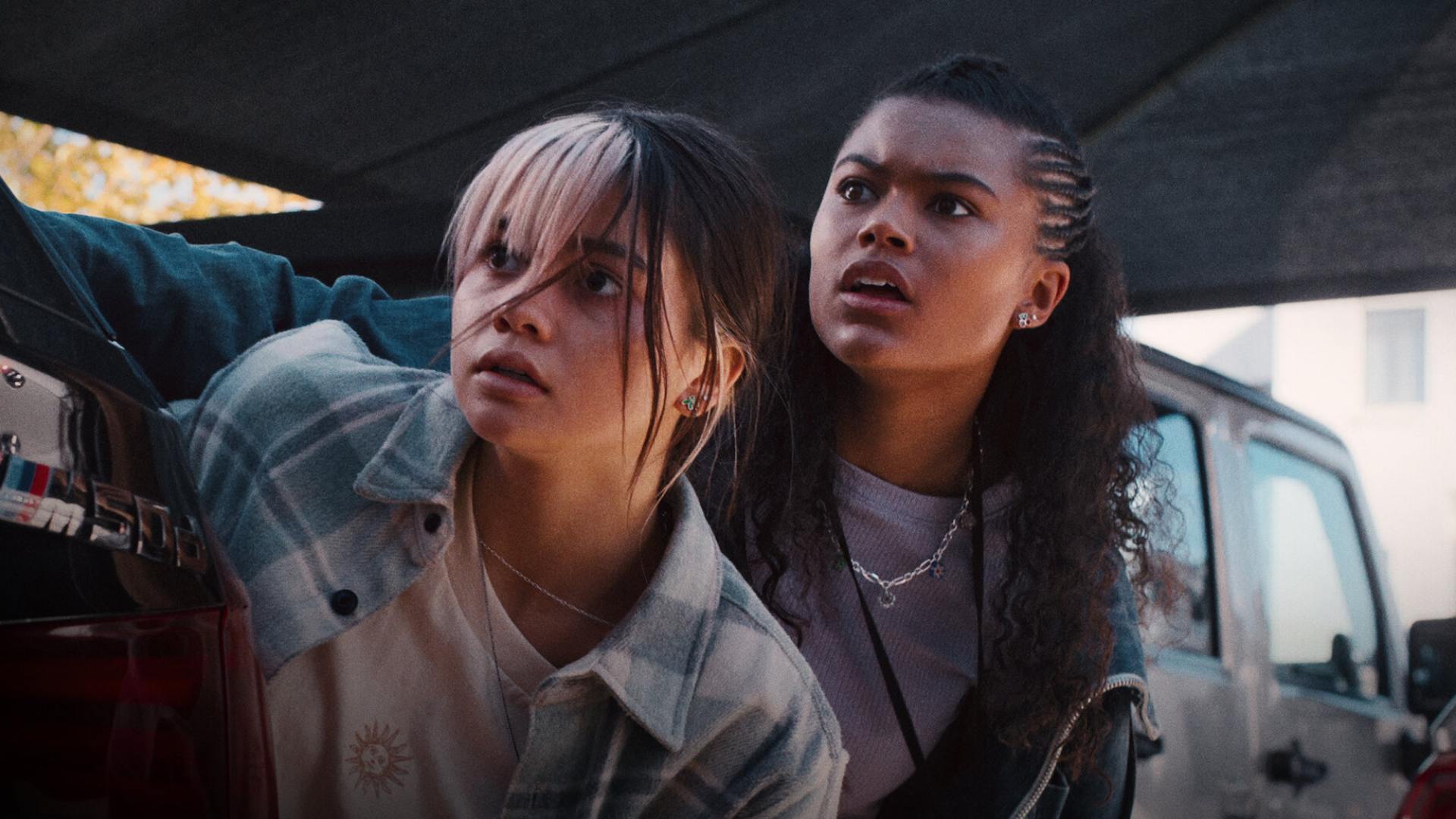
Netflix’s Resident Evil series angered longtime fans by ditching the games’ survival-horror roots for teen drama and family melodrama. Despite decent performances, especially from Lance Reddick, the tone was all over the place. It wasn’t scary enough for horror fans or fun enough for casual viewers. The show was swiftly canceled, adding another failed adaptation to the franchise’s long list.
8. Terra Nova
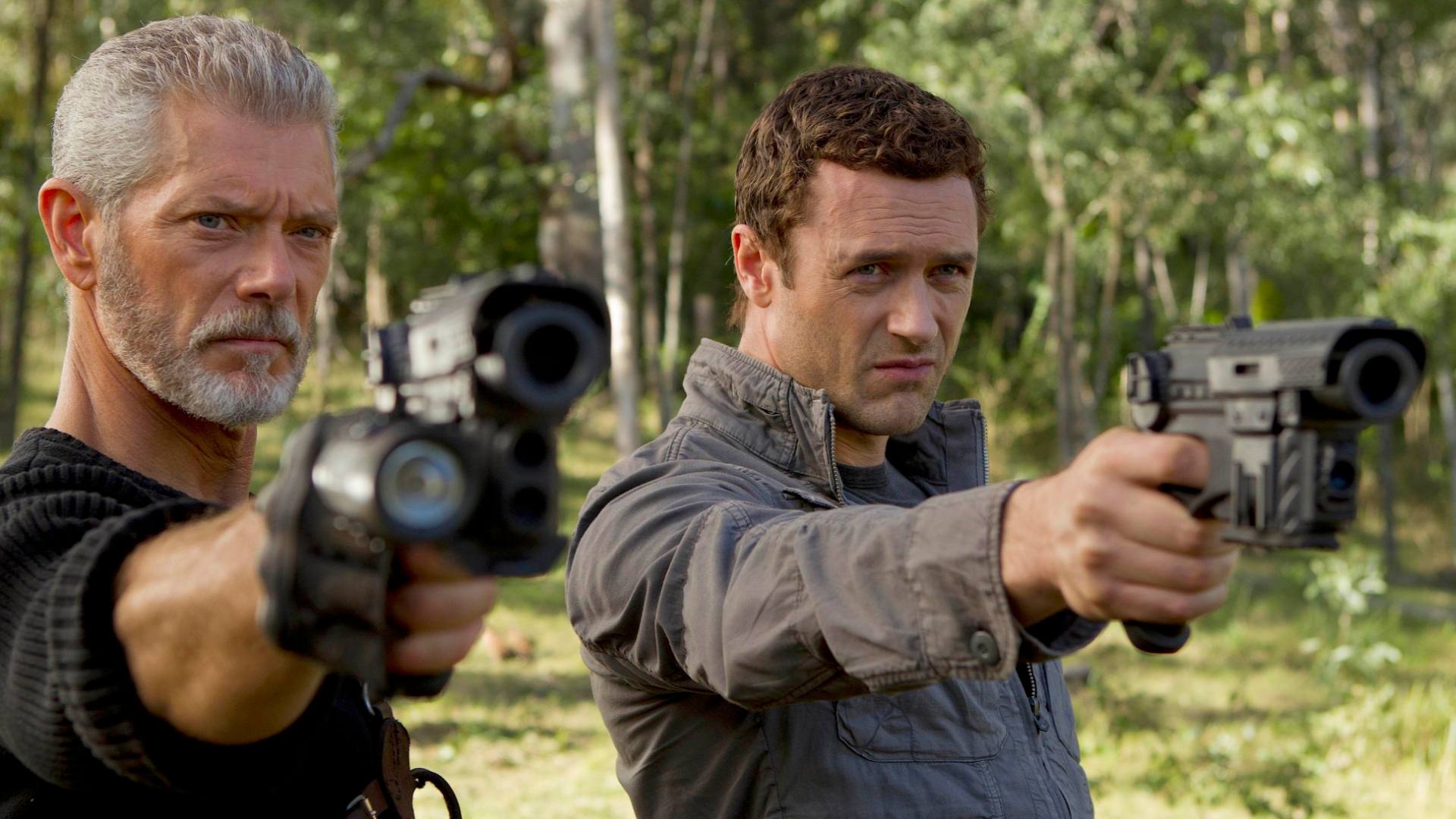
Steven Spielberg’s Terra Nova promised a sci-fi adventure spanning time and dinosaurs, and initially delivered spectacle. But once the shiny visuals wore off, the wooden dialogue and uneven pacing took over. Despite an intriguing premise, it fizzled out after one season. Alas, what could have been TV’s next big sci-fi epic became another ambitious misfire.
7. Secret Invasion
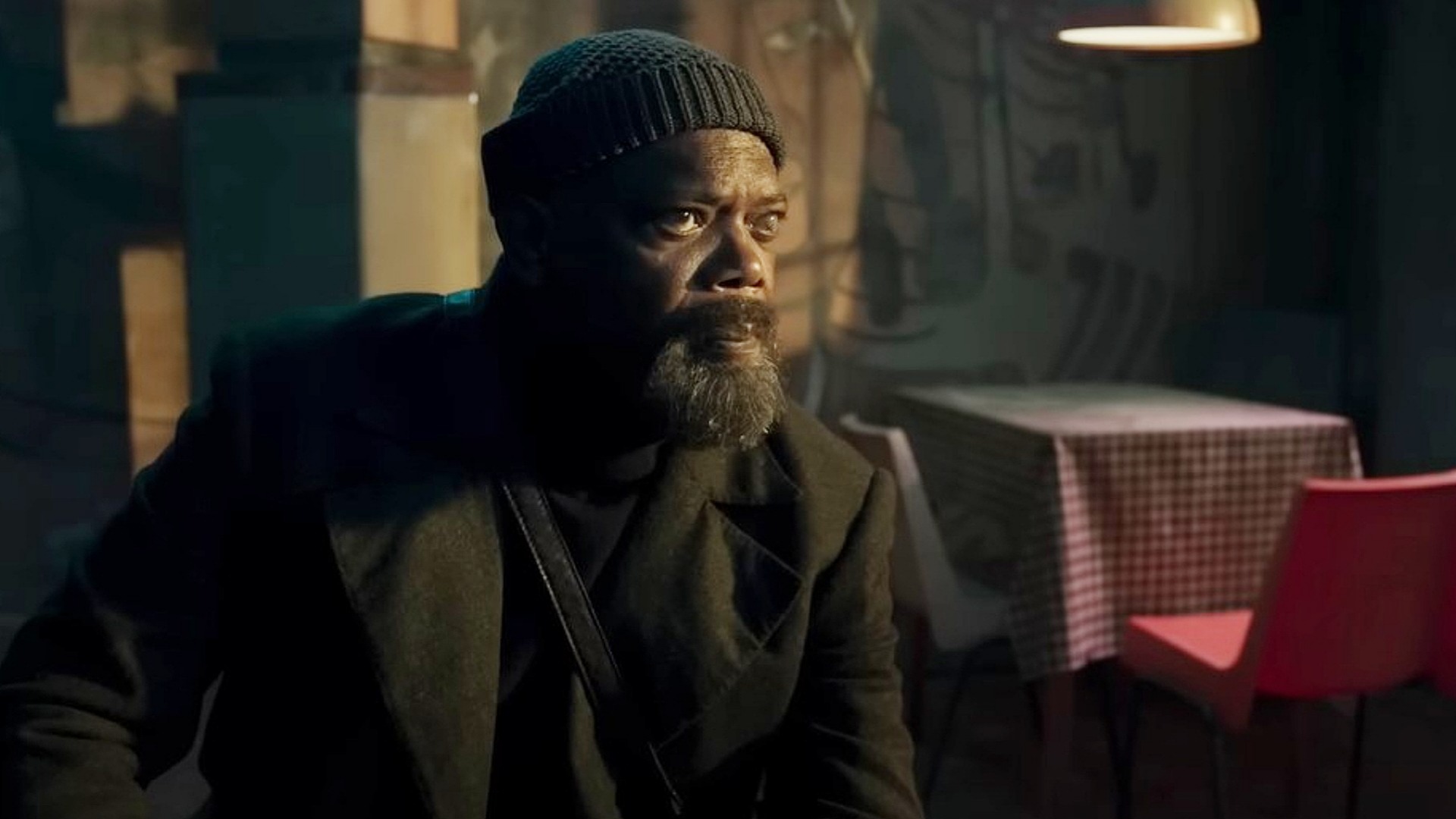
Marvel’s Secret Invasion promised to be a gripping spy thriller with Nick Fury back in action. But shockingly, it became one of the MCU’s biggest letdowns. Poor pacing, dull visuals, and baffling writing choices killed audience interest—fast! Even the charisma of its A-list cast couldn’t save it. For a show about shapeshifters, it lacked any real identity.
6. Cowboy Bebop
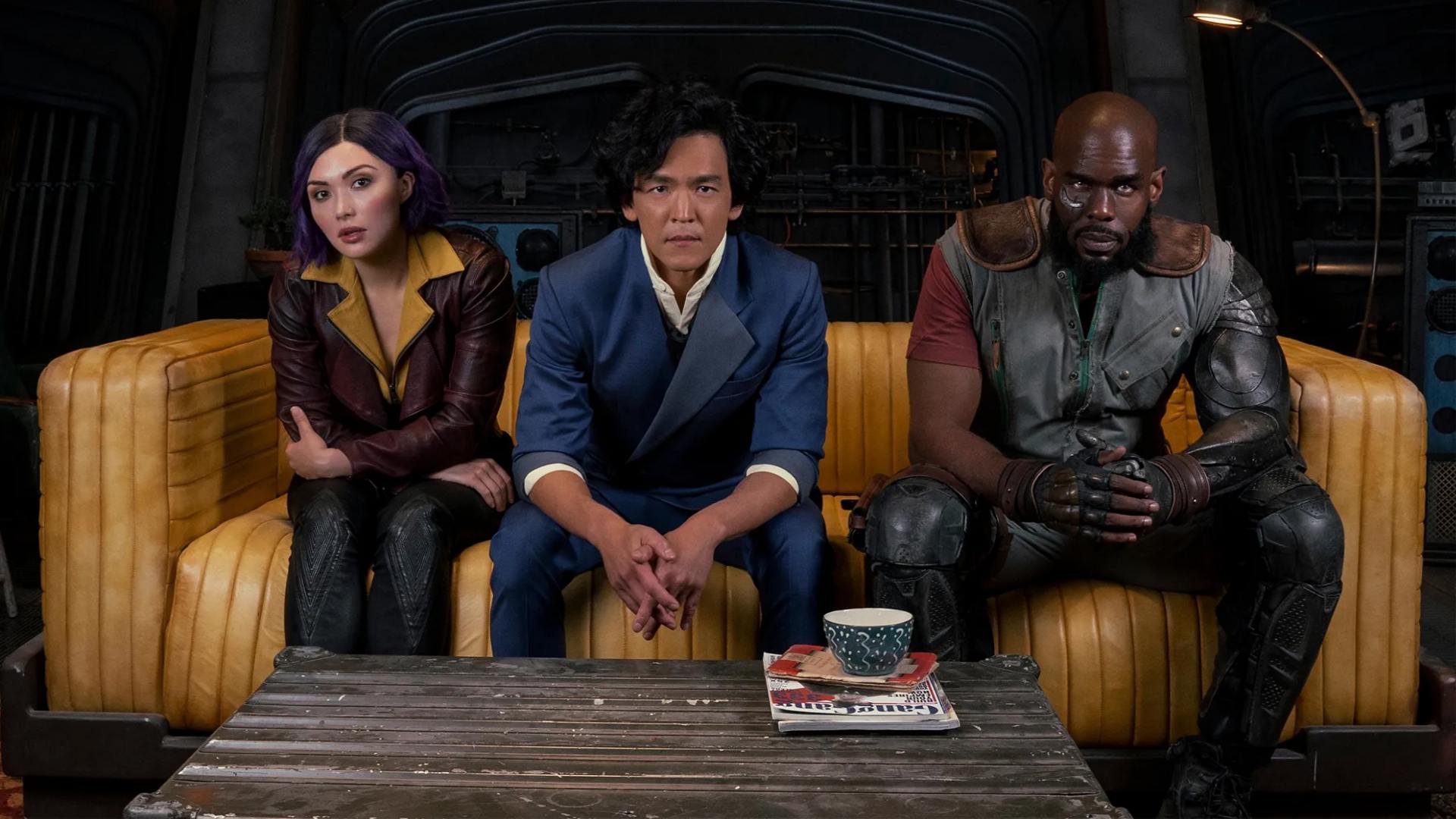
Netflix’s live-action Cowboy Bebop should have been a stylish space-noir thrill ride. Instead, it was like a cosmic disaster. Despite a promising cast led by John Cho, the show failed to capture the soul of the anime it adapted. Fans blasted its tone-deaf writing and awkward choreography. Netflix canceled it less than a month after launch, proving lightning rarely strikes twice.
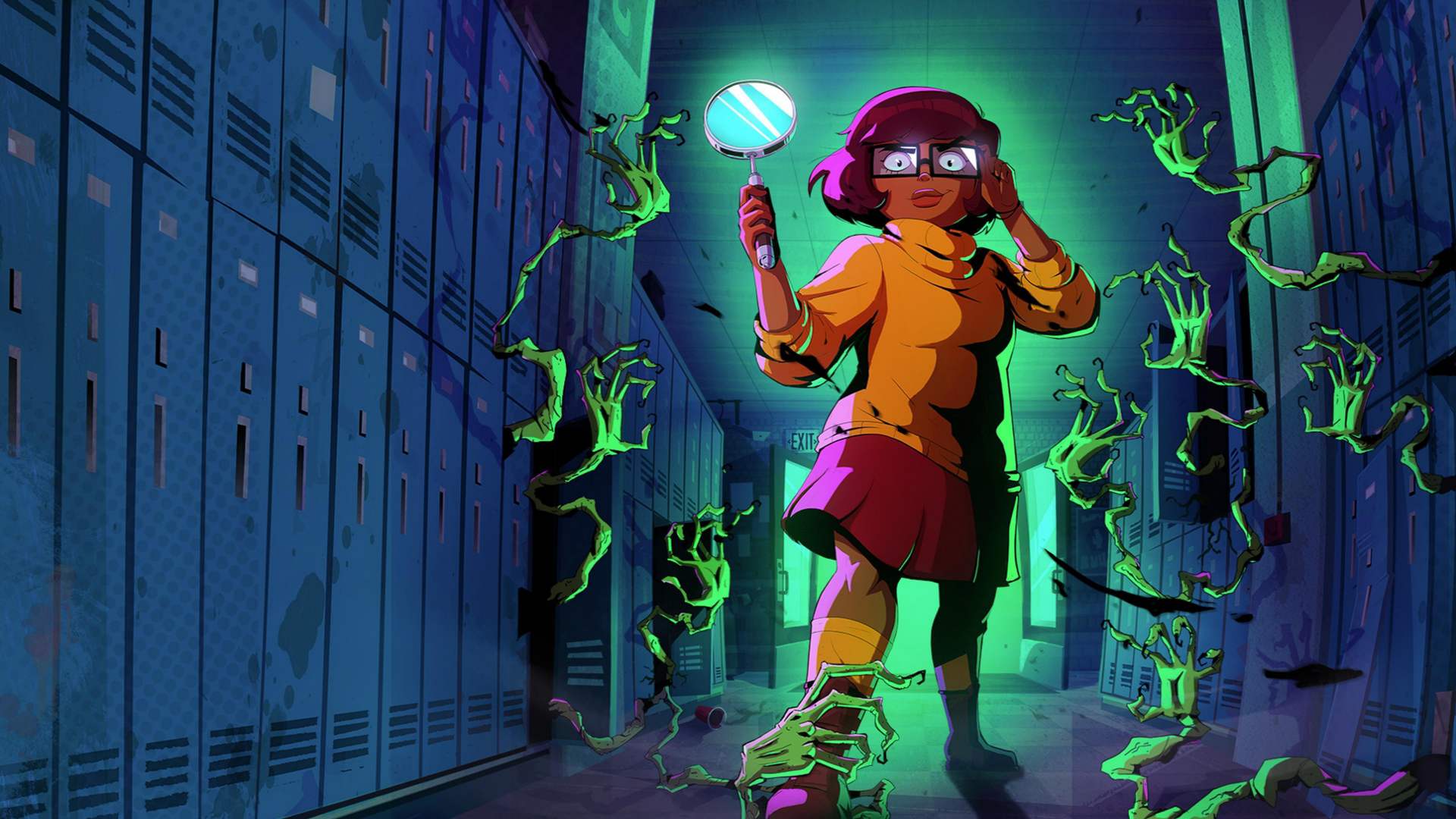
5. Velma
Velma reimagined the beloved Scooby-Doo franchise for adults, and became one of the most hated shows of 2023. Mindy Kaling’s take on Velma Dinkley leaned into edgy humor and social commentary but forgot to be fun. Critics panned its mean-spirited tone, and fans revolted online. Shockingly, it got a second season and a Halloween special before being swiftly canceled.
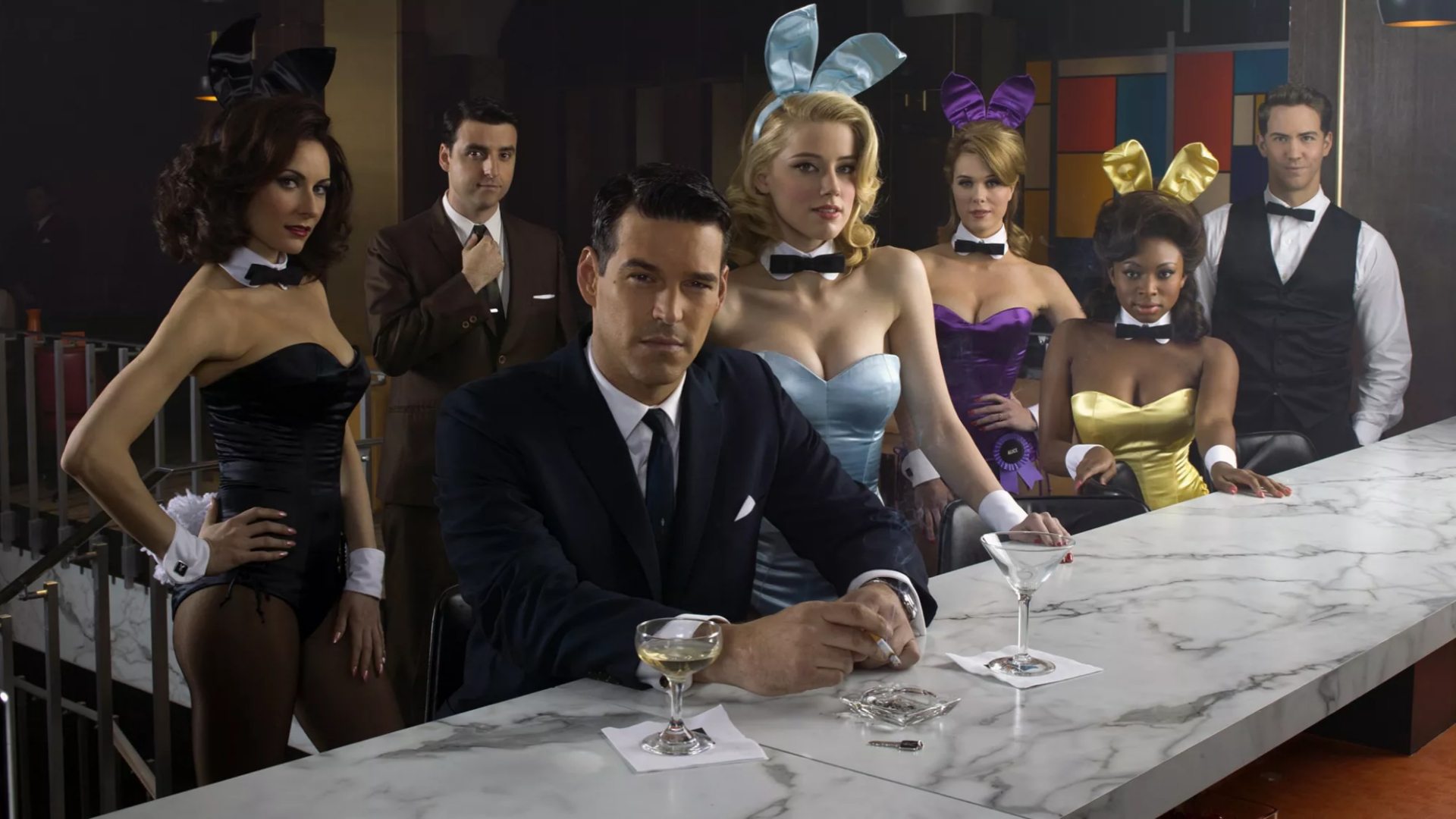
4. The Playboy Club
NBC’s attempt at a steamy period drama, The Playboy Club, tried to blend Mad Men sophistication with 1960s glamour, but forgot to include an actual story. Viewers found it tame, critics found it dull, and controversy from conservative groups sealed its fate. After only three episodes, NBC shut it down. What was supposed to be sexy prestige TV became a punchline.
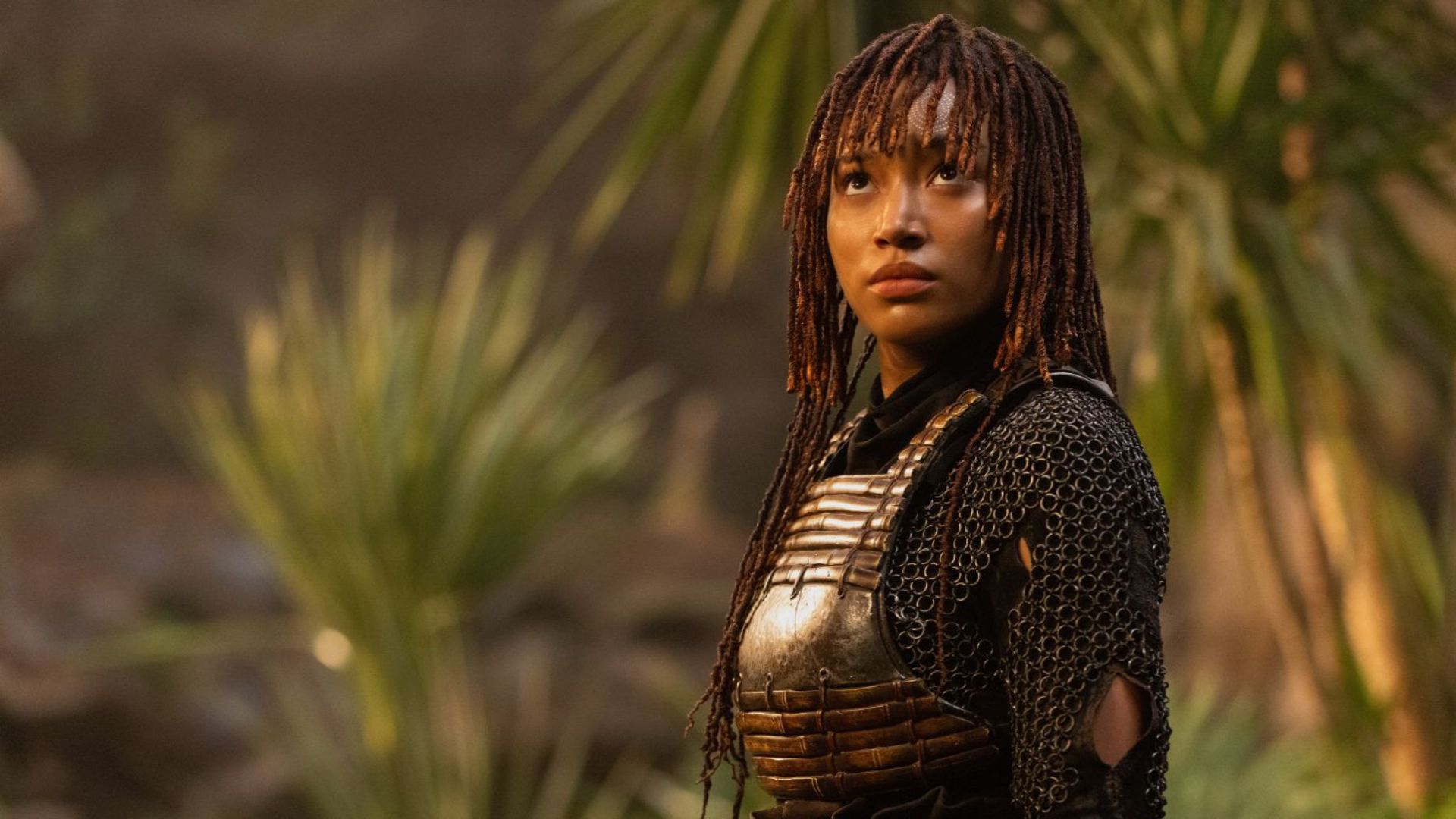
3. The Acolyte
No Star Wars show was hyped more than The Acolyte. Set 100 years before The Phantom Menace, it promised fresh lore and Jedi intrigue. Despite a strong cast and stylish production, the series split the fanbase—review-bombed by some, praised by critics. Viewership, however, couldn’t justify its hefty budget. In the end, even the Force couldn’t save The Acolyte from fading fast.
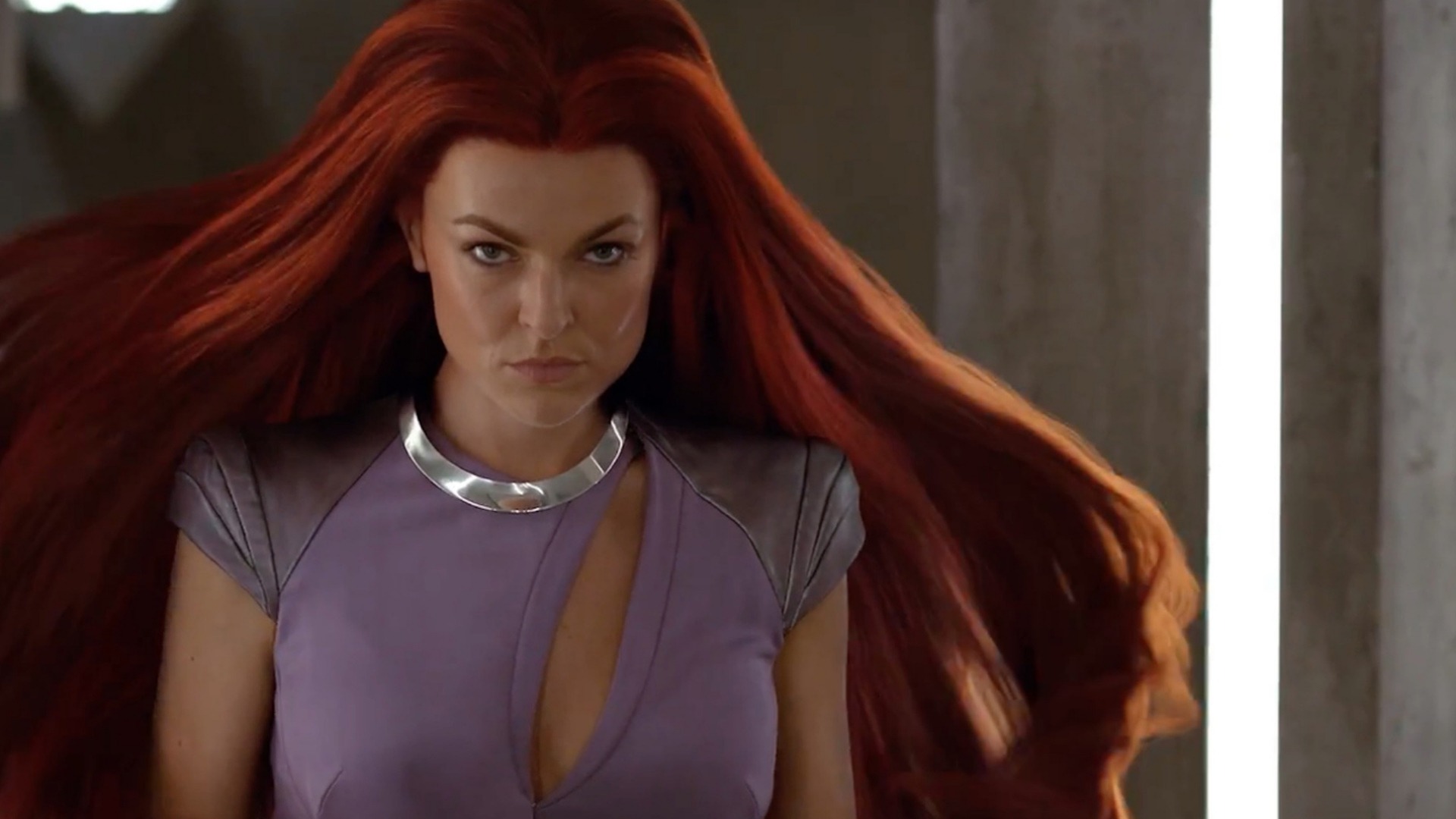
2. Inhumans
Marvel’s Inhumans was marketed as a blockbuster-level TV event, even debuting its first two episodes in IMAX. What audiences got instead was clunky CGI, lifeless dialogue, and one of the MCU’s worst-rated shows ever. Earning just 11% on Rotten Tomatoes, it tanked both critically and financially. The royal family’s TV debut was so disastrous, Marvel quietly buried it.
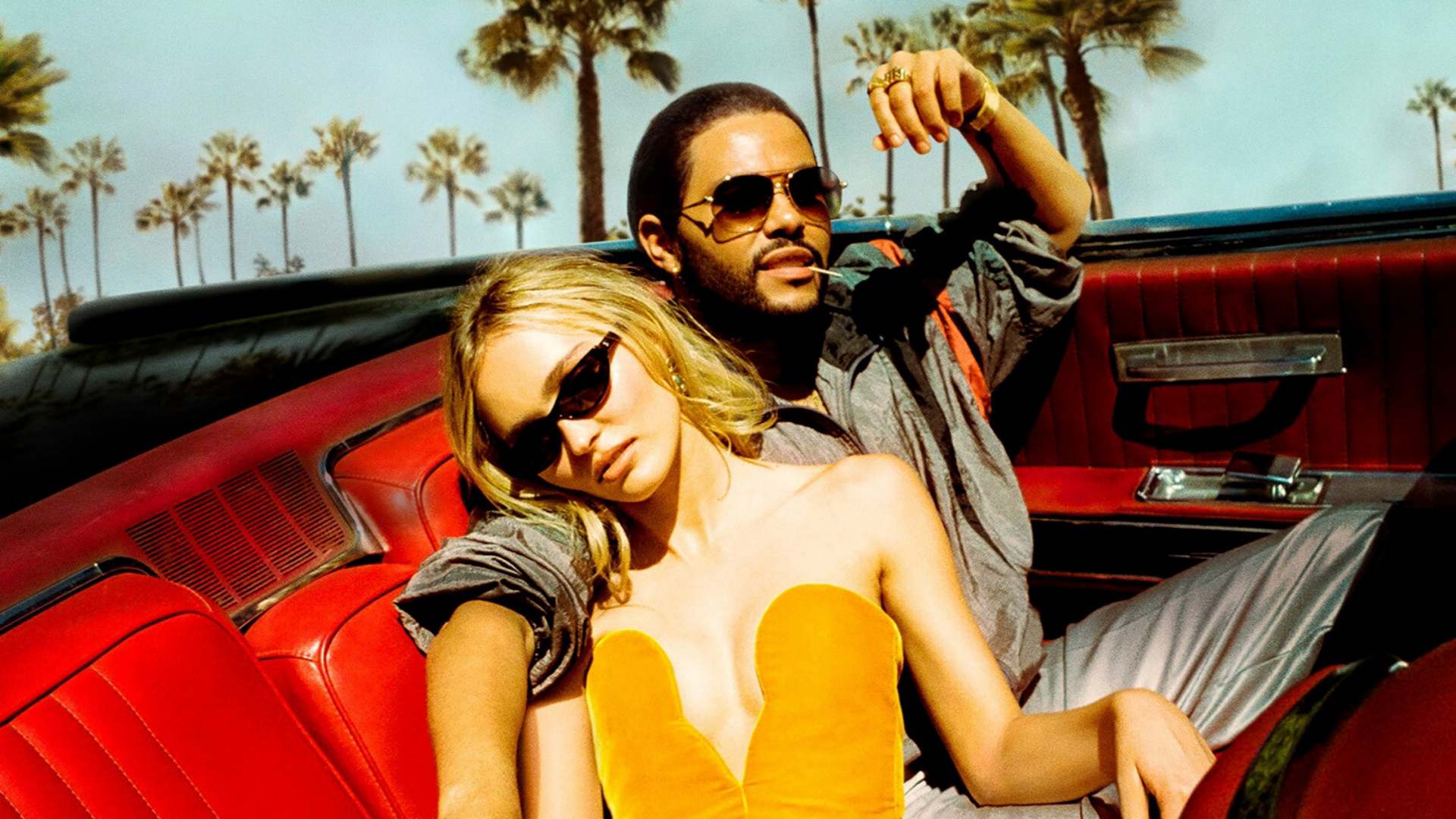
1. The Idol
The Idol was supposed to be HBO’s next provocative masterpiece. Created by Sam Levinson and The Weeknd, it followed a pop star manipulated by a sleazy cult leader. Behind-the-scenes chaos led to rewrites and re-edits, and the result was a tone-deaf trainwreck. Critics called it exploitative and hollow. Despite its buzz and Lily-Rose Depp’s sincere performance, The Idol was canceled after just five painful episodes.