
10 TV Shows That Were Years Ahead of Their Time, Ranked
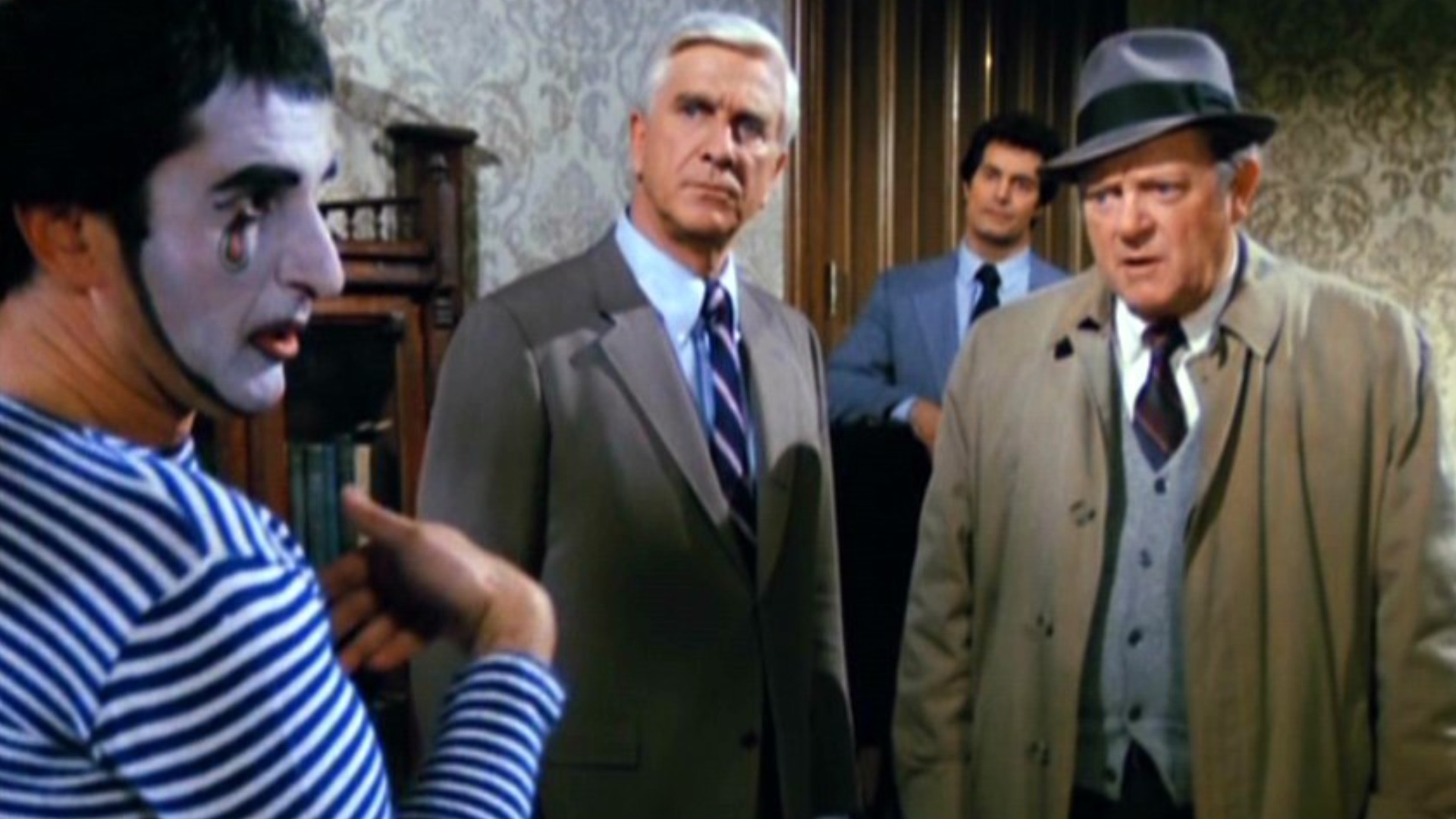
10. Police Squad! (1982)
Long before parody sitcoms became mainstream, Police Squad! aimed at television's most familiar crime-drama conventions. Created by David Zucker, Jim Abrahams, and Jerry Zucker, the series packed every episode with visual jokes, deadpan performances, and background gags that rewarded attentive viewers. Audiences largely missed it during its original run, but its comedic blueprint later fueled the success of The Naked Gun films starring Leslie Nielsen.
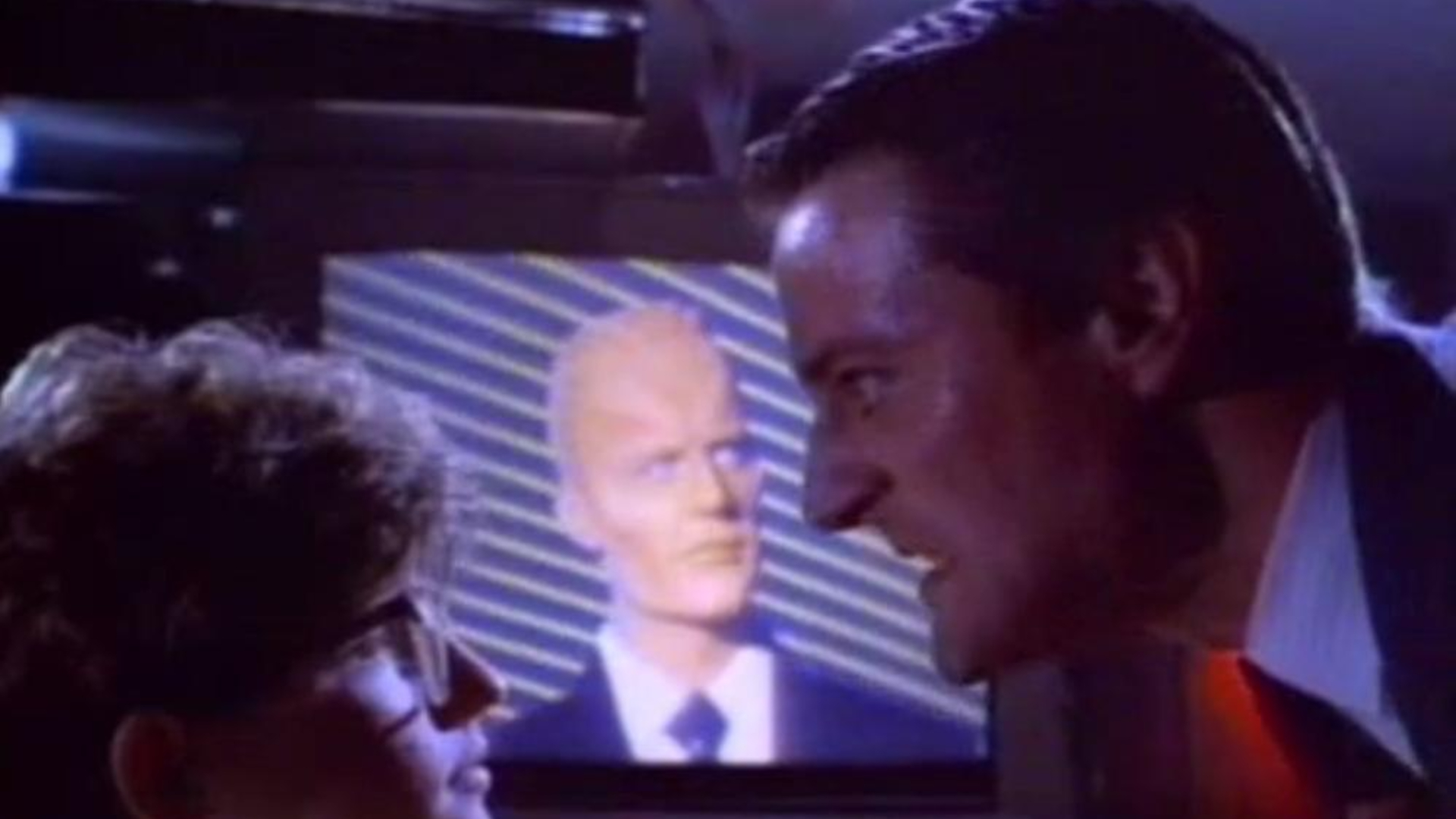
9. Max Headroom (1987)
Few television series predicted the future of media culture as accurately as Max Headroom. Created by George Stone, Rocky Morton, and Annabel Jankel, the cyberpunk drama imagined a world dominated by powerful networks, nonstop advertising, and digital personalities. Its story follows a journalist and his computerized alter ego as they navigate the corporate-controlled media landscape. Decades later, its warnings about information overload and corporate influence feel strikingly familiar.
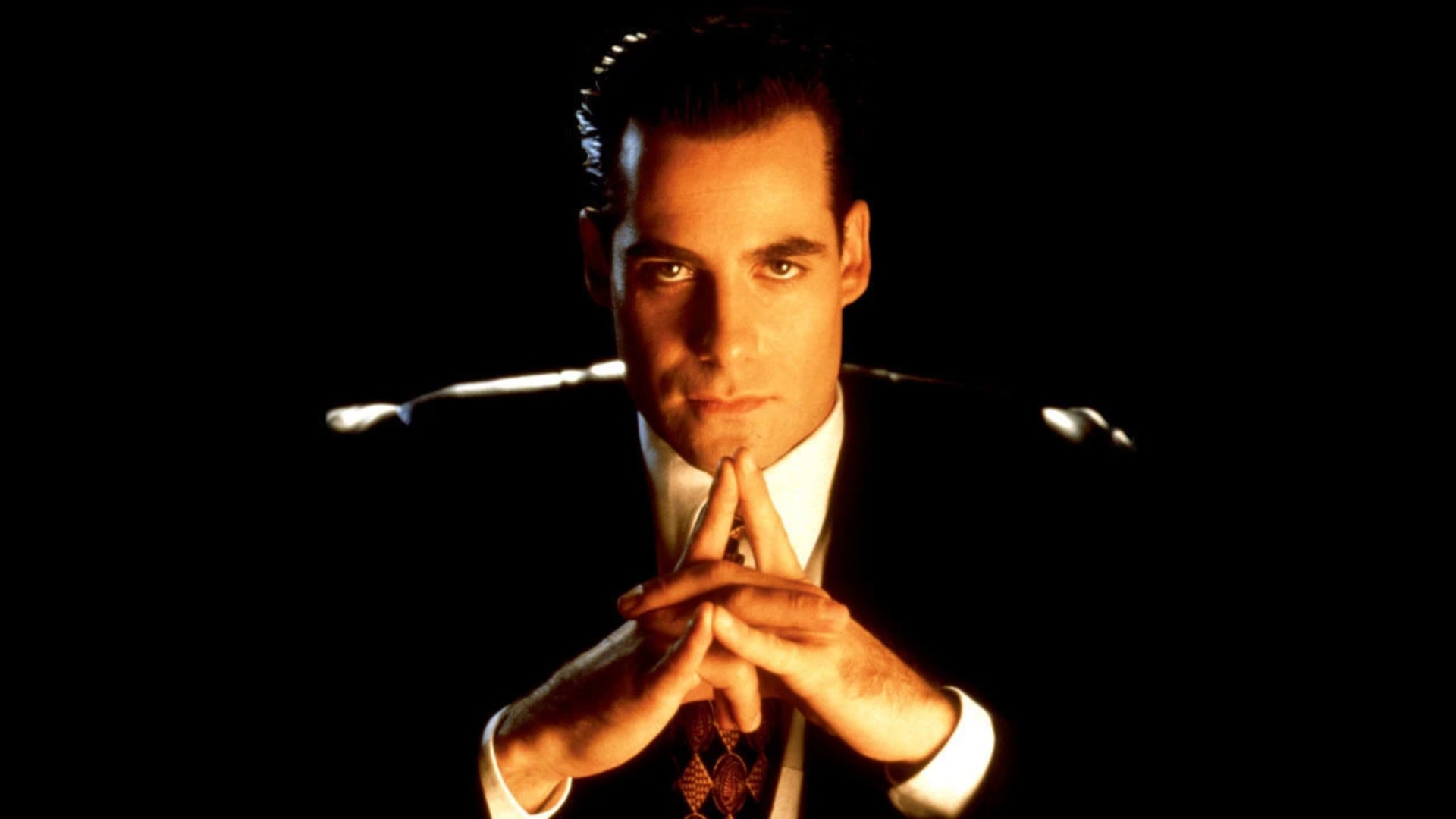
8. Profit (1996)
Years before television embraced morally compromised protagonists, Profit placed one at the center of its story. Created by David Greenwalt and John McNamara, the series follows Jim Profit, a corporate executive who uses manipulation, blackmail, and deception to advance his career. At a time when audiences expected clear heroes and villains, the show's ruthless lead felt unusually provocative. Many later antiheroes owe something to the path Profit attempted to carve.
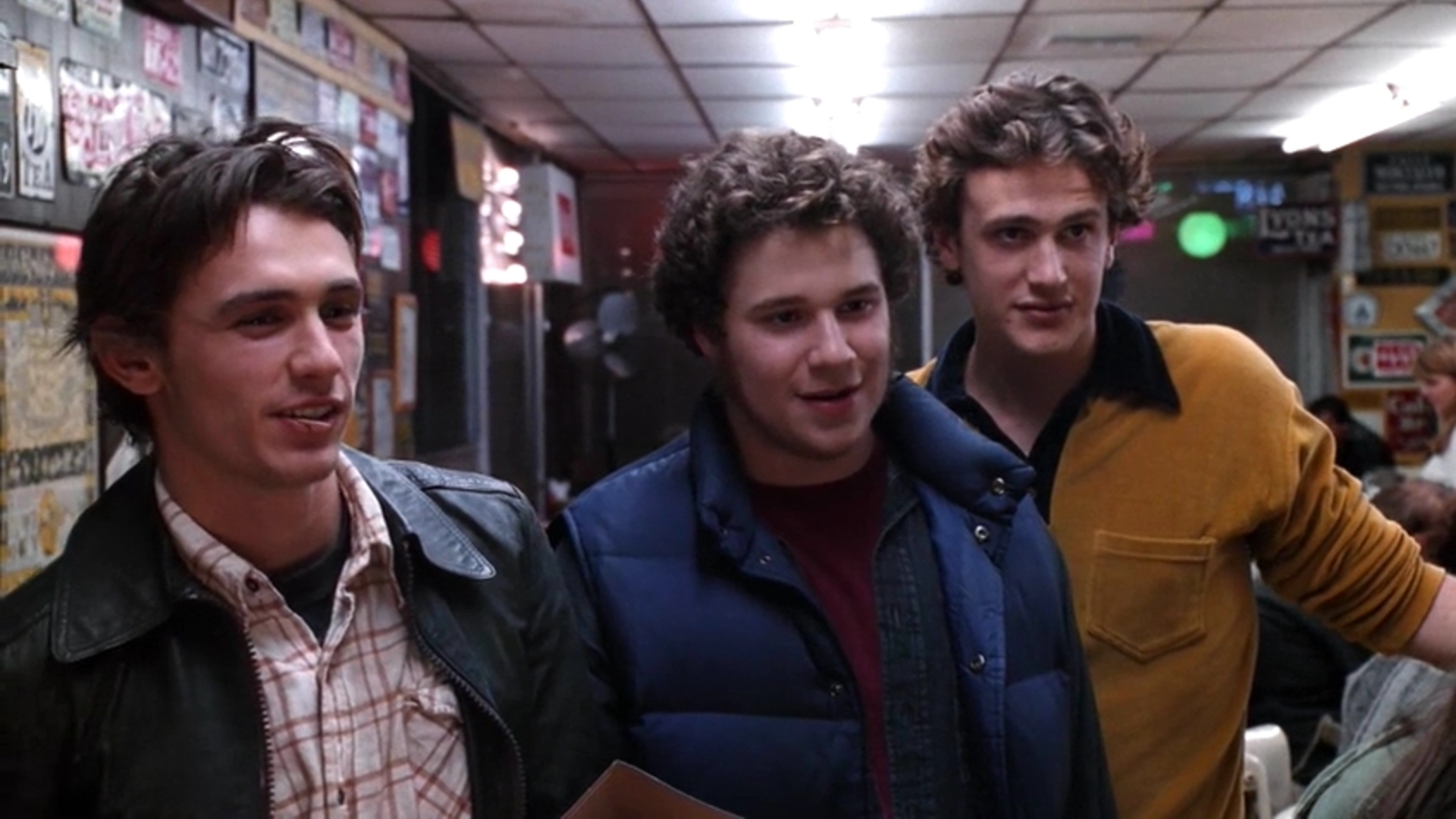
7. Freaks and Geeks (1999)
Teen dramas often relied on stereotypes, but Freaks and Geeks pursued something closer to reality. Created by Paul Feig, the series explored high school life through awkward outsiders rather than popular students. Set in the early 1980s, it captured everyday insecurities, social struggles, and family dynamics with unusual honesty. Although it lasted only one season, its influence remains visible in many coming-of-age series that followed.
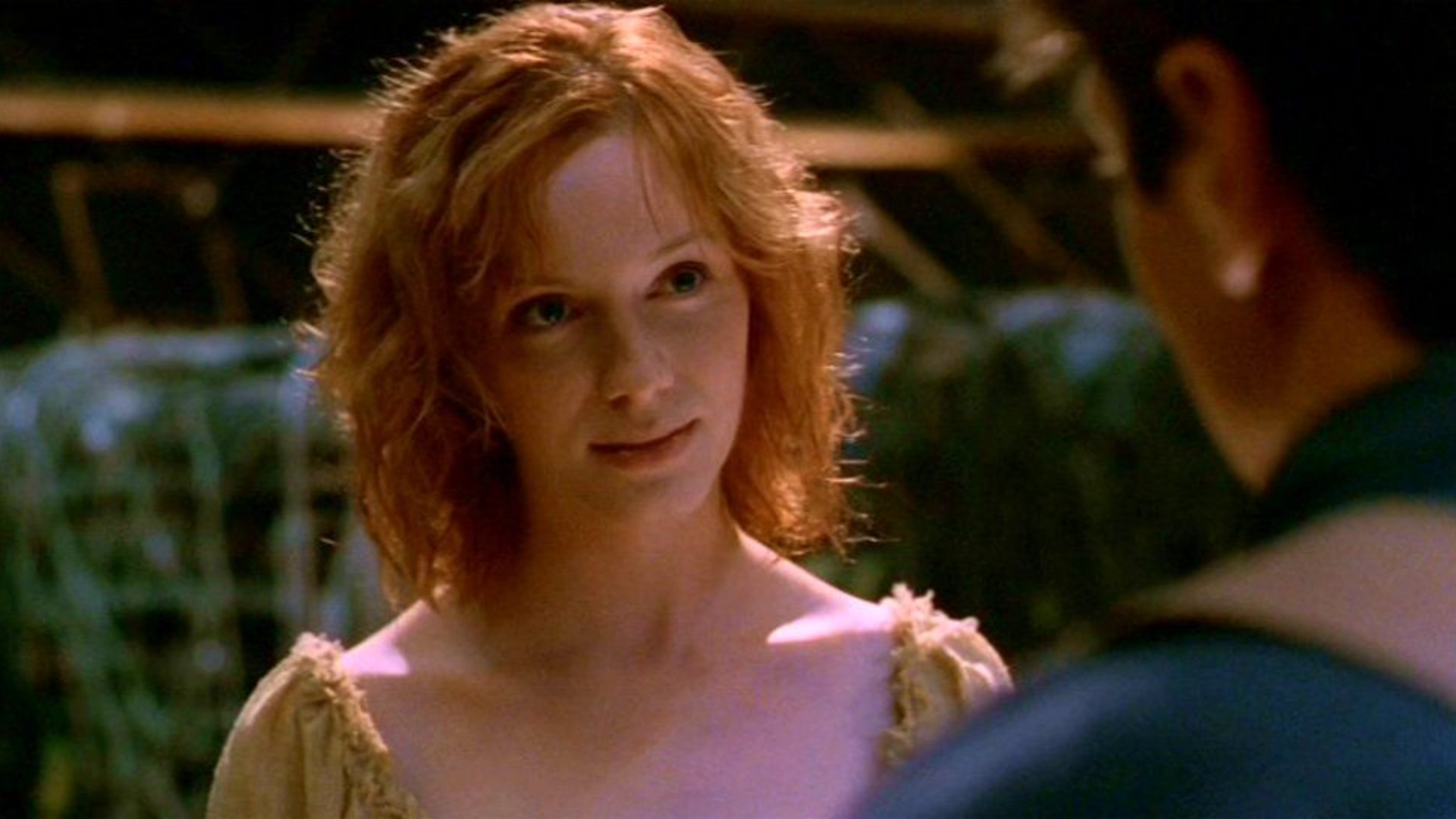
6. Firefly (2002)
Science fiction and western storytelling rarely shared the same space before Firefly. Created by Joss Whedon, the series followed a small crew trying to survive on the fringes of a vast interplanetary society. The blend of frontier themes, space travel, and character-driven drama felt fresh for network television. Despite its short run, the series developed a devoted fan base and became one of television's most famous cult favorites.
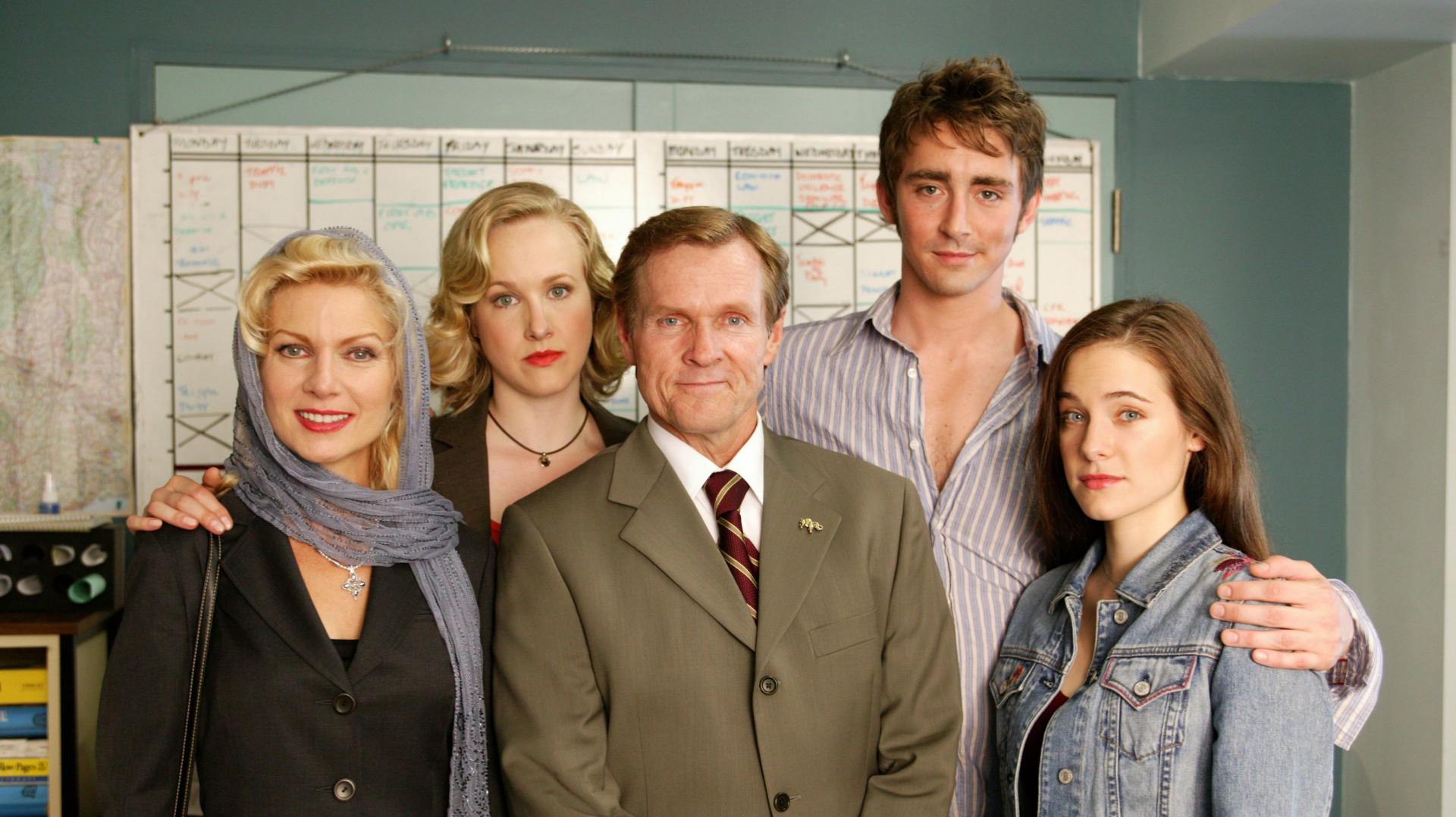
5. Wonderfalls (2004)
Bryan Fuller and Todd Holland delivered one of television's strangest premises with Wonderfalls. The story centers on a disillusioned retail worker whose life changes when animal figurines begin communicating with her. What could have been a simple fantasy comedy evolved into a thoughtful series about purpose, connection, and personal growth. Its unconventional tone likely limited its initial audience, but later viewers helped establish its reputation.
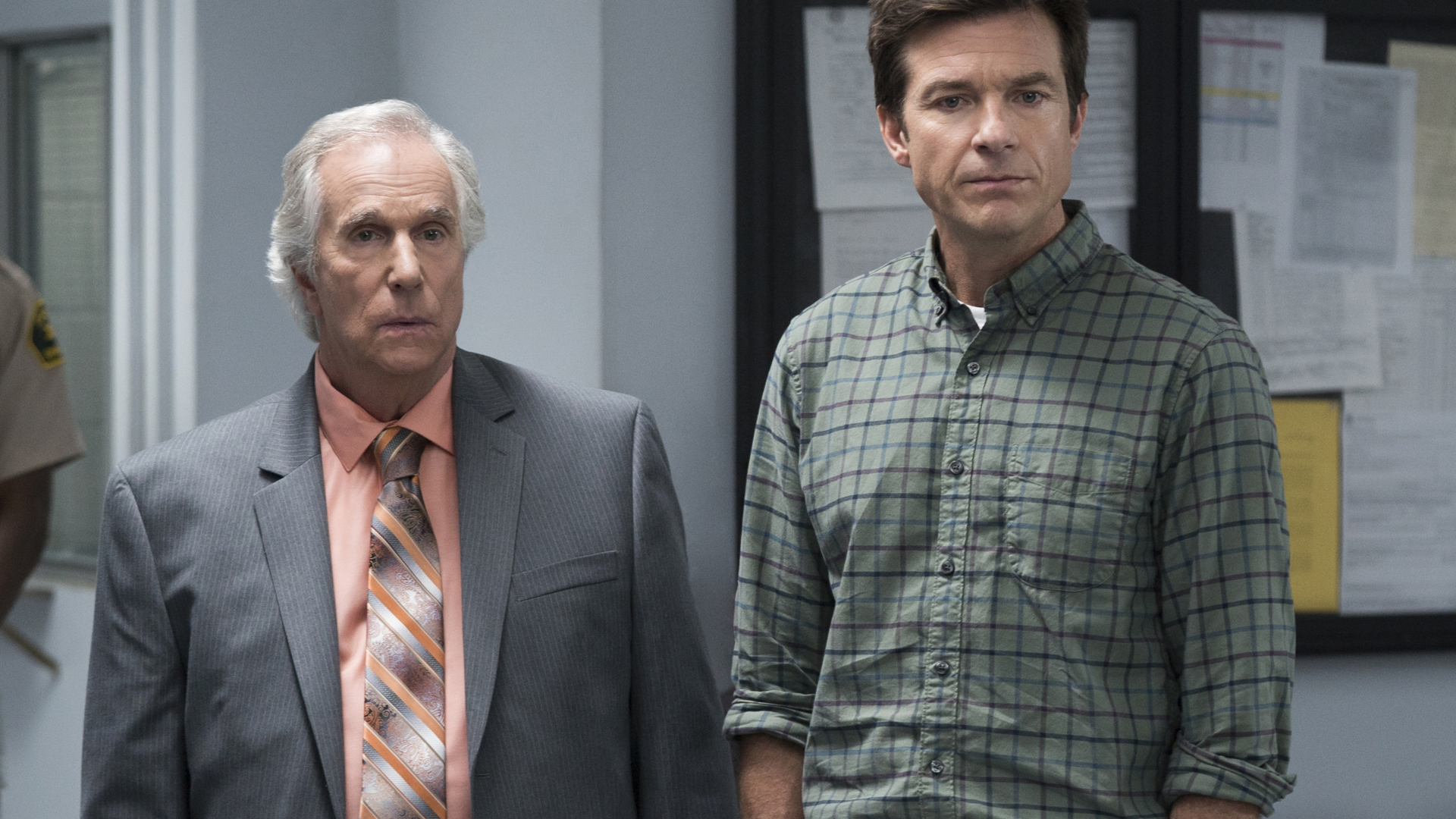
4. Arrested Development (2003)
Modern sitcoms owe a considerable debt to Arrested Development. Created by Mitchell Hurwitz, the series relied on serialized storytelling, running jokes, and layered callbacks rather than traditional sitcom formulas. Following the downfall of the wealthy Bluth family, it rewarded viewers who paid close attention. Many of the techniques now common in television comedy appeared here years before they became standard.
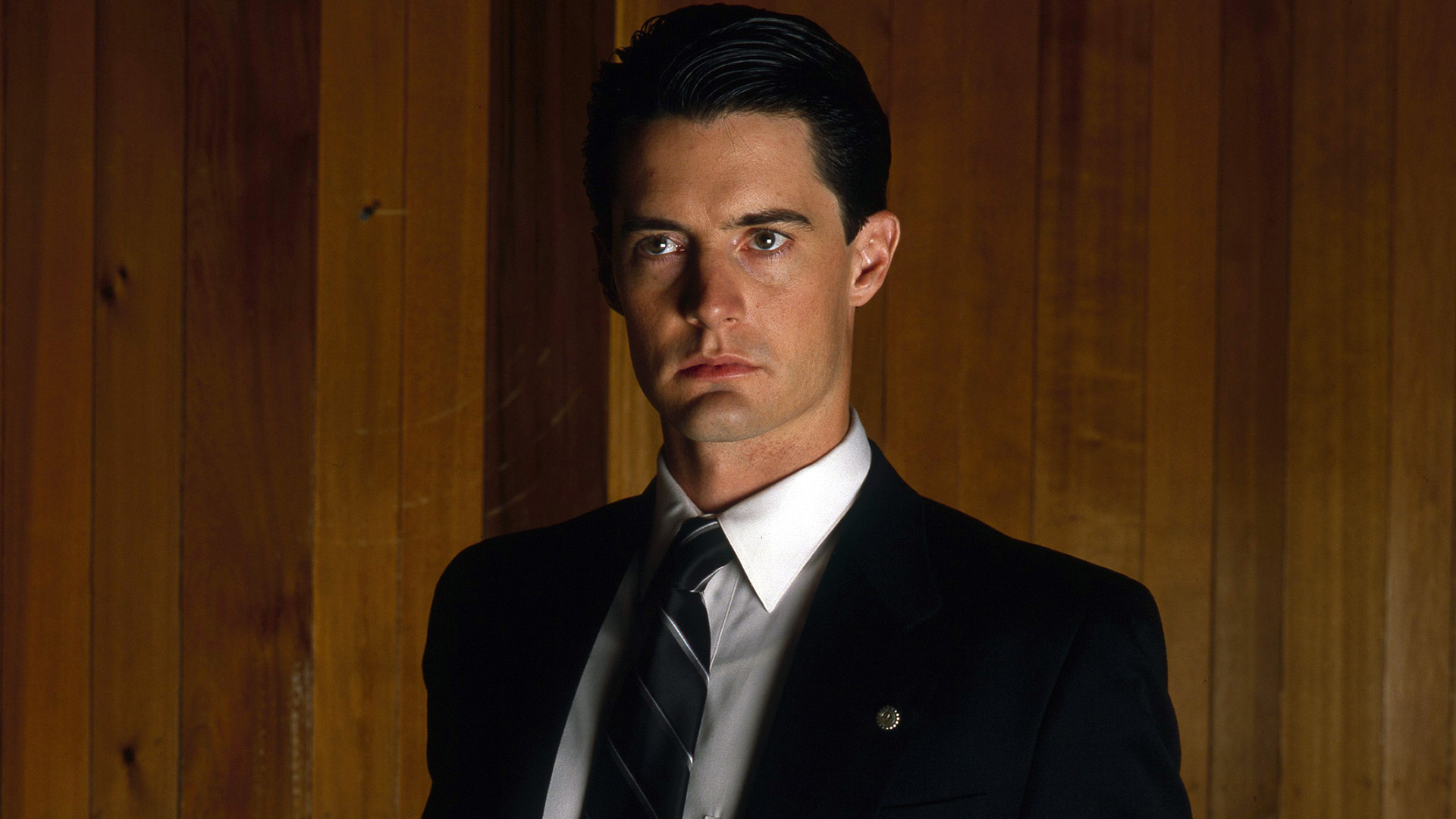
3. Twin Peaks (1990)
When Twin Peaks arrived, network television rarely embraced mystery on such an ambitious scale. Created by David Lynch and Mark Frost, the series begins with a murder investigation before expanding into something far stranger. Dreams, supernatural forces, and small-town secrets gradually reshape the narrative. Its cinematic style and serialized storytelling helped redefine what television could accomplish artistically.
2. The Prisoner (1967)
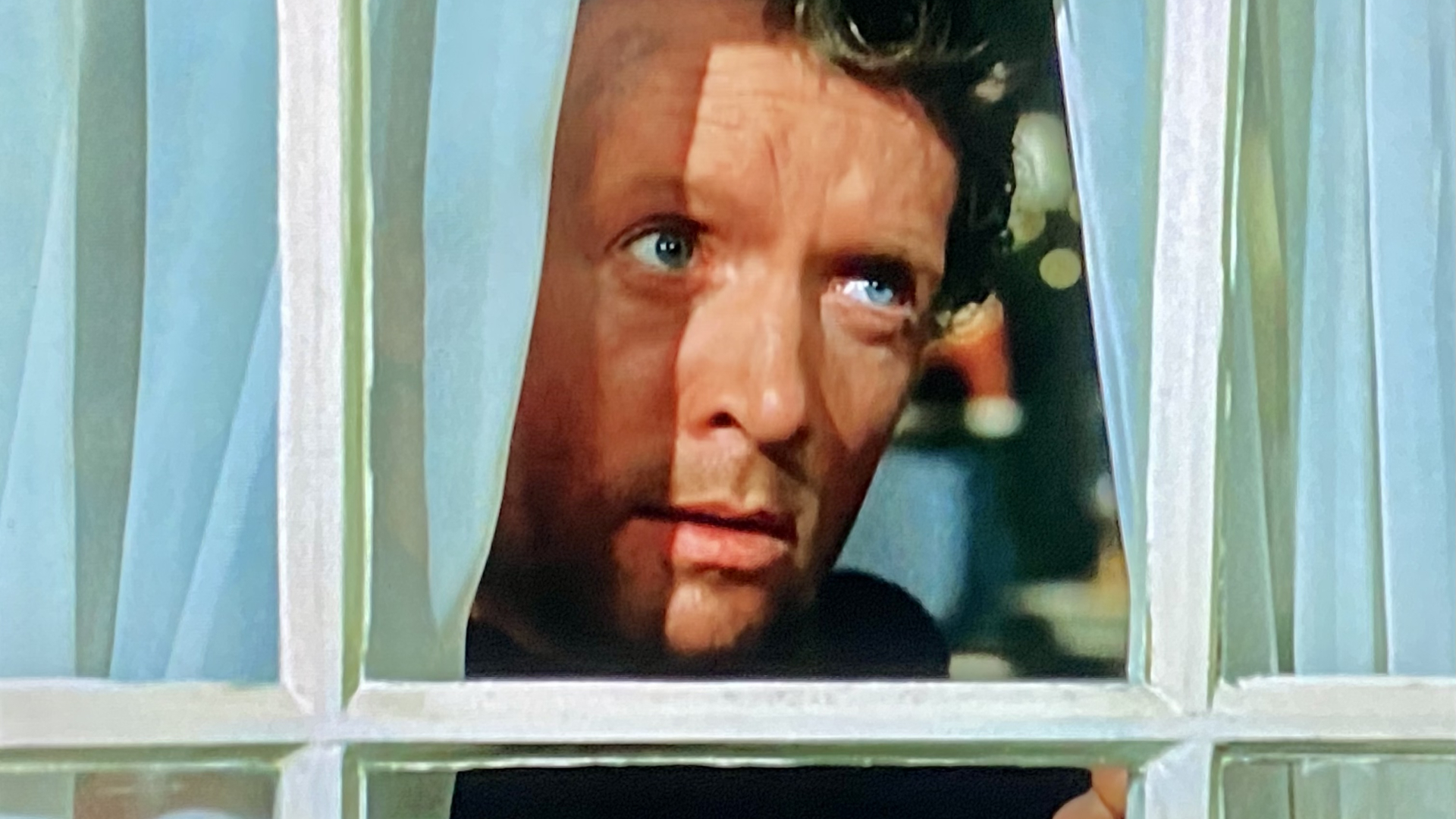
Most spy dramas focused on missions and espionage. The Prisoner chose a different path. Created by Patrick McGoohan and George Markstein, the series follows a former intelligence agent trapped in a mysterious village where surveillance is constant, and escape seems impossible. Beneath the surface lies a challenging examination of freedom, authority, and personal identity. Its surreal approach puzzled many viewers in the 1960s but earned lasting critical admiration.
1. The Twilight Zone (1959)
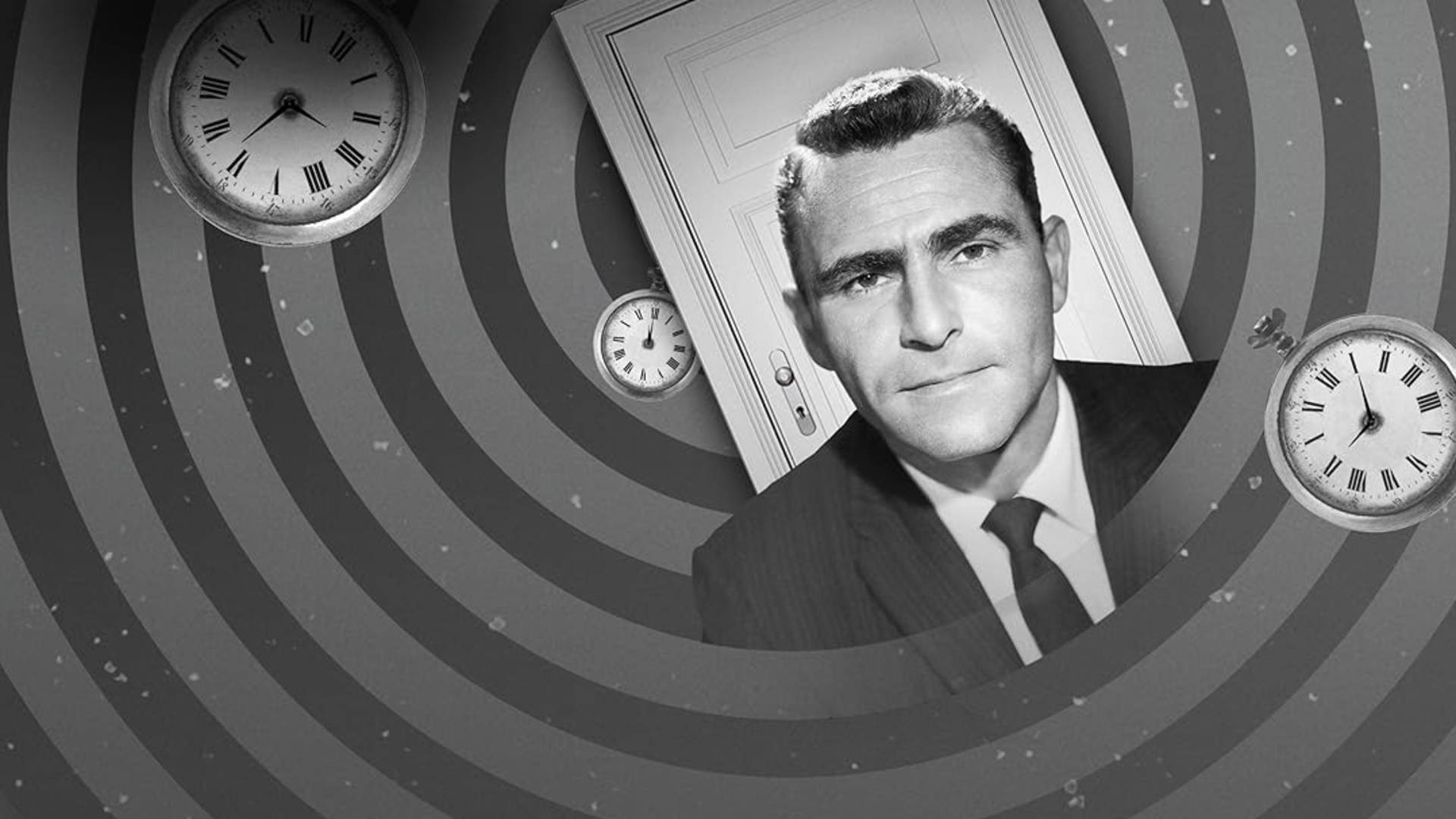
Few television series have influenced storytelling more than The Twilight Zone. Created by Rod Serling, the anthology used science fiction, fantasy, and horror to address real-world concerns. Episodes tackled prejudice, paranoia, conformity, and human behavior while working within the limits of network television. The series demonstrated that television audiences would embrace ambitious ideas, setting a standard that countless anthology and genre series continue to follow.