
10 TV Shows With the Most Satisfying Endings

10. The Good Place (2016–2020)
Few comedies have tackled questions about life, death, and morality as thoughtfully as The Good Place. In its final episode, the series embraces its philosophical roots by exploring what fulfillment truly means. Rather than relying on a conventional happy ending, the characters are given the freedom to move on when they feel complete. The result is a heartfelt farewell that balances humor, reflection, and emotional closure.

9. Avatar: The Last Airbender (2005–2008)
After three seasons of war, friendship, and personal growth, Avatar: The Last Airbender concluded with a finale that rewarded both its characters and its audience. Faced with defeating Fire Lord Ozai, Aang finds a solution that remains true to his pacifist beliefs, avoiding the moral compromise many expected. The series also provides meaningful resolutions for its supporting cast, bringing each character's journey full circle.

8. Mr. Robot (2015–2019)
For much of its run, Mr. Robot challenged viewers to question reality alongside its troubled protagonist. The final episodes reveal a crucial truth about Elliot Alderson that recontextualizes the entire series. Rather than existing solely for shock value, the twist serves as the emotional centerpiece of a story about identity, trauma, and healing. It's a conclusion that rewards close attention while delivering genuine emotional impact.

7. Justified (2010–2015)
Many crime dramas end with explosive confrontations, but Justified took a different approach. The series builds toward a final meeting between Deputy U.S. Marshal Raylan Givens and longtime rival Boyd Crowder, choosing character over spectacle. Their last exchange reflects years of shared history and mutual understanding, delivering a quiet yet powerful ending that perfectly suits the show's tone.
6. The Shield (2002–2008)
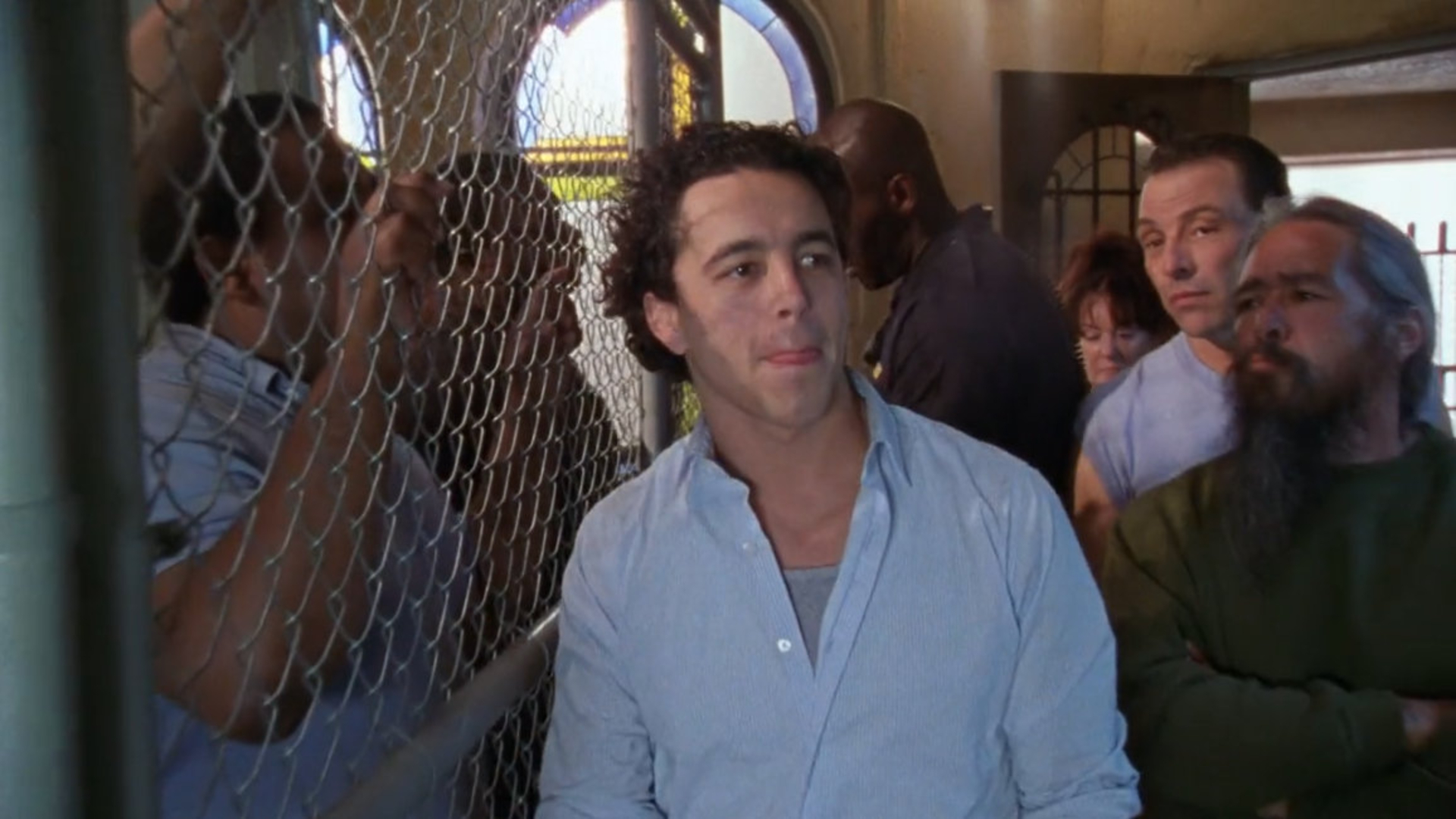
From its opening episode, The Shield followed Detective Vic Mackey's descent into corruption. The finale brings that journey to its inevitable conclusion. After betraying nearly everyone around him to secure immunity, Mackey avoids prison but loses everything that once defined him. His punishment is not physical but psychological, condemned to a sterile office job that strips away the power and influence he spent years accumulating.

5. Succession (2018–2023)
At its core, Succession was never about who would win control of Waystar Royco; it was about the damage caused by the pursuit of power. The final episode remains faithful to that theme as the Roy siblings sabotage one another in their last bid for control of the company. By the end, none of them achieve what they wanted, underscoring the emotional scars left by a lifetime of competition and manipulation.
4. Better Call Saul (2015–2022)
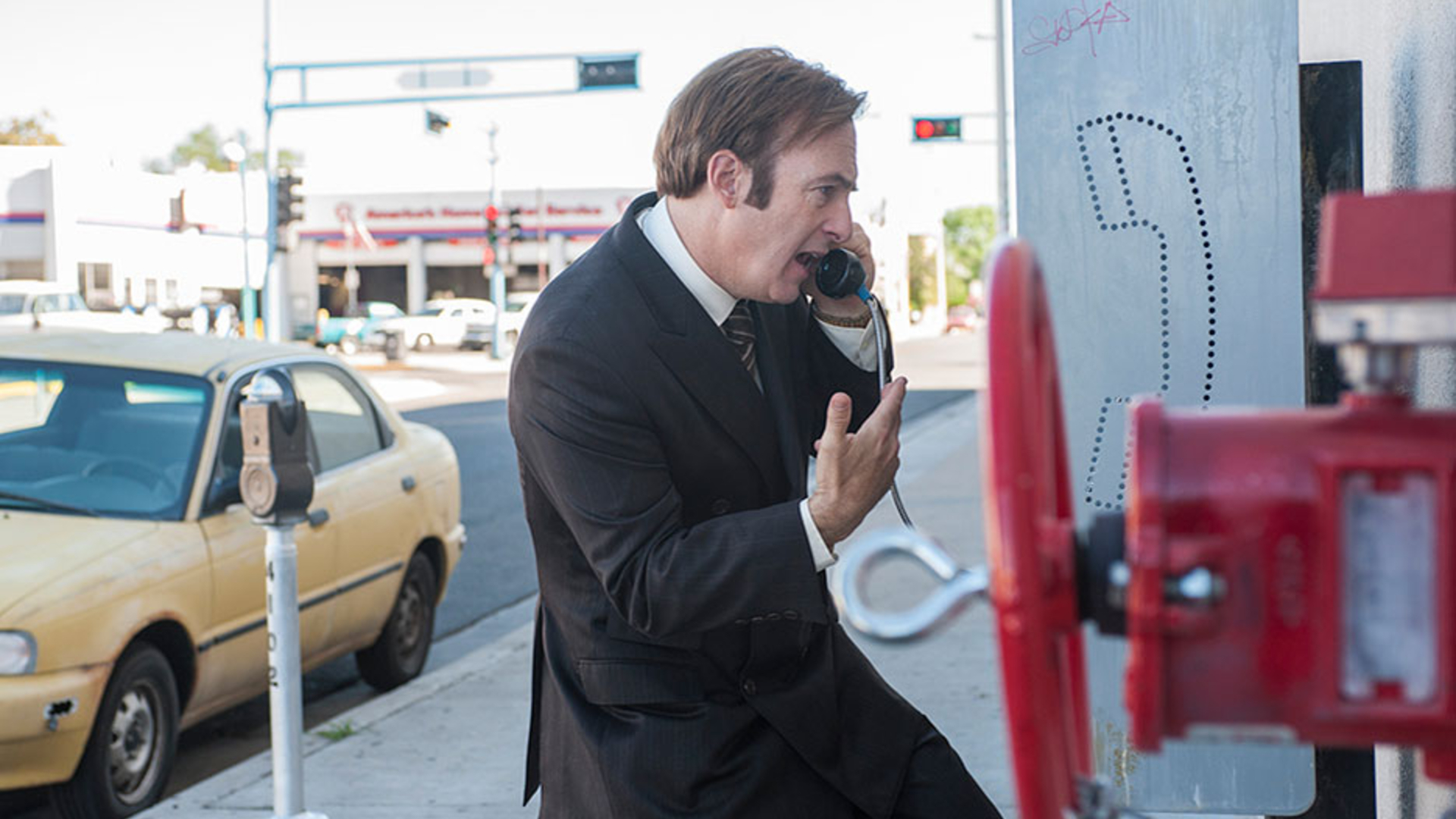
What began as a spinoff evolved into one of television's most compelling character studies. In its final chapter, Jimmy McGill is given one last opportunity to escape accountability. Instead, he chooses honesty and accepts responsibility for his actions. The decision marks a rare moment of redemption in a story defined by moral compromise, while the closing scene offers a poignant farewell to both Jimmy and Kim.

3. The Americans (2013–2018)
The ending of The Americans proves that emotional consequences can be more powerful than action. After years of operating undercover, Philip and Elizabeth Jennings are finally forced to abandon the life they built in the United States. Their escape comes at a devastating personal cost, including separation from members of their own family. The finale's restraint makes its emotional weight even more effective, leaving a lasting impression long after it ends.

2. Breaking Bad (2008–2013)
By the time Breaking Bad reached its final episode, Walter White had transformed from a desperate chemistry teacher into one of television's most infamous antiheroes. The finale ties together the series' major storylines while allowing Walt to confront the truth about his motivations. His final actions provide closure for those closest to him, but the episode never loses sight of the destruction he caused along the way. It's a conclusion that feels both dramatic and inevitable.

1. Six Feet Under (2001–2005)
No television finale is cited more often in discussions of great endings than Six Feet Under. The series, which revolves around a family running a funeral home, concludes with a remarkable sequence that reveals the future and eventual deaths of its central characters. Rather than focusing on loss, the montage celebrates the passage of life itself. It's an emotionally powerful ending that captures the show's central message about mortality, making it one of the most memorable conclusions ever broadcast.