

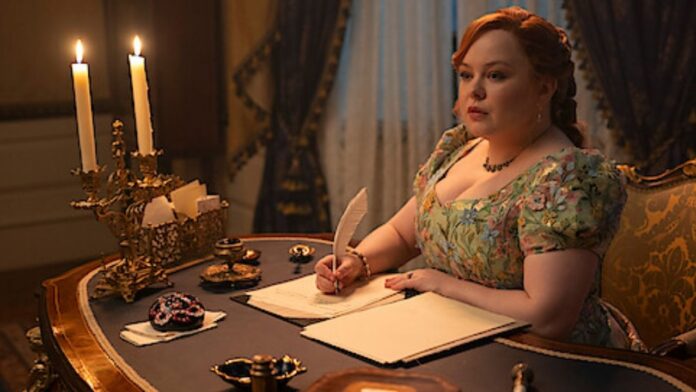
In the glittering world of ‘Bridgerton‘, nothing spreads faster than a scandal penned by Lady Whistledown. One sentence and reputations tumble down. One printed rumour and the entire ton spirals. It feels dramatic, delicious, and slightly exaggerated. But here is the real twist. It was not exaggerated at all.
Long before streaming platforms and viral threads, Regency England had its own version of gossip royalty. Society was obsessed with scandal sheets, coded columns, and thinly veiled exposés about aristocrats behaving badly. As historian Geri Walton explains, “Newspapers were plentiful during the Regency Era… and did focus on aristocrats and socialites,” proving that Whistledown’s world wasn’t as fictional as we might think.
Regency London Truly Worshipped Rumor And Gossip Sheets
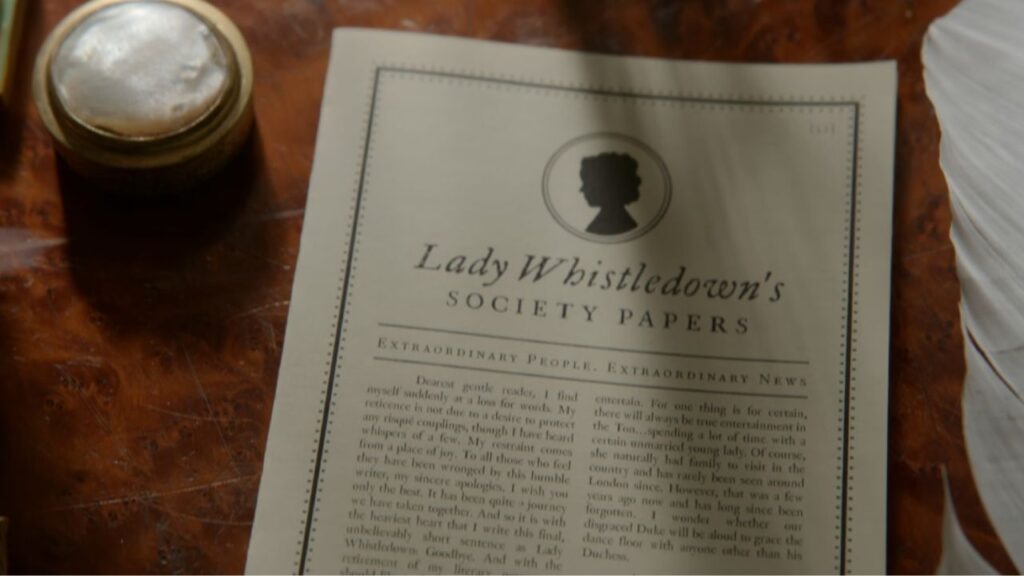
Every true Bridgerton fan knows the thrill of hearing Lady Whistledown’s latest issue, brought to life by the iconic voice of Julie Andrews. Penelope Featherington may appear harmless at a ball, but behind the scenes, she rules the Ton with ink and paper. Even Queen Charlotte waits impatiently for each new publication while trying to unmask the writer.
History confirms that scandal sheets truly existed during and before the Regency period. London society loved gossip just as much as the Bridgerton characters did. Readers eagerly bought magazines and newspapers that revealed secrets about affairs, bad marriages, and dramatic social missteps. One popular example was The Town and Country Magazine, which printed detailed stories about the romantic escapades of the upper class.
Related:
Moreover, a major turning point helped gossip flourish. The 1662 Licensing Act expired in 1695, and that change allowed more printing presses to operate freely. As a result, publications multiplied, and writers began commenting more boldly on society’s behaviour. Even so, they avoided printing full names.
Instead, they used initials or disguised references to protect themselves from libel laws. Readers, of course, loved the challenge of decoding those clues. In many ways, that shared understanding between writer and audience feels very similar to the excitement Bridgerton fans experience when piecing together Whistledown’s hints.
Mrs. Crackenthorpe Might Be the Closest Thing to Lady Whistledown
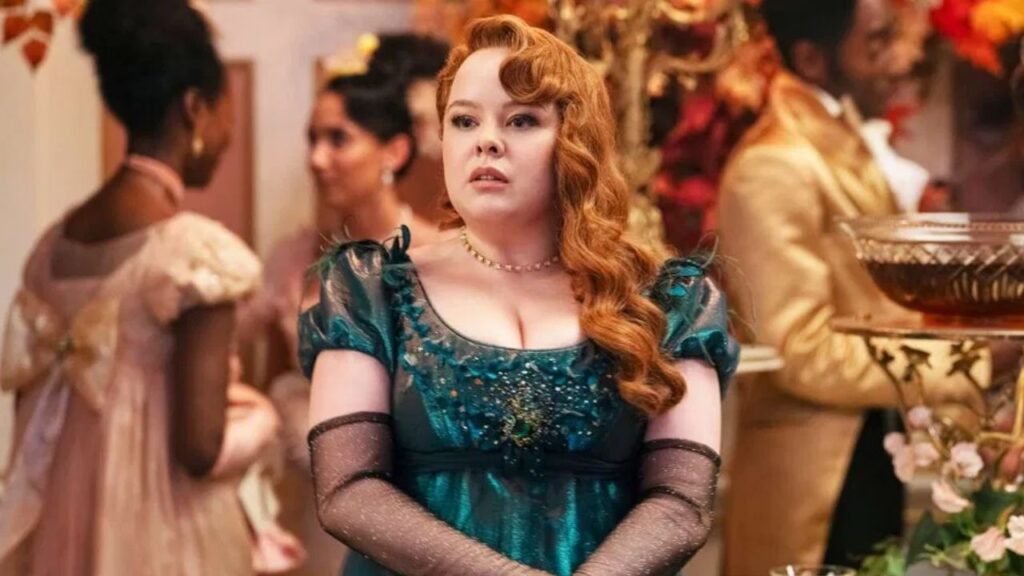
Naturally, any devoted fan searching for a historical Lady Whistledown eventually encounters Mrs. Crackenthorpe. She wrote in the early eighteenth century, nearly one hundred years before the Regency setting of Bridgerton. Her true identity remains unknown, which only adds to her mystique. Confidently, she described herself as “a Lady that knows everything,” sic, and that bold declaration instantly reminds fans of Whistledown’s authority over the Ton.
Soon after, she launched The Female Tatler in 1709. Although the paper survived for just one year, it managed to publish more than one hundred editions. Impressively, she released it three times a week and deliberately chose the exact days when her rival, The Tatler, did not publish. That clever scheduling ensured readers always had her commentary to enjoy.
In case you missed it: ‘Bridgerton’ Season 4 Has A Modern Masquerade Ball Blunder Fans Can’t Unsee
At first, she personally wrote the first fifty-one editions. Later, she announced that a “society of ladies” would continue the next fifty-eight issues. Historians still question whether that society truly existed or whether she invented it to maintain secrecy. Regardless, her work dissected social behaviour, romantic entanglements, and reputation in a way that feels remarkably close to Lady Whistledown’s style. The parallels are difficult to ignore.
By the late seventeenth and early eighteenth centuries, Britain had entered a true golden age of gossip. Printing expanded, readership increased, and scandal became a form of entertainment. High society figures feared exposure in print, yet they still bought these publications eagerly to see who had been mentioned next.
At the same time, writers relied on wit and suggestion rather than direct accusations. Audiences took pleasure in spotting familiar stories hidden behind coded language. That interactive experience created excitement and kept conversations alive across drawing rooms and coffee houses alike.
So, was there a real Lady Whistledown? Not in the exact dramatic form we see in Bridgerton. Nevertheless, figures like Mrs. Crackenthorpe and publications such as The Town and Country Magazine prove that anonymous commentators truly contributed to public conversation long before Netflix brought the Ton to life.
The Ton Was Obsessed With High-Profile Rumors And Royal Drama
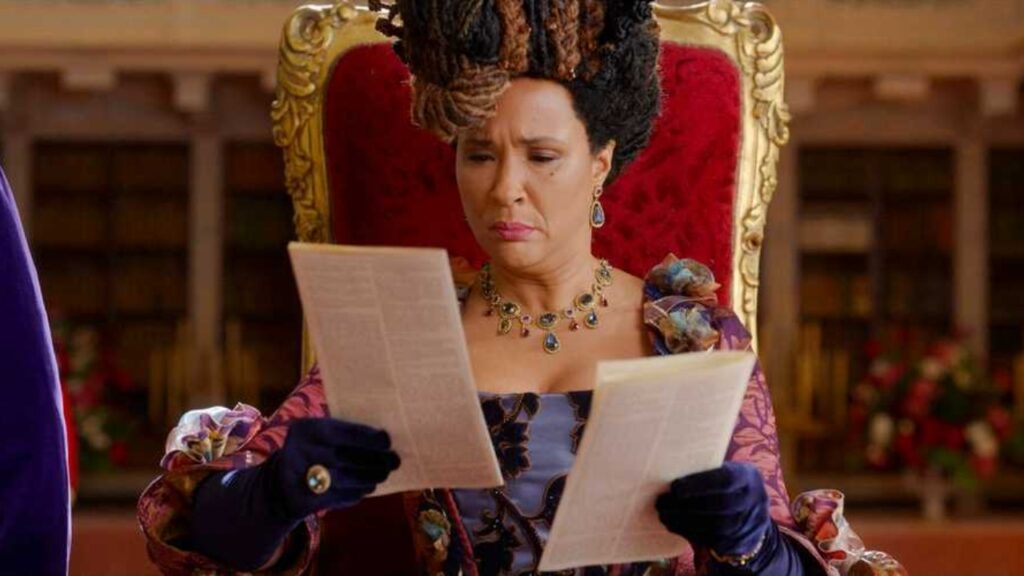
The Regency era didn’t have whole newspapers devoted to gossip, but nearly every publication offered news and commentary about the wealthy and titled. The public was insatiable, says Curzon, and even the Royal Family was not immune from rumor-mongering columns. One Regency story reported on the Prince Regent’s eating habits, noting he “is now allowed to take half a pint of wine by his physicians… his general drink is barley water”, a detail that sounds oddly personal and perfectly scandal-worthy.
Just as in the world of ‘Bridgerton,’ people were fascinated by what the upper class did in private. Caricatures and printmakers also fueled gossip, sometimes saying “far more in pictures than words could convey,” and everyone from aristocrats to everyday Londoners could enjoy these displays without spending a penny.
Lady Whistledown may be fictional, but the culture that empowers her is rooted in history. Regency England thrived on scandal, secrecy, and strategic storytelling long before the Netflix era. ‘Bridgerton‘ didn’t invent the obsession with gossip; it simply reminds us that humans have always been drawn to whisper, decode, and relish a juicy scandal.
You might also like to read: 10 Great Period Dramas Powered By Unstoppable Women