

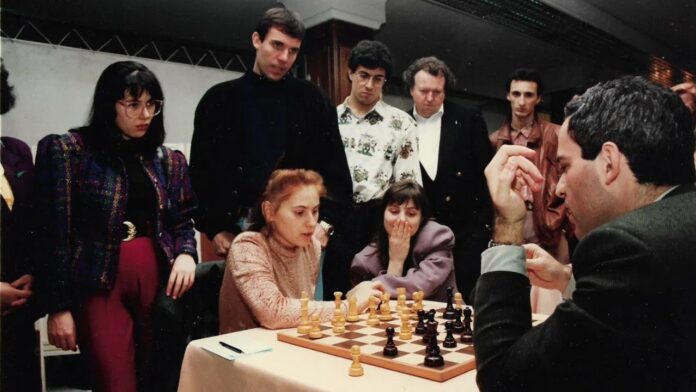
In 1989, a 12-year-old girl from Hungary made chess history. Judit Polgár became the No. 1 female chess player in the world. She achieved that title by competing in tough tournaments, often against grown men who believed women could not reach the top level of the game.
At just 12, Judit did more. She proved that skill has nothing to do with gender. A new Netflix documentary, ‘Queen of Chess,’ now looks back at how she reached that milestone so young, and how her wins silenced those who doubted her.
How Judit Polgár Dominated As ‘Queen of Chess’ At Age 12
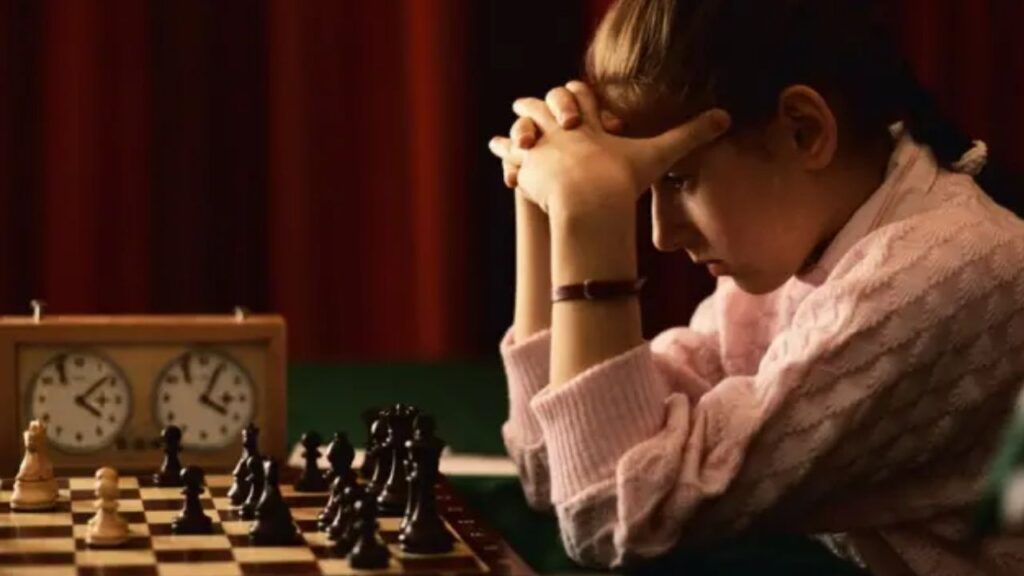
Judit was trained seriously from a very young age. By 1989, she had already built a strong reputation as a child prodigy. Still, becoming the world’s top female player at 12 surprised many experienced players. She entered open tournaments where most competitors were adult men. She did not choose easier paths. In fact, Judit avoided women-only tournaments because she wanted to play against the strongest opponents possible.
Related: 15 Most Shocking True Crime Documentaries On Netflix
She believed that playing tougher competition would make her better. Instead of arguing with critics, she focused on improving her game and winning matches. Many in the chess world held old-fashioned views about women’s abilities. The film describes these as “fusty, old ideas.” Judit challenged those beliefs through action. Each victory made it harder for critics to dismiss her talent.
She also set her sights high. She wanted to defeat Garry Kasparov, the world’s top-ranked player and someone many consider the greatest chess player ever. For a 12-year-old to aim that high seemed bold, but Judit believed she belonged among the best.
The Documentary That Revisits Her Rise
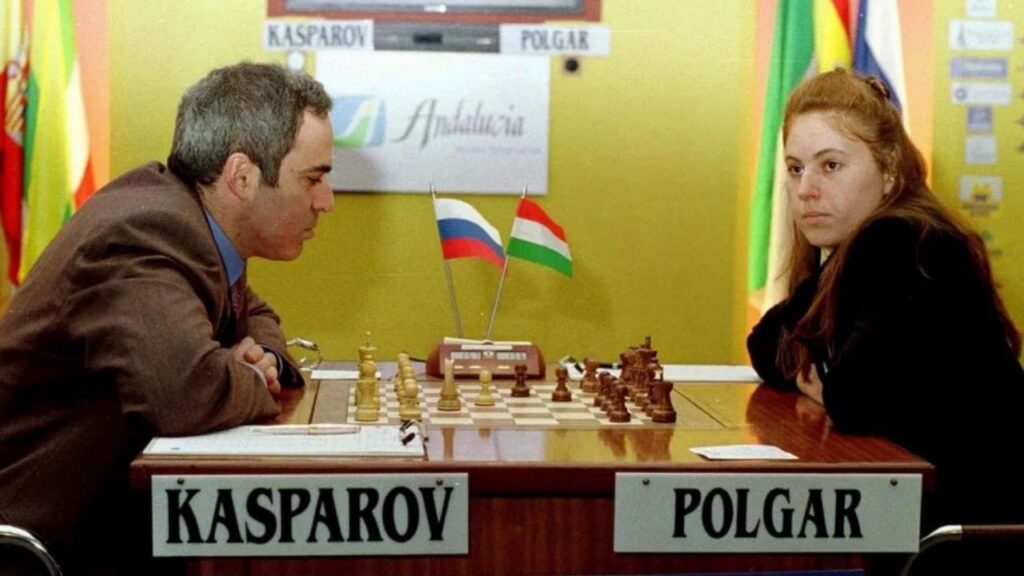
The documentary ‘Queen of Chess‘, directed by Academy Award-nominated and Emmy-winning filmmaker Rory Kennedy, tells the story of Judit’s early success. The film premiered at the 2026 Sundance Film Festival and is now streaming on Netflix.
In case you missed it: Top 25 Oscar-Winning Films Of All Time
The movie features interviews with Judit, now in her 40s, along with her family, Kasparov, and other chess professionals. It explains how her parents believed they could develop genius through focused education and training. They raised their daughters with discipline and strong support, and Judit’s No. 1 ranking at 12 showed that their approach worked.
Her success did not stop there. By age 15, she broke Bobby Fischer’s record and became the youngest grandmaster in history. That achievement confirmed that her early ranking was not luck; it was the start of a powerful career. At 12, Judit Polgár did not waste time responding to criticism. She played, she won, and she climbed to the top. By becoming the No. 1 female chess player so young, she silenced her critics in the clearest way possible.
You might also like to read: ‘Black Barbie’: The True Story Behind Netflix’s Documentary On Mattel’s First Black Doll