

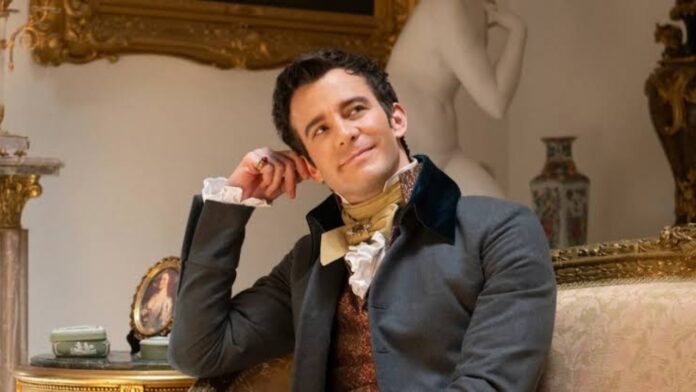
You have likely heard the term rake thrown about like a raised eyebrow at a scandalous ball if you have spent any time in the world of ‘Bridgerton’. It is frequently uttered with a certain degree of disapproval and indulgence, at least for Benedict Bridgerton.
However, what does it mean to be a “rake“, and why is the term so significant in the Regency era? Since the fourth season foreshadows the change in Benedict, the meaning of that word provides an emotional depth to his narrative.
How The “Rake” Archetype Shapes ‘Bridgerton’
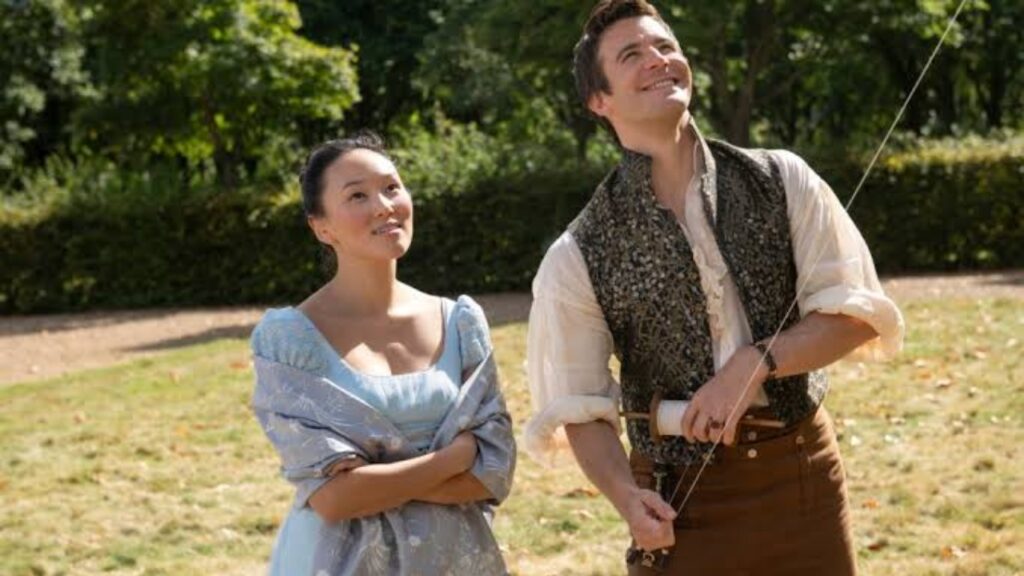
In simple terms, a “rake” was a womaniser, short for “rakehell”, and the definition went far beyond casual flirtation. These were usually rich, high-class men who were free to enjoy and spend lavishly. Imagines drinking, gambling, affairs, and regular visits to brothels, all paid by family fortunes and generous inheritances. The reason why rakes were particularly infamous was not only their actions, but also that they could get away with them to a large extent.
In case you missed it: ‘Bridgerton’: Who Does Gregory End Up With In The Books?
Their social status served as a barrier. Women were severely punished with a lot less, whereas rakes were acquitted as boys being boys, despite the debts and scandals they accumulated. By the 18th century, the rake was a familiar cultural icon, part charming and part reckless. Similar labels included “cad,” “libertine,” and “debauché.”
However, rake had a certain combination of moral condemnation and reluctant respect. This archetype suits characters like Anthony, Simon, and Benedict in ‘Bridgerton’: men who are impatient with their obligations and seek freedom before they are caught by their responsibilities.
Benedict’s “Rake Era” Had To End
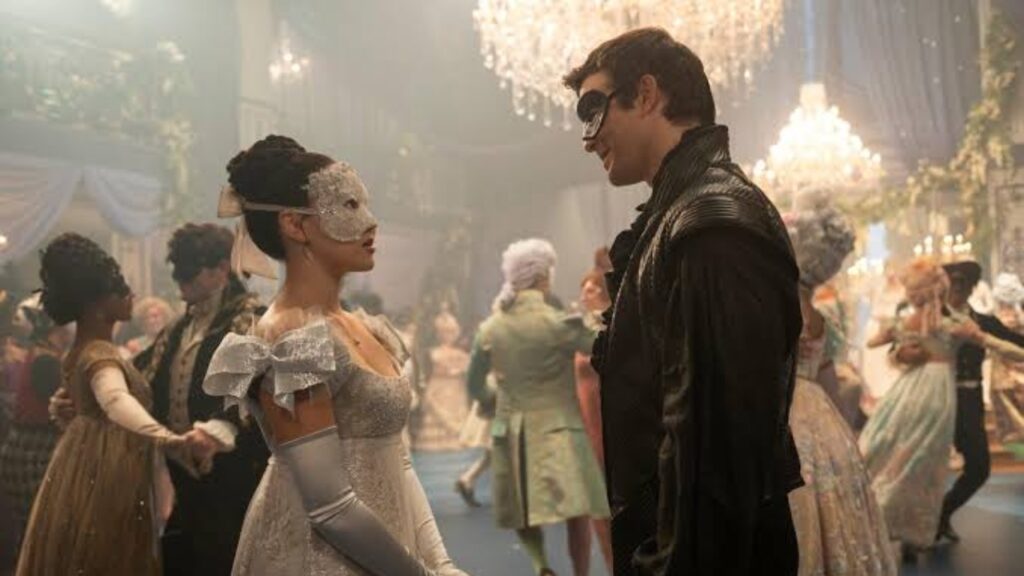
Benedict’s rake reputation has always felt slightly different from his brothers’. Where Anthony was under too much pressure, and Simon was traumatized, Benedict was artistic. He was the rake of the town, floating along romances and artistic activities, escaping the strict demands of society. This is why his meeting with Sophie Baek during the masquerade ball is so crucial.
In case you missed it: 10 Shows You’ll Love If You’re Obsessed With ‘Bridgerton’
It is the point at which the carefree indulgence is replaced by something more. The redemption of a rake is almost sacrosanct in Regency storytelling. It’s a sign that love has finally broken through the armor of privilege and escapism.
In Regency storytelling, a rake’s redemption is practically sacred, a signal that love has finally pierced the armor of privilege and escapism. Rakes exist in the in-between, suspended between boyhood freedom and adult accountability. When ‘Bridgerton’ foreshadows the end of the rake days of Benedict, it is not just for romance, but also for development.
You might like to read: ‘The Gilded Age’: What Happened To Consuelo Vanderbilt, The Real Inspiration Behind Gladys Russell?