

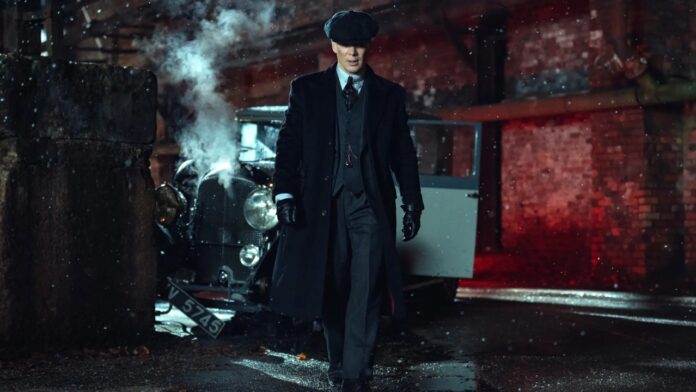
When a story lingers in your mind long after it ends, you know it did something right. That is precisely what ‘Peaky Blinders’ has succeeded in doing, even years after the sixth season of the show was over. And now, as ‘The Immortal Man’ continues the legacy of Tommy Shelby, it seems like the right moment to re-evaluate the journey.
Since this is the reality: not every season is a hit. Some defined the show. Some of them were weighed down by expectations. Some of them improved over time.
6. Season 5 Was Ambitious, But Emotionally Distant
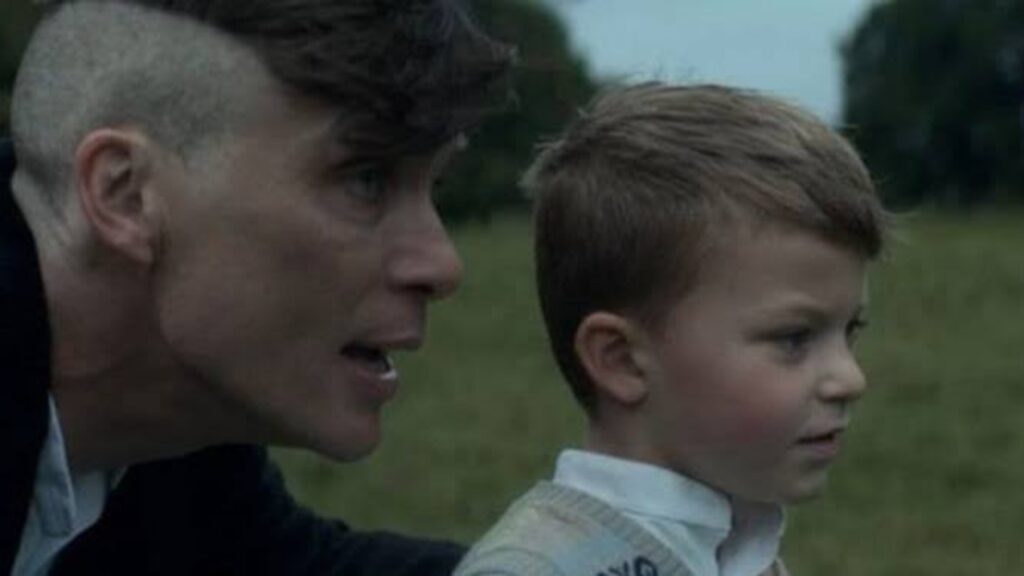
Season 5 is what happens when a show attempts to change at a pace that its very essence cannot keep up with. The transition to politics, fascism, and psychological warfare ought to have taken the story to a higher level. And on paper, it does. One of the most terrifying villains that the show has ever presented is Oswald Mosley, not due to his violence, but due to his ideology.
Related: Cillian Murphy Opens Up About The Painful Reason He Can’t Rewatch ‘Peaky Blinders’
However, something feels off. The season wastes too much time establishing things to the extent that it loses track of providing a payoff. Tommy is more isolated than ever, yet it does not draw you closer; it alienates.
5. Season 6’s Goodbye Doesn’t Quite Land
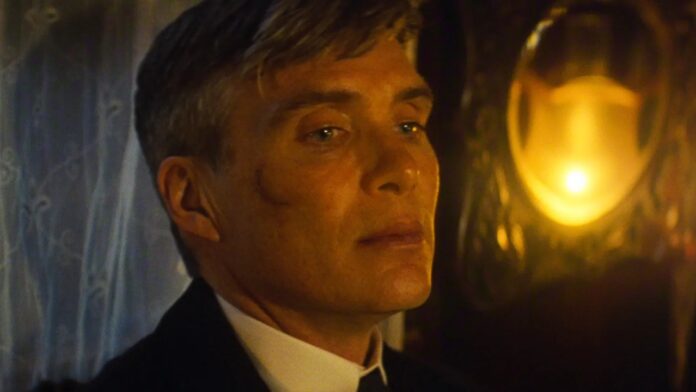
This one’s complicated. Season 6 isn’t bad, far from it. It is more somber, more serious, and more self-reflective. It is about mourning, inheritance, and the gradual disintegration of a man who used to be the master of all things. The loss of Polly Gray is keenly experienced, and the show never really gets over it. The emotional gravitas is present, but the narrative drive is not.
There’s no true “final boss.” No defining confrontation. Nothing but a succession of internal struggles. And the ending is poetic, but it does not seem like an ending; it is more like a prelude to something larger, which, of course, turned out to be ‘The Immortal Man’.
4. Season 3 Was Dark, Chaotic, and Unforgiving
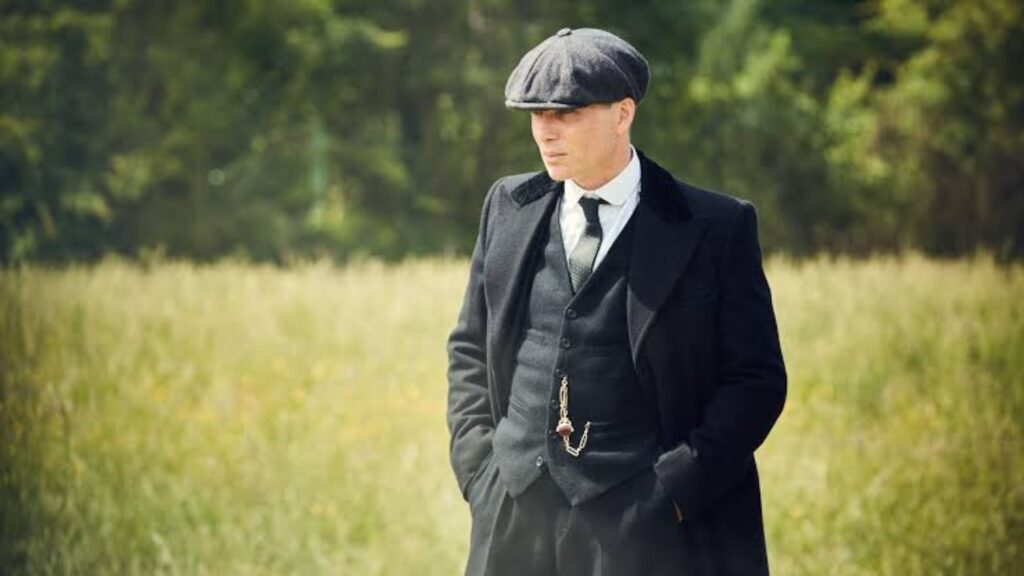
This is the season we see Tommy Shelby at his lowest. The killing of Grace Shelby is like a gunshot that you never get over, and neither does Tommy. This is followed by a fall into madness, manipulation, and corruption.
Father Hughes is by far one of the most unsettling villains in the series. Not glitzy, not loud, but profoundly disturbing. It is compelling television, but not necessarily a pleasant viewing. This is Peaky Blinders at its darkest.
3. Season 1 Was Raw, Focused, and Surprisingly Intimate
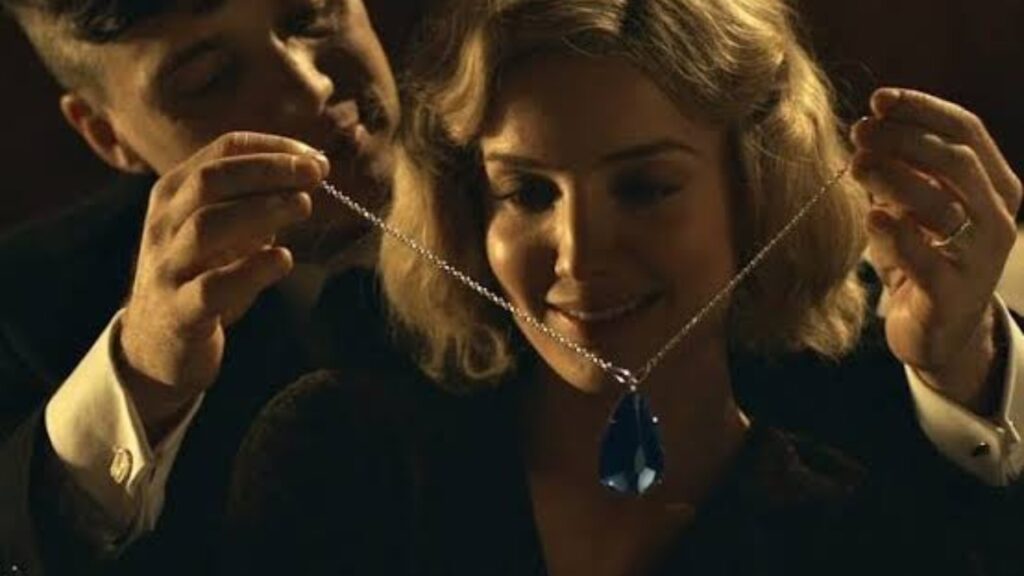
Season 1 is effective since it is straightforward. A gang, a stolen box of guns, and an up-and-coming leader who is attempting to outwit everyone around him. The conflict between Tommy and Chester Campbell is the main theme of the whole season.
In case you missed it: How ‘Peaky Blinders: The Immortal Man’ Turns a Real Nazi Plot Into Tommy Shelby’s Biggest Threat
The addition of Grace Shelby introduces emotional stakes that seem to be grounded and real. It is not the most refined season, but it may be the most sincere. You can sense the show finding its identity as it happens.
2. Season 4 Is The Show at Its Most Entertaining
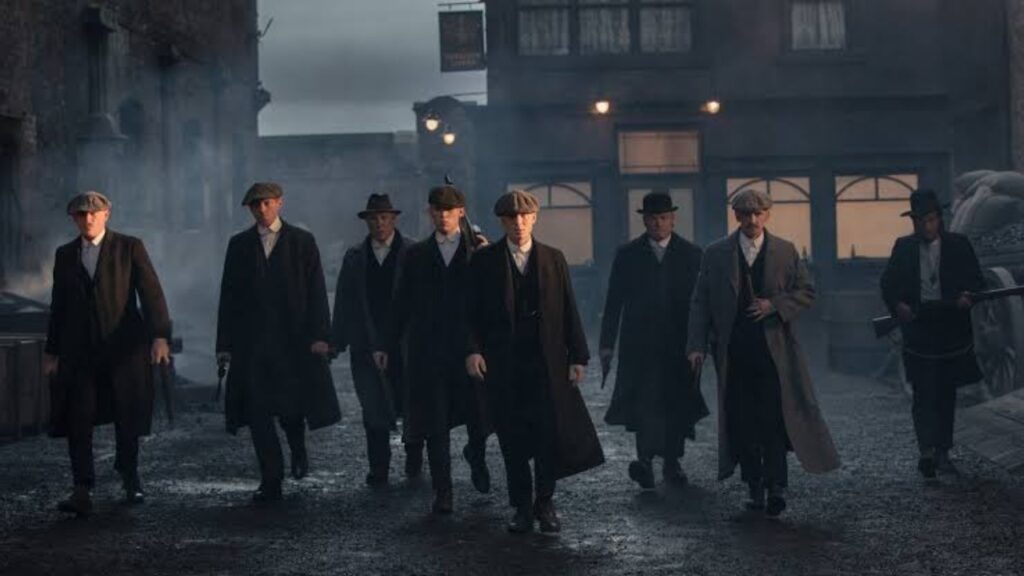
Season 4 may be impossible to beat, at least on the basis of intensity. Luca Changretta is the type of villain who not only threatens the empire, but destroys it bit by bit. The Shelbys are at last on the defensive side, and it shows.
The pacing is tight. The stakes are clear. The blow falls more than ever. And then there is Alfie Solomons, who is unpredictable, chaotic, and somehow robbing every scene he appears in. This is ‘Peaky Blinders’ at its peak of power.
1. Season 2 Finds The Ideal Balance of Things
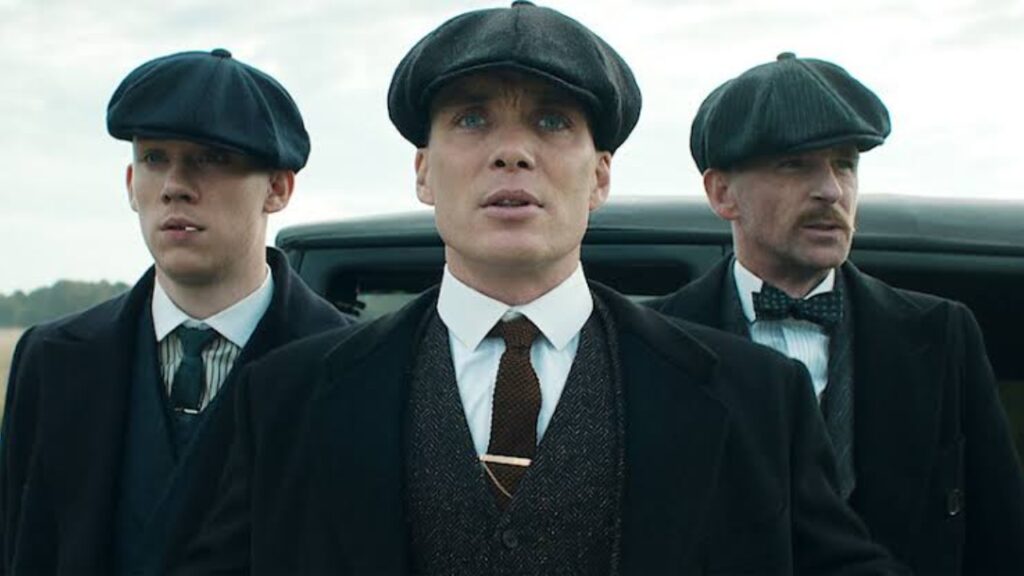
Season 2 is not only the best one, but it is the one that made ‘Peaky Blinders’ what it is. It enlarges the globe without losing sight. It increases the stakes without losing emotional ground. And above all, it provides us with the fullest version of Tommy Shelby.
He is tactical, weak, brutal, and human. The very introduction of Alfie Solomons would have been sufficient to lift it. But all the other elements work as well, the writing, the tension, the character arcs.
And that last execution scene? It is not only great television. That’s the moment the show proved it was operating at another level.
‘Peaky Blinders: The Immortal Man’
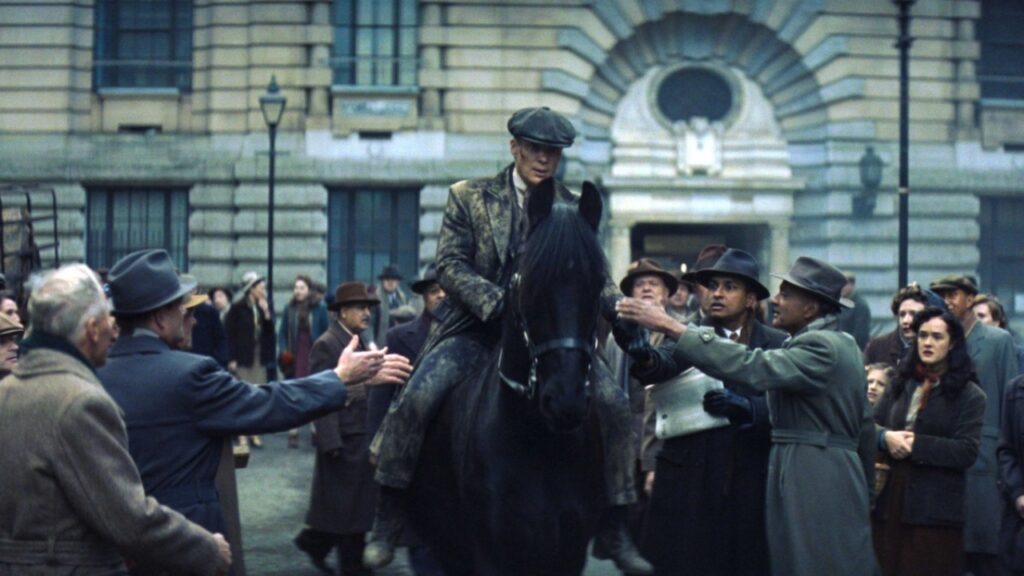
‘The Immortal Man’ does not soar as high as Season 2 or 4, but it does not have to. Instead, it does something more challenging: it re-tells the whole story. It demonstrates what occurs when a legend like Tommy Shelby retires, and what emerges in his place.
It is not so much about action, but about consequence. And in a sense, it makes the less dramatic seasons, particularly Season 6, seem more significant in hindsight.
It is not only the plot that makes Peaky Blinders good, but its impact. Some seasons thrill you. Others drain you. A few stay with you. Taken collectively, however, they narrate one of the most powerful character studies in the history of television, a story of power, trauma, and the price of creating something that will outlive you.
You might like to read: Tommy Shelby’s Son Becomes His Greatest Enemy In ‘Peaky Blinders: The Immortal Man’