
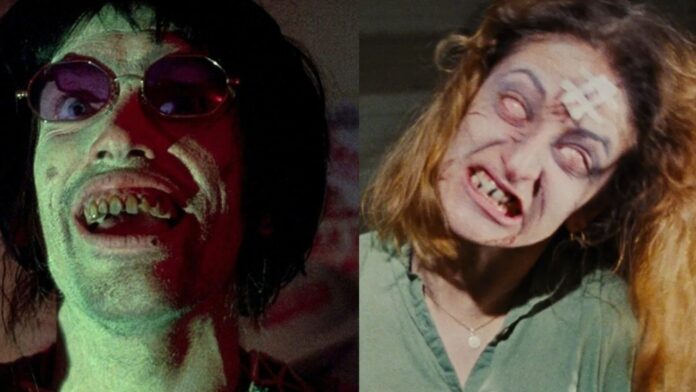
Horror movies thrive on pushing boundaries, bringing in elements of bloodshed, gore, and other graphic scenes that attract audiences from all over the world. The more extreme a horror film gets, the more popular it often becomes among viewers.
Even though several classics fit this category perfectly, there are also some horror titles that have been badly affected by censorship. Boards such as the MPAA and other censorship bodies often force these films to tone down their gore and violence, and what we get in return is a watered-down version of the original. Here are five such horror films that were ruined by censorship.
5. Night of the Living Dead (1990)
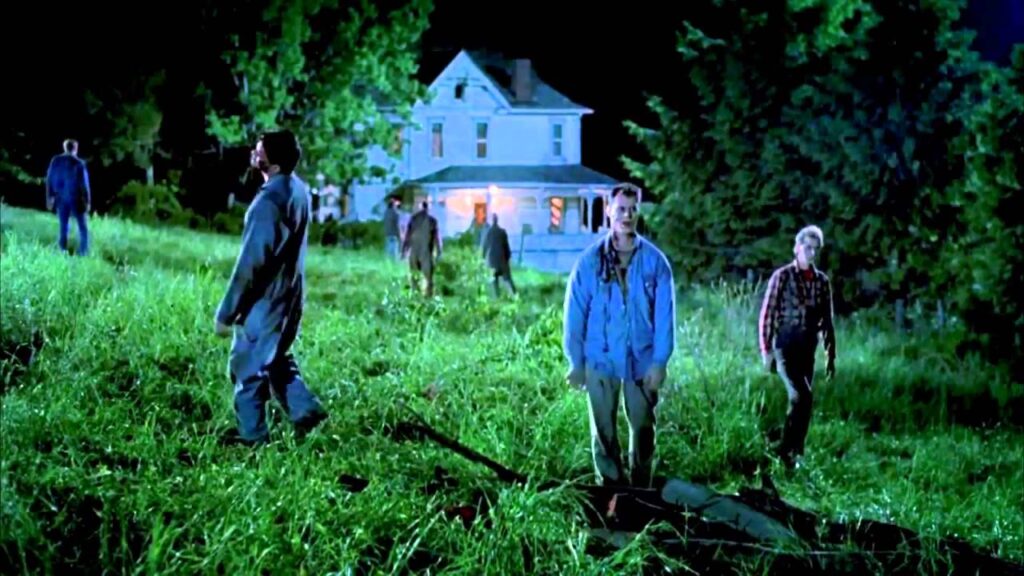
Tom Savini’s color remake of ‘Night of the Living Dead‘, based on the original by George A. Romero, ran into major problems during post-production. To avoid getting an X rating, distributors asked for cuts to the zombie gore and violent scenes. As a result, several moments were shortened or changed, which made the film feel uneven and less powerful than it could have been.
Savini’s detailed practical makeup effects were among the parts most affected by these cuts. The version released in theaters feels toned down, while restored or extended versions show a stronger, more faithful, and much more intense take on the zombie story.
Related: Top 10 Oscar-Winning Horror Movies
4. The Texas Chainsaw Massacre Part 2 (1986)
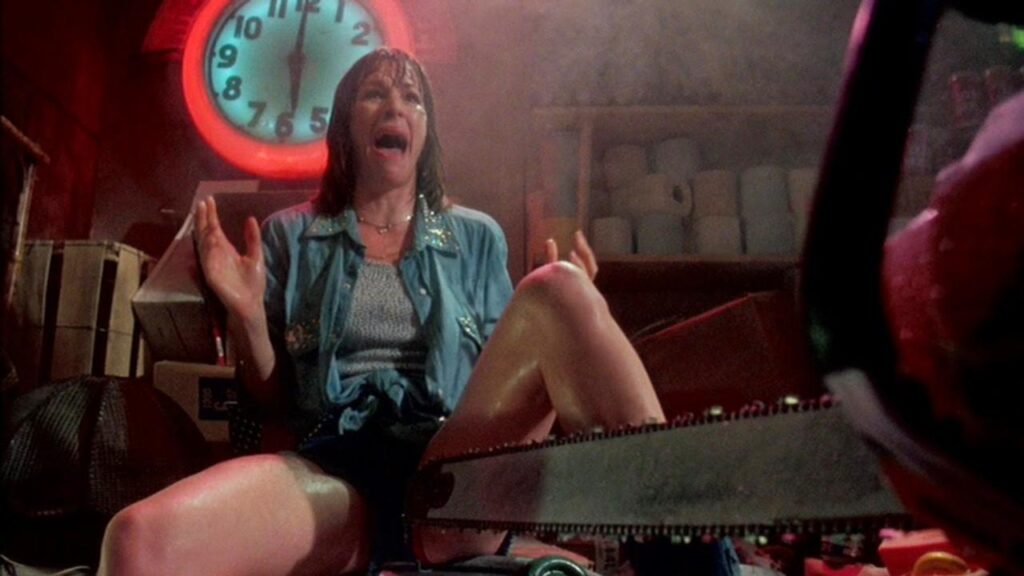
Tobe Hooper’s wild sequel, ‘The Texas Chainsaw Massacre 2,’ pushed extreme violence far beyond the original. However, the MPAA demanded heavy cuts to avoid an X rating, and eventually, scenes with chainsaw attacks, exploding heads, and Leatherface’s violent moments were trimmed or removed.
Because of this, the version shown in theaters felt rushed and surprisingly toned down compared to its original gore and bloodshed. It did not perform well at the time and came across as a weaker version of what it was meant to be. Later, the unrated director’s cut brought back the missing material, restoring the full energy and violence that helped the film gain a cult following.
3. Friday the 13th Part VII: The New Blood (1988)
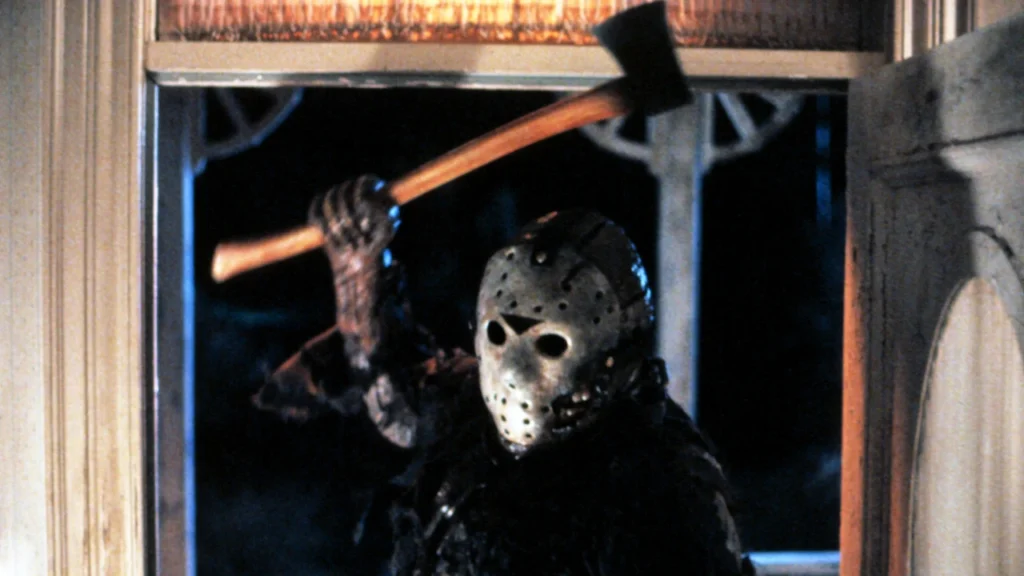
This entry, ‘Friday the 13th Part VII: The New Blood‘, tried a new idea by pitting Jason Voorhees against a teen with telekinetic powers. But the MPAA made heavy cuts to avoid a stricter rating, and almost every kill scene was reduced or edited down.
Some of the more creative moments, like the well-known head-crushing effect using blood and cream cheese, were cut into quick, less graphic shots. This made the theatrical version feel uneven and less intense, taking away the impact fans expect from a slasher film. Uncut versions show a much more violent and imaginative series of kills, which could have made the movie far more memorable.
In case you missed it: 5 Real-Life Crimes Inspired By Horror Movies
2. Scream (1996)
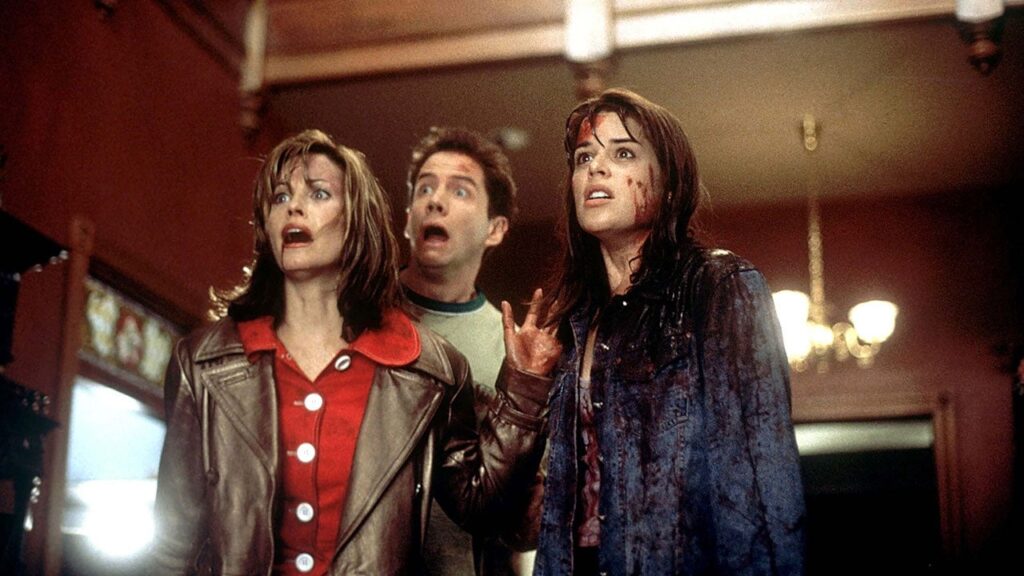
Even Wes Craven’s slasher horror hit ‘Scream‘ had a tough time with the MPAA. Craven had to submit the film nine times, making very small cuts to blood and violence in several scenes just to get an R rating.
The theatrical version still works very well, but these small edits show how even clever and modern horror films were not free from censorship pressure. Unrated versions add a bit more intensity back into some of the kill scenes, showing how even slight changes can affect the film’s pacing and overall impact.
1. The Evil Dead (1981)
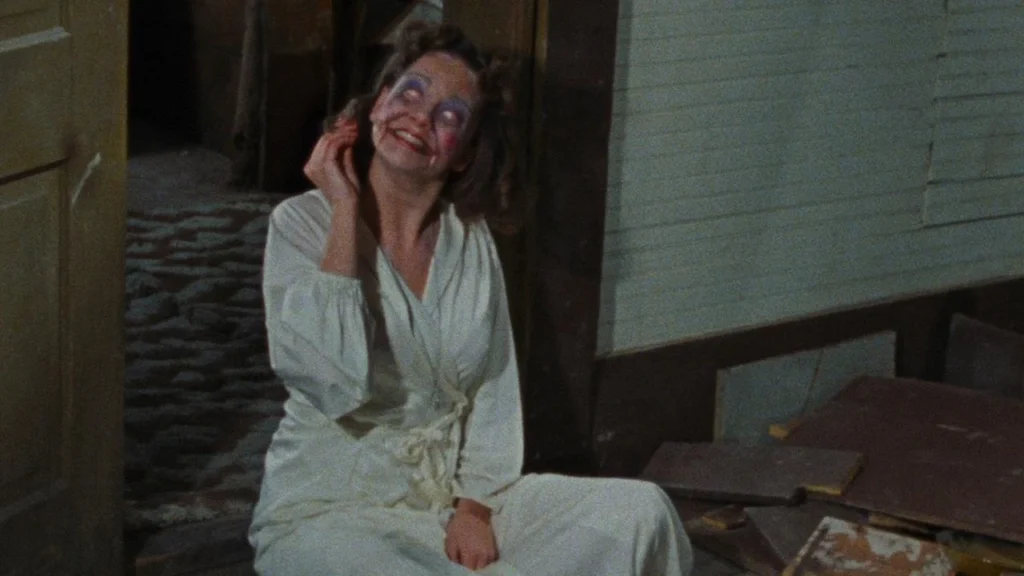
Sam Raimi’s low-budget film, ‘The Evil Dead,‘ drew a lot of attention from censors. The MPAA and film boards in other countries, especially in the UK during the “video nasty” era, went after it for its heavy gore, violent possession scenes, and the disturbing tree attack. Many of these moments were cut or shortened in theaters and early home releases.
This made the film feel uneven and took away some of its wild, intense energy. The uncut version brings back those shocking practical effects and shows why it became such an important horror film.
You might also like to read: Top 5 Black Horror Movies Every ‘Sinners’ Fan Needs To Watch