

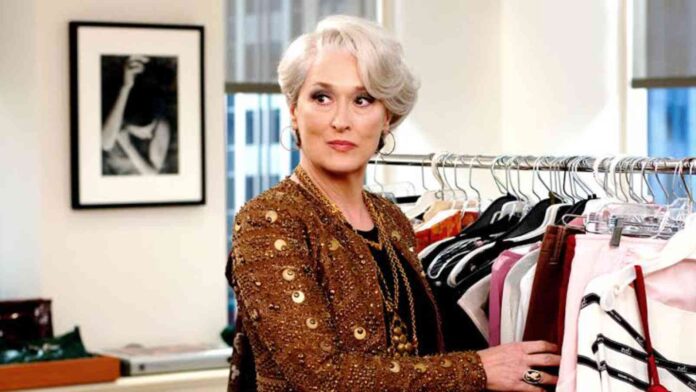
For years, ‘The Devil Wears Prada‘ stood as proof that a female-led story could dominate pop culture, even if the industry didn’t fully believe in it at the time.
Now, as Meryl Streep returns for ‘The Devil Wears Prada 2‘, she has revealed that the first film had to fight for its budget because it was labeled a “chick flick”.
How the ‘Chick Flick’ Label Limited the Budget Of ‘The Devil Wears Prada’
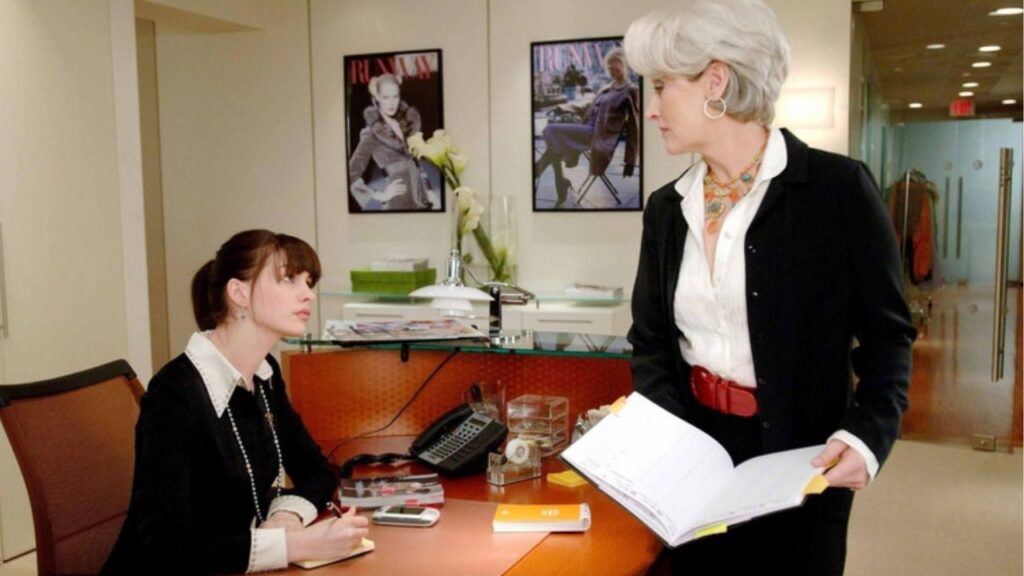
When Meryl Streep appeared on The Late Show With Stephen Colbert, she reflected on how that label changed the film’s early journey and the way the studio treated it from the start.
Related: Why Returning For ‘The Devil Wears Prada 2’ Felt Like Coming Home For Its Stars
She made it clear that the “chick flick” tag had real consequences. “That designation has kind of not worn well after ‘Barbie’ and ‘Mamma Mia’ and other films that completely catch the studios by surprise that people want to see them because they have women in the center of the story,” Streep said.
At the time, the studio underestimated the film’s potential, which directly affected how much they were willing to invest. Streep recalled the struggle clearly, adding, “So we had to scrabble for our budget.” The team had to work within tight financial constraints, even though the story would later become widely loved.
She also pointed out that this wasn’t an isolated issue. Streep shared, “I talked to Greta about it. That was true with ‘Barbie’ a little bit, in comparison to what they spend on other films,” referring to how similar perceptions continued years later.
‘The Devil Wears Prada 2’ Gets Bigger Budget Than First Film
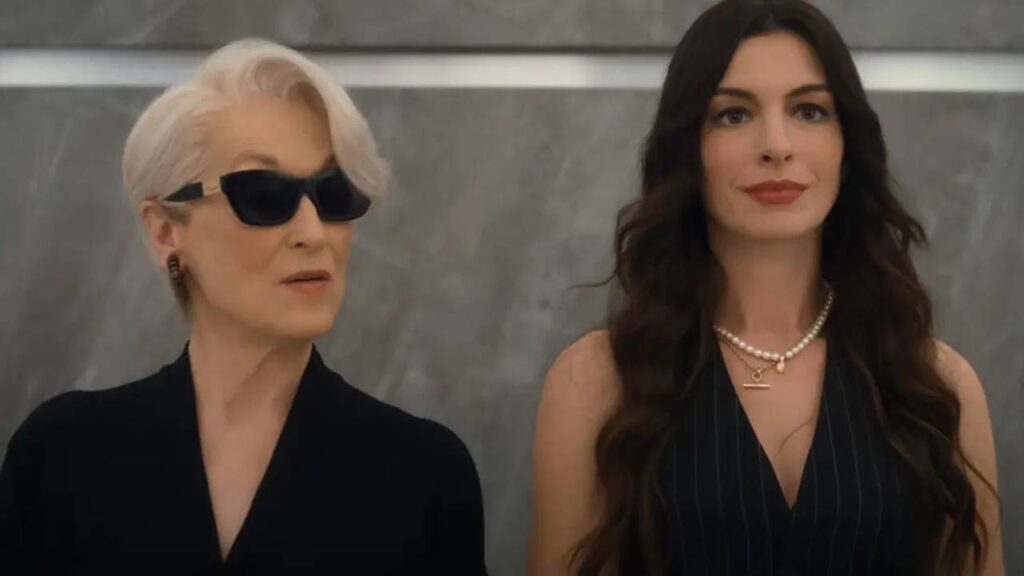
The sequel, however, reflects a very different approach. As Streep reunites with Anne Hathaway, the studio’s confidence in the project is evident in how it is being funded. This time, budget is no longer a limitation. Streep summed up the change in a single line, saying, “This one, honey, they spent the money!”.
In case you missed it: Adrian Grenier Reveals Why He Never Got The Call For ‘The Devil Wears Prada 2’
The sequel reunites Miranda Priestly and Andy Sachs. But this time, they are navigating the challenges of a changing print journalism industry. But beyond the storyline, the financial backing itself tells a bigger story about how the industry now values such films.
The studio now sees the value in this story and is willing to invest in it. The difference between the two films shows how much the industry has changed. Even though it was once treated as a smaller project, it is now seen as something worth a full investment.
Streep also spoke about how she created Miranda Priestly. While many think she was based on Anna Wintour, Streep said she drew inspiration from directors Mike Nichols and Clint Eastwood.
You might also like to read: Daniel Radcliffe Reveals Why ‘Harry Potter’ Cast Thought One ‘The Devil Wears Prada’ Scene Was Pure Fantasy