

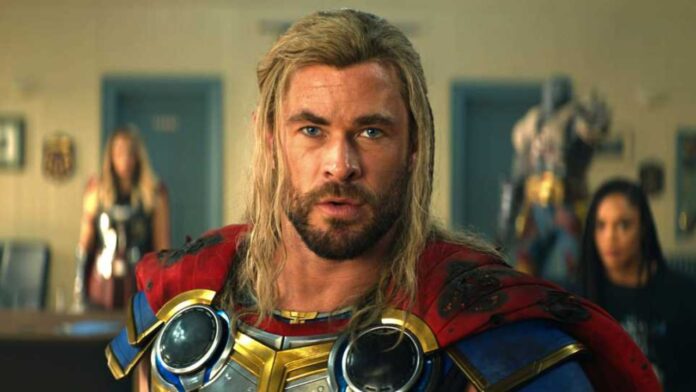
Few characters in the Marvel Cinematic Universe have undergone as many tonal reinventions as Thor. Ever since Chris Hemsworth first picked up Mjolnir in 2011, the God of Thunder has been portrayed as a Shakespearean prince, a stoic warrior, and sometimes even a tragic punchline.
Many of those transitions were brilliant. Others, however, are not so much. Today, with ‘Avengers: Doomsday‘ looming, it seems that Marvel is willing to re-adjust Thor once more, and it appears that the franchise is finally bringing him back to his true form.
Marvel Looks To ‘Infinity War’ For Thor’s Next Evolution

The new ‘Doomsday’ trailer does not give Thor much screen time, but what it does show is eye-opening. Gone is the over-the-top silliness that prevailed in ‘Thor: Love and Thunder’. In its place stands a weary, desperate god, calling out to his father and bracing himself for a conflict that feels bigger than anything he’s faced before. It is a change of tone that long-time fans have been craving and one that fits well with the strongest depiction of Thor so far.
Related: Captain America’s Return Tests How Much The MCU Respects Its Own Legacy
This transition does not seem to be accidental. As the Russo brothers come back to direct ‘Avengers: Doomsday’, Marvel appears to be keen on returning to the version of Thor that appealed to audiences the most: the battle-scarred, emotionally vulnerable hero of ‘Avengers: Infinity War’. When ‘Thor: Ragnarok’ arrived in 2017, it was a revelation. Taika Waititi redefined the character by making Thor less a rigid royal prince and more one of the funniest and most likable protagonists in the MCU.
The comedy rescued the character and brought a new life to the franchise. However, ‘Thor: Love and Thunder’ went too far with that reinvention. What used to be refreshing turned out to be too much. The film undermined emotional moments with jokes. Even Hemsworth himself admitted that the balance was shifted, and he publicly said that it was time to make Thor move in a different direction. Ironically, the ideal balance had been reached several years ago in ‘Avengers: Infinity War’.
Under the Russo brothers, Thor became something rare in the MCU: a character who could be funny and devastating. The comedy remained, but it never wiped out the pain underneath it. Thor was deprived of almost everything in that film. Asgard was destroyed. Before his eyes, Loki was killed. Heimdall was gone. The other half of the universe soon followed. Hemsworth portrayed the sorrow without much noise, letting anger and desperation simmer beneath without making Thor into a cliché.
When he forged Stormbreaker and arrived in Wakanda, it wasn’t triumphant bravado; it was rage, sorrow, and purpose colliding. ‘Endgame’ continued that emotional line in another manner. Thor’s trauma was shown in the form of depression, guilt, and self-loathing. It was further revealed through physical transformation and tragic humor. That description, though controversial, was sincere. However, ‘Love and Thunder’, by contrast, often treated Thor’s pain as a setup for jokes. The initial Doomsday footage indicates that Marvel realizes that difference. Thor is not making one-liners as the universe falls apart. He’s pleading. Reflecting. Bracing himself.
‘Avengers: Doomsday’ Brings Thor Back To Emotional Gravity
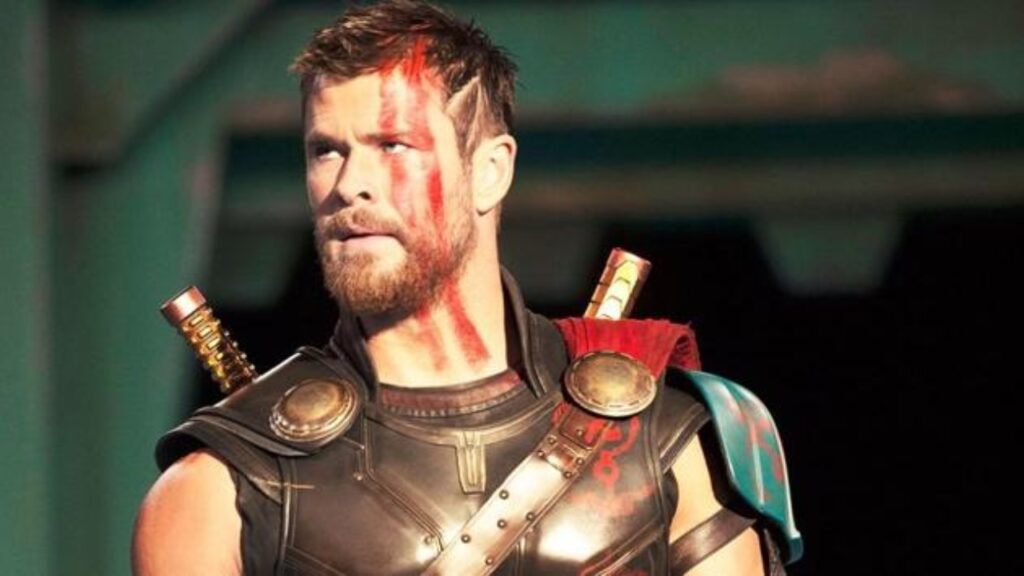
Within ninety seconds, ‘Avengers: Doomsday’ makes Thor a character who is burdened by responsibility and not drifting in chaos. His dialogue with his father is not a comic exchange, but a plea to be strong in the face of insurmountable odds. The stakes are existential, not only to the multiverse but also to Thor himself. That seriousness makes sense given the Russos’ storytelling instincts. The consequence has always been a focus of their MCU entries. Characters do not just get over loss; they carry it with them.
In case you missed it: ‘Avengers: Doomsday’ Might Be Turning Thor Into MCU’s Ultimate Sacrifice
That style fits Thor better than any over-the-top comic lenses ever would. The film also seems to be making Thor more like his version in ‘Infinity War‘, visually. His looks and weapon mirror that period, signaling an intentional return to what worked. It is not a sluggish re-tread, but an acknowledgement that Thor works best when he is left to experience the burden of his immortality.