


Some TV characters don’t just cross the line; they redraw it entirely. They dominate conversations, shut down vulnerability, and treat control like it’s a personality trait.
But spend enough time watching them, and a different picture starts to emerge; one built on ego, insecurity, and a constant need to prove power. Here are 5 times TV series’ managed to nail the toxicity of hyper masculinity right.
5. Benny in ‘Overcompensating’

As a closeted college student, Benny tries very hard to act like the “perfect straight guy.” He copies the behavior of frat boys: partying, acting tough, and sometimes being disrespectful, just to fit in.
But all of this comes from fear. Benny is scared of being judged or rejected, so he hides who he really is. Instead of dealing with his feelings, he pushes them down, leading him to act in ways that hurt others. At times, he even becomes cruel, especially when he feels exposed.
He lies a lot, both to people around him and to himself. His actions are not about confidence, but about trying to survive in a space where he feels he won’t be accepted otherwise.
Related: The Toxic True Story That Inspired Stephen In ‘Tell Me Lies’
4. Jamie Miller in ‘Adolescence’

Jamie’s story is disturbing because it feels very real. He starts as a normal teenager, but slowly changes after spending time in online spaces that promote hate towards women. These ideas give him a way to explain his loneliness and rejection, but in a very harmful way.
Jamie struggles to understand his emotions. Instead of dealing with rejection in a healthy way, he turns it into anger. Over time, this anger grows stronger, leading him to commit a terrible act.
What makes it worse is that he doesn’t feel guilty. He believes he was right and even tries to justify his actions. This shows how dangerous these online influences can be, especially for young people who are already feeling lost or alone.
3. Tony Soprano in ‘The Sopranos’
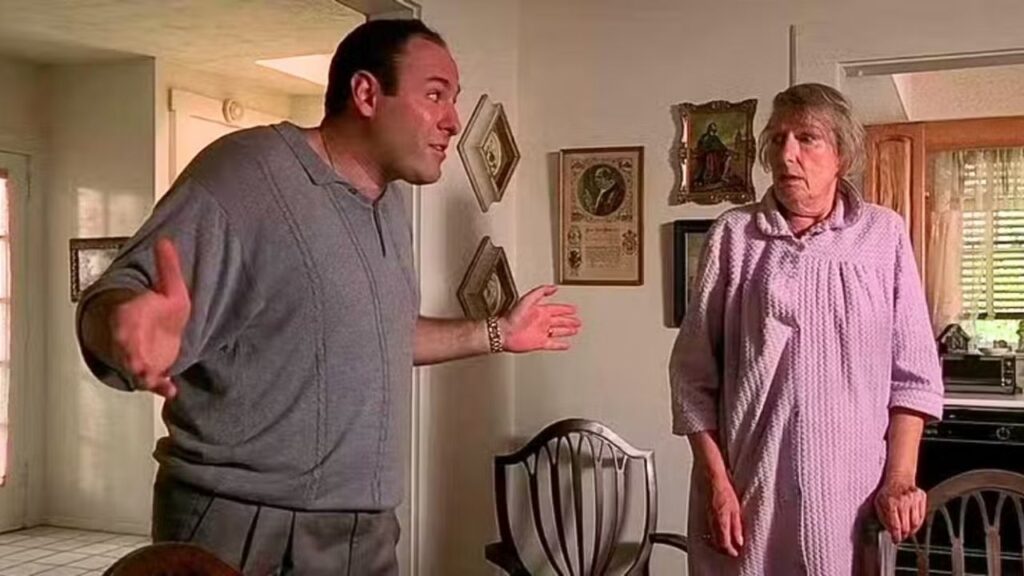
Tony Soprano is often seen as a powerful and respected man. He leads, he provides, and he demands loyalty. But behind that image, there’s a lot he struggles to deal with. Tony believes that being a man means staying in control and never showing weakness. Because of that, he often reacts with anger, violence, or silence instead of talking about what he feels.
Even when he goes to therapy, he finds it hard to fully open up. He also treats relationships as something he can control. He cheats, lies, and expects others to accept his behavior without question. At the same time, he wants respect and understanding from everyone around him. What makes Tony interesting is that he does feel things deeply; he just doesn’t know how to express them in a healthy way.
In case you missed it: 30 Best Gangster And Mob Movies Of All Time,
2. Nate Jacobs in ‘Euphoria’

Nate Jacobs is one of the clearest examples of toxic masculinity on TV. He wants to be in control all the time and uses fear to get it. He often lies, manipulates, and even becomes violent to stay in power. He treats people, especially women, as if they are there to serve his needs.
If things don’t go his way, he reacts with anger. At the same time, Nate is dealing with his own issues. His past and his relationship with his father have affected how he sees himself and others. But instead of facing those problems, he hides behind aggression.
For Nate, being “strong” means never showing weakness, and that’s exactly what makes him so dangerous.
1. Don Draper in ‘Mad Men’
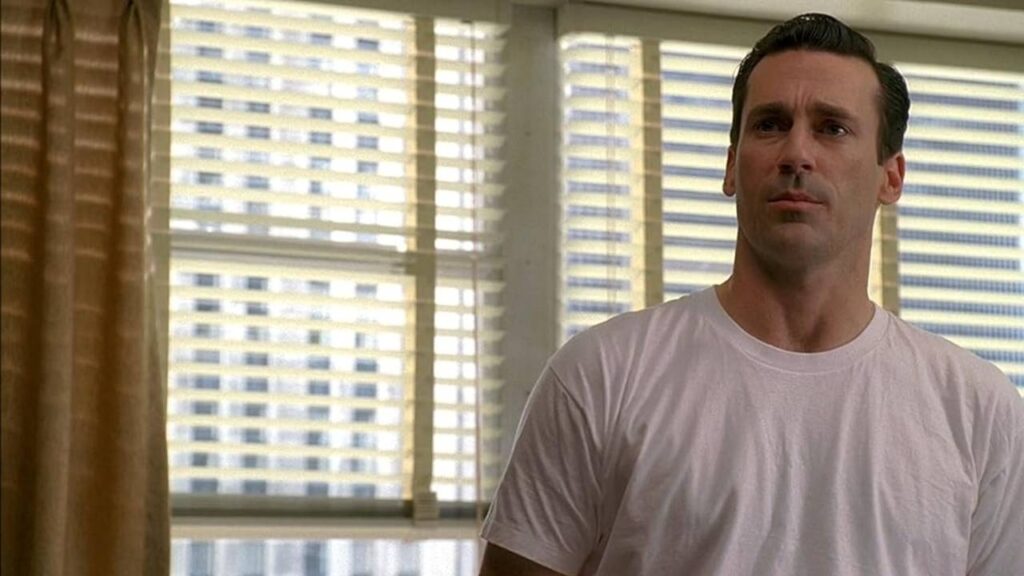
Don Draper appears to be the perfect man from the outside: successful, confident, and respected. But his personal life tells a different story. He finds it very hard to open up emotionally. Even with people close to him, he keeps his distance. Instead of dealing with his past, he tries to ignore it.
This leads him into unhealthy habits: drinking too much, cheating, and constantly looking for validation. He may appear in control, but inside, he feels lost and alone. Don shows how toxic masculinity doesn’t always look loud or aggressive. Sometimes, it’s quiet, hidden behind charm and success.
You might also like to read: 5 Movies That Reveal The Dangers Of Masculinity