

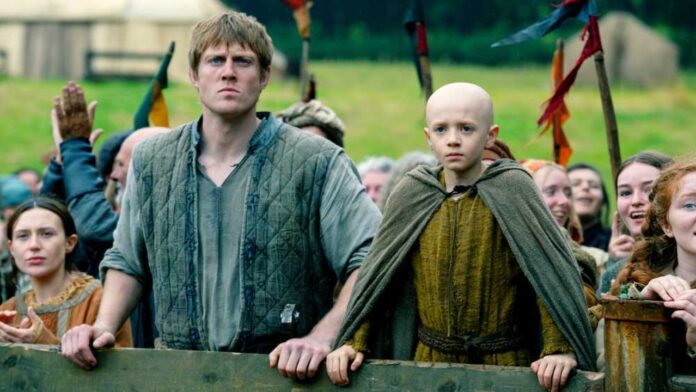
Episode 4 of ‘A Knight of the Seven Kingdoms’ not only provides shocking drama, but it also reveals one of the most drastic and disturbing traditions of Westerosi law. The Trial of Seven, which is finally screened, is brutal, ritualistic, and highly symbolic.
What makes it interesting, however, is not only the manner in which it works but why it nearly disappeared from history. This is justice on a disastrous scale, unlike a normal Trial by Combat. Seven fighters on each side. Fourteen lives on the altar of faith, honor, and strength. And only twice did Westeros dare to invoke it.
The Forgotten Trial That Haunted Westeros

The previous Trial of Seven, before the trial of Dunk at Ashford Meadow, had occurred 167 years before, in one of the most turbulent reigns in Targaryen history. The defendant was not a knight or a commoner, but King Maegor I Targaryen himself, the dreaded son of Aegon the Conqueror. The accused was not a knight or common man, but King Maegor I Targaryen himself, the feared son of Aegon the Conqueror.
Related: How ‘A Knight Of The Seven Kingdoms’ Rewrites Ser Arlan Of Pennytree’s Story
Ser Damon Morrigen, the chief of the Sons of the Warrior, dared the king to a Trial of Seven in an unprecedented display of disobedience. The implication was obvious: leave the gods to determine whether Maegor was fit to rule. What ensued was a legend of the wrong kind. Thirteen men died. Maegor escaped, badly hurt, but still alive.
It was a godly confirmation to his followers. It was evidence to his foes that the deities had forsaken the kingdom. In any case, the Trial solidified the frightening reputation of Maegor and tainted the ritual itself with blood and fear.
Why Westeros Never Wanted To See It Again
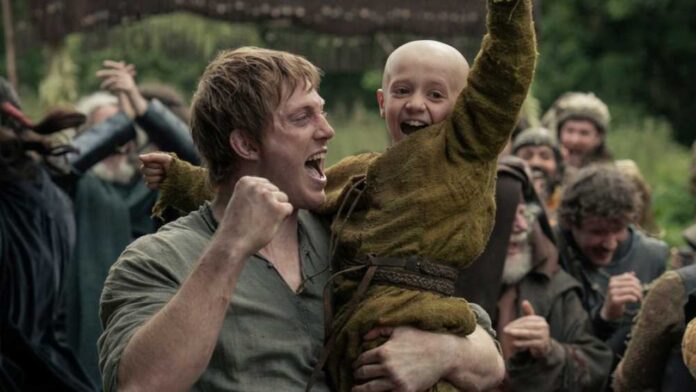
The Trial of Seven did not fade away due to the lack of tradition. It disappeared due to excessive demands, loyalty, lives, and faith stretched to extremes. It is not easy to make six other people die in your place. Unlike a one-on-one duel, this ritual leaves entire families shattered and alliances broken. That is why the demand for Prince Aerion in ‘A Knight of the Seven Kingdoms’ is so huge.
In case you missed it: Why ‘A Knight Of The Seven Kingdoms’ Feels Like Westeros At Its Best
He does not merely raise a legal issue to a higher level, but he uses a ritual that is associated with revolt against the Targaryens themselves. To Prince Maekar, the insult is self-evident. It is no justice, it’s a reckless echo of near-treason.
The irony cuts deep. Dunk is charged with defending an innocent girl, and Aerion appeals to a ceremony that was traditionally employed to oppose kings. The Trial of Seven reveals a fact that Westeros does not want to acknowledge: law fails, belief becomes lethal.
You might like to read: ‘A Knight Of The Seven Kingdoms’ Is Already Hinting At A Heartbreaking End