

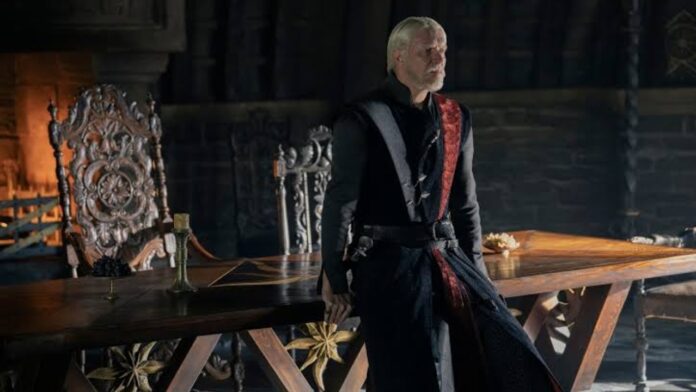
The final episode of Season 1 of ‘A Knight of the Seven Kingdoms’ is a touching farewell; yet, behind the emotional moments of the episode, a subtle change unfolds that transforms one of the most significant relationships in the story.
By the time the credits roll, Ser Duncan the Tall and Egg are back on the road, but the way they get there feels meaningfully different from the version readers remember.
A Small Finale Change Gives Dunk And Egg’s Journey Higher Stakes
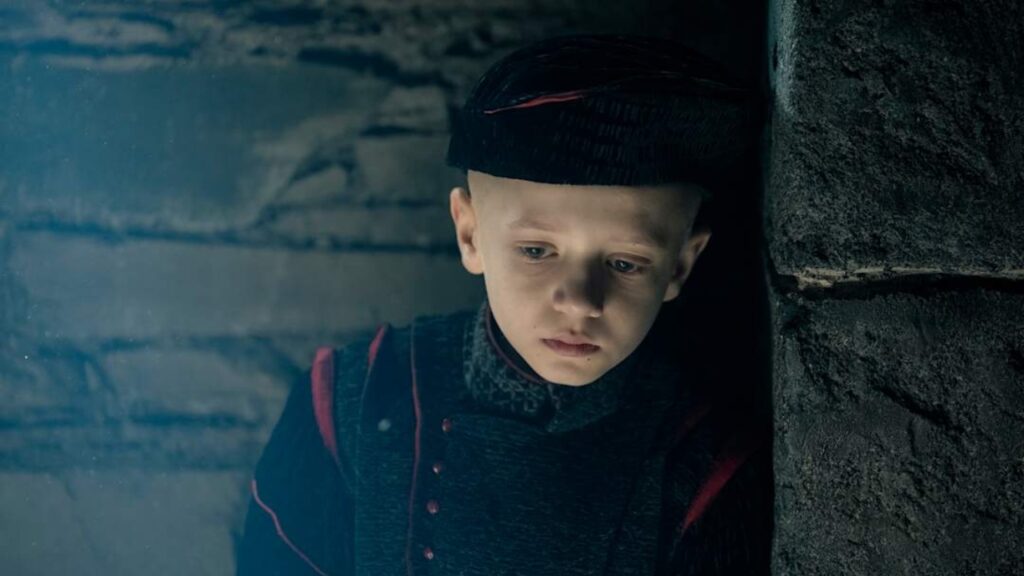
In George R.R. Martin’s The Hedge Knight, Egg tells Dunk that his father has agreed to let him serve as his squire. It is plain, modest, and almost excessively generous. It is not a dramatic confrontation or a desperate protest. It’s a silent recognition that Egg will follow Dunk.
The HBO adaptation follows a different path. Maekar’s words, “He is my last son,” sink in with obviousness.
Related: How ‘A Knight Of The Seven Kingdoms’ Rewrites Ser Arlan Of Pennytree’s Story
And when he finds out later that Egg is gone, his angry, shocked response is both comic and tragic. It is a little digression, but it redefines Maekar entirely. Instead of a strict father giving his youngest son a taste of freedom he has worked so hard to achieve, the show shows a man desperately holding on to whatever little he has left in terms of certainty.
Egg is not merely a prince after Baelor’s death and the imminent instability surrounding his other sons. He’s hope. He’s the future. And that makes the Dunk’s decision to take him much more dangerous.
Season 1’s Ending Quietly Redefines Dunk, Egg, And Maekar
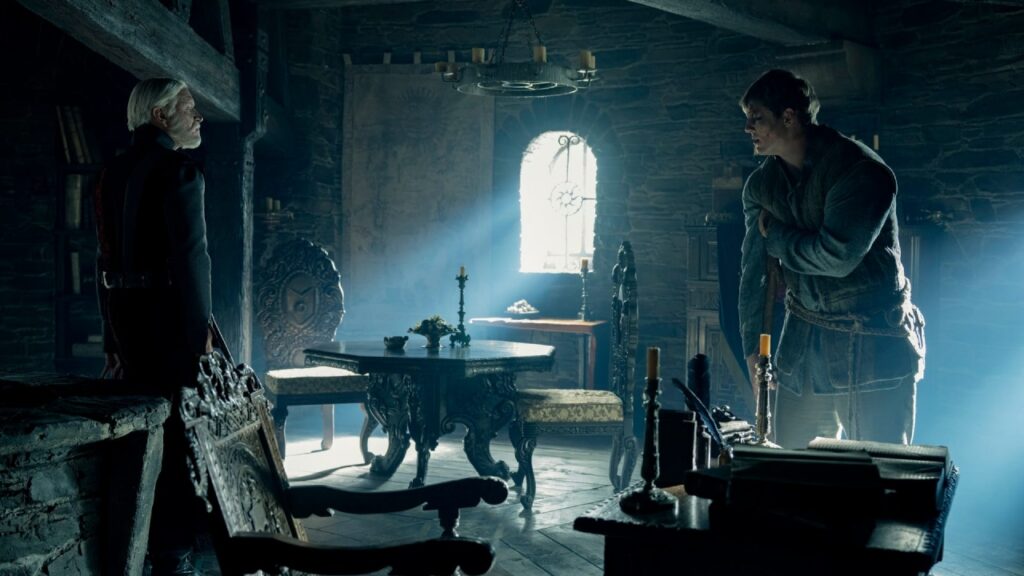
The most compelling thing about this change is its human nature. The novella allows one to read Maekar as practical, perhaps even secretly sympathetic.
The series, however, is tilted towards vulnerability. You can see it in his hesitation, in the way his voice softens when speaking about Egg. To a man who is characterized by sternness, that crack in the armor speaks louder than any battle ever would.
In case you missed it: Why ‘A Knight Of The Seven Kingdoms’ Feels Like Westeros At Its Best
The show focuses on defiance rather than authorization by letting Egg escape rather than leave with permission. It creates tension on the road. Dunk is not merely tutoring a prince; he is virtually keeping one. And emotionally? It stings.
It is bitter to see a father lose his son not to death, but to destiny. We know who Egg becomes. Maekar may suspect it, too. His resistance is less authoritarian and more protective because of that awareness. Does it contradict the book? Slightly. Does it deepen the drama? Absolutely.
You might like to read: ‘A Knight Of The Seven Kingdoms’ Is Already Hinting At A Heartbreaking End