

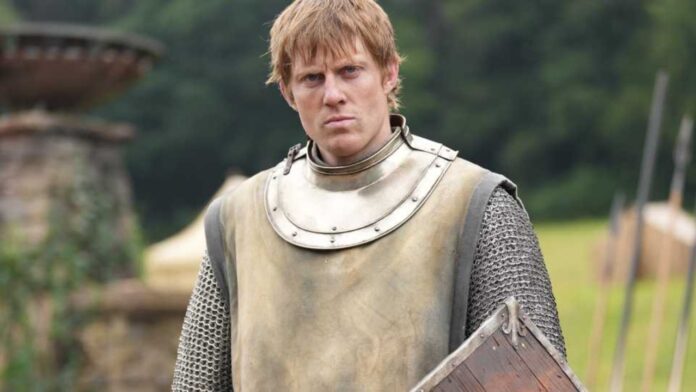
The most frustrating and, at the same time, one of the most quietly potent decisions in ‘A Knight of the Seven Kingdoms’ Season 1 is also its most frustrating: the show refuses to tell us whether Ser Duncan the Tall was ever truly knighted.
And that’s not an accident. It was George R.R. Martin’s wish all along to keep things ambiguous.
Dunk May Never Get His Answer And Neither Will We
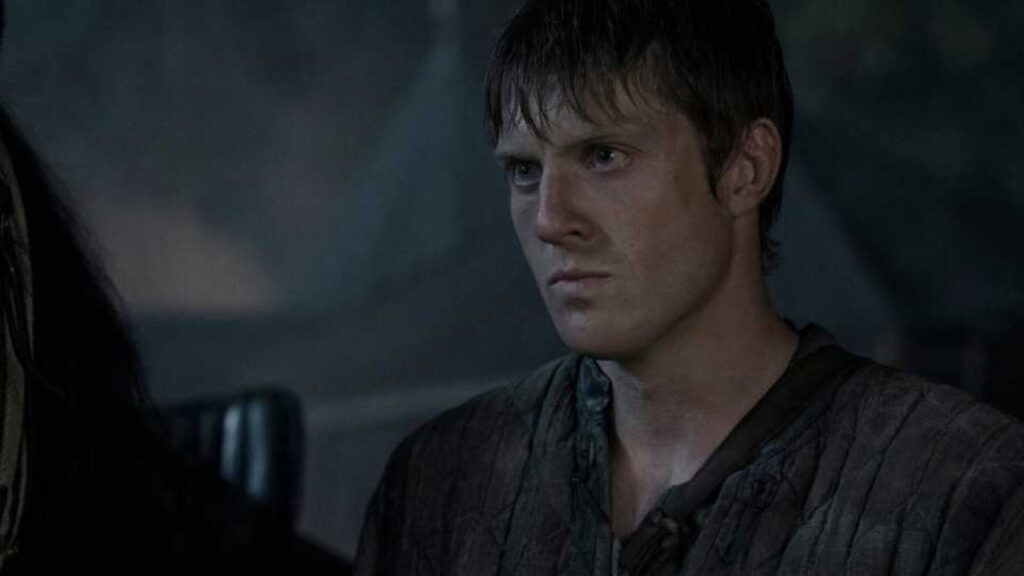
The query is as old as the original novellas, in which the fact of Dunk’s knighting by Ser Arlan of Pennytree is intentionally obscured. That tradition is carried on in the HBO adaptation. During the final flashback, Dunk questions Ser Arlan why he never knighted him, only to receive no reply. Did Arlan knight him off-screen? Was he killed before the words were spoken? We simply don’t know.
Related: 7 Champions of Ser Duncan the Tall in A Knight of the Seven Kingdoms, Explained
Showrunner Ira Parker has stated that the ambiguity was specifically requested by Martin. “There is no confirmation, one way or the other, coming out of that scene. That’s exactly how Mr. R.R. Martin requested it. It remains ambiguous, and people can decide for themselves,” Parker told Collider. The scene was made to maintain uncertainty. And honestly, that uncertainty is the entire point.
The Knighthood Title Matters Less Than The Man
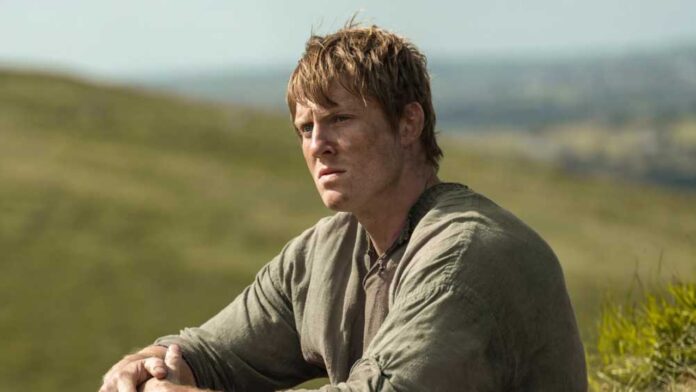
Dunk’s story stands out in a world where people are obsessed with bloodlines, banners, and ceremonies. Whether Arlan knighted him formally or not nearly pales in comparison with what Dunk does in fact.
In case you missed it: ‘A Knight Of The Seven Kingdoms’ Brings Westeros Back To Its Golden Age
He does all that to save Tanselle against Prince Aerion’s cruelty and then defends himself in the Trial of Seven. He accepts Egg as a squire not because he wants glory, but because he thinks that the boy needs an opportunity to become something better than the men surrounding him.
Those are not the moves of a person who wants to win a title. They are the instincts of a person who already lives by a code. The show leaves the knighting unanswered, thus indirectly changing the question to Was he made a knight? to What makes someone a knight? That thematic emphasis is much stronger than a clean answer would have been.
You might like to read: How ‘A Knight Of The Seven Kingdoms’ Nailed Its Big Moment