

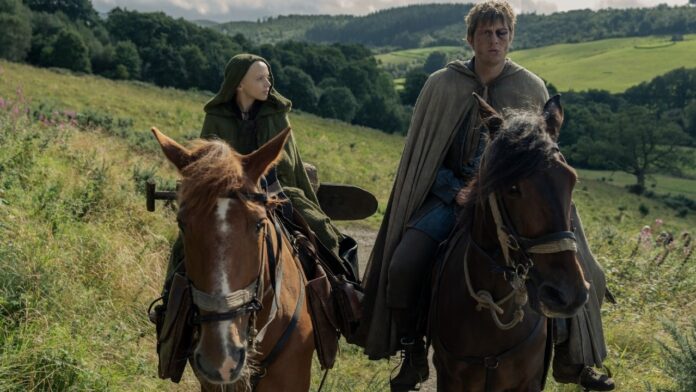
For a series praised for its loyalty to the page, ‘A Knight of the Seven Kingdoms’ waited until its final seconds to introduce its boldest deviation yet. Following a season that cautiously adapted George R. R. Martin’s novella The Hedge Knight, the finale is a shocking one: Prince Maekar is enraged when Dunk and Egg leave Ashford Meadow, implying that Egg may have left without true permission.
It’s a small moment. A glance. A flash of anger. However, in Westeros, every detail has a way of reverberating.
How A Knight Of The Seven Kingdoms’ Season 1 Ending Could Reshape The Show’s Future
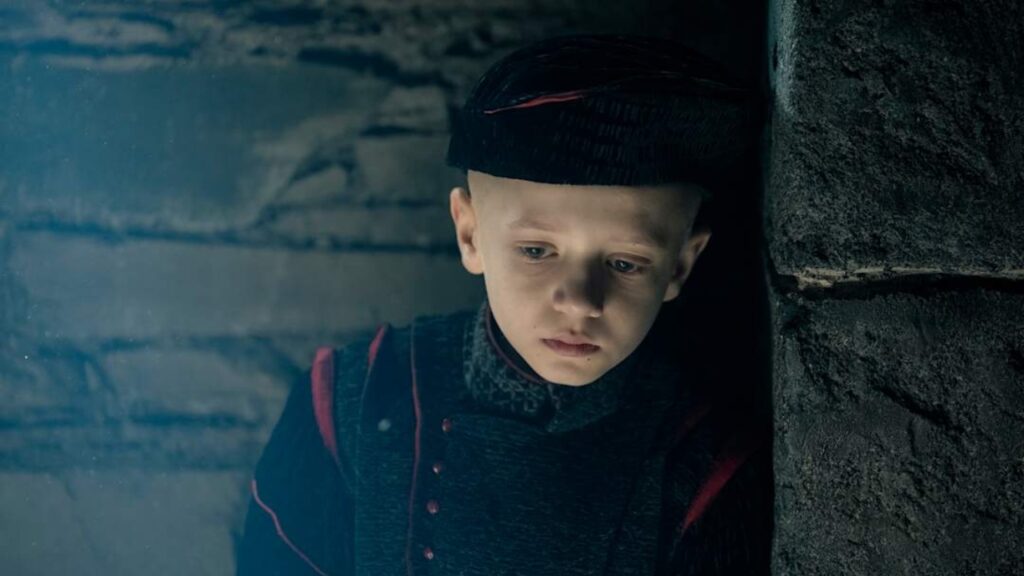
In the original version of the story, Maekar’s approval is silent but evident. Maekar concedes, silently, after Dunk points out that young Aegon would be better out of the bad influence that made Aerion what he is. This is further reinforced in later stories, which show that Maekar went so far as to give Egg a signet ring to protect his identity in case it was necessary.
Related: ‘A Knight Of The Seven Kingdoms’ 15-Season Plan Could Span Decades of Westeros
That detail suggests reluctant acceptance, not outrage. The show tweaks that dynamic. The series introduces tension where the books were ambiguous by portraying Egg’s departure as a prank instead of an agreement. Showrunner Ira Parker has called the moment a wink, a last-minute defiance showcasing Egg’s rebellious nature. But emotionally, it lands heavier. Maekar doesn’t look amused. He looks betrayed.
And that tonal difference counts. The willingness to change the motivations and outcomes in a manner that displeased book readers was one of the reasons why ‘House of the Dragon’ received backlash. Conversely, ‘A Knight of the Seven Kingdoms’ gained goodwill specifically because it was faithful. That’s why this last-second shift feels so significant, not because it violates canon, but because it sets the character relationships on a different course.
The Change Could Send Dunk & Egg Down A New Path
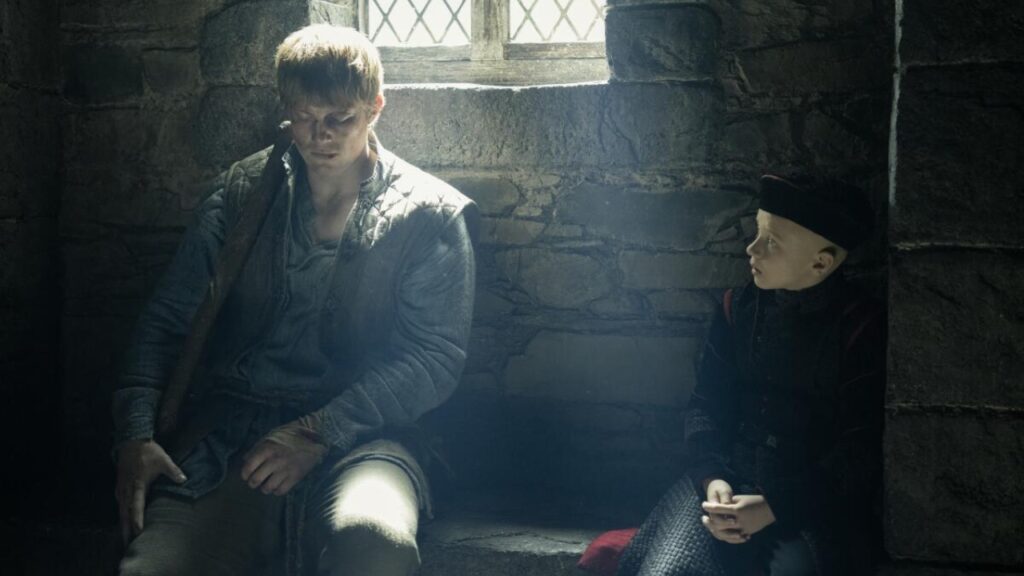
So what happens next? If Maekar’s anger has some actual repercussions, Season 2 might start with Dunk and Egg being hunted or recalled to court. That would add an outside element of conflict to a narrative that has traditionally been propelled by wandering adventures and moral dilemmas. It could also put a strain on Dunk and Egg’s relationship if Dunk finds out that he has been deceived.
In case you missed it: ‘A Knight Of The Seven Kingdoms’ Brings Westeros Back To Its Golden Age
On the other hand, the moment could simply fade, remembered as a humorous beat that underscores Egg’s stubborn independence. After all, their relationship is based on this push and pull between royal duty and the freedom of the road. The interesting aspect of this twist is not outrage, but uncertainty.
For a show built on warmth and character intimacy rather than dragonfire spectacle, even a slight change in paternal approval can ripple outward. Season 1 has demonstrated that Dunk and Egg’s story does not require any huge reinvention to be appealing to viewers. We shall now find out whether this small spark will be a blaze of fire or just turn into a light-hearted moment.
You might like to read: How ‘A Knight Of The Seven Kingdoms’ Nailed Its Big Moment