

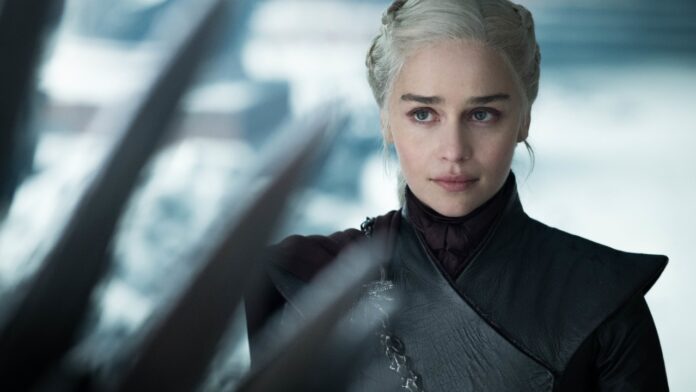
By the time ‘Game of Thrones‘ concluded in 2019, it was not merely the conclusion of a television show, but one of the most controversial responses in the history of pop culture. The anger about season 8 is still boiling even years later.
Fans weren’t necessarily angry about where the characters ended up, but how quickly and abruptly those conclusions arrived. In a show that relied on patience, consequence, and slow-burning tragedy, the ending was too abrupt. And it’s clear HBO knows it.
Westeros Still Has Unfinished Business, And HBO Knows It
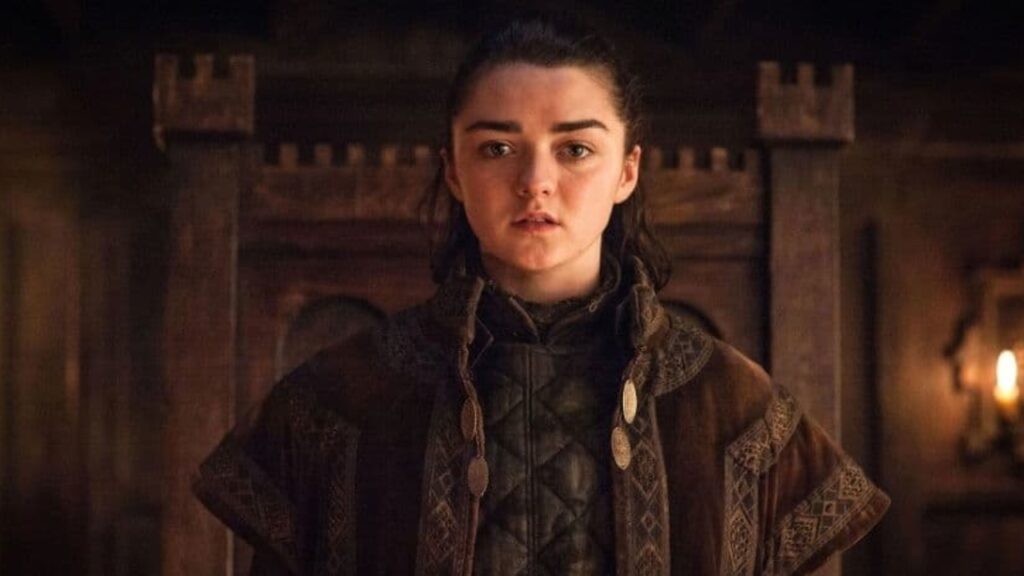
Westeros has never really been out of the limelight despite the outrage. Prequels such as ‘House of the Dragon’ have been successful, and it shows that people are still very much into the world of George R. R. Martin. However, the prequels just look backwards. The reason why many fans are still longing is that they want to believe that season 8 was not the end of the story, but rather an awkward pause. That is where sequel ideas creep in.
Related: 10 Most Hated ‘Game Of Thrones’ Characters, Ranked
Although HBO has publicly concentrated on pre-’Game of Thrones’ stories, the sequel door has never been completely shut. George R. R. Martin himself has affirmed that there are several post-season 8 ideas that have been debated internally. These plans include plots that involve the coronation of Bran and the defeat of the Night King. Now, a possible Arya Stark spin-off is one of the concepts that is causing significant buzz.
Arya’s conclusion was intentionally open, as she sailed west to the unknown. That decision did not seem like closure as much as a possibility. It was the type of end that demands a sequel, one that is motivated by exploration and not by politics. A sequel led by Arya would also provide HBO with a smart workaround. The story can broaden the world. The franchise would be able to expand into new territories, new cultures, and unknown dangers even after season 8.
Why Returning To Westeros Could Change How We Remember Season 8
The greatest issue with season 8 was not its ideas, but its space. Great scenes passed without time to rest. A sequel can provide what the ending lacked: insight. Take Arya killing the Night King. Pictorially exciting, yes, but sentimental.
An extension might be to find out what it was really like to bear the burden of saving the world. Some of the threads that were never fully explored are trauma, guilt, pride, and identity.
In case you missed it: Emilia Clarke On The Exact Moment Daenerys’ Story On ‘Game Of Thrones’ Broke Her
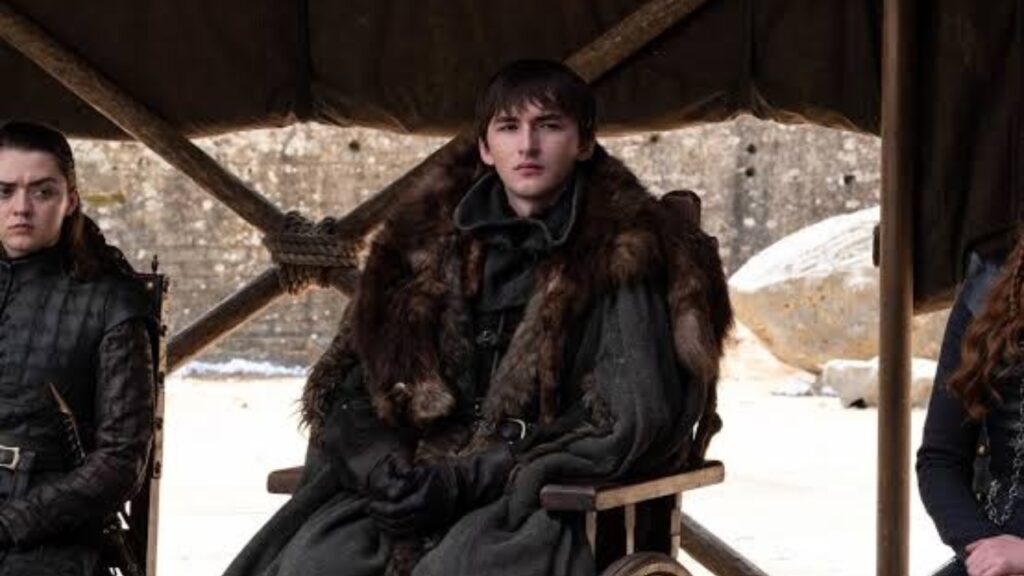
Watching Arya struggle with that legacy would turn a scandalous scene into a valuable turning point. This is the same case with Bran Stark. The fact that he became king surprised a lot of viewers, as it didn’t seem earned.
However, by demonstrating the long-term effects of his reign, whether of stability or of a kind of decay, might be retroactively reinforcing that decision. ‘Game of Thrones’ used to be good at time, context, and consequence, and sequels can put that back in balance.