
Few television finales have lingered in the cultural consciousness quite like ‘Game of Thrones’ season 8. Decades later, the arguments of rushed storytelling, fractured character lines, and unfulfilled anticipations continue to rage in fan circles. To most viewers, the finale was a betrayal of a show that had previously flourished on patience, consequence, and moral complexity.
However, in a weird twist of fate, new remarks by George R. R. Martin have muted that blow. It is not that they redeem season 8, but they reveal a harsh reality: the ending that fans received might be softer than the one the author had intended. With the recent news regarding ‘The Winds of Winter,’ Martin’s thoughts have put the ‘Game of Thrones’ ending in a new perspective. Season 8 might still be bad. However, it might’ve saved the viewers an even worse destiny.
‘Game of Thrones’ Didn’t End Happily, But It Could Have Ended Far Worse
When ‘Game of Thrones’ surpassed its source, the show writers had to map their own path to the conclusion. That choice brought about a conclusion that was both crammed and lopsided. However, it also brought something that Martin is now proud to admit: a relatively happier ending.
During a recent interview, Martin disclosed that his initial intentions for ‘A Song of Ice and Fire’ were to kill even more of the key characters than the series. More importantly, he was not talking about shocking deaths like Daenerys Targaryen or Jaime and Cersei Lannister.
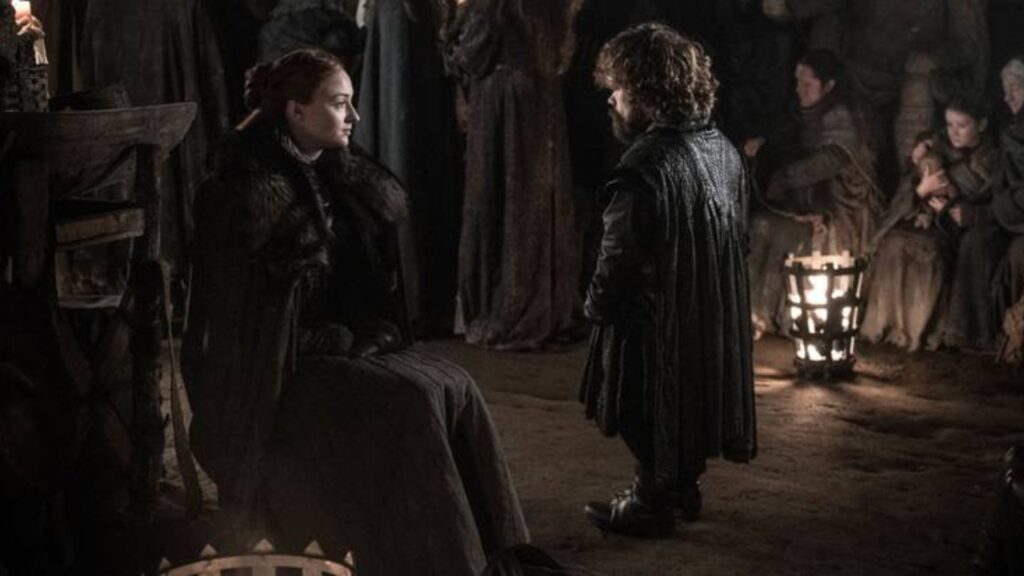
“I was going to kill more people. Not the ones they killed in the show. They made it more of a happy ending. I don’t see a happy ending for Tyrion. His whole arc has been tragic from the first. I was going to have Sansa die, but she’s been so appealing in the show, maybe I’ll let her live…” he told THR.
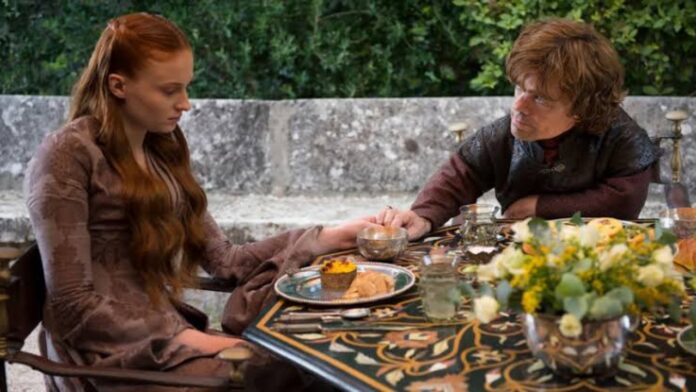
To fans who were already grappling with how quickly Daenerys had turned into a tyrant and Jon Snow’s exile to live outside the Wall, this revelation comes as a shock. By the conclusion of the show, Tyrion and Sansa were emotional anchors. Their existence provided at least a hint of balance.
Related: 10 Most Hated ‘Game Of Thrones’ Characters, Ranked
The fact that Martin admits that he does not see a happy ending for Tyrion supports the fact that the books can still be very tragic. Loss, rejection, and moral compromise have been the hallmarks of Tyrion.
Although the show gave him the chance to survive and become a powerful person, the books might still deprive him of that precarious peace. And then there’s Sansa. The fact that Martin had intended to kill her is almost inconceivable, considering her experience.
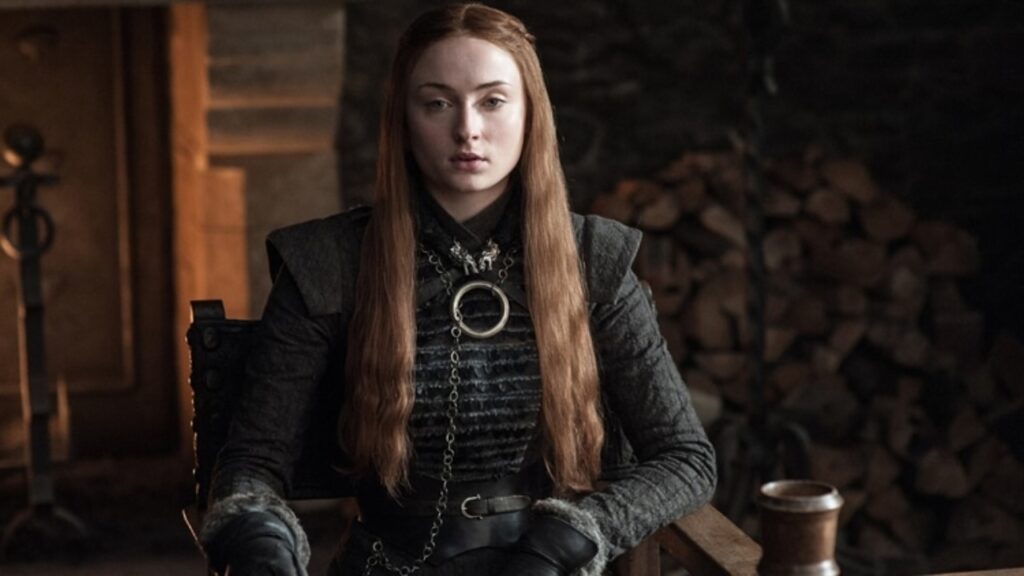
‘Game of Thrones’ started with Sansa as an innocent child who dreamed about music and princes. Throughout the years, she was manipulated, abused, and imprisoned, becoming one of the most resilient characters in the series without much noise.
Her coronation as Queen in the North was one of the few moments in season 8 that felt emotionally earned. In that regard, the fact that Martin wanted Sansa dead is like a gut punch. It also points out the fact that the ending of the books could be so different in tone.
Why Sansa’s Survival Was Necessary
What’s most interesting about Martin’s comments is not just what he planned, but how he frames those plans now. He speaks in the past tense: “I was going to.” That slight change is an indication that the viewing of the show’s finale, and possibly the response of the audience, has affected his mind. The popularity of Sansa could have contributed to that development greatly. Through the years, she evolved to be one of the most admired characters, as opposed to being a highly criticized one.
In case you missed it: Emilia Clarke On The Exact Moment Daenerys’ Story On ‘Game Of Thrones’ Broke Her
Her development was not as glamorous as Arya’s or as heart-wrenching as Jon’s. It was sluggish, internal, and very human. She was taught to live not by force, but by observation, moderation, and political savvy.
To kill Sansa at the end of A Song of Ice and Fire would be to take away one of the most significant arcs of the saga. Her survival is a symbol of something that is not common in Martin’s world. It’s evidence that perseverance can bring stability and not merely further misery. Sansa was the silent rebuttal to the story that is known to punish hope.
That contrast matters. Ned Stark’s death made the viewers understand that honor was deadly. Daenerys’ downfall was a warning that idealism might turn into tyranny. Sansa’s ascension, however, implied that wisdom made in fire could create something greater. Should Martin have reversed that, the series would have been in danger of falling all the way to nihilism. And ‘Game of Thrones’ requires light to have its darkness.
You might also like to read: How ‘A Knight of the Seven Kingdoms’ Made A Radical Change To George R.R. Martin’s Dunk & Egg