

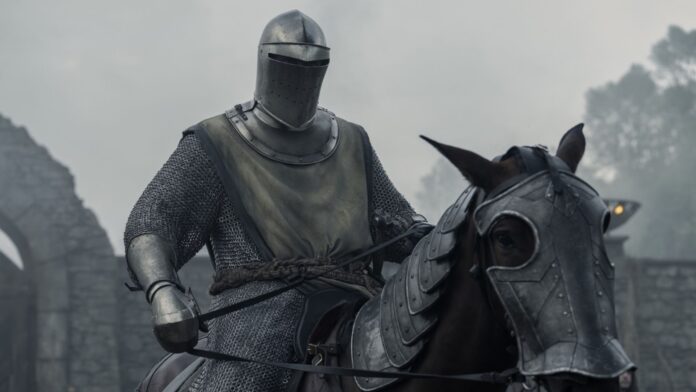
In an age of streaming that is obsessed with shock value and constantly increasing stakes, sometimes the boldest move a show can make is to slow down. And that is what ‘A Knight of the Seven Kingdoms’ has accomplished, and viewers are clearly aware of it.
HBO Max’s medieval drama boasts a 95% rating on Rotten Tomatoes, making it more than just another Westeros show. It serves as a reminder that a payoff can only be effective when it is earned.
‘A Knight Of The Seven Kingdoms’ Succeeds By Doing Less
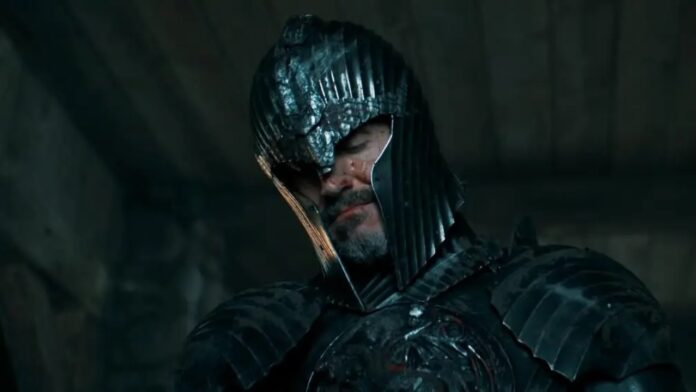
‘A Knight of the Seven Kingdoms’ does not plunge into spectacle headfirst, but rather takes its time. It creates suspense, scene by scene, until the eventual clash feels less like a mandatory action set piece and more like an emotional release. And honestly? That forbearance is sweet. Week after week, the highway to the Trial of Seven smoldered under glances and words. Rivalries sharpened. Pride flared.
Related: How ‘A Knight Of The Seven Kingdoms’ Rewrites Ser Arlan Of Pennytree’s Story
Then Dunk’s reputation was on the line. Rather than giving audiences immediate chaos, the show left the audience to sit with uncertainty. That trust paid off. By the time swords were drawn, the battle did not seem arbitrary or gratuitous. It felt inevitable. Each strike was burdened with previous discussions, bruised egos, and unspoken fears.
Dunk was not only struggling to survive, but he was also fighting for dignity, loyalty, and the thinly veiled sense of honor that he wanted to establish in a world that does not often reward it. Spectacle is anticipated in a franchise that has been spawned by ‘Game of Thrones’. But ‘A Knight of the Seven Kingdoms’ realizes that spectacle is no longer sufficient. People have witnessed the destruction of cities by dragons. What is more striking now is one knight, weary and bleeding, yet still not yielding.
Dunk And Egg’s Stories Delivered What Blockbuster TV Forgot
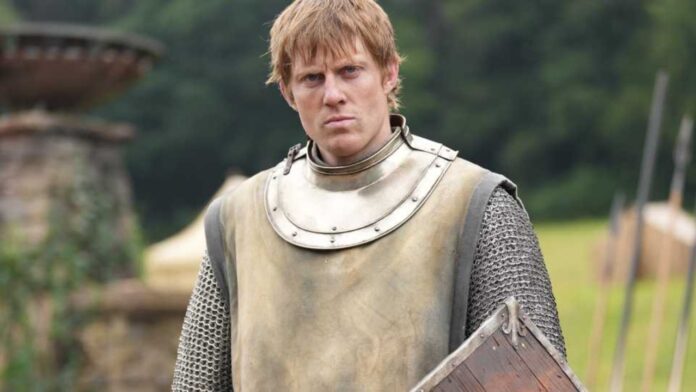
When the fifth episode provided the much-anticipated confrontation, it did not depend on flashy choreography or over-the-top heroics. The fighting was earthy. It was savage, dirty, and terrifyingly human. You could nearly feel the burden of the armor, the pain of every blow.
What was more important was that the show had already done the emotional homework. The battle echoed beyond just physicality because of Dunk’s childhood memories and Egg’s fierce loyalty, and even Baelor Targaryen’s complicated honor.
In case you missed it: Why ‘A Knight Of The Seven Kingdoms’ Feels Like Westeros At Its Best
The spectators were not waiting to see fireworks. They were waiting to be punished. That is what so many modern series forget. Bigger isn’t always better. ‘A Knight of the Seven Kingdoms’ provides something television has lacked: meaningful payoff, by opting not to be overly excessive. It demonstrates that in fantasy, as in life, the most important things are the ones we have been anticipating.
You might like to read: ‘A Knight Of The Seven Kingdoms’ Is Already Hinting At A Heartbreaking End