

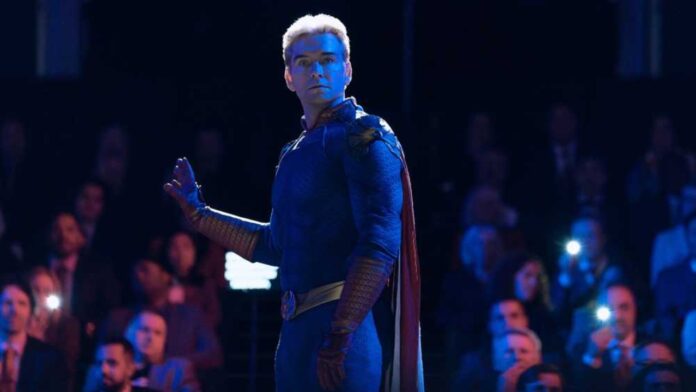
‘The Boys’ season 5 premiere, at first sight, provides precisely what one would anticipate: chaos, violence, and a gruesome murder. However, there is something much more interesting going on under the surface, as this time, Homelander does not actually win, even when he kills.
A-Train’s death is presented as a significant power play. It is quick, resolute, and admittedly violent. However, as Antony Starr puts it, the moment shows the opposite: weakness. And when you look at it like that, the entire scene feels different.
A-Train’s Death Proves Homelander Is More Broken Than Ever

Homelander has been a control freak. All his actions, all his outbursts, all his appearances before the public are aimed at strengthening the notion that he is untouchable. So, it must be about domination when he finally catches A-Train. Instead, it is personal. A-Train does not simply ride the train; he decides to rescue people, sacrificing his life.
Related: Super Duper Explained: The Only Truly Good Heroes in ‘The Boys’ Comics
That judgment is more than a physical blow. It reveals a fact that Homelander cannot abide by: true heroism is something he does not have. And that’s where the “loss” comes in. Starr notes that this is not a powerful moment, but vulnerability. Despite his might, Homelander is emotionally broken.
“He doesn’t win anything. The moment is actually a moment of weakness, even though it’s a moment of physical strength; he loses. A-Train hits a nerve and ultimately uses his superpower to save other people and becomes a real hero. And I reveal a vulnerability and a loss,” he told SR.
He desires to be admired and is unable to relate. He demands loyalty but doesn’t inspire it. And when somebody like A-Train finally gets out of that fear and represents something bigger, it shakes him. You can nearly touch it in the silence following the act. It is not victory, it is nothingness.
Why This Tragedy Redefines the Final Season
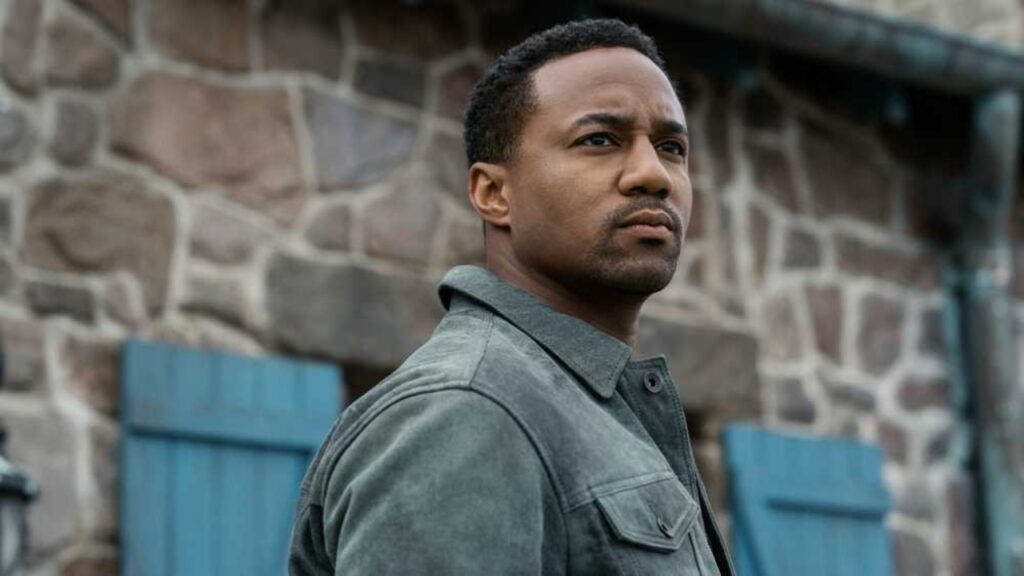
The effectiveness of this twist is that it re-establishes the stakes for the future. A-Train’s death isn’t just another casualty in a violent show. It’s a statement. His transformation from a selfish, fame-seeking speedster to a person who is ready to sacrifice himself hurts more since it is the direct opposite of Homelander’s failure to develop.
In case you missed it: How Every Major Character in ‘The Boys’ Comics Meets a Tragic End
One is more human. The other is more shattered. And that is the actual conflict propelling in season 5. Homelander is still possibly the most influential person in the room, but on the emotional level, he is losing. Every act of violence alienates him even more, driving him deeper into the state of thinking that love, loyalty, and respect are things that he can only demand but never earn.
That is a risky location. Since when does a person like Homelander begin to unravel? The damage is not personal, but catastrophic. Yes, he won the fight. But as this premiere demonstrates, there is a price to winning this way, which he has yet to comprehend. And that’s what makes it so compelling to watch.
You might also like to read: ‘The Boys’ Finale Is Ditching ‘Game of Thrones’-Style Spectacle. Here’s Why It Matters