

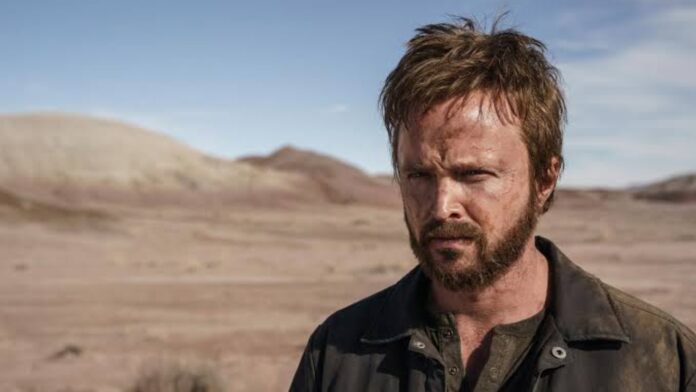
When ‘El Camino: A Breaking Bad Movie‘ finally arrived in 2019, it offered something rare in the world of prestige television: mercy. The movie did not conclude with a gunshot or prison bars, but with silence, snow, and the prospect of peace after years of Jesse Pinkman suffering unrelenting trauma, abuse, and guilt.
Jesse flees to Alaska, alive and free, scared, but at last his own person again. What is even more compelling about that ending is that it nearly did not happen.
The Person Who Saved Jesse Pinkman’s Ending
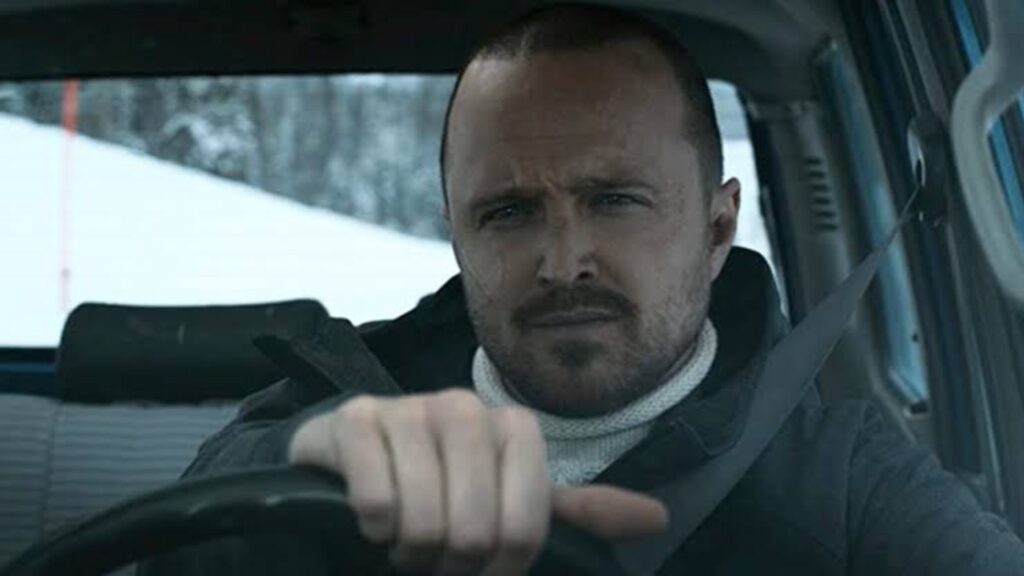
The genius behind ‘Breaking Bad’, Vince Gilligan, initially had Jesse being arrested at the Canadian border, and his story would end not with a happy ending, but with Jesse in a jail cell. His wife, Holly Rice, was the one who questioned that instinct. Her plain, all too human appeal, “You can not keep him in a jail cell,” did not merely transform ‘El Camino’. It kept the emotional core of the whole franchise. Jesse Pinkman’s survival has always been a miracle.
Related: ‘Breaking Bad’ Secrets And Hidden Easter Eggs Fans Might’ve Missed
Jesse was not meant to live long enough to see the second season of ‘Breaking Bad’, long before ‘El Camino’ rewrote his own destiny. In a 2010 panel at The Paley Center for Media, Gilligan confessed that Jesse was initially intended to be killed in episode nine. The plan was only cancelled due to the fact that the Writers’ Strike cut the season short, and because Gilligan soon discovered that Aaron Paul was giving him something too raw, too human, to waste.
This initial encounter with death predetermined Jesse’s whole arc. He was the emotional lightning rod of the show, the character who felt everything too deeply in a world that rewarded emotional numbness. Whereas Walter White was taught to compartmentalize, rationalize, and ultimately learn to be cruel, Jesse took on all the repercussions. Every death stayed with him. All the children who were victims of the meth trade plagued him. Each of the lies Walt took led him deeper into self-hate.
Jesse’s misery was not incidental. It was the key to the moral design of ‘Breaking Bad’. He was not only an accomplice to atrocious deeds but also very conscious of the price. He could not conceal himself behind ego and intellect like Walt did. His conscience was always there, and in the criminal world of Albuquerque, that was a weakness. By the end of ‘Breaking Bad’, Jesse had been enslaved, tortured, and psychologically destroyed by the neo-Nazis. When Gilligan returned to Jesse’s story in El Camino, he faced an enormous narrative question: how much punishment does one character deserve?
How The Decision Did Justice To ‘Breaking Bad’
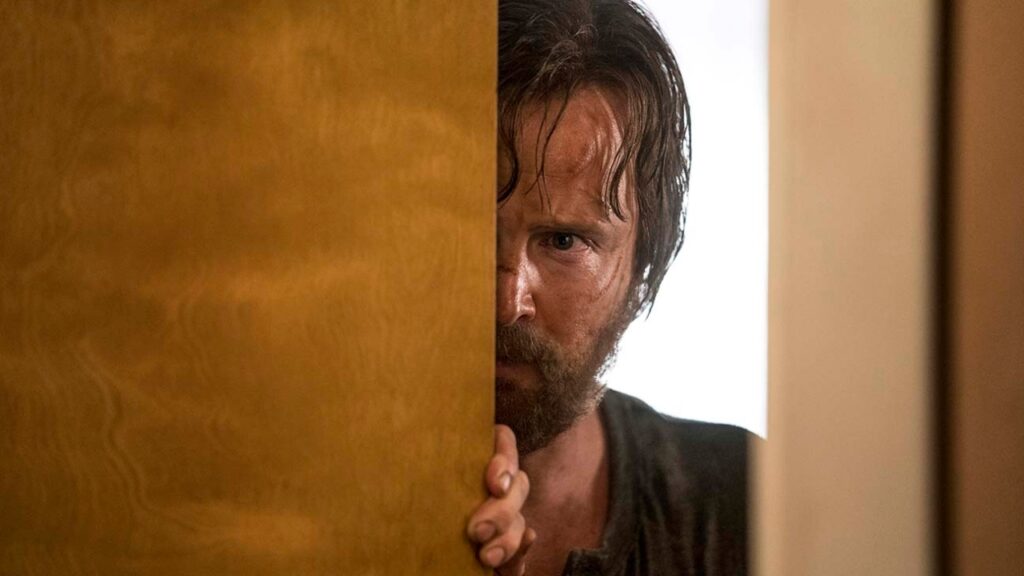
The first response given by Gilligan was pessimistic. In his initial conception, Jesse would fly to the Canadian border, where he would be arrested, alive, but trapped. It was a typical ‘Breaking Bad’ resolution. The consequences were imposed, justice was done, and no simple escapes. On paper, it made sense. Emotionally, it didn’t. That’s where Holly Rice stepped in. It was not an objection based on plot mechanics or thematic purity but rather on empathy. Jesse had paid the price already. Over and over again.
In case you missed it: How ‘Weeds’ Almost Killed ‘Breaking Bad’ From Ever Happening
It was not poetic justice that he should end his story in prison; it was emotional overkill. Her argument raised the question. ‘Breaking Bad’ was never about morality, but transformation. Walt became a monster. Jesse became a survivor. And survivors have a right to live. The view did not excuse Jesse of his crimes. Rather, it recognized something more subtle: punishment doesn’t always equal meaning.