

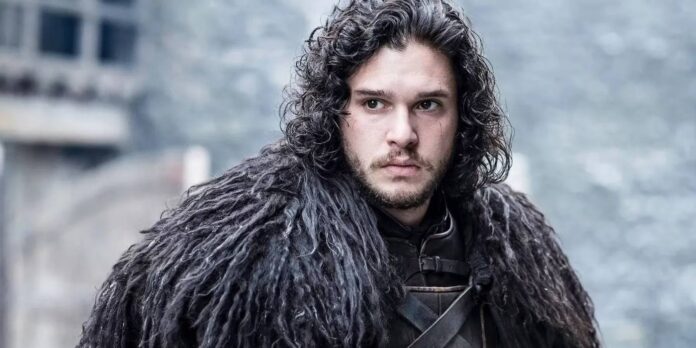
Kit Harington played Jon Snow for almost ten years. The brooding gaze, the fur cloak, the weight of duty, all of it became inseparable from the actor himself. For fans, Jon Snow remains one of the most iconic heroes on television.
However, to Harington, that chapter seems to be well closed. And not bitterly, but with something much more human, weariness, thought, and a bitter-won self-preservation.
Kit Harington Has Made Peace With Never Playing Jon Snow Again
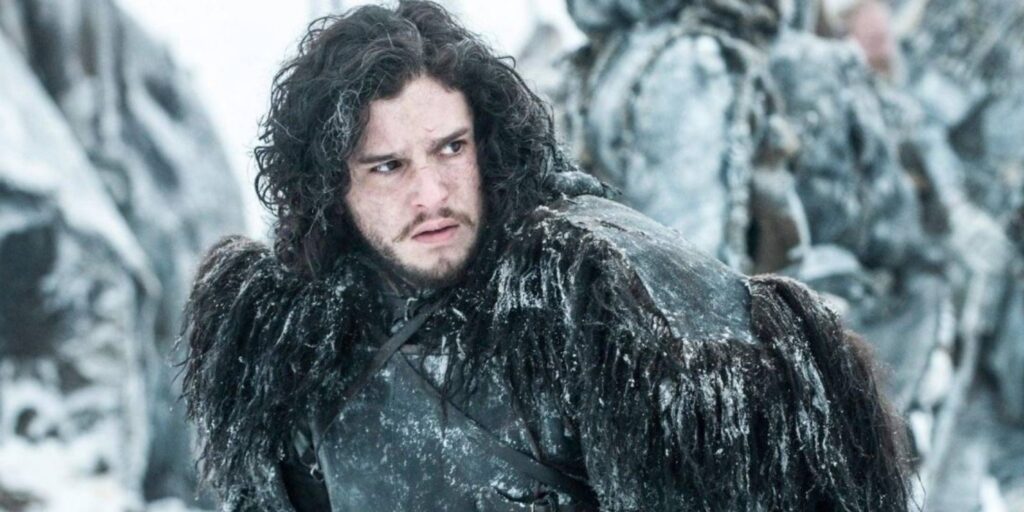
In a refreshingly open moment during an interview with Variety, the actor was posed a seemingly innocent question. Who would voice Jon Snow in case a ‘Game of Thrones‘ audiobook were ever produced? His response was unhesitating and direct. “No, god no. I don’t wanna go anywhere near it. I spent 10 years doing that. Thanks, I’m alright.” The remark might be informal, but behind it is a ten-year process that transformed Harington’s life in a manner that few blockbuster careers do.
Related: ‘Game Of Thrones’: Sean Bean’s Honest Reaction To Ned Stark’s Brutal Death
It is not that he does not want to be a fan or disown the role; it is that he is realizing the price that role costs him. When ‘Game of Thrones’ was launched in 2011, Kit Harington was a very young actor who had just left drama school. Jon Snow did not simply make him famous; it defined him. Harington bore the emotional weight of one of the most taxing shows ever made in eight seasons of wars, resurrections, betrayals, and political intrigue.
However, gratitude is a complicated thing with fame. In recent years, Harington has been open about the extent to which the role impacted his mental health. The grueling routine, the stress to meet the expectations, and the loneliness that was associated with playing such a stoic, duty-bound role took its toll. After the show ended in 2019, Harington went to rehab. The actor later disclosed that he had anxiety, depression, and alcoholism.
In that light, it is entirely understandable why he does not want to revisit Jon Snow. Jon Snow needed Harington to exist in a state of perpetual repression. With time, that performance spilled over to real life. So, leaving was not only a career choice, but a kind of therapy. This setting also recontextualizes the long theorized Jon Snow sequel series that George R. R. Martin affirmed was in the works in 2022. However, in 2024, Harington announced that the project was shelved. A lot of fans were disappointed. However, in hindsight, it feels less like a missed opportunity and more like an inevitable conclusion.
Why ‘Game Of Thrones’ Will Never Be Rewritten
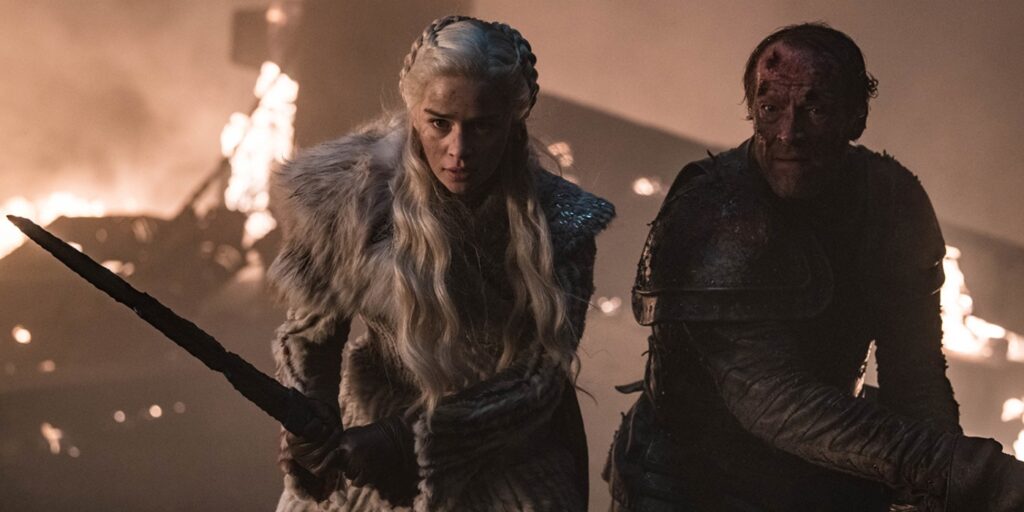
Harington’s reluctance to return also indirectly underscores a broader reality: ‘Game of Thrones’ is not going to be undone or rewritten. Although there have been years of fan petitions and controversy surrounding the final season, there has never been a serious course of remaking season 8. Although the reaction is still divided, some viewers have changed their minds over the years. While others are still not satisfied, the cultural phenomenon that enabled ‘Game of Thrones’ to take over television is lost.
In case you missed it: Why The Night King Should Have Been The Final Enemy On ‘Game Of Thrones’
The cast has moved on. Peter Dinklage is currently starring in other projects like ‘Dexter: Resurrection’. Emilia Clarke is still going back and forth between big franchises and high-end TV. The band that used to anchor Westeros is spread throughout the industry. More to the point, the franchise has changed. The prequel approach has become a solid part of the HBO strategy, rather than the revision. ‘House of the Dragon’ has established its own identity.
Whereas ‘A Knight of the Seven Kingdom’ is a more personal, character-focused story that takes place several generations before. These programs broaden the GOT universe without rekindling past traumas. George R. R. Martin’s comments at the 2025 Iceland Noir Festival, teasing “a sequel or two” in development, keep the door cracked open narratively, but not necessarily for familiar faces. Even if future series explore what comes after ‘Game of Thrones’, Harington’s words suggest Jon Snow will remain where audiences last saw him: walking away from the Wall, into myth.