

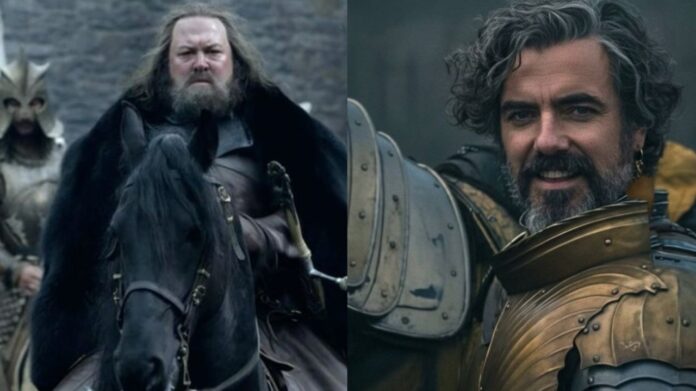
Lyonel Baratheon enters ‘A Knight of the Seven Kingdoms‘ with swagger, brute strength, and the boldness of House Baratheon. Viewers immediately notice his loud, fearless, and impossible-to-ignore persona. However, beneath the veneer of charm and bravado is a lineage that modestly establishes the rise and fall of kings. In fact, it helps shape the future of Westeros, eventually setting the stage for Robert Baratheon’s Iron Throne legacy.
Unlike many nobles who obsess over politics and succession, Lyonel is not driven by the desire to rule. Instead, he thrives on spectacle fueled by pride, honor, and yes, violence. Ironically, the choices he makes and the conflicts he sparks echo for generations. Decades later, that legacy helps set the stage for the bloodiest rebellion the Seven Kingdoms ever witnessed.
Lyonel Baratheon Before The Throne And Wars
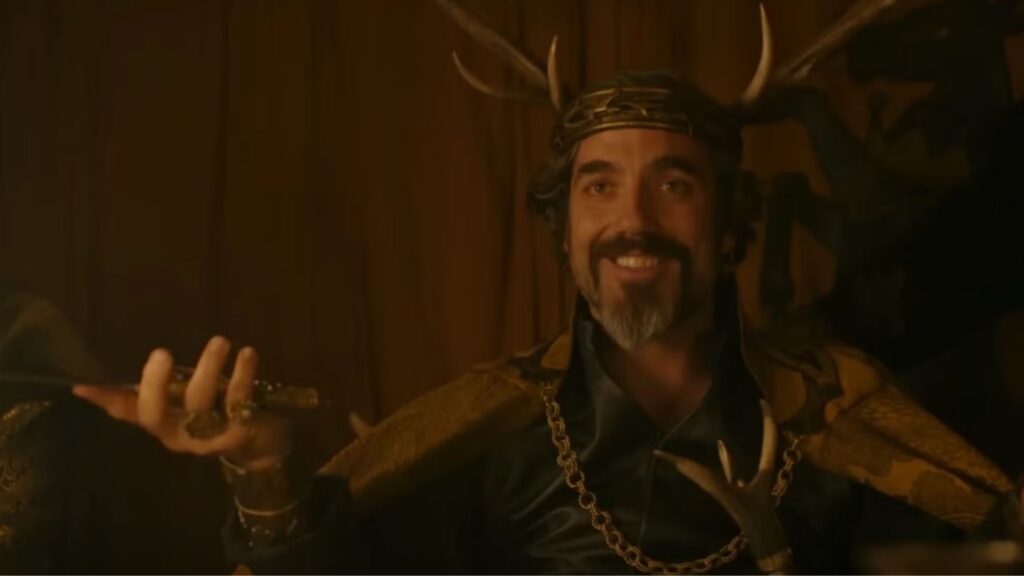
Lyonel Baratheon lives for tournaments, elaborate feasts, music, and heroic acts that are usually sung about in the continent. He drinks, he fights, he dances, earning both respect and fear wherever he happens to go. As the Lord of Storm’s End, Lyonel’s reputation is built on raw charisma and intimidation, the kind that makes him feel larger than life even when he is not holding a crown. No wonder he is called The Laughing Storm.
However, behind all this revelry, Lyonel helps define what it means to be a Baratheon. His ideas and willingness to challenge authority become defining traits of the house itself. Those same qualities reappear in future generations, especially Robert, who becomes famous for his appetite for battle, excess, and rebellion in ‘Game Of Thrones.’
While Lyonel may not realize it, he is quietly shaping the identity and reputation of his bloodline, laying the groundwork for the house’s future role in Westeros’ political collapse.
When Friendship Turned Into War
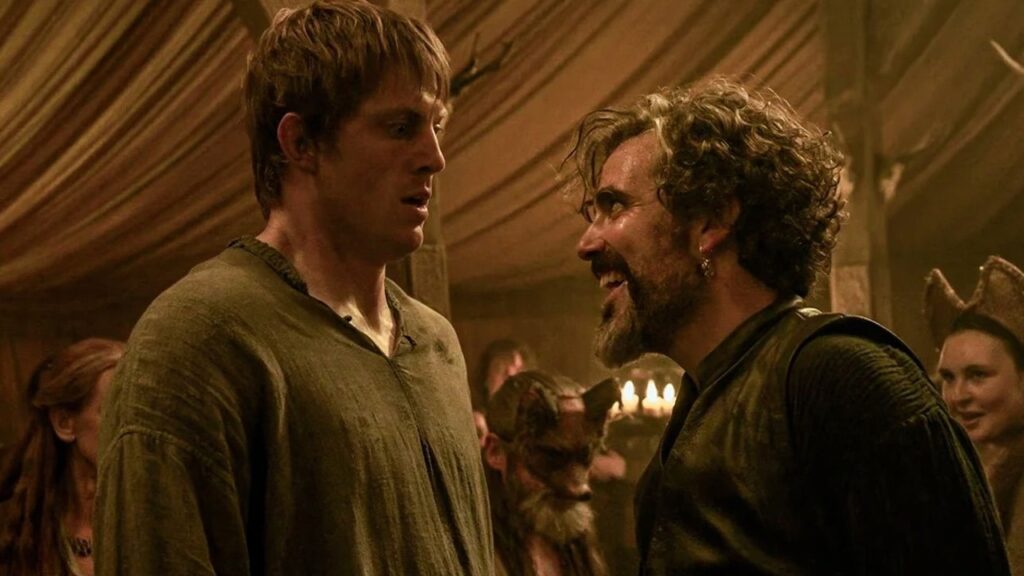
Lyonel’s feud with the crown stems from a volatile mix of pride, love, and betrayal, exactly the kind of spark that can ignite a Westerosi war. His personal conflict with Prince Duncan over his own daughter’s future quickly grows, and a private grudge turns into a national crisis.
Under King Aegon V, the realm is forced to reckon with the fallout of broken promises and wounded egos. The lesson is clear, and it reflects one of Westeros’ recurring truths: history is often shaped not by grand political schemes, but by personal vendettas that spiral out of control.
In Case You Missed It: George R. R. Martin Planned A More Brutal Fate For Sansa Stark In Original ‘Game Of Thrones’ Outline
Although Lyonel never becomes king, his defiance sets a precedent. His rebellion plants the idea that even powerful dynasties such as the Targaryens can be challenged, and that Baratheons do not bow easily.
That story matters because Robert Baratheon’s eventual rise follows the same pattern. His declaration of battle isn’t political; it’s deeply personal. After Rhaegar Targaryen and Lyanna Stark’s relationship, Robert toppled the Dragon House, fueled by anger, pride, and a sense of betrayal, to sit on the Iron Throne.
His emergence as king carries an unspoken debt to earlier Baratheon conflicts, where family honor and struggles mattered more than obedience. Sure, Lyonel never ruled Westeros, but his legacy helped create the kind of Baratheon who eventually would.
You Might Also Like To Read: Why ‘A Knight Of The Seven Kingdoms’ Feels Like Westeros At Its Best