

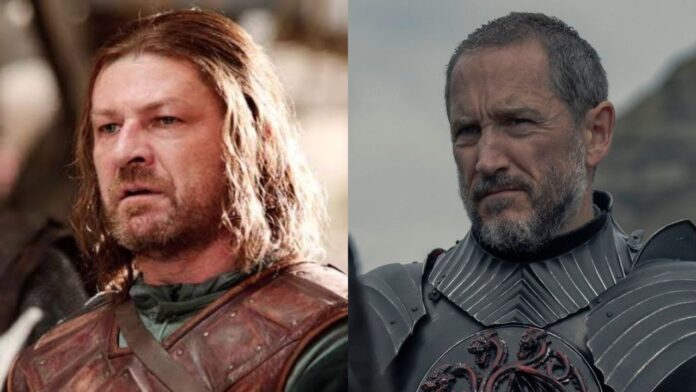
The world of ‘A Knight of the Seven Kingdoms’ may be set decades before ‘Game of Thrones’, but comparisons between its central Targaryen figures and the Starks of Winterfell are already inevitable.
Still, as showrunner Ira Parker claims, there is one similarity that does not quite stand. Baelor Targaryen may appear to be made of the same noble cloth as Eddard Stark. However, Parker believes that the similarities do not go beyond the surface.
Baelor Targaryen Isn’t Naive, And That’s What Makes His Story Tragic
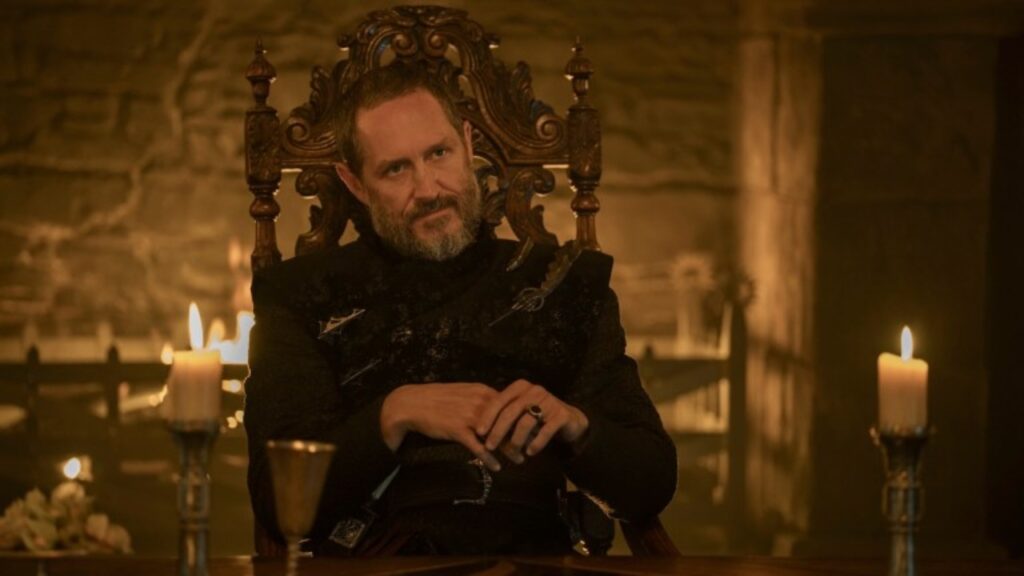
Talking about the comparison of Baelor and Ned, Parker implies that one of the reasons why Ned became a tragic hero was his naivety. Baelor, however, is too aware of the risks of the political field. “I would say Ned Stark was a little bit more naive than somebody like Baelor Targaryen was. It’s not that Baelor doesn’t understand what could happen to him. In my mind, he’s doing this because it’s always been said about him that he is this person, from the time that he was the hammer and the anvil,” he told EW.
Related: How ‘A Knight Of The Seven Kingdoms’ Rewrites Ser Arlan Of Pennytree’s Story
From childhood, Baelor became a legend, known as the hammer and the anvil, a hero of war, who rescued the kingdom. That early glory did not merely influence the way the kingdom viewed him; it influenced the way he viewed himself. Praise was his train wherever he went. He was told he embodied honor. That he would be the greatest king since Aegon the Conqueror. His virtue was beyond doubt.
And that is exactly the difference. Where Ned frequently appears to have been caught off guard by the cruelty of King-Landing, Baelor enters his moments of glory with open eyes. He knows the cost. He understands the stakes. His decisions are not made out of innocence but conviction. There’s something both admirable and heartbreaking about that. It’s one thing to fall because you didn’t see the knife coming. It’s another to see it and refuse to step aside.
‘A Knight Of The Seven Kingdoms’ Sets Up a Different Kind of Honor Story Than Ned Stark’s
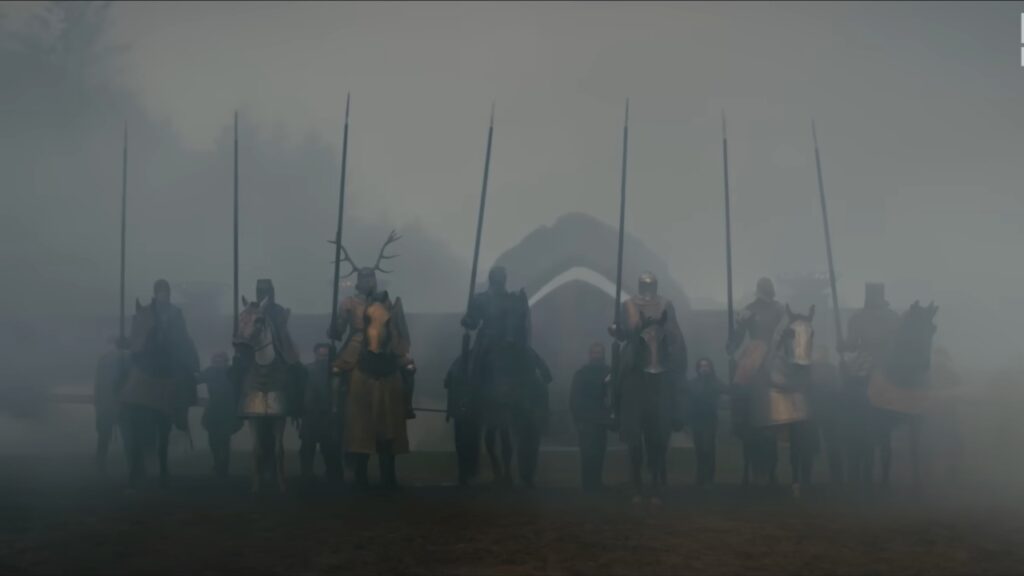
Parker frames Baelor’s journey as the ultimate examination of virtue. “Virtue untested is no virtue at all,” he explains. It’s a phrase that reverberates through the bloody history of Westeros. Baelor has been a symbol all his life: a savior, a paragon, a future king destined for greatness. Symbols are simple to maintain when they are not questioned. Honor requires sacrifice, and this is the true test.
In case you missed it: Why ‘A Knight Of The Seven Kingdoms’ Feels Like Westeros At Its Best
That is where Baelor parts ways with Ned. Had the tale of Ned Stark been that of finding out too late that honor alone cannot live in a corrupt system, that of Baelor may be that of consciously taking that risk. “Because of his nature, everybody’s telling him how honorable he is and how he’s gonna make the greatest king that Westeros has ever had since the Conqueror,” He explained.
“And then finally a moment comes for him to actually stand up when his honor is tested in truth. Virtue untested is no virtue at all.” It is a minor yet effective difference, and one that carries tons of emotional weight. In a franchise that is based on moral gray areas, Baelor’s conscious choice to stand by his ideals could prove just as tragic.
You might like to read: ‘A Knight Of The Seven Kingdoms’ Is Already Hinting At A Heartbreaking End