

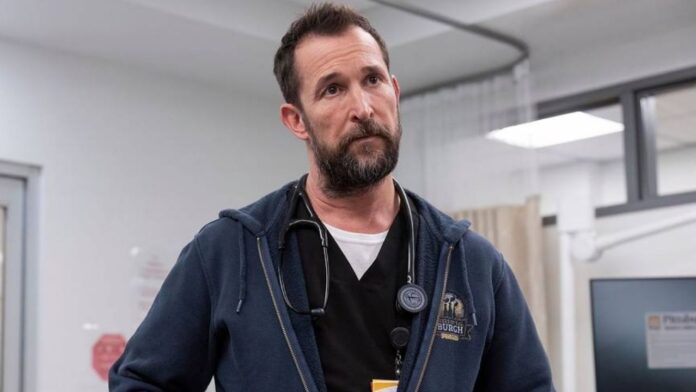
Medical dramas usually thrive on pressure. They give viewers surgeries, critical procedures, life-or-death calls, and the nonstop chaos of the emergency room. But for Noah Wyle, the hardest part of ‘The Pitt’ was not the medical action at all.
In a recent interview, Wyle spoke about one aspect of the series that he finds far more challenging to portray; it’s the conversations doctors must have with patients’ families.
Noah Wyle Says Talking To Families Can Be Harder Than Operations
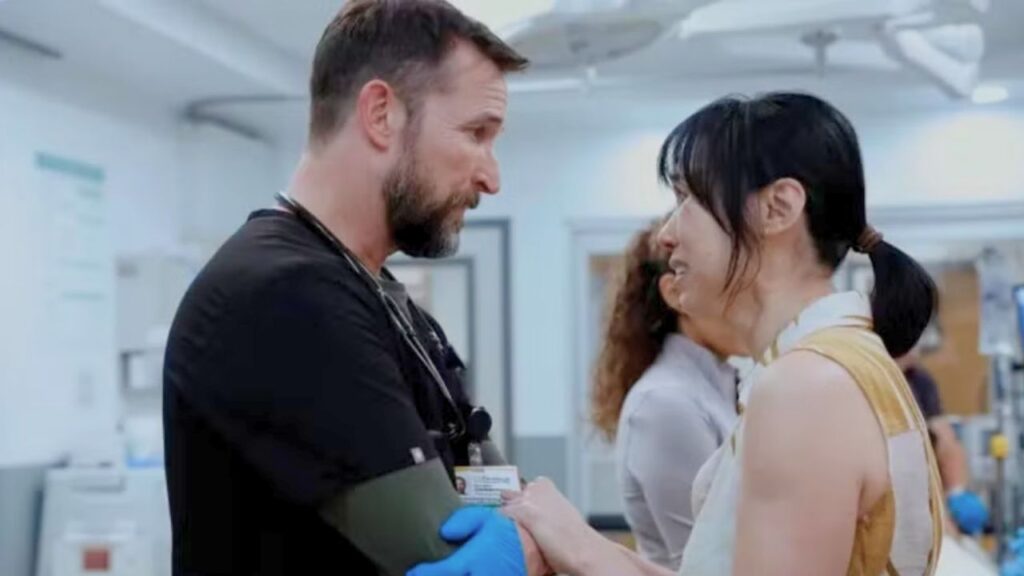
In an interview with Fresh Air, Noah Wyle opened up about how emotionally draining it can be to break the news to the family. To make that point, he referred to a moment in ‘The Pitt‘ where Dr. Robby speaks with two siblings whose elderly father is seriously ill. The father had already made it clear in writing that he did not want to be placed on a breathing machine.
Related: 25 Best Medical Drama Shows Of All Time, Ranked
As his condition worsens, though, his children begin to question whether they should still follow those wishes. The scene starts with medical facts. But very quickly, the discussion turns personal. The siblings want the doctor to guide them. Eventually, they ask Dr. Robby what he would do if he were in their place.
Instead of giving them an answer, Robby gently draws a boundary. “I really can’t answer that for you,” he says, reminding them, “This is your father.” The doctor can only do so much. He can explain the situation and suggest options, but he definitely cannot make the decision for them. And that, according to Wyle, remains one of the most challenging parts.
A doctor can explain the options and the consequences, but he cannot carry the emotional burden of the choice for the family. That, Wyle suggests, is what makes these scenes harder than the surgery itself.
Why The Conversations Hit So Hard In ‘The Pitt’
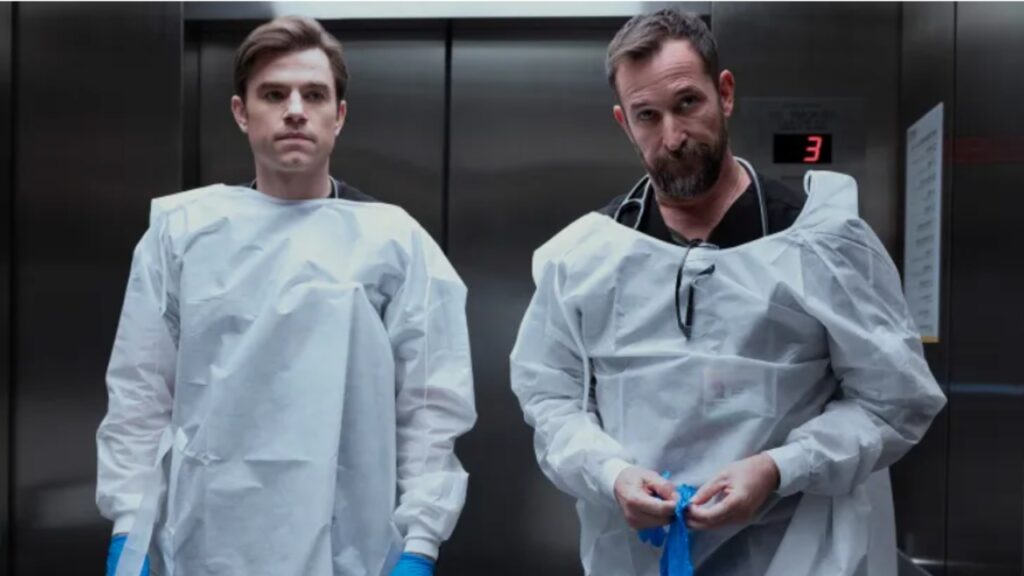
Unlike any other medical drama, these scenes feel so powerful because of the way ‘The Pitt‘ chooses to tell these stories. As Wyle explained, many medical dramas try to wrap everything up within a single episode. “Sometimes when you only have an hour to tell a story that has to have a beginning, a middle, and an end,” he said, “it can feel extremely hurried” and even “inauthentic to the process.”
‘The Pitt‘ takes a different route. Instead of rushing families from shock to acceptance, it lets those reactions unfold over time. That gives the audience a chance to see what these conversations actually look like: confusion first, then questions, then disagreement, and only later, some form of acceptance. Wyle described it as watching the characters move through the “five stages of grief.”
In case you missed it: 10 Unbelievable Medical Cases On ‘Grey’s Anatomy’
That slower approach also makes the scenes feel more honest because everyone enters them with a different emotional truth. Wyle noted that “everybody in these scenes” needs “a real point of view.” That is why the conflict feels real. The doctor is not just explaining a condition. He is standing between people who are grieving in different ways, and that makes the conversation far more difficult than any procedure.
The series does not stop with the families. It also shows what these moments do to the doctors themselves. In ‘The Pitt‘, Dr. Robby is already dealing with the memory of a devastating choice he made during the COVID crisis. The episode takes place on the five-year anniversary of a devastating decision he once had to make. At the height of the pandemic, he had to remove his mentor from life support so another patient with a better chance of survival could use the ventilator. Sadly, both patients died.
Because of that experience, Robby begins to relive the moment throughout the episode. Little reminders trigger memories he has never fully dealt with. Wyle said the emotional truth of that storyline became clear to him when his own mother watched the show. She had worked as an orthopedic and operating-room nurse for 20 years.
After seeing one episode, she suddenly started remembering patients she had treated decades earlier, including a four-year-old child, a pregnant woman, and even a gang member she once tried desperately to save. Those memories, she told him, had stayed with her for more than three decades. Similarly, some cases never fully disappear. The children doctors lose, he says, will always “linger” in their minds.
So, yes, we can’t help but agree with Wyle that a surgery might test a doctor’s skill, but the conversations with families test something far more human. They require patience, honesty, and empathy, and those moments often leave the deepest mark.
You might also like to read: The Underrated Medical Period Drama ‘The Pitt’ Fans Should Watch