
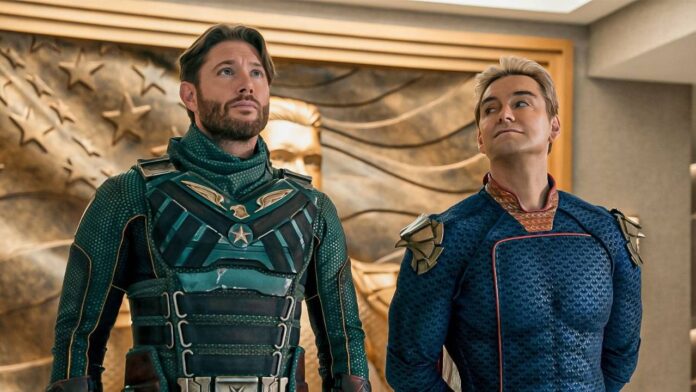
With ‘The Boys’ about to wrap up with Season 5, there is one creative rule that still characterizes the show, and, frankly, it is a major factor that makes the show feel unlike anything in the superhero genre.
The creator, Eric Kripke, says that there is a strict limit in this universe: Marvel and DC do not exist. No allusions, no appearances, not even passing allusions. That choice is almost subversive in a genre where there are interconnected universes and endless crossovers. And it works.
‘The Boys’ Completely Ignores Marvel And DC, And It Works
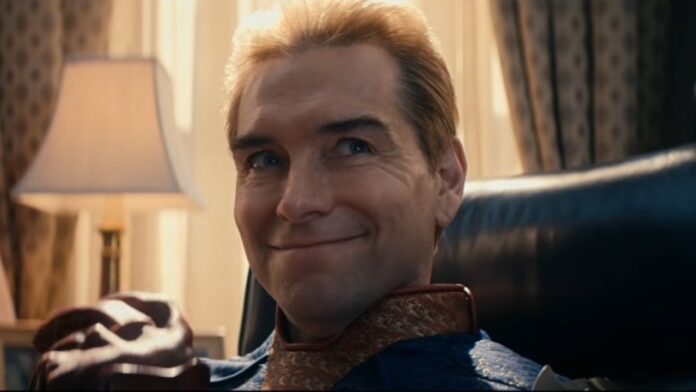
Since its inception, ‘The Boys’ has succeeded on the premise that its world is fundamentally ours, with superheroes thrown into the mix. All the other things, politics, celebrity culture, are supposed to be grounded and familiar. This is precisely the reason why it is so important to exclude Marvel Studios and DC Comics.
Related: ‘The Boys’ Gave Homelander The Most Humiliating Death Possible And It Was Perfect
Having those brands in the show would immediately break the illusion. You are no longer looking at a twisted version of reality, but a world that is aware of being fictional. The immersion is maintained in Kripke’s approach. Vought is not in a competition with other superhero companies in this universe, but rather the superhero industry.
The monopoly makes the story more cutting and disturbing. There’s no “other option,” no alternate version of heroism to compare against. It’s just this one broken system, playing out in full view.
‘The Boys’ Is Satire Without Safety Nets
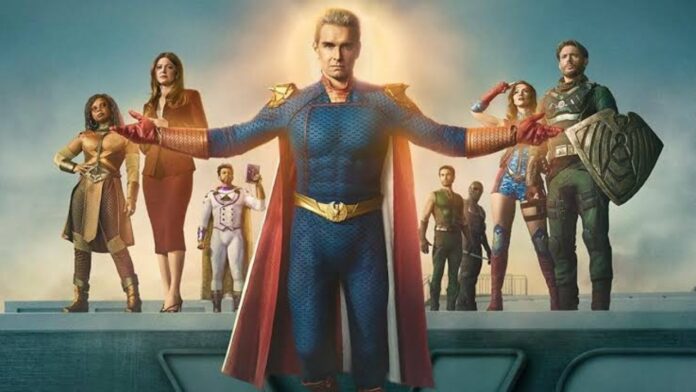
What is even more effective about this rule is that ‘The Boys’ is still able to criticize the whole genre of superheroes, without even mentioning it. Characters like Homelander are obvious echoes of iconic characters that the audience already knows, yet the show turns them on their heads in dark and sometimes uncomfortable ways.
In case you missed it: How Every Major Character in ‘The Boys’ Comics Meets a Tragic End
And that is where the magic really takes place. The series does not give direct references, which makes the viewers make the connections themselves. You know the inspiration, but you are also faced with a version that takes away the idealism and reveals something uglier beneath. It is satire that does not hide behind parody; it leans into it.
This creative boundary is not merely a rule as Season 5 approaches; it is part of the show’s DNA. ‘The Boys’ is a unique piece of art in a world full of shared universes and common names, because it does the opposite: it creates its own world and does not want to destroy it. Because sometimes, the smartest way to comment on something is to pretend it doesn’t exist at all.
You might like to read: Super Duper Explained: The Only Truly Good Heroes in ‘The Boys’ Comics