


‘Euphoria‘ has always seemed to be different than the others in its genre. Other than shock value, it has a lot of darker themes to explore. But HBO wasn’t the first one to explore this idea.
The show is actually inspired by a much smaller miniseries that aired years earlier, explored similar ideas, and was canceled after just one season.
The Israeli Miniseries That Inspired ‘Euphoria’
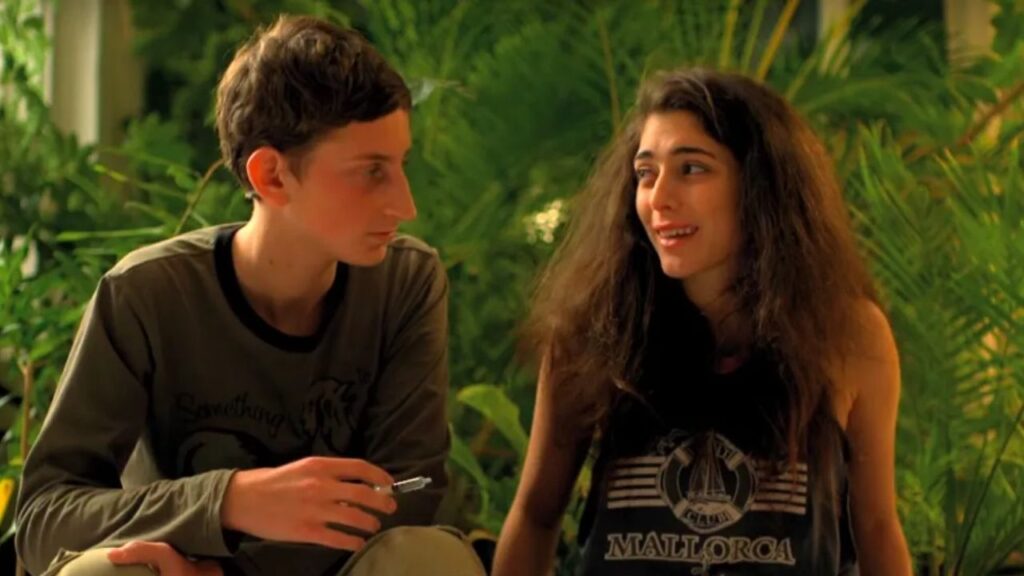
Before HBO turned ‘Euphoria’ into a worldwide hit, the story first existed as an Israeli miniseries with the same name. The show was created and written by Ron Leshem and aired on Israel’s Hot 3 channel. Unlike the HBO version, this series only ran for one season, made up of 10 episodes.
Related: ‘Euphoria’ Season 3 Time Jump Shows How Growing Up Quietly Destroys Old Bonds
The original ‘Euphoria‘ followed a troubled teenage girl named Hofit and a small group of teens already slipping into drugs, sex, and emotional neglect. Rather than focusing on flashy visuals or dramatic twists, it showed how unstable teenage life could become when there were no adults stepping in or setting boundaries.
However, that raw approach also worked against it. While some viewers praised the honesty, the series struggled to reach a wide audience. Because of its heavy subject matter and uncomfortable themes, the network canceled it after just one season. Even so, the idea behind it simply waited for the right moment to be retold.
What brought in more backlash for the Israeli Euphoria was the tragic murder of a 16-year-old boy named Ra’anan, played by Kosta Kaplan. This storyline was directly inspired by the real-life 2004 murder of Ra’anan Levy, a case that had a deep impact in Israel.
Instead of building the show around the crime itself, the story focused on what came afterward. The teens left behind struggled to process their grief, guilt, and anger. Over time, many of them turned to drugs and reckless behavior as a way to escape feelings they didn’t know how to handle.
How The Original ‘Euphoria’ Connects To HBO Series

With that background in mind, it becomes easier to see how the Israeli series shaped HBO’s adaptation. Although HBO didn’t recreate the show scene by scene, the emotional connection is clear. Both versions focus on a teenage girl struggling with addiction while trying to survive in an environment that repeatedly fails her.
In case you missed it: Rue’s New Reality Is Even More Dangerous In ‘Euphoria’ Season 3
In many ways, Rue Bennett’s journey mirrors Hofit’s, even though the American version is set in the present day instead of the 1990s. The similarities don’t end there. Fezco has a counterpart in the Israeli show named Deker Eldar, also known as “Tzehubon.”
Both characters sell drugs, but their personalities are very different. Deker is far more manipulative and dangerous, using his chemical knowledge of drugs to sexually exploit Hofit. Because of this, he resembles Nate Jacobs far more than Fezco.
Over time, HBO altered these characters to suit a broader audience and softened some traits while expanding others. Still, the heart of the story remained unchanged. Both versions explore addiction, exploitation, and how easily young people fall through the cracks when no one intervenes.
Even though the Israeli Euphoria ended after just one season, its influence clearly lived on. The HBO version added style, music, and a larger cast. But the emotional foundation came straight from that original, short-lived series.