

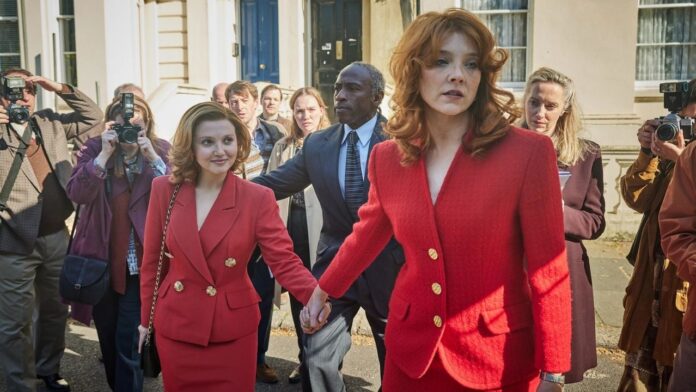
ITV’s four-part drama ‘The Lady‘ takes us back to a crime story that once dominated headlines and left the public asking the same stunned question: how did Sarah Ferguson’s former dresser, Jane Andrews, become a killer?
The series retraces her journey from Buckingham Palace to the Old Bailey and reveals how a woman who once moved within royal circles ultimately stood trial for murder.
‘The Lady’ Shows How Jane Andrews Went From Grimsby To The Royal Household
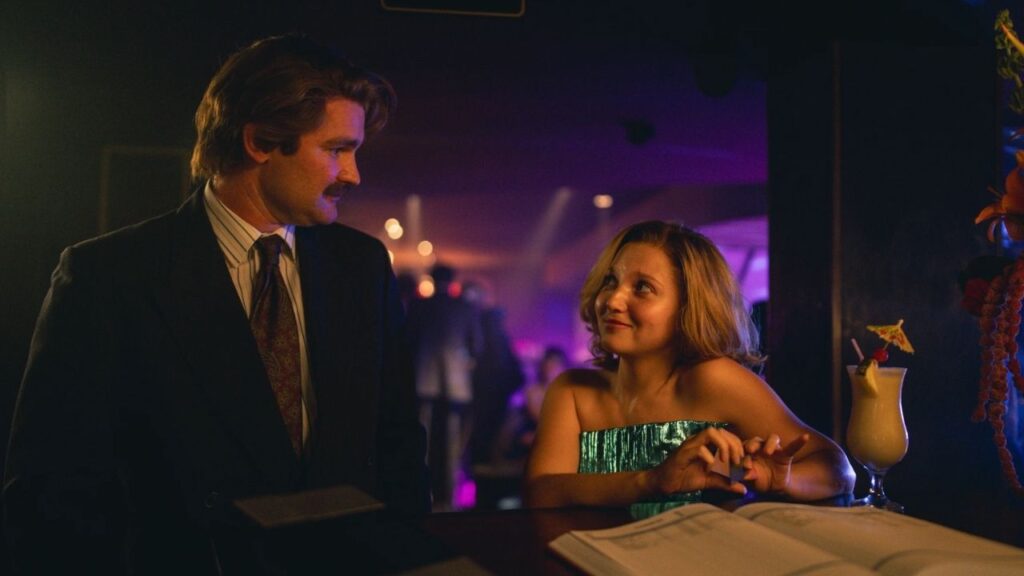
To understand how Jane Andrews became a killer, we first have to look at how high she had climbed. She was born in April 1967 into a working-class family. Her early years were spent in Cleethorpes, but money troubles forced the family to move to Grimsby. At school, she showed growth. However, as she entered her teenage years, her mental health declined. At just 15 years old, she attempted to take her own life. Although that moment could have ended everything, she survived and slowly rebuilt her confidence.
In the years that followed, she discovered a love for fashion. She studied at Grimsby College and later worked as a sales assistant at Marks & Spencer. Even so, she wanted something more glamorous and more meaningful. That chance came when she answered an anonymous advert in The Lady magazine, seeking a dresser for an unnamed employer. In the summer of 1988, she got the job. Soon afterwards, she learned she would be working for Sarah Ferguson, then Duchess of York.
Related: 25 True Crime Shows You Won’t Be Able To Stop Watching
At the time, Ferguson was still married to Andrew Mountbatten-Windsor, who was publicly known as Prince Andrew. As their marriage began to collapse, Andrews’ role grew more important. She did not just pick outfits; she became someone Ferguson trusted during a painful and public separation. While other staff members were let go, Andrews stayed. As a result, she gained rare access to Buckingham Palace and royal events. For a young woman from Grimsby, it was a dramatic change. Gradually, that royal world became part of who she was.
However, away from the palace, her personal life showed signs of emotional strain. She had been married to Christopher Dunn-Butler for around five years before divorcing him. Later, she began a relationship with wealthy Greek businessman Dimitri Horne. When that romance ended, her reaction was intense.
In an interview, she admitted, “I was so angry, I took our photographs down.” She also described smashing a cup and saucer that meant a lot to him, blacking out references to herself in his journal, and breaking his telephone. Although she later said she felt ashamed and had never done that to anyone else’s belongings before, the episode revealed how strongly she reacted to rejection.
Then, in November 1997, her royal life ended abruptly. She was made redundant in what was described as a “cost-cutting exercise.” The decision came as a shock. Consequently, she felt betrayed and fell into deep depression. More than just losing a job, she lost the world she had grown used to. That loss would prove to be a major turning point.
The Relationship That Soon Turned Deadly
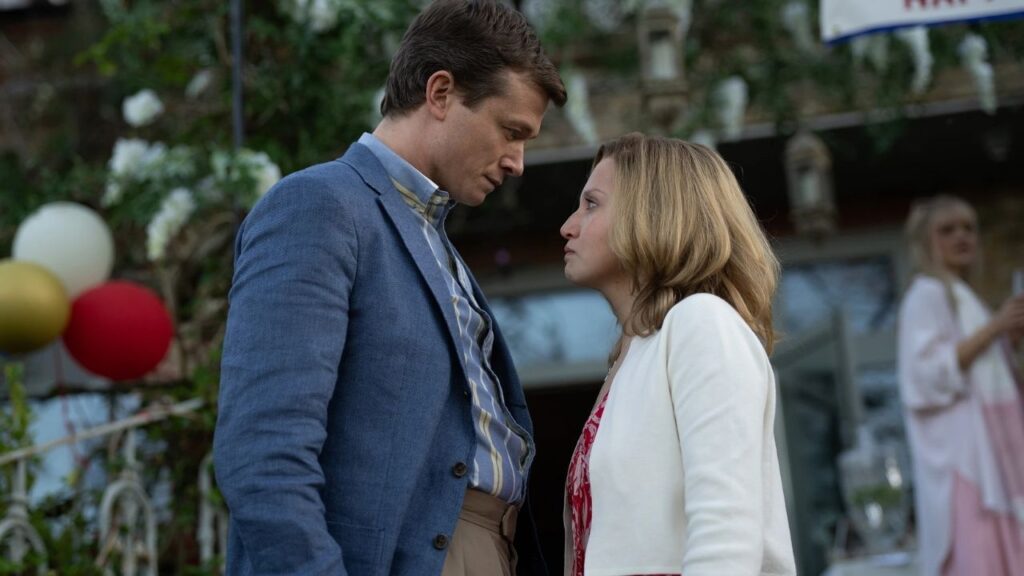
After leaving her royal role, Andrews tried to move forward. She found work at a jeweller’s in Knightsbridge. It was during this time that she met businessman Thomas Cressman. At first, their relationship seemed serious and hopeful. However, as time passed, arguments became more frequent and more heated.
About two years after they met, the relationship ended in violence. Andrews killed Cressman while he was asleep in his west London home. She attacked him with a cricket bat and a knife. Earlier that same evening, Cressman had called the police after a volatile argument. He asked officers to come to the house because he feared one of them might get hurt. Unfortunately, they never arrived.
While there is no dispute that Andrews carried out the killing, the reason behind it remains deeply contested. The prosecution argued that she was furious because Cressman refused to propose marriage. According to their case, she felt rejected and humiliated, and that anger escalated into murder. Friends and relatives described her as possessive and said she had grown increasingly frustrated over his unwillingness to commit.
In case you missed it: JFK Jr. and Carolyn Bessette-Kennedy’s Tragic Romance: The True Story Behind ‘Love Story’
Andrews, however, told a very different story. She claimed that Cressman physically and sexually abused her, and alleged that he deliberately caused a broken wrist she suffered while dancing. She also said he hit her with a wooden brush and subjected her to sexual abuse. In her account, his refusal to propose was part of what she described as his “mind games.”
In an interview after her conviction, she explained that she stayed with him for “a thousand and one reasons,” adding that whenever he was violent or abusive, apologies followed, and he promised to change. Through this version of events, she suggested that the killing came after prolonged mistreatment.
What Happened After The Backlash
Cressman’s family strongly denied her claims. They pointed to positive testimony from his former partners and highlighted the lack of forensic or anecdotal evidence supporting her allegations. After the trial, Thomas’s father, Harry, said she had “tried to destroy his reputation.” Meanwhile, former girlfriend Christina Spanier told BBC News it felt “like she was killing him all over again.” She insisted he was never violent and never made cruel demands. Furthermore, she stressed how unfair it was that he was not alive to defend himself.
Thomas’s brother, Rick Cressman, has continued to publicly defend him. When he appeared on ‘This Morning‘ in 2021, he said his brother’s “character was besmirched in every which way as an excuse to try to justify murder.” From his perspective, the abuse claims were used to explain away the crime.
Immediately after killing Cressman, Andrews fled. She went missing for several days. During that time, police contacted Sarah Ferguson and others who knew her while trying to locate her. Eventually, officers found her in a car in Cornwall after she had taken an overdose. She survived, but the case had already sparked massive media attention.
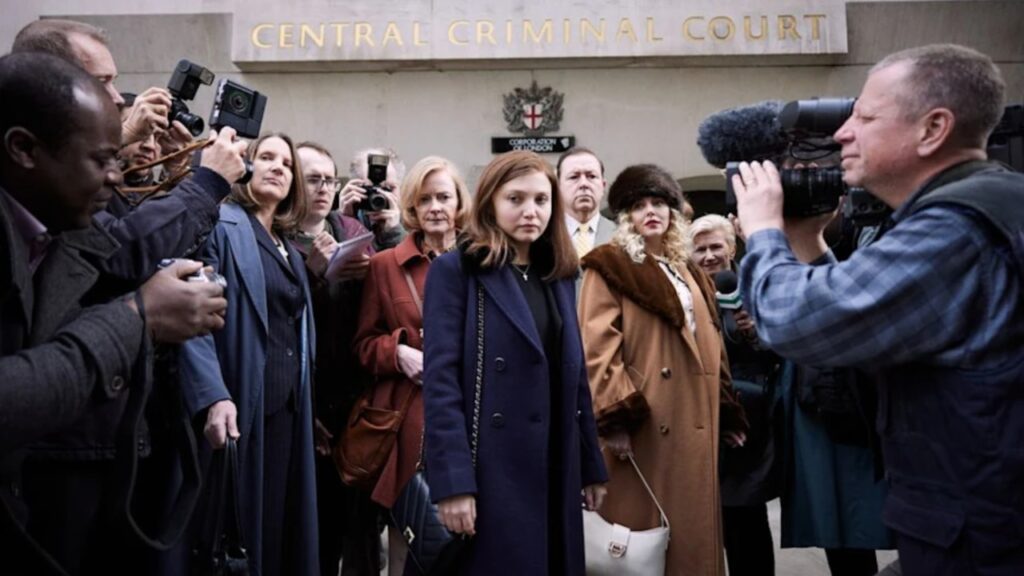
Her trial at the Old Bailey drew intense coverage, largely because of her royal connection. The image of Sarah Ferguson’s former dresser standing accused of murder shocked the public. Jane Andrews was convicted and later released from prison in 2019. Through The Lady, ITV revisits the unsettling true story of how Sarah Ferguson’s dresser became a killer.
You might also like to read: Top 25 Serial Killer TV Shows