

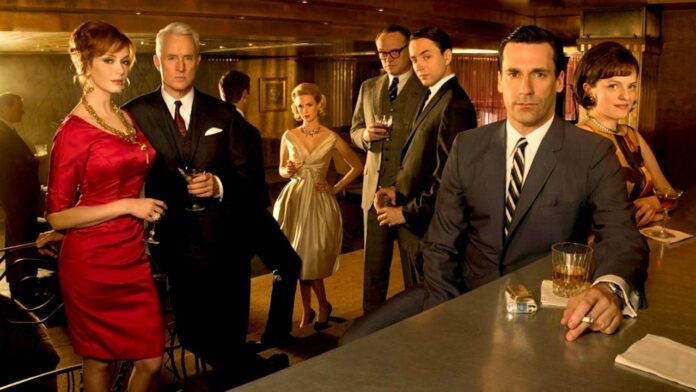
‘Mad Men’ follows Don Draper and the busy world of 1960s advertising, but what many people don’t realise is that a lot of what we saw on the show actually came from real ad agencies. The long lunches, the office drama, the pressure to stay creative; people really lived through all of that on Madison Avenue, all thanks to creator Matthew Weiner.
And once you hear which real stories inspired the show, a few moments from ‘Mad Men‘ suddenly make a lot more sense. There’s especially one storyline that came straight from a real incident.
‘Mad Men’ Creator Turned To Real-World 1960s Ad Agencies For Inspiration
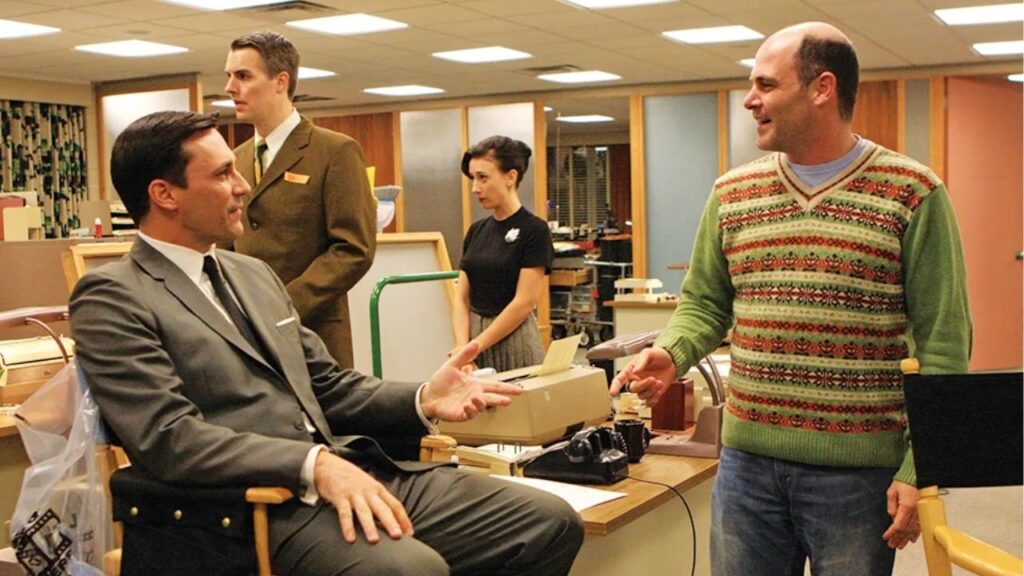
Before filming ‘Mad Men‘, creator Matthew Weiner spent time talking to people who had actually worked in advertising back in the 1960s. He later shared with The Telegraph that many of the men told him the show felt very accurate. But the women told him something even stronger: that the show matched their experiences exactly. That alone tells you how much of Sterling Cooper came straight from real life.
Related: The Tragic Life Of Betty Draper: How ‘Mad Men’ Failed To Do Her Justice
One of the most famous voices from that era is Jane Maas, often called the real-life Peggy Olson. She once said in an interview with The Wall Street Journal that the show didn’t overdo anything. In fact, she admitted that there was even more smoking, drinking, and romantic drama in the real offices than what we saw on the show.
Jane wrote about her years at Ogilvy & Mather in her book Mad Women, explaining how fast-paced and wild the industry could be. She also shared a story from Young & Rubicam, where her friend Joan Lipton said office affairs were completely normal and admitted she had taken part, even though she was married with a young child.
The Wild Events That Sparked Shocking ‘Mad Men’ Scenes
Some of the most shocking scenes in Mad Men were lifted from true events. A perfect example is the season 5 premiere, when Young & Rubicam employees drop water-filled bags on Black protesters standing outside their building. It looks like something the show invented, but it wasn’t. It really happened back in 1966.
In case you missed it: ‘Mad Men’ Ending: What Happens To Don Draper In The Series Finale?
Matthew Weiner later told The New York Times that he found an old article about the event and couldn’t believe it. He said he wouldn’t have written something that extreme on his own. But because it truly happened, he felt he had to use it. Of course, not everyone from that era agreed with every detail on the show.
Lola Cherson from Grey and Davis said that people usually didn’t date openly in the office because it wasn’t allowed. But she confirmed the long, boozy lunches were definitely real. She also mentioned that by the 1970s, creative teams started using marijuana, something that fits perfectly with the show’s vibe. Put all these real stories together, and it becomes clear why ‘Mad Men‘ felt so believable.
The real agencies that helped inspire Mad Men are still around today, just under new names. Young & Rubicam was bought by WPP PLC in 2000. Ogilvy & Mather, the agency where Jane Maas worked, also became part of WPP PLC back in 1989. They’re still major companies; they just look a little different now.
The culture inside these agencies has changed a lot since Don Draper’s days, though. Over time, companies started taking rules about behavior, drinking, and office relationships more seriously. The #MeToo movement pushed even more change. So while the agencies still exist, that old-school, chaotic 1960s atmosphere is something most people are happy to leave behind.