

‘Fallout’ Season 2 does not take time to remind the audience that power in the wasteland is never permanent but is borrowed, fought, and, in most cases, stolen. While the first season was all about survival, discovery, and the uncomfortable alliances, the new episodes change the emphasis to something much more disturbing: internal collapse.
The Brotherhood of Steel is at the heart of this brewing storm, torn apart by ambition, hierarchy, and the shadow of a much more powerful group looming over it, the Commonwealth Brotherhood.
The Commonwealth Brotherhood Isn’t Just Another Faction, It’s The Endgame
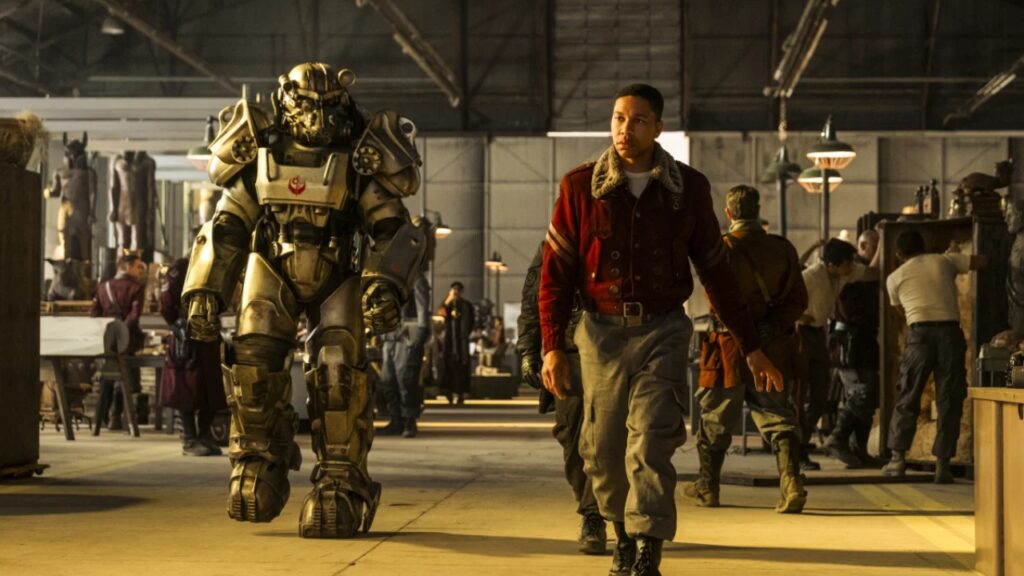
For Maximus, season 2 comes across as a reward at first. Having demonstrated himself in fire, blood, and sacrifice in season 1, he has become a kind of symbol in his Brotherhood chapter. Maximus seems to have a purpose, influence, and a future, operating under Elder Cleric Quintus. However, ‘Fallout’ has never been generous to those who think their ascendancy is safe. The illusion of power is short-lived, and in its place comes a harsh reminder of where Maximus actually fits in the strict hierarchy of the Brotherhood.
Related: ‘Fallout’s Most Controversial Ending Is About To Become Canon
The entrance of Paladin Harkness (Kumail Nanjiani) towards the end of the season is the turning point, not only of Maximus, but also of the whole political situation in the show. Along with him comes the affirmation that the Commonwealth Brotherhood is not merely a figment of imagination. It is surveying, evaluating, and possibly preparing to do something much larger than just local politics. To the longtime fans of the Fallout games, the fear and reverence of the Commonwealth Brotherhood is clear at first glance.
This isn’t some distant offshoot clinging to outdated doctrine. It is the developed, war-torn extension of the Capital Wasteland Brotherhood from Fallout 3, perfected by war, ideology, and technological superiority. The Commonwealth itself has always been one of the most unstable areas in the Fallout universe. There were super mutants, synths, raiders, political extremists, and dark scientific elites all vying to dominate the place. The fact that the Brotherhood emerged from that chaos not just intact, but stronger, says everything about why other chapters tread carefully around them.
Moreover, the appearance of the Brotherhood in Fallout 4 is characterized by Arthur Maxson, a literal descendant of the founder of the organization. The Brotherhood under his leadership did not believe in passive observation but adopted full-scale military intervention. They did not merely learn technology; they took it, owned it, and used it to bring order in the way they considered appropriate. Nine years have passed between the events of Fallout 4 and the Prime Video series, and season 2 strongly suggests that the Commonwealth Brotherhood didn’t stagnate during that time.
Why Maximus Is In Real Trouble In Season 3
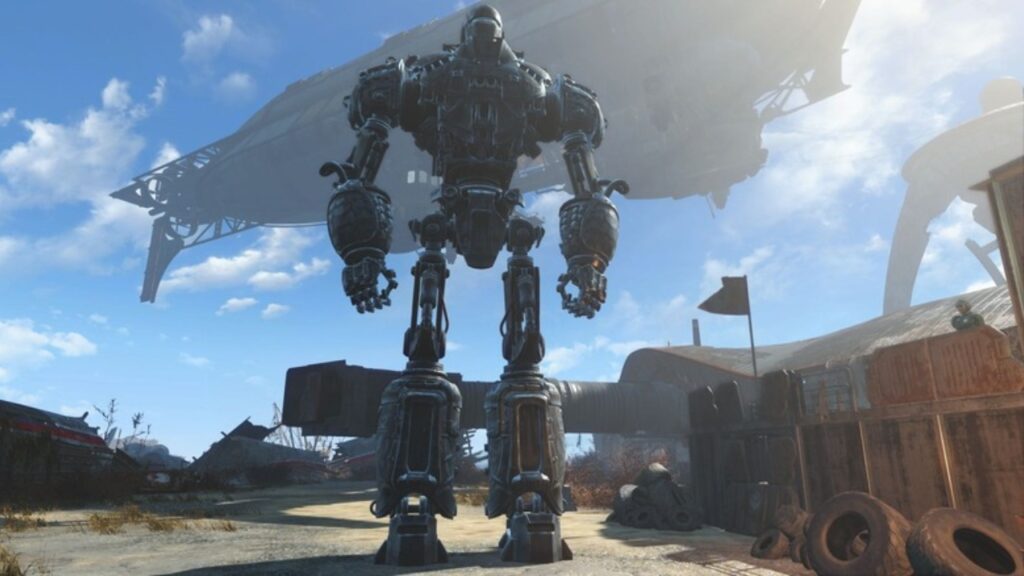
The Brotherhood has always been obsessed with technology. However, the Commonwealth chapter takes the obsession to horrifying extremes. There is one symbol that is bigger than the rest: Liberty Prime. The massive pre-war battle mech is less a weapon and more a walking apocalypse, capable of leveling battlefields while broadcasting warped patriotic slogans. Liberty Prime is a central figure in significant battles in the games, and ‘Fallout’ season 2 silently lays the groundwork for its reappearance.
In case you missed it: 10 Best Shows To Binge If You Like ‘Fallout’
The implication is chilling. Provided that the Commonwealth Brotherhood has managed to survive and still has access to the resources of the Institute, there is no reason to doubt that Liberty Prime is operational or in the process of becoming so. Worse still, Maximus’ faction has recently acquired a potent energy source. This is precisely the type of resource that is required to bring such a machine back to full functionality. Here, the emotional weight of the show really falls.
Maximus feels that his service and loyalty have won him a seat at the table. Rather, he is reminded that heroes are expendable, particularly when politics comes into the picture. The meeting between Brotherhood leaders isn’t about unity, it’s about fear. Fear of the Commonwealth Brotherhood’s strength, retaliation, and being erased. The presence of Paladin Harkness changes the balance of power on its own. He doesn’t threaten or boast.
He is just there to demonstrate that the Commonwealth Brotherhood does not require authorization to intervene. That silent power is much more disturbing than open aggression, and it puts Maximus in a difficult situation. He is faithful to Quintus, yet Quintus might already be guiding his people to destruction. Season 2 is committed to the spirit of the original games, not only aesthetically, but also philosophically.