
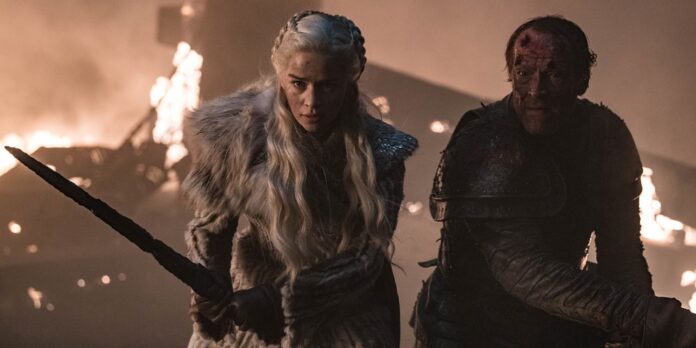
‘Game of Thrones‘ has defined the last decade of TV, with its expansive plots, bloody politics, and a supernatural threat looming over the world. However, when the dust had cleared on the last season, most viewers were left with the disturbing impression that the show was finished or that it had finished too early. The most terrifying opponents in the franchise, the White Walkers, were sent halfway through the previous season, paving the way for the final episodes to focus on the throne.
But looking back, one thing feels increasingly clear: the White Walkers were the true endgame. The show could have been much more impactful had their threat influenced the final moments instead of a hastily planned political conflict. To a story that started with ice and death, the conclusion was a betrayal of its own DNA.
The Real War Was Never About The Iron Throne
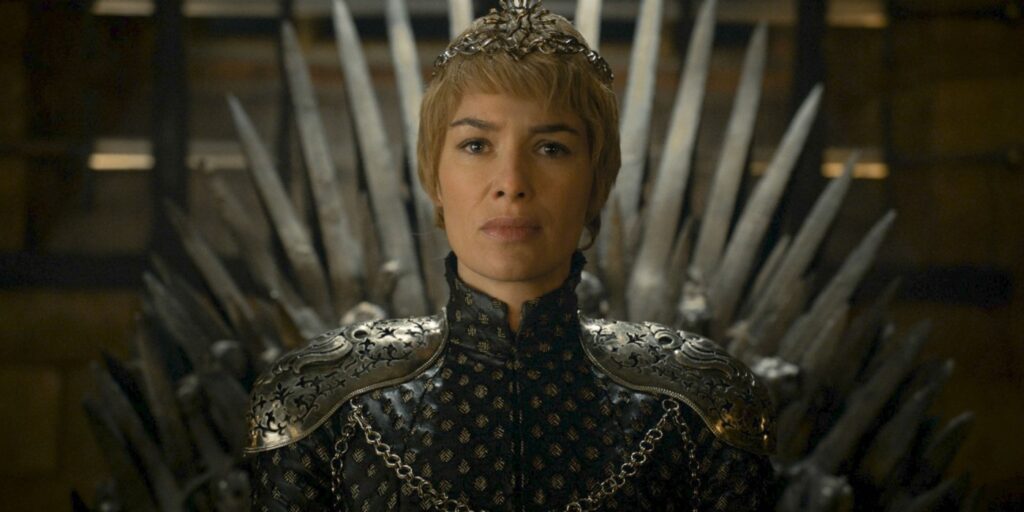
Going back to the very first episode of ‘Game of Thrones’, it is surprising how the conclusion we got is so unrelated to the story that was initially presented. The first scene is not of King’s Landing, not of lords and ladies plotting over wine; it is of a cold-blooded massacre beyond the Wall. We are introduced to death before we even see the Starks or Lannisters. This wasn’t a coincidence. The reason why the White Walkers were introduced in the series first was that they were to be the backbone of the whole story.
Related: George R. R. Martin Planned A More Brutal Fate For Sansa Stark In Original ‘Game Of Thrones’ Outline
They were a threat to existence so great that it could bring the kingdom together, or to pieces. Over the years, the mythology of the Night King became more and more enriched and dark. The origin of the White Walkers was explained by ancient tales. The Wall’s purpose was more evident. Characters like Jon Snow and Bran Stark were characterized by their relation to this approaching doom. Even Daenerys became irrevocably tied to the supernatural when the Night King killed and reanimated Viserion.
And even with all this accumulation, the White Walkers were defeated in one episode, exciting, yes, but abrupt. The decades-long march of the Night King onto the stage was cut short before many of the audience could even begin to take in the shock of the initial strike. Above all, it was premature. The existential threat was killed off before the final act, and the ending was dependent on court politics and a last-minute character twist. The result was an ending that felt strangely small for a show that repeatedly insisted that “the only war that matters is the great war, and it is here.”
‘Game Of Thrones’ Finale Could’ve Saved Itself With The Long Knight Threat
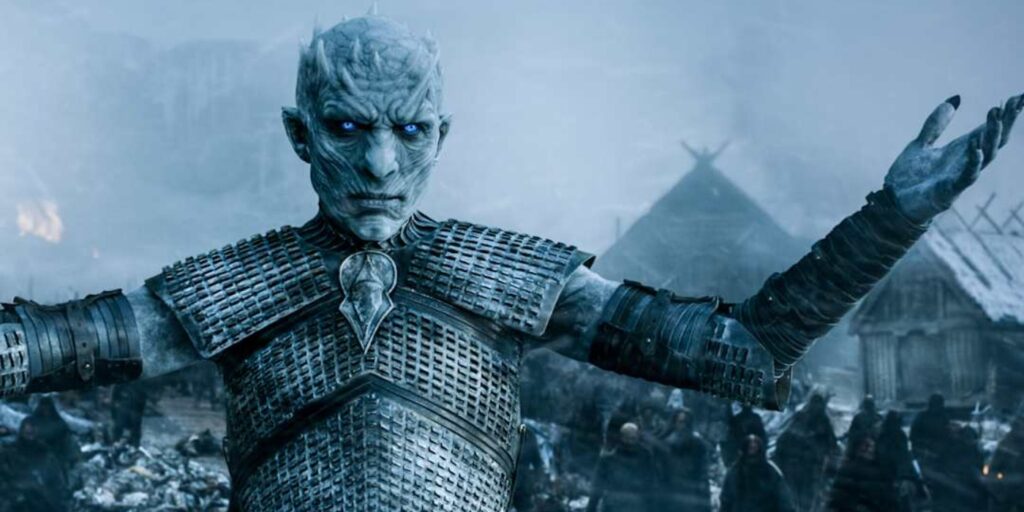
Imagine instead an ending where Winterfell falls during The Long Night. It would have forced the characters, and especially Cersei, to finally confront the supernatural threat she had spent years dismissing. The confrontation between Daenerys and Cersei would still occur, but with much more at stake. It wouldn’t just be about political power, but survival.
The ghostly snow that covered King Landing, the prophecy-like vision that Daenerys had once witnessed, was made real. Imagine the city gearing up to fight an undead army that cannot be stopped. Friends and foes would have had to choose whether the Iron Throne was worth fighting for when death itself was marching towards them. This version of events would not take away the political drama. On the contrary, it would increase it.
In case you missed it: 10 Actors Who Turned Down ‘Game Of Thrones’ Roles
Cersei would continue to manipulate, resist, and betray, and Daenerys would continue to be divided between ruling and saving. And Jon would continue to struggle with duty. All these arcs would unfold. However, in the shadow of one fact: the warnings of the North had been justified all the time. Above all, it would have been a good idea to conclude the series with the Night King arc. Rather, the show neutralized that threat early and used its last hours on political fallout.
Winter didn’t truly come for Westeros, not the way it should have. And so the ending felt strangely incomplete. It was as if the show remembered to finish its political storylines but forgot the narrative thread that united them all. Maybe the Long Night didn’t need to last forever. But it should have lasted long enough to feel like the enemy it was always meant to be.