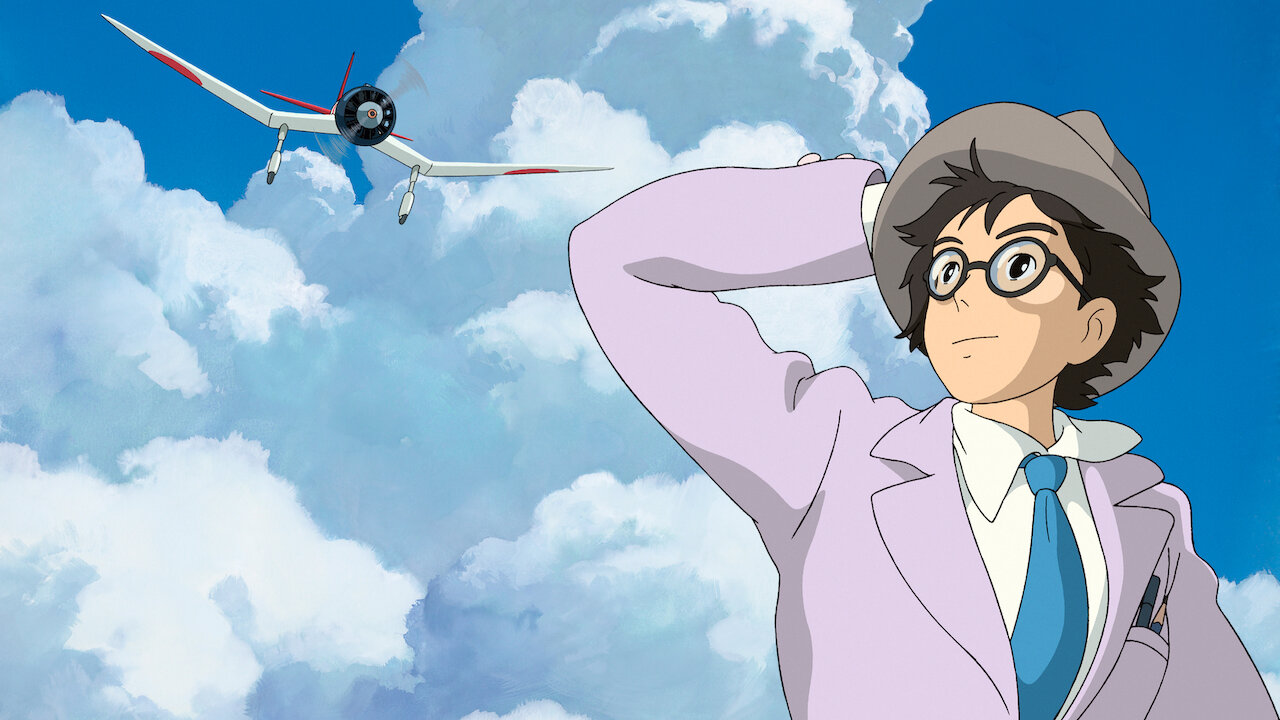
Studio Ghibli never fails to impress with its poignant storylines. It has consistently composed a range of films that leave you with a range of emotions. There’s wonder, there’s rage, there’s serenity, and so on. With ‘The Wind Rises,’ however, you might feel the bittersweet aftertaste of broken dreams.
This Hayao Miyazaki movie is a critically acclaimed anti-war movie. It is a masterpiece in its own unique way. It’s got everything from romance to conflict, but most importantly, it has impact. This is evident in the jarring realization of a misplaced purpose, followed by consequential regret. So let’s unpack how the flick explores the painful cost of chasing your dreams.
Jiro’s Overturned and Misaligned Purpose
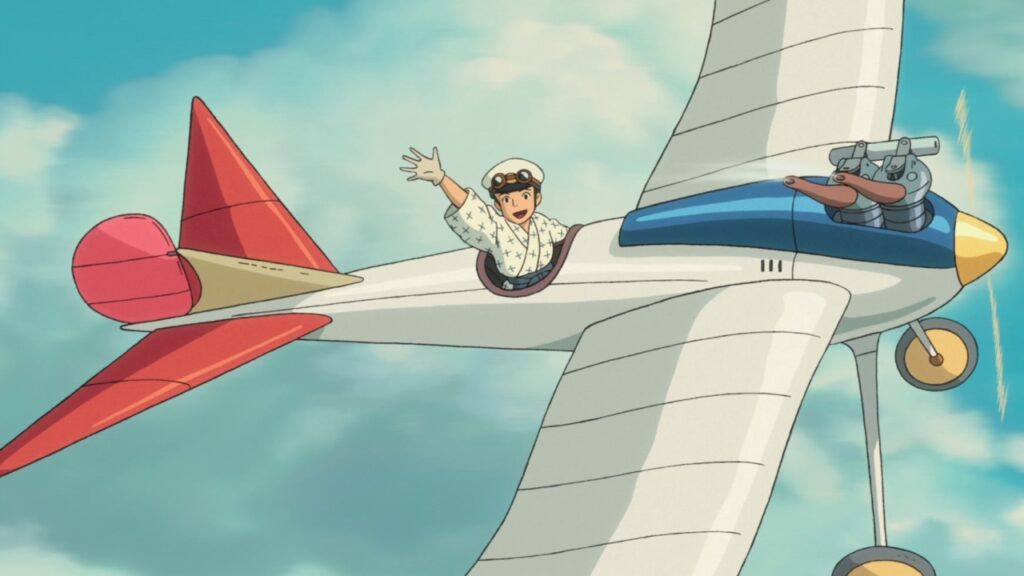
Before Mitsubishi made SUVs and sedans, the company manufactured airplanes for war. Jiro Horikoshi was one of the masterminds behind those projects, and the film explores his journey. He dares to dream, and in his pursuit, Giovanni Caproni becomes his guide. Caproni, the legendary aircraft designer, becomes his inner voice in the movie, offering him insights. One of the resounding pieces of advice is that airplanes aren’t a facilitator of war. They are like beautiful dreams, and aeronautical engineers bring them to reality.
Related: ‘Spirited Away’ Studio Ghibli Theme Park: Everything You Need To Know
It isn’t merely advice but a foreshadowing. Yep, Caproni’s advice was meant as a warning, urging him not to get absorbed in military interests. The genius even showed the kid his dreams of making aircraft for civilian purposes. Be it transportation or travel, this was Jiro’s ultimate dream, which was eventually misplaced. They became tools of warfare, killing a plethora of civilians in the process. Studio Ghibli captures the tragic events beautifully, especially in the scene when he looks at the sky filled with shooting stars, which are planes instead. And here’s the catch. The planes are painted with flags, and thus, a big plane comes crashing down on his dreams. It was the weight of ambition, but also the underlying regret that followed.
Jiro’s Regret That Lingers
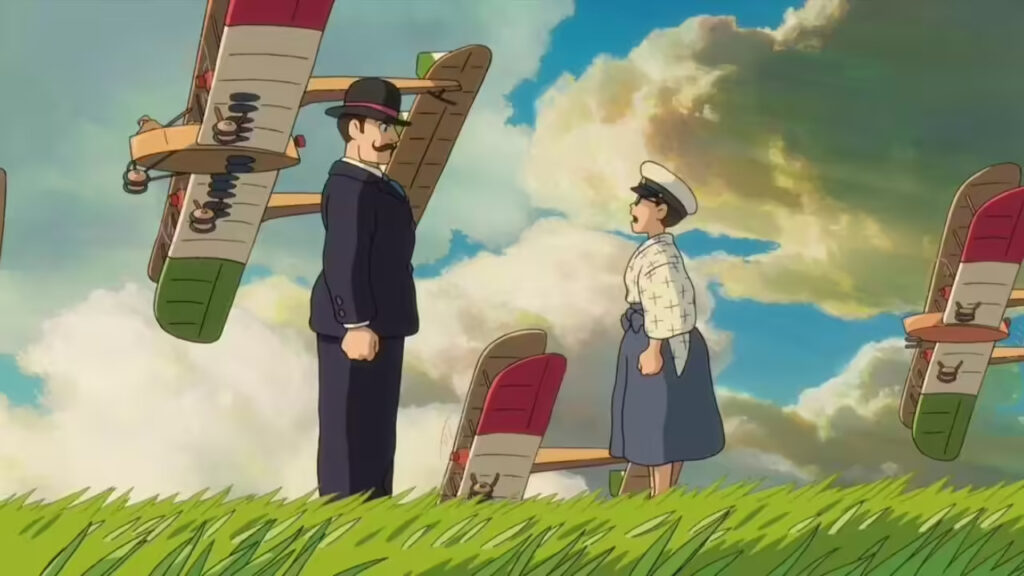
“Airplanes are beautiful, cursed dreams, waiting for the sky to swallow them up,” these words from Giovanni Battista Caproni couldn’t be truer. At the end of ‘The Wind Rises,’ everything transformed into a wasteland. Jiro dared to dream in a world that stomps on a person’s zeal and ambition. He wished to design airplanes. The inspiration was none other than Caproni himself, but it all boiled down to the forewarning: It was all but a cursed dream. And the sky did swallow them up. Either they exploded in the air or found themselves buried in the ground.
In case you missed it: What Was The Cutest Present Studio Ghibli Gave To Disney+?
This was evident in the last conversation he and Caproni had, and here’s the thing. The airplanes were envisioned as beautiful flying birds. Jiro thought they would return to him, but since everything was destroyed by war, there was nothing left. In the end, all Jiro received was deep regret. He did make airplanes, but they did not carry people, but bombs. The remorse was shared by both him and Caproni, who witnessed the cataclysm.
Living by the motto of “Le vent se lève, il faut tenter de livre” (despite challenges, mortality, or chaos, one must seize the moment), ‘The Wind Rises’ inspires us to keep living and keeping our dreams alive. Written by Paul Valéry, this excerpt from ‘Le Cimetière marin’ reiterates the theme of perseverance. It reinstates resilience in the face of adversity, and it is truly fascinating. After all, Valéry himself opposed war, and his message is the linchpin that pieces the entire movie together. Hence, dreams aren’t necessarily an abomination. They do ultimately bear the burden of outcomes, and it’s impressive how Ghibli encapsulated it perfectly.
You might also want to read: ‘Dandadan’ Is Breaking The Boring Anime Rom-Com Rules And Why It Works