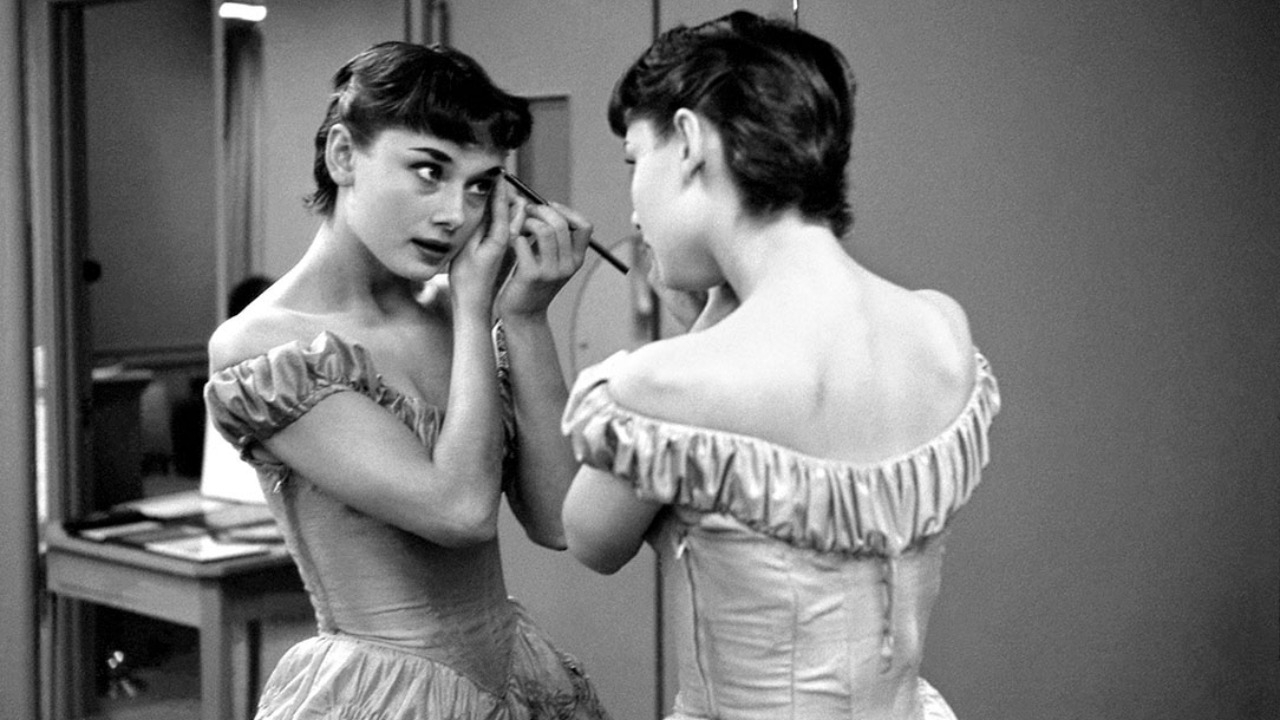
In the summer of 2011, inside a packed Los Angeles auction house, bidders fought hard over a piece of black-and-white silk organza that hadn’t been worn in almost fifty years. When the gavel came down, the price landed at $4.5 million, an online auction record, for a dress Audrey Hepburn wore for only a few minutes of screen time.
That gown was the “Ascot” dress from ‘My Fair Lady‘, the 1964 musical where Hepburn’s Eliza Doolittle makes her big society entrance at the horse races. Designed by Cecil Beaton, the outfit marked the moment Eliza finished her turn from flower girl to lady, and it helped the film win eight Academy Awards in 1965, including Best Picture and Best Costume Design.
Debbie Reynolds’ Hollywood Costume Collection Goes Up for Auction
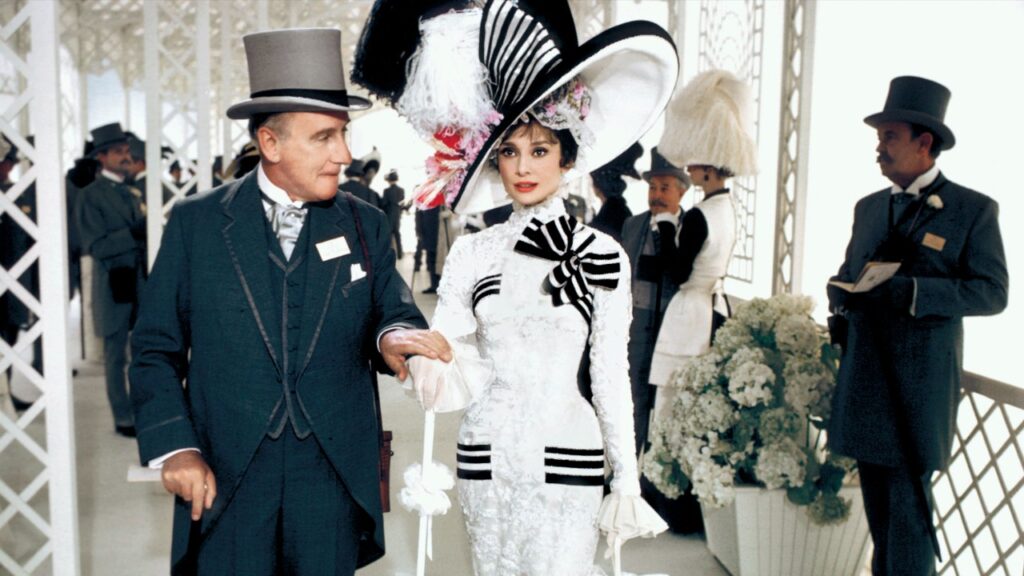
The sale, run by Profiles in History, wasn’t a one-off event. It was the top lot in the huge collection of actress Debbie Reynolds, who spent more than fifty years quietly collecting and protecting thousands of pieces of Hollywood history. Costumes, props, photographs, all from classics like ‘Gone with the Wind‘, ‘The Sound of Music‘, and ‘Casablanca‘.
Related: The Director Who Made Audrey Hepburn Cry Became Her Greatest Mentor
Reynolds had spent years trying to build a museum for her collection. When those plans didn’t work out, she made the hard call to send the pieces to public auction instead. The Ascot dress ended up being the centerpiece of that sale, and it’s still the single most expensive item Profiles in History has ever sold.
Why the ‘My Fair Lady Dress’ Outsold ‘Breakfast at Tiffany’s’ Gown
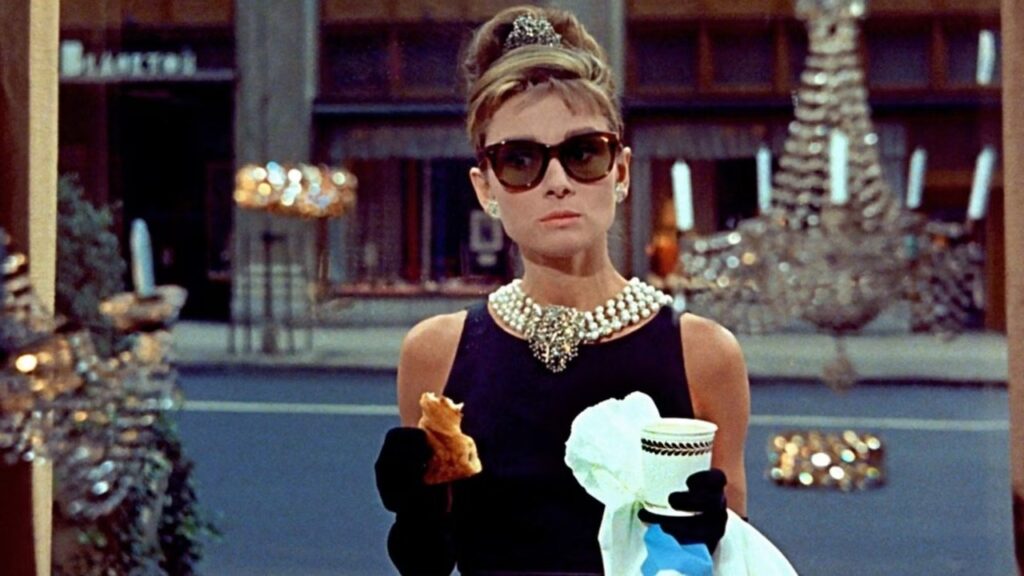
So why did a costume, not even a full-length gown from Hepburn’s most famous film, Breakfast at Tiffany’s, sell for nearly five times more than the little black Givenchy dress from that same movie, which had sold at Christie’s for around $900,000 five years before? Part of the answer is rarity. Part of it is what the dress stands for. The black-and-white Ascot outfit is instantly recognizable even to people who’ve never watched the film. It shows up on posters, in fashion retrospectives, and on nearly every list of the greatest movie costumes ever made. It represents more than one character’s change. The dress represents two major creative forces, Hepburn’s screen presence and Beaton’s design work, both at their peak at the same time.
In case you missed it: The Audrey Hepburn Movie So Tragic It Ended Her Interest in Westerns Forever
The dress also came up for sale at a moment when collectors were suddenly hungry for real, wearable pieces of old Hollywood. Reynolds’s sale proved that costumes could compete with paintings and manuscripts as serious, high-value collectibles. Since then, prices for Hepburn’s memorabilia have kept climbing. Her dress from 1954’s ‘Sabrina‘ later sold for $217,600, almost double what people expected. Her personal shooting script for Breakfast at Tiffany’s sold for $846,619, a record price for a script at auction. Still, nothing has come close to touching what the Ascot dress brought in.
Audrey Hepburn’s Lasting Legacy in Fashion and Film History
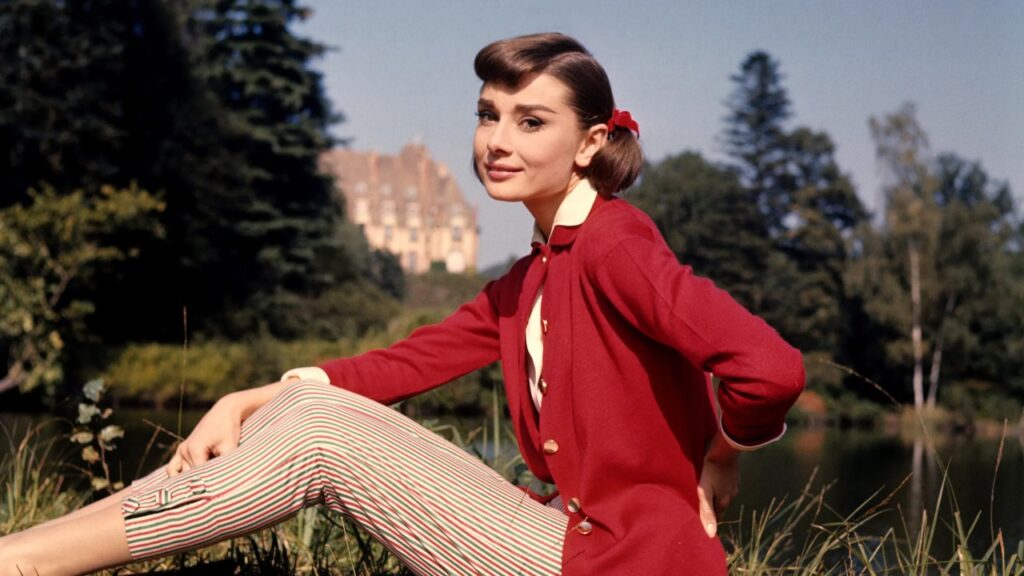
For fashion historians, the sale confirmed something that had been building since Hepburn passed away in 1993. Her image had grown bigger than the films she starred in. Givenchy, her close friend and longtime collaborator, once said that younger fans loved Hepburn more for her clothes than for her acting, and that many of them probably hadn’t even seen her movies. The $4.5 million sale was, in a way, the market putting a number on that idea. It wasn’t just a costume changing hands. It was ownership of something bigger, elegance itself, wrapped up in organza and black silk ribbon.
More than a decade later, the Ascot dress still stands as proof of what one piece of clothing can mean. It is not just a character’s journey or a designer’s talent, but the moment an actress stopped being simply a star and turned into something permanent in our shared memory. In that light, the price almost doesn’t matter. What actually sold that day wasn’t fabric. It was legacy.
You might also want to read: Why Audrey Hepburn Didn’t Want the Famous Pastry Scene in ‘Breakfast at Tiffany’s’