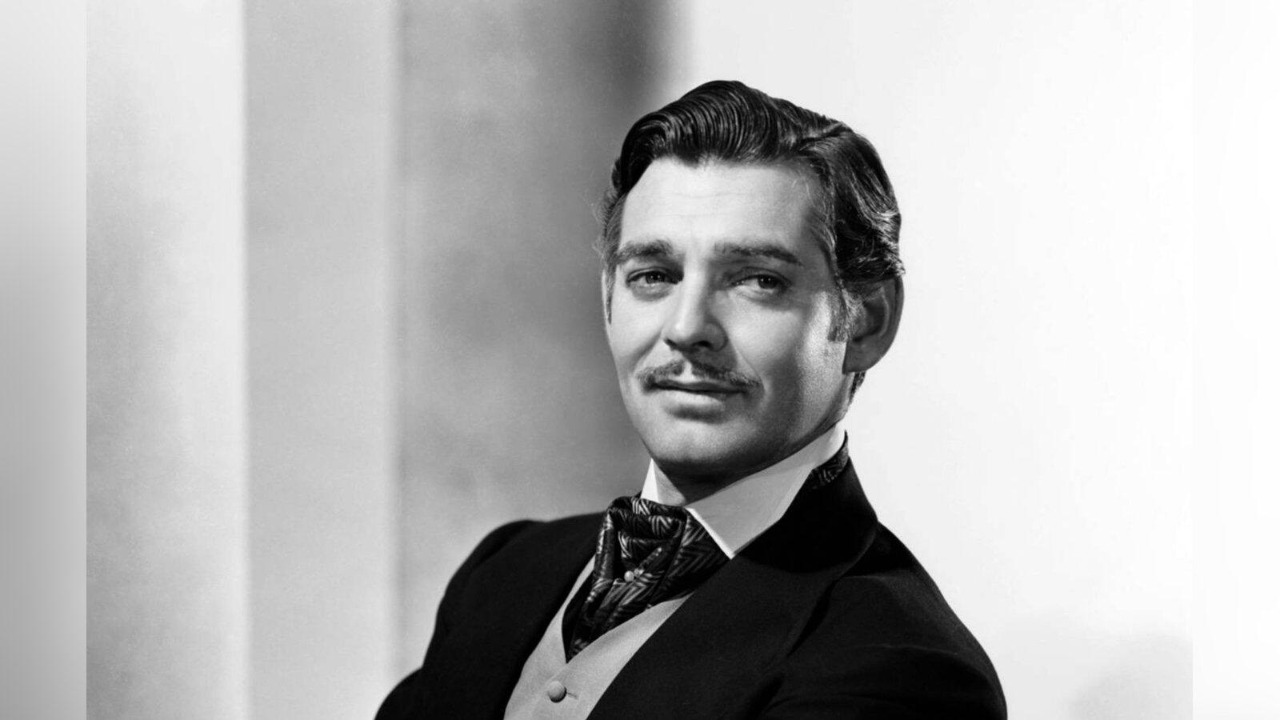
You hear a lot of wild stories about old Hollywood, but few are as strange as the one about Clark Gable. When he died of a heart attack on November 16, 1960, the whole world mourned the “King of Hollywood.” He was a giant, but just twenty years before that, the man who would play Rhett Butler was just a laborer covered in tire dust. He was a drifter with big ears and a stutter. His life seemed headed for nowhere, not stardom.
The way he went from the factory floor to the top of MGM isn’t just a story about talent. It is about pure grit, some unlikely helpers, and a rough kind of manliness that changed movies forever.
Clark Gable’s Hard Childhood and Dropping Out of High School
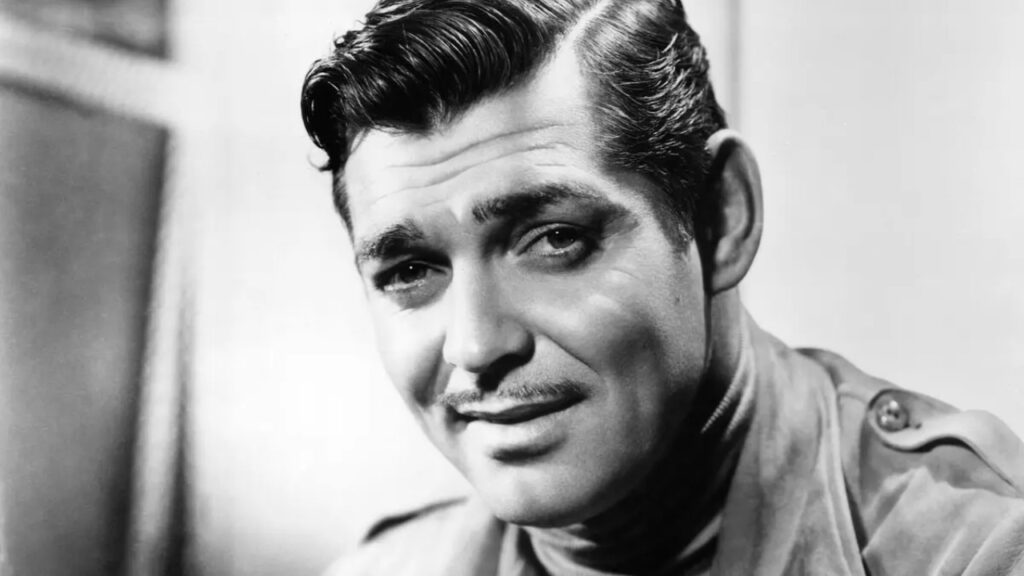
He was born William Clark Gable on February 1, 1901, in Cadiz, Ohio. Life was hard from the start. His mother died when he was only ten months old, so his father, an oil driller, raised him in tough little towns in the Rust Belt.
Related: Why Greta Garbo and Clark Gable Never Made Another Movie After ‘Susan Lenox’
By the time he was 16, Gable was restless and dropped out of high school. While other kids studied, he punched the clock at a tire factory in Akron, Ohio. It was a soul-crushing place, where the rhythm of machines took over the rhythm of life.
How Josephine Dillon Discovered Clark Gable and Changed His Life
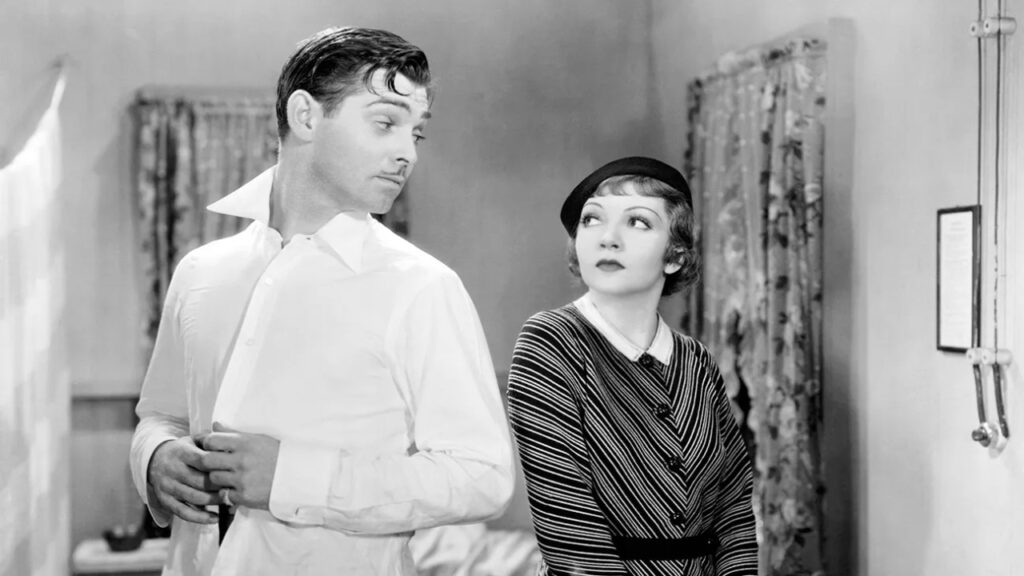
A local play turned out to be Gable’s way out of factory work. After a short time helping his father in the Oklahoma oil fields, a 21-year-old Gable got a small amount of money. Instead of buying land or learning a trade, he spent it all on an inexplicable bet. He joined a traveling theater company.
In case you missed it: How Clark Gable Accidentally Changed Men’s Fashion Forever in One Movie Scene
For a young, rough guy with no connections and no high school diploma, it was brutal. The traveling group went broke and left Gable stuck in Montana. He had to hitchhike to Oregon, where he sold ties to get by. But he could not shake the acting bug. Then, in Portland, his path crossed with Josephine Dillon’s.
Dillon was a veteran stage actress and coach, seventeen years older than him. She looked past his “hick” exterior. Where other people saw funny-looking big ears and a clumsy manner, Dillon saw something raw. In a move that would change Hollywood, she took him under her wing and used her own savings to pay for braces to fix his teeth. She gave him speech lessons to soften his Midwest twang and even styled his hair. They got married in 1924, and Dillon marched him to Hollywood. She was sure he was a star.
The “Ape” Insult and Clark Gable’s Comeback in Talkies
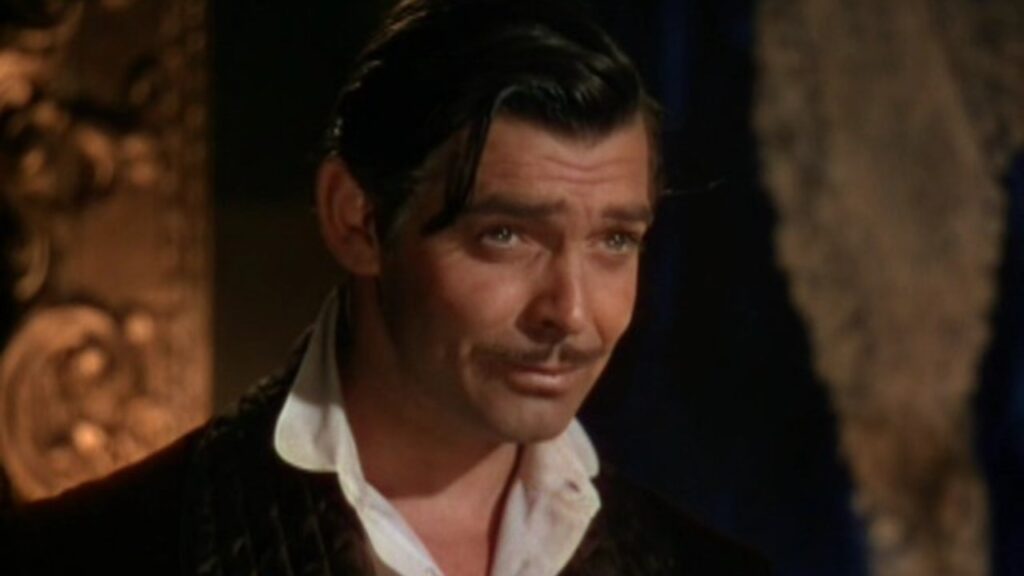
The studios did not agree. In fact, they hated him. When Gable showed up in Los Angeles, they stuck him as an extra in silent films, usually hidden in the back of a crowd. Warner Bros. famously turned him down. Producer Darryl F. Zanuck said something brutal: “His ears are too big. He looks like an ape.”
But then talking pictures came along. The old rules did not matter anymore. Gable’s rough, deep voice, which Dillon had trained, became his secret weapon. He gave up on Hollywood for Broadway in 1928, and it paid off. He landed the lead role in a play called ‘Machinal‘. Critics said his performance was “brutally masculine,” and that quality finally got MGM to open its doors.
Clark Gable’s Death and His Lasting Hollywood Legacy
Gable came back to Hollywood with a contract in 1930. His first sound film was ‘The Painted Desert‘ in 1931, and it shut up all the “ape” jokes right away. His chemistry with Joan Crawford in ‘Dance, Fools, Dance‘ and his scruffy, sweaty team up with a braless Jean Harlow in ‘Red Dust‘ created a whole new kind of movie star. They called him the “he man.” He was not some polished, pretty boy. He was a man you believed could fix a tractor, throw a punch, or steal a kiss. By 1932, the “King of Hollywood” was crowned at the box office and his days as a factory worker were over for good.
A lot of people point to ‘It Happened One Night’ in 1934 as his big coronation. That film won him an Oscar and made his regular guy charm famous. But the scars from being poor never really healed. People close to him noticed that even as a king, Gable felt deeply insecure about his lack of schooling. He read all the time in private, trying to fill the holes left by that factory in Akron.
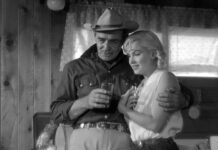
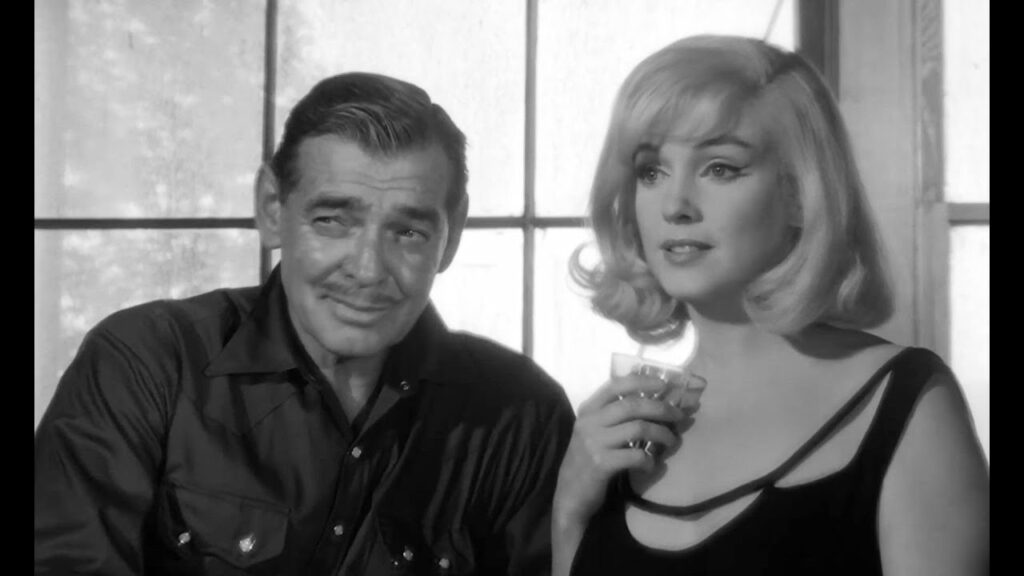
He died in 1960, just days after finishing a movie called ‘The Misfits‘ with Marilyn Monroe. His life had come full circle. The stress of doing his own stunts at 59 years old, because he refused to look weak, likely caused the heart attack that killed him.
They buried him at Forest Lawn Memorial Park next to his beloved wife, Carole Lombard. The men who carried his casket were Spencer Tracy and Jimmy Stewart. They understood what it meant to wear that crown.
Clark Gable came into this world as the son of an oil driller, but he left as the forever symbol of Hollywood’s Golden Age. However, in between, that factory worker from Ohio never really left. He just learned how to act like a king.
You might also want to read: “He Looks Like an Ape”: The Brutal Hollywood Rejection That Turned Clark Gable Into the King of Hollywood