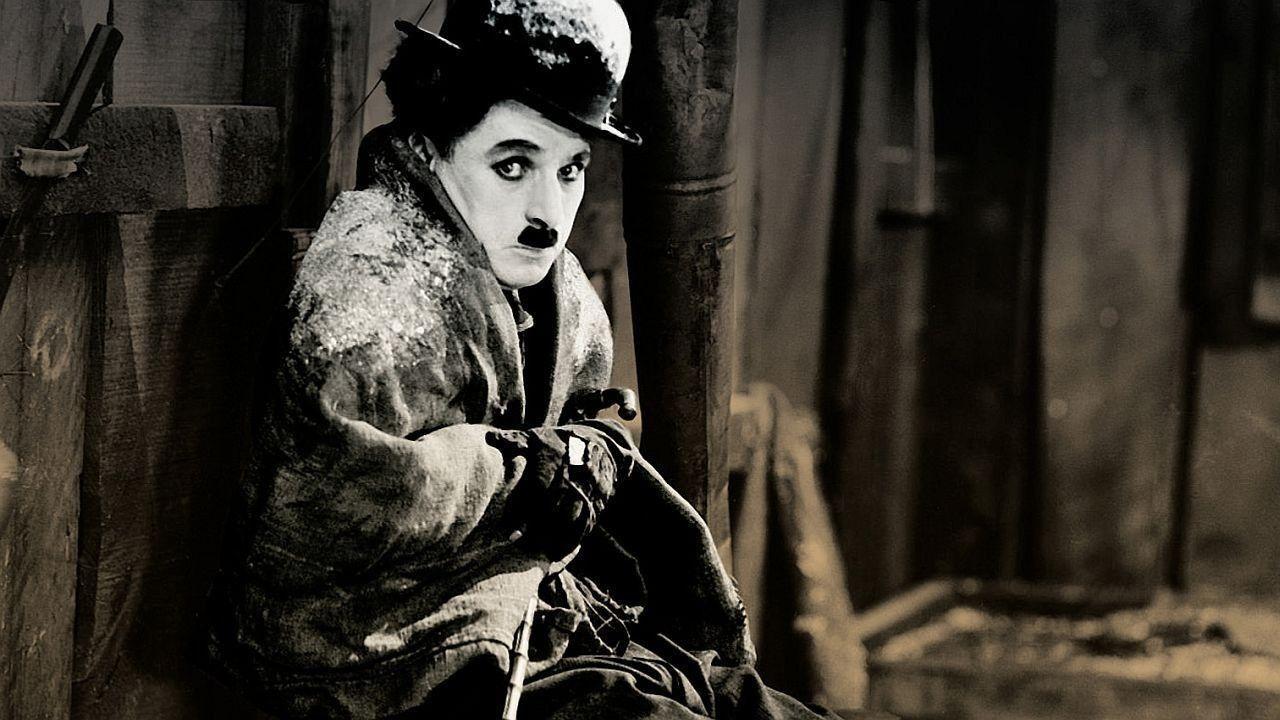
In September 1952, the SS Queen Elizabeth cut through the choppy waters of the Atlantic. On board was Charlie Chaplin, the biggest star of the silent movies, the man whose “Little Tramp” made millions laugh during the Great Depression. He stood on the deck and watched the Statue of Liberty disappear over the horizon. He would not see her again for twenty years.
Just two days into the trip, US Attorney General James P. McGranery announced that Chaplin’s re-entry permit had been taken away. Chaplin was a British citizen who had lived in America for forty years. The government said he would be held for a “moral and political” inquiry if he came back. Chaplin, who was 63 at the time, simply sent a message back stating, “Goodbye.” He never went to the hearing.
So how did the man once called “the world’s most famous actor” end up as a political exile? It wasn’t just one thing. It was a perfect storm of sex scandals, political fear, and his own stubbornness, all mixed up with the Red Scare.
Charlie Chaplin’s FBI Files and Communist Allegations
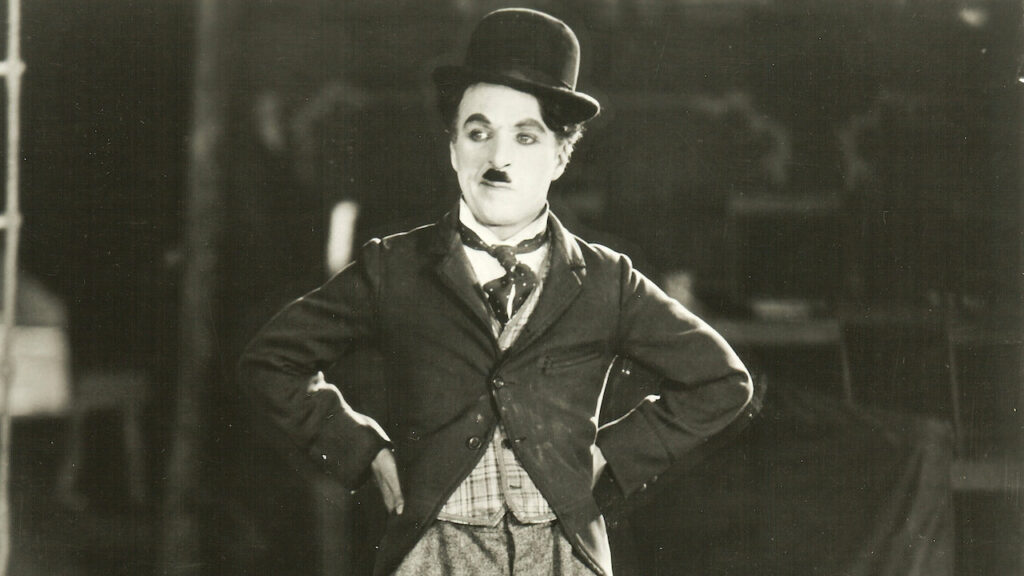
The FBI had been watching Chaplin long before the 1950s. J. Edgar Hoover’s agents opened a file on him in 1922 and tracked his every move for thirty years. The final file ran 1,900 pages.
Related: The Forgotten Silent Film Star Who Inspired Charlie Chaplin
Hoover called Chaplin one of Hollywood’s “parlor Bolsheviki.” He was sure The Tramp was a communist propaganda tool. Chaplin was never actually a party member. The FBI admitted in a 1949 memo that there were “no witnesses available to testify affirmatively that Chaplin has been a member,” but his movies spoke a language Hoover did not like.
In ‘Modern Times‘ (1936), Chaplin made fun of brutal factory work and the assembly line. In ‘The Great Dictator‘ (1940), he openly mocked fascism and gave a famous speech about democracy and humanity. During World War II, Chaplin pushed for opening a second front to help the Soviet Union. He also said, “I don’t want the old rugged individualism… rugged for the few and ragged for the many.” To patriotic groups like the American Legion, that sounded like a call for revolution.
Joan Barry Paternity Scandal and Mann Act Charges
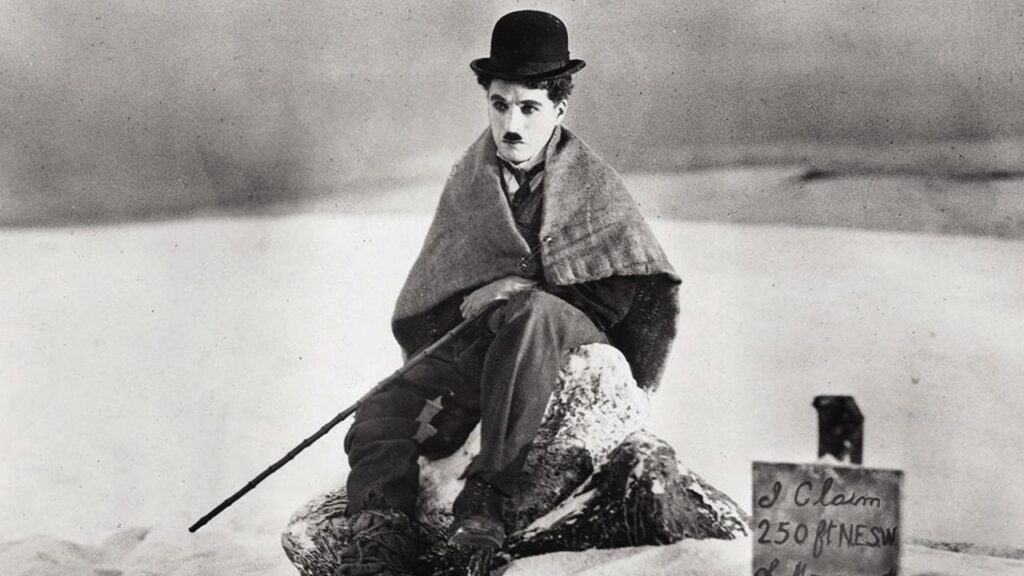
Politics gave the authorities a reason, but sex was the weapon they used against Chaplin. In the early 1940s, Chaplin got involved with a young actress named Joan Barry, and their relationship eventually turned ugly. Barry later showed up at Chaplin’s home with a gun. Then, in 1943, she sued him for paternity, saying he was the father of her child, Carol Ann.
In case you missed it: The Charlie Chaplin Film Adolf Hitler Was Rumoured to Watch Twice
What followed was a circus for the tabloids. Chaplin was also charged with breaking the Mann Act, also called the “White Slave Traffic Act,” for paying for Barry’s train ticket across state lines. That law was often used to go after people for moral reasons. A blood test later proved Chaplin could not be the father because their blood types did not match. However, California courts did not allow that kind of evidence at the time.
Even with the science, a jury found Chaplin guilty of paternity. He had to pay child support until the child turned 21. The press tore him apart and made fun of him for marrying 18-year-old Oona O’Neill when he was 54.
Charlie Chaplin’s Moral and Political Inquiry by Attorney General
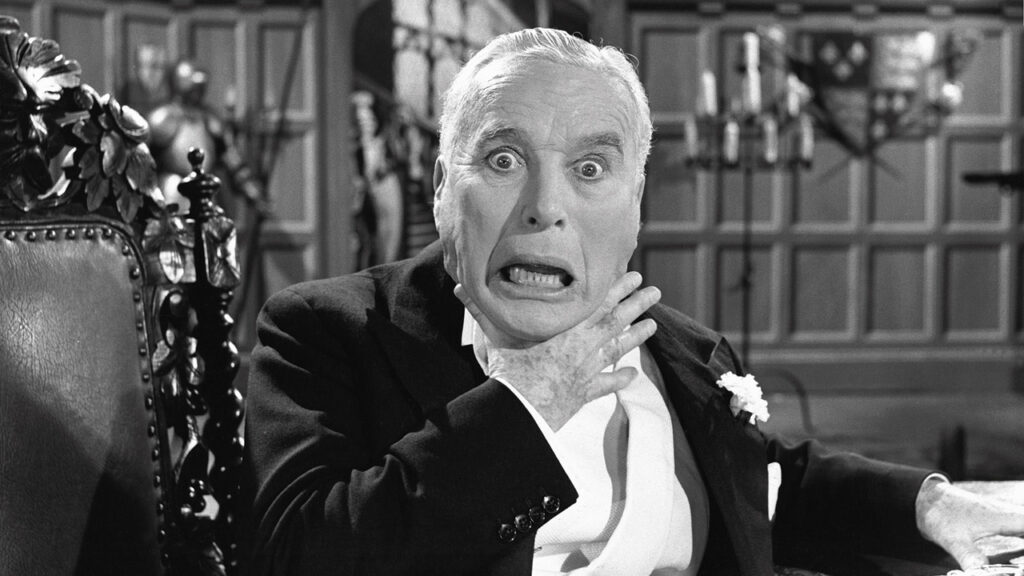
By 1952, the “Moral Majority” had their man. Attorney General McGranery called Chaplin an “unsavory character,” and between the media frenzy, the FBI vendetta, and a public tired of his personal life, Chaplin chose to leave for Europe.
He settled in Switzerland, feeling bitter and making bitter satire. His 1957 movie ‘A King in New York‘ directly made fun of McCarthyism. It featured a king who ran away from a committee investigating “un-American activities.”
America tried to wipe him out, but the world would not let him go. In 1972, the Academy finally said sorry by giving him an Honorary Oscar. When Chaplin walked onto the stage in Los Angeles, he got the longest standing ovation in Academy history, twelve minutes. It was a quiet way of admitting that during the Cold War madness, the country had pushed out one of its greatest artists for the crime of thinking too freely.
You might also want to read: ‘Peaky Blinders’ Connected Tommy Shelby to Charlie Chaplin Through a Shocking Real-Life Mystery