The hotel suite on the Rue de l’Arc de Triomphe looked like a battlefield. Inside, police discovered the bodies of Max Linder, the highest-paid actor on the planet, and his young wife, Hélène. They had died by a lethal cocktail of veronal and morphine, their wrists slashed in a desperate suicide pact.
When the news broke, the world had already forgotten him. The crowds that once rioted for a glimpse of the “man in the top hat” now belonged to Charlie Chaplin. But as the great comedian once admitted, there would have been no Little Tramp without the “Professor.”
The Invention of the Movie Star
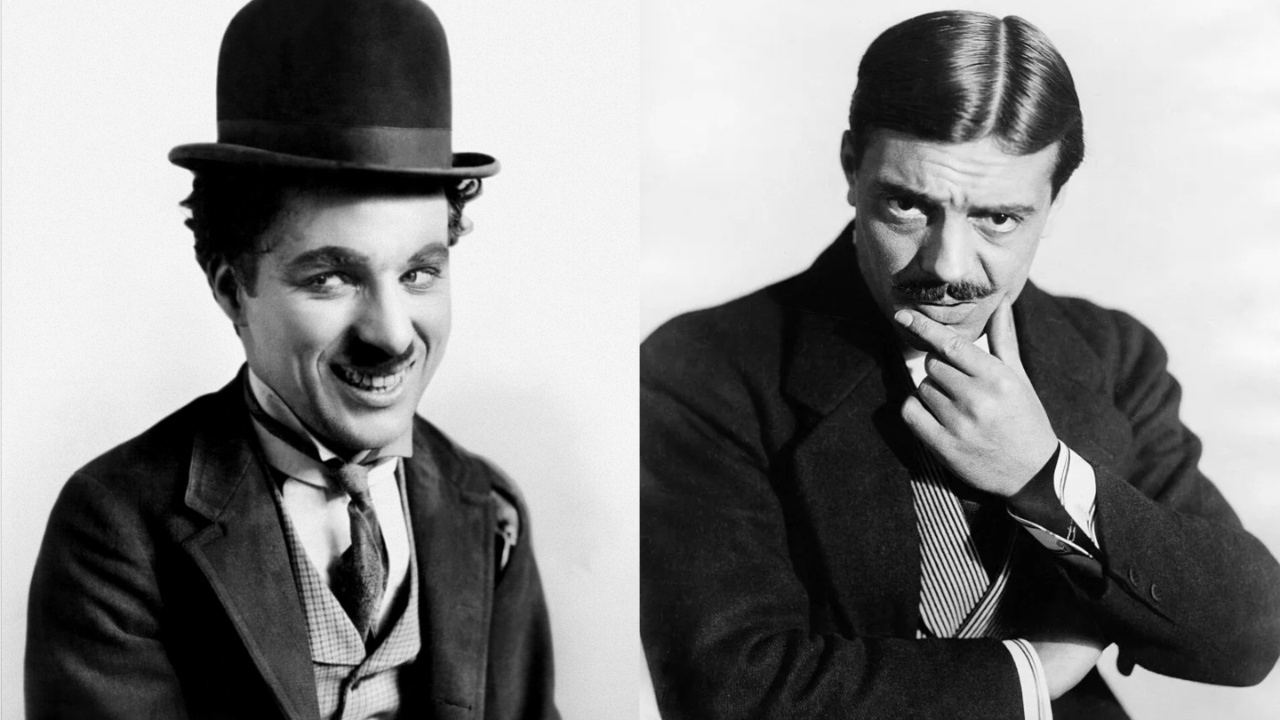
For decades, a grainy photograph has haunted film historians. It depicts Chaplin in 1921, his eyes wide with the earnest anxiety of a student, presenting a gift to a dapper Frenchman with a waxed moustache. The inscription on the photo reads, “To Max, the Professor, from his disciple, Charlie Chaplin.”
Related: The Charlie Chaplin Film Adolf Hitler Was Rumoured to Watch Twice
Today, as archivists at the Pordenone Silent Film Festival resurrect lost prints of Max Linder, the question is no longer why Chaplin loved him, but why we let him die.
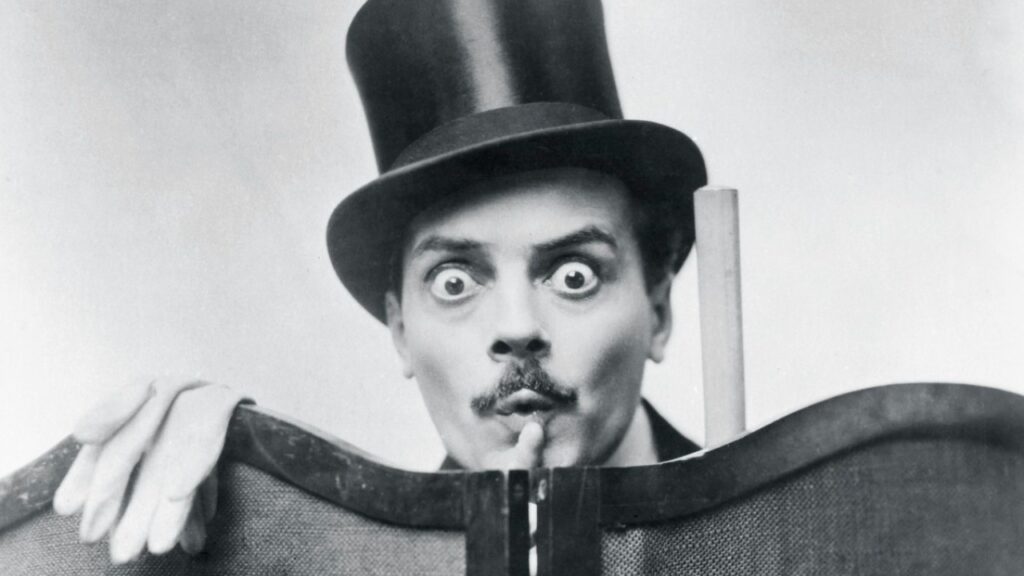
Before the glitz of Hollywood, the film industry operated under a strict rule of anonymity. Studios feared that giving actors credit would lead to demands for higher wages . But in 1909, Pathé Frères broke the rules for a man born Gabriel-Maximilien Leuvielle, a vineyard owner’s son from Gironde.
Max Linder was not a clown in a fat suit; he was a matinee idol who happened to be funny. He played “Max,” a wealthy, handsome dandy in a silk top hat, frock coat, and spats. Unlike the broad slapstick of the era, Linder’s comedy was psychological. He was the architect of the “annoyance” gag, a normal man trying to maintain his dignity while the universe conspired to destroy his apartment, his love life, or his reflection .
By 1912, he was making one million francs a year, the first millionaire of the silver screen. He was the first international film star, and he created the rulebook that every comedian since has followed.
Charlie Chaplin’s Professor
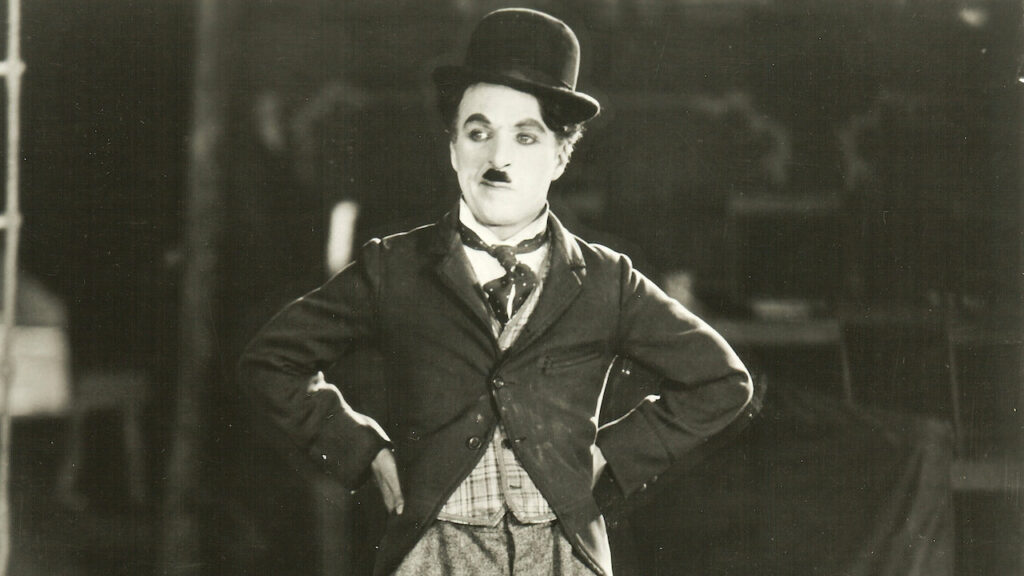
That disciple was Charlie Chaplin. As a young music hall performer in London, Chaplin studied Linder’s shorts obsessively. The connection is visual: Linder’s “windmill routine” with a cane predates Chaplin’s famous twirl by nearly a decade. The image of a man folding at the waist to expose his posterior to danger, the elegant shuffle, the relationship with inanimate objects, all of it originated with the Frenchman.
In case you missed it: ‘Peaky Blinders’ Connected Tommy Shelby to Charlie Chaplin Through a Shocking Real-Life Mystery
But while Chaplin conquered the world, Linder’s empire crumbled. When World War I broke out, Linder volunteered as a dispatch driver. He was gassed, shelled, and suffered horrific psychological trauma that turned his sunny disposition to darkness .
When he arrived in Hollywood in 1916 to work for Essanay (the very studio Chaplin had just left), he was a different man. Although he made brilliant features like ‘Seven Years Bad Luck,’ which contains the legendary “human mirror” gag later stolen by the Marx Brothers in Duck Soup, the public had moved on . Linder looked haunted and by the age of 38, he seemed old.
The Daughter Who Saved His Legacy
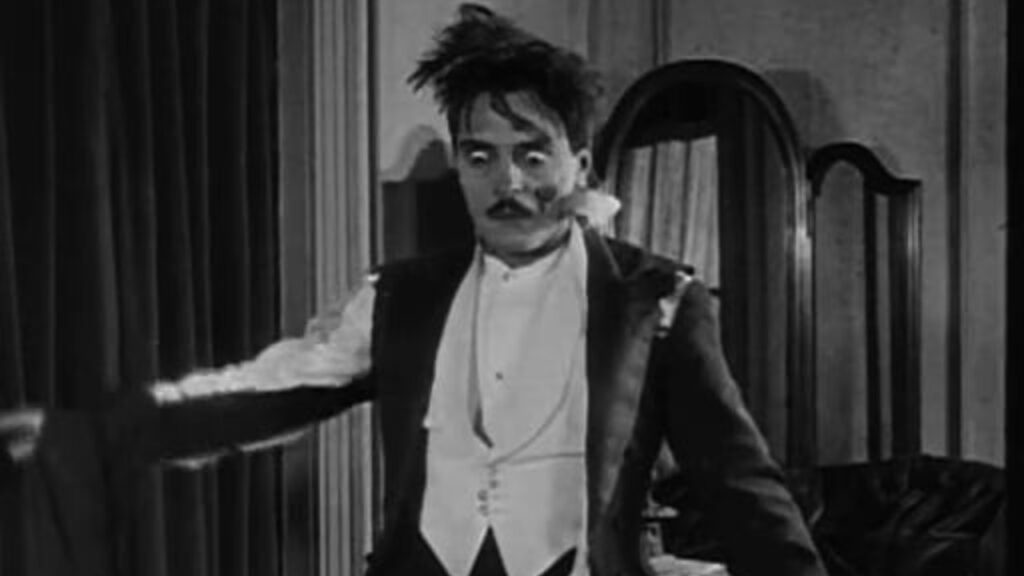
Linder returned to Paris in defeat. On the night of October 31, 1925, he and his wife ended their lives, leaving behind a 15-month-old daughter, Maud .
The industry buried him, but Maud refused to let his legacy rot. Raised by relatives who hid the truth of her parentage, she discovered her father’s films by accident as a teenager. Horrified to find that most of his 400+ films had been melted down for gunpowder during the war or buried in gardens to rot, she dedicated her life to restoration .
In 1963, Maud compiled a film of her father’s work. The Venice Film Festival awarded it the Silver Palm. For one brief moment, the “Professor” was back.
Why Max Linder Still Matters
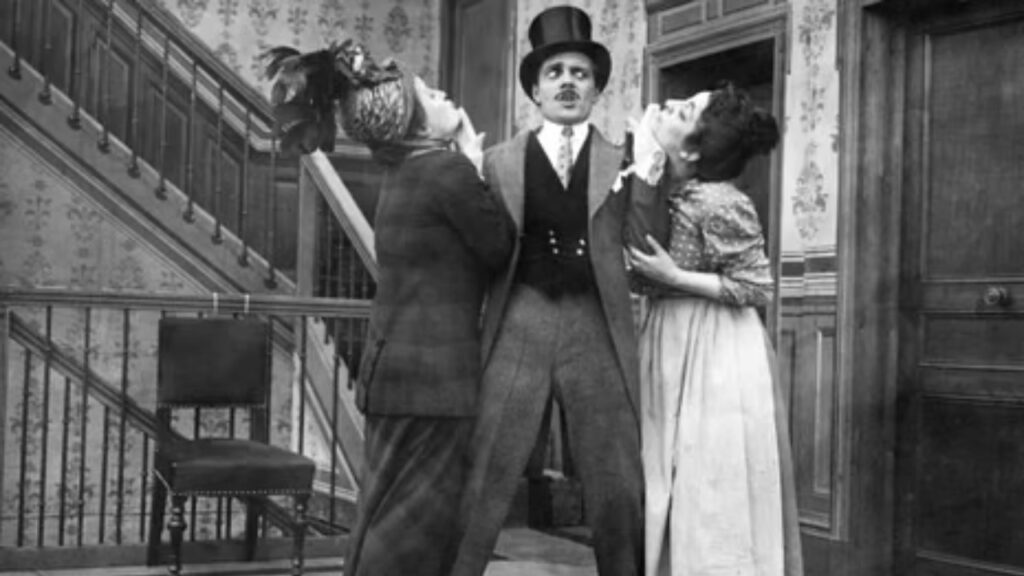
Today, Max Linder remains a footnote, a trivia answer about who influenced Chaplin. It is an injustice the silent film community is fighting to correct. In 2021, the Giornate del Cinema Muto in Pordenone premiered a long-lost print of Max der Zirkuskönig (King of the Circus), a film pulled from archives across the globe .
Watching Linder now is a surreal experience. He does not look like a silent comedian, he looks like a movie star. He moves with a liquid grace that bridges the gap between the music hall and the modern romance. “Linder’s idea was to impersonate a normal man in situations whose comic force arose from annoyances,” wrote historian Richard Abel. “The situation, not gestures, became the source of laughter” .
Chaplin gave us the Tramp’s pathos. Keaton gave us the stone face. But Linder gave us the mirror. He looked at the absurdities of modern life, the traffic, the jealousies, the social climbing and saw the joke. And for that, the world’s first film star paid the ultimate price, leaving his disciple to inherit an empire he never got to rule.
You might also want to read: The Stunt That Secretly Left Buster Keaton Walking Around With a Broken Neck for Years