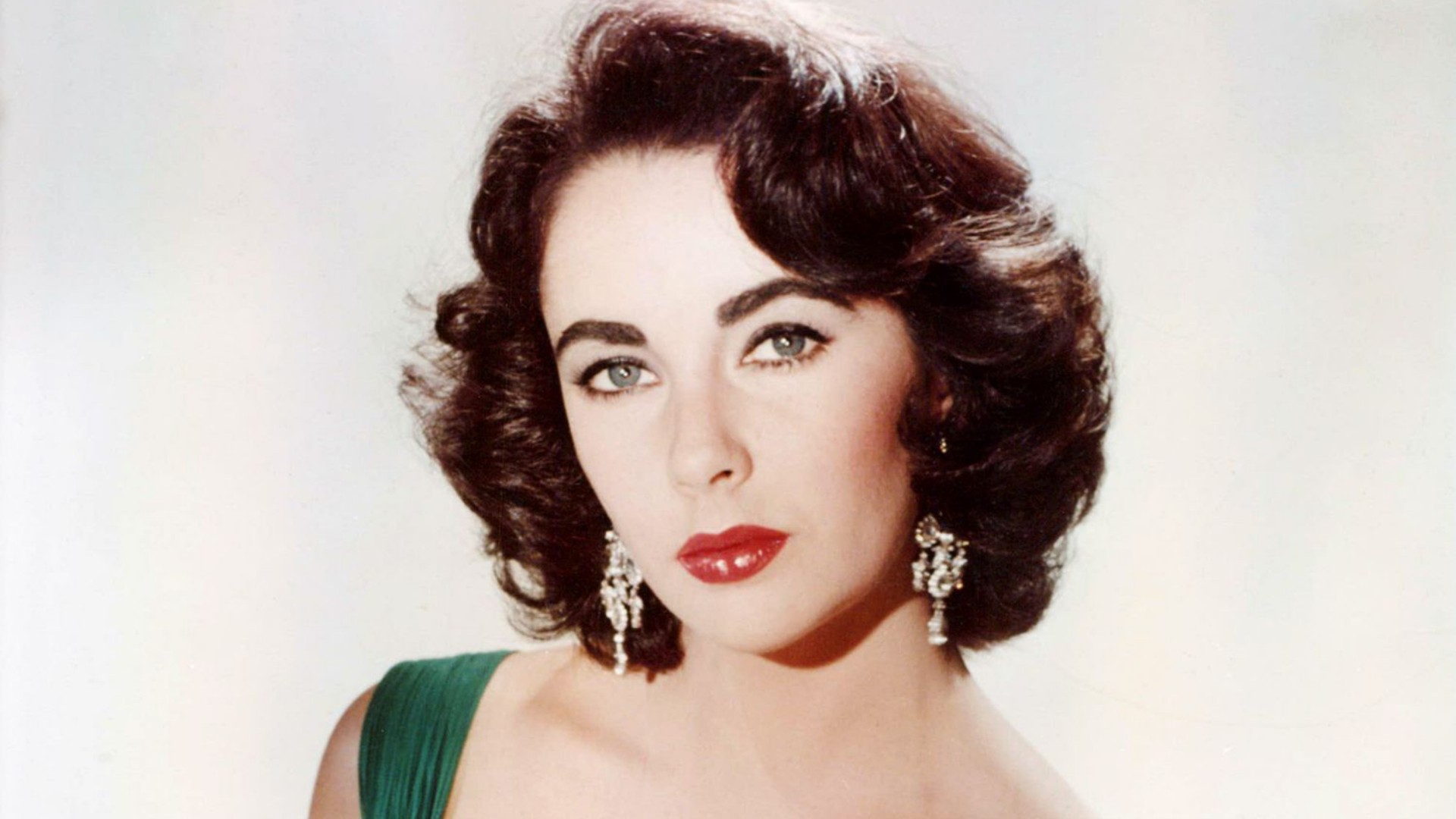
She had the violet eyes, the eight marriages, diamonds the size of doorknobs, and a face that landed on a thousand tabloid covers. By almost any measure you could name, Elizabeth Taylor was the definitive sex symbol of the twentieth century. And yet, by her own account, it was a label she resented for most of her life.
Taylor made her feelings clear in one of the most personal speeches she ever gave, when she accepted the Jean Hersholt Humanitarian Award. Standing in front of her peers, she said she didn’t want to be remembered as a sex symbol at all. She’d rather be seen as “a woman who makes mistakes, perhaps, but a woman who loves.” It was a rare moment of vulnerability from a woman the press had spent decades reducing to her looks and her love life.
Elizabeth Taylor’s Love Life and Tabloid Scandals
To understand why, it helps to look at where the sex-symbol image came from in the first place. Taylor was signed to Universal at age nine and pulled into MGM’s studio machine not long after. As one retrospective on her career points out, she grew up almost entirely inside that system, learning from childhood how to survive it, and eventually how to bend it to her own advantage. But survival came at a cost. The industry had decided what she was for long before she ever had a say in the matter.
Related: Why Elizabeth Taylor Vomited After Watching Her Own Classic Film ‘Cleopatra’
That tension only grew as her personal life turned into a public spectacle. A documentary built from newly surfaced 1964 interview tapes captures this struggle head-on. Its director, Nanette Burstein, has said the film shows a major star wrestling with what it meant to be a woman in Hollywood during the 1950s and ’60s. It follows an actress who fought for serious, complex roles while worrying that audiences only saw her as “a sex symbol rather than a talented actress,” and who was shamed publicly over her relationships even while her career was thriving.
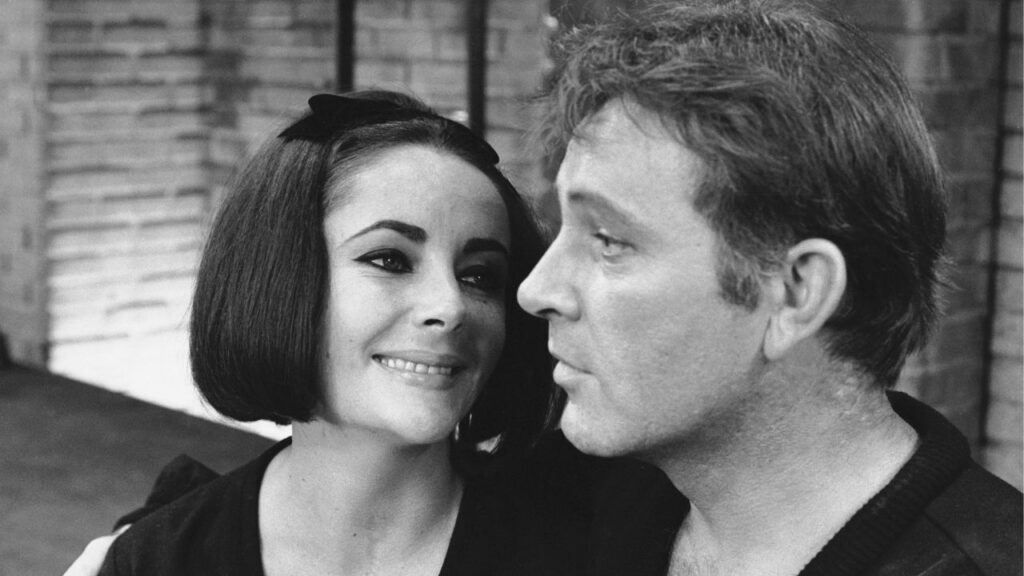
That public shaming never let up. When Taylor’s husband Mike Todd died in a plane crash in 1958, her grief-driven relationship with singer Eddie Fisher, who was married at the time to Debbie Reynolds, turned her into tabloid enemy number one. Turner Classic Movies host Ben Mankiewicz has pointed out that even though the relationship was, in his words, “supremely human,” born out of shared mourning, the public branded her a homewrecker anyway. The scandal only got worse a few years later during the making of ‘Cleopatra,’ when her affair with Richard Burton turned the movie set into a paparazzi siege and locked in her image as a woman defined by desire rather than skill.
Why the Sex Symbol Label Never Really Fit Elizabeth Taylor
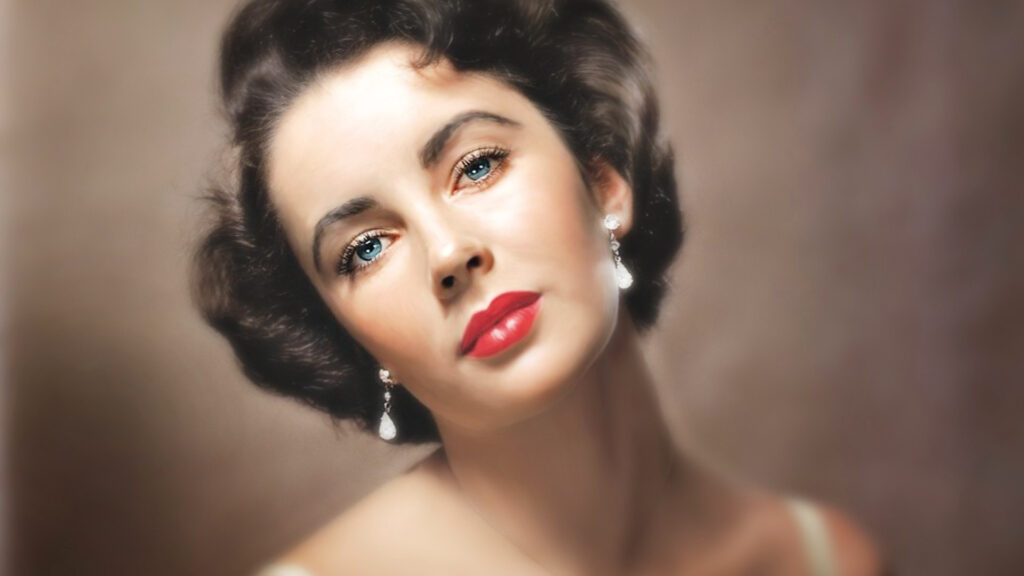
Critics who looked back at her legacy after her death in 2011 argued the “sex symbol” label never really fit her to begin with. One essay noted that Taylor didn’t look like the pinup icons or sexual-revolution figures of her time. She seemed too restless, too much her own person, to be reduced to anyone else’s fantasy.
In case you missed it: Why Elizabeth Taylor and Richard Burton Remain Hollywood’s Ultimate Scandalous Romance
Her later years complicate the picture even more. Taylor eventually made peace with, and even joked about, her sexuality and her reputation. In interviews, she could be surprisingly blunt about desire and self-acceptance. At one point, she insisted that a woman didn’t need to be conventionally thin to feel sexy, as long as she felt good about herself.
Elizabeth Taylor’s Legacy Beyond Her Sex Symbol Image
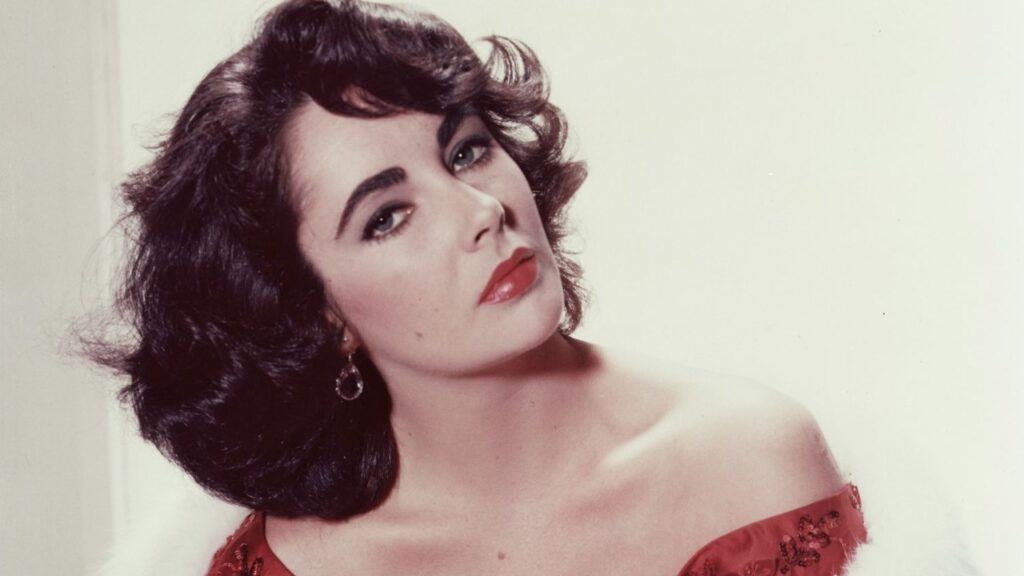
What comes through isn’t a simple story of a woman ashamed of her own sensuality. It’s the story of a woman who wanted to be seen as more than that. She was an actress with two Academy Awards, a businesswoman who changed what stars could demand in pay, and later, one of Hollywood’s first major AIDS activists. She used her fame to fund research and push back against stigma when almost no one else in her position would.
Elizabeth Taylor was, without question, one of the most desired women in the world. She just never wanted that to be the whole story.
You might also want to read: Why Katharine Hepburn Hated Working With Golden Age Beauty Elizabeth Taylor