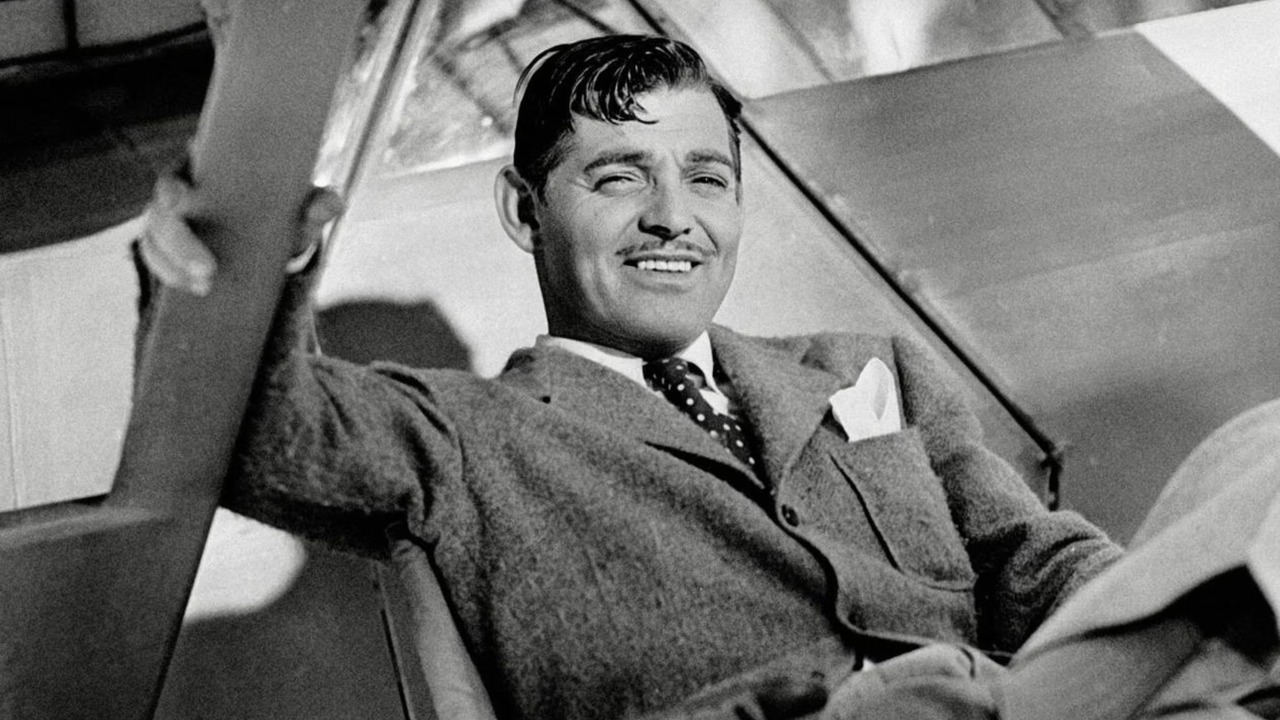
Clark Gable was known as the “King of Hollywood“. He played the part on screen and seemed to rule the movie business from his throne, but behind that crown and his crooked grin, there is a much more complicated story. He was not just the tough guy hero he played in the movies. There were secrets about his private life, and one single word he said that shocked the whole country. Gable was one of Hollywood’s most interesting contradictions.
Clark Gable’s Controversial “Gay for Pay” Allegations
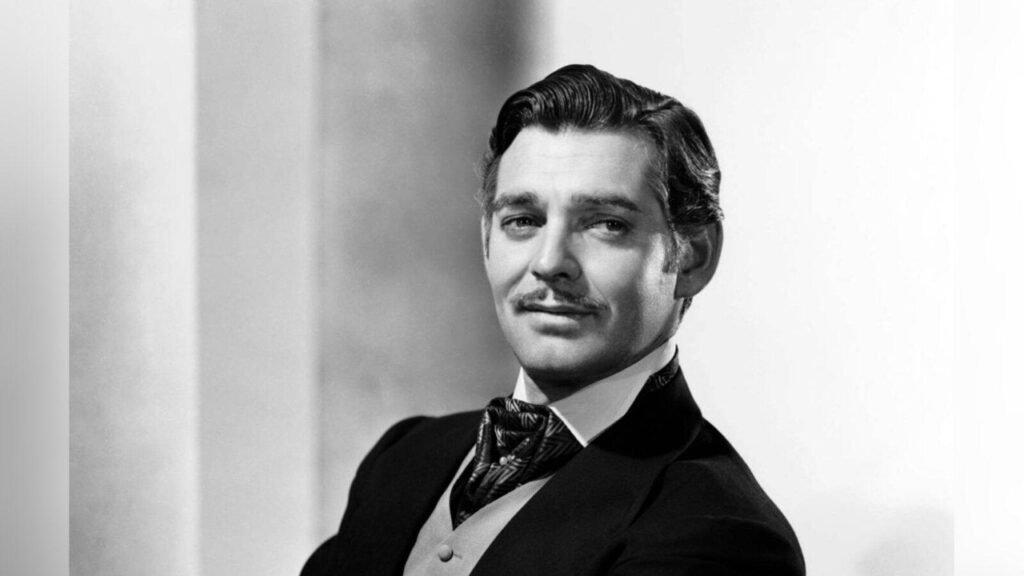
To people who went to the movies in the 1930s, Clark Gable seemed like a myth. He was the “broad-shouldered movie hero” who represented “the kind of guy with whom men could drink and gamble” and “to women he epitomized manliness.”
Related: How Clark Gable Accidentally Changed Men’s Fashion Forever in One Movie Scene
When the public looked at Gable, they saw Rhett Butler or Fletcher Christian. But the man himself often felt like a fake and struggled with the weight of his own image. He would flash his famous grin with a bit of embarrassment and say, “If I did all the things I’m credited with doing I’d have to be three guys.“
For many years, the most controversial part of Gable’s story stayed hidden. In a 2008 biography called ‘Clark Gable: Tormented Star’, author David Bret made a big claim that went against everything people thought about Gable’s manliness. Bret said Gable was “gay for pay” and “rough trade” early in his career. He suggested Gable used sexual relationships with men to get ahead in the studio system.
Bret also says that Gable’s “homophobic rantings” and his very masculine act were a cover for a secret bisexual life. The book talks about alleged affairs with actors Earle Larimore and Rod La Rocque. It describes a man who was terrified that his private life would ruin his public image. Critics say Bret’s book relies too much on gossip and unnamed sources. But the biography still made people take a fresh look at how old Hollywood created “masculinity” just to sell movie tickets.
The Real War Hero Behind the Star
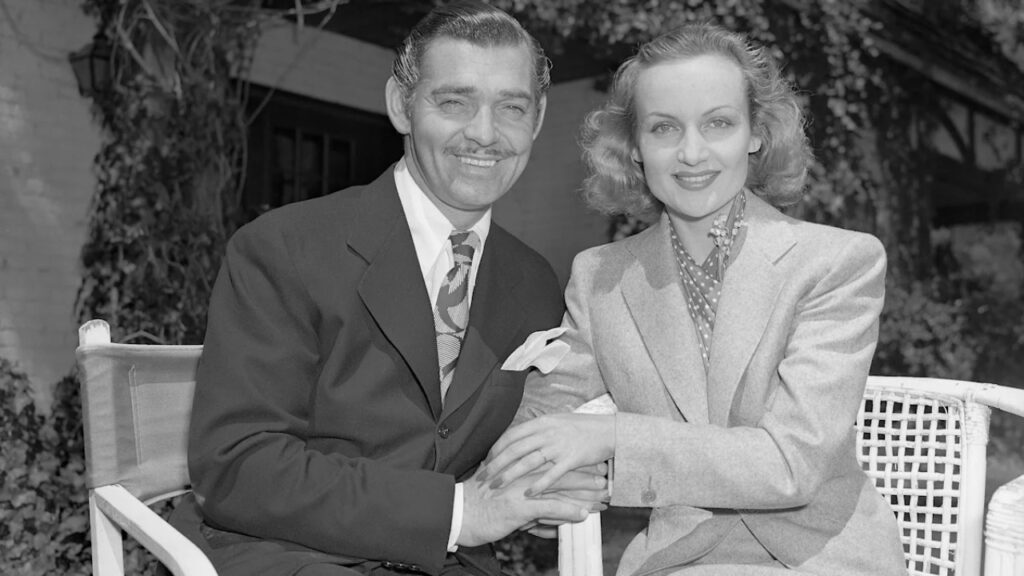
While rumors about secret relationships stayed out of the newspapers, Gable’s reaction to personal tragedy made headlines everywhere. His love for Carole Lombard was legendary. She was a funny, sharp actress and probably the love of his life.
In case you missed it: “He Looks Like an Ape”: The Brutal Hollywood Rejection That Turned Clark Gable Into the King of Hollywood
When Lombard died in a plane crash in 1942 while coming home from a war bond tour, Gable was broken. Out of deep grief and a sense of duty, the 41-year-old King of Hollywood walked away from the movie sets. He was past the draft age and at the peak of his fame, but he still joined the Army Air Forces. He didn’t get an easy desk job. Gable trained as a tail gunner, one of the most dangerous jobs on a bomber, and flew combat missions over Germany. He was given the Distinguished Flying Cross for his service. It was a reminder that behind all the studio fakery, Gable had real toughness.
The Single Word That Shocked America
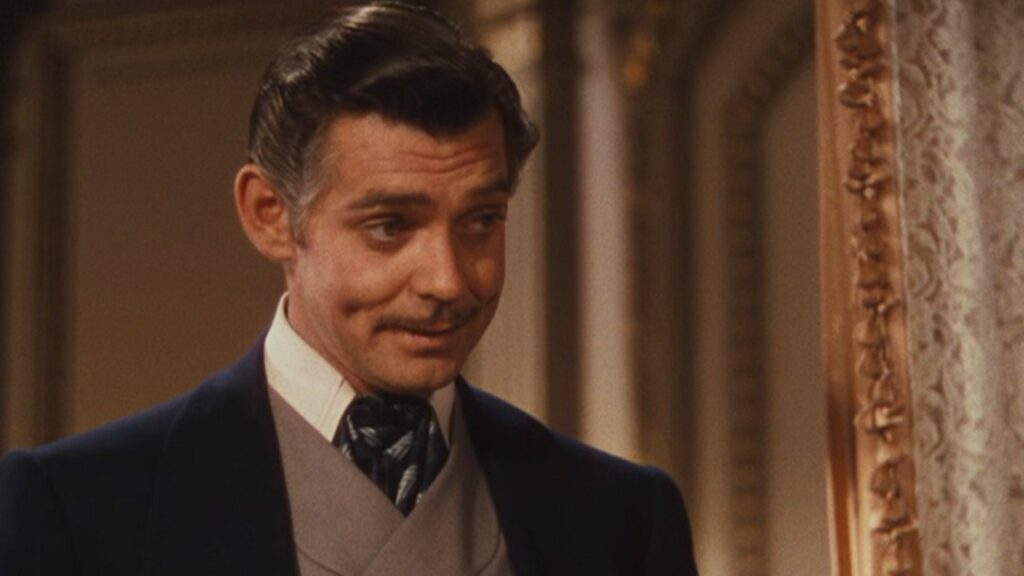
It is hard to understand today how powerful the film industry was in 1939. That year, Gable did something no major star had ever done on screen before. He swore.
In ‘Gone with the Wind‘, when Rhett Butler walks out on a hysterical Scarlett O’Hara, he says the famous line, “Frankly, my dear, I don’t give a damn.”
Today, that word is nothing, but in 1939, the Production Code, also called the Hays Code, strictly banned profanity. That line caused an immediate uproar. Cities threatened to ban the movie, preachers condemned it from their pulpits, and audiences actually gasped in theaters. It was the original viral moment, one single word that broke a cultural rule and made Gable the rebel the world could not stop watching.
Clark Gable’s Tragic Final Act
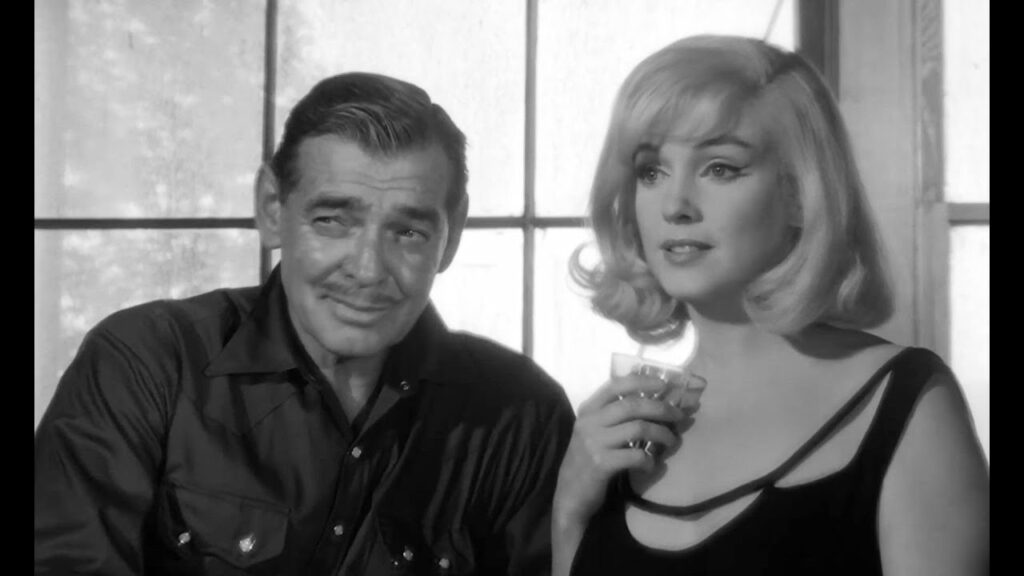
Gable’s last movie, ‘The Misfits‘ from 1961, was supposed to be a big victory. It was directed by John Huston and starred Marilyn Monroe. The film was about getting older and becoming outdated. Gable was 59-years-old and insisted on doing his own stunts. He dragged behind a truck in freezing water and roped wild horses. He did it to prove he still had what it took.
Unfortunately, a few days after finishing the movie, he had a massive heart attack. He died on November 16, 1960, after which newspapers all over the country ran the same blunt headline, “The King is Dead.”
In death, like in life, Clark Gable is a mirror of Hollywood’s golden age; glamorous, powerful, and deeply, deeply flawed.
You might also want to read: Why Greta Garbo and Clark Gable Never Made Another Movie After ‘Susan Lenox’