
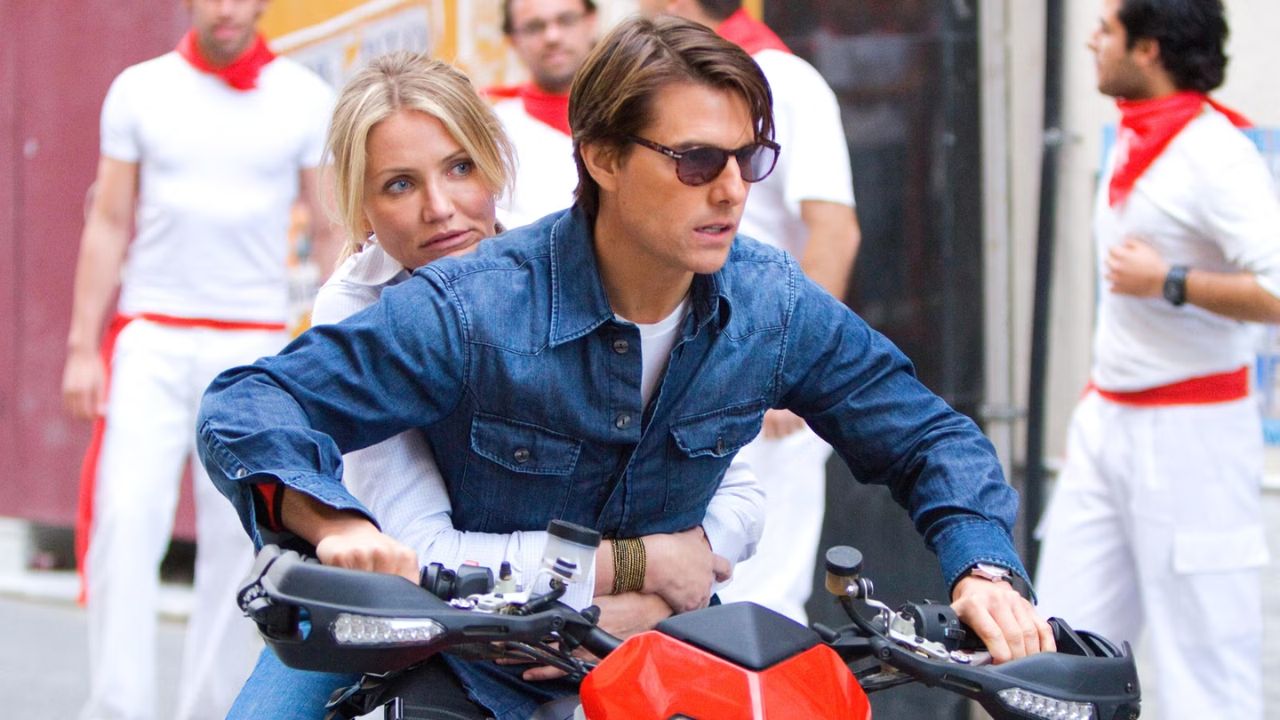
Today, Tom Cruise stands as one of Hollywood’s biggest box-office draws. The success of ‘Top Gun: Maverick‘ in 2022 reminded audiences why he has remained one of cinema’s defining stars for more than four decades, with director Steven Spielberg even telling Cruise, “You saved Hollywood’s a–“ after the film’s enormous theatrical run. That reputation, however, was on the brink of collapsing during the mid-2000s.
At the time, Cruise found himself at the center of one controversy after another. It was mainly because of his increasingly public support of Scientology that dominated headlines and overshadowed his work as an actor. Within just a few years, one of Hollywood’s most carefully managed careers had become one of its biggest public relations disasters. Fortunately, Cruise handled it all gracefully and reclaimed his position.
When His Public Image Took A Massive Hit
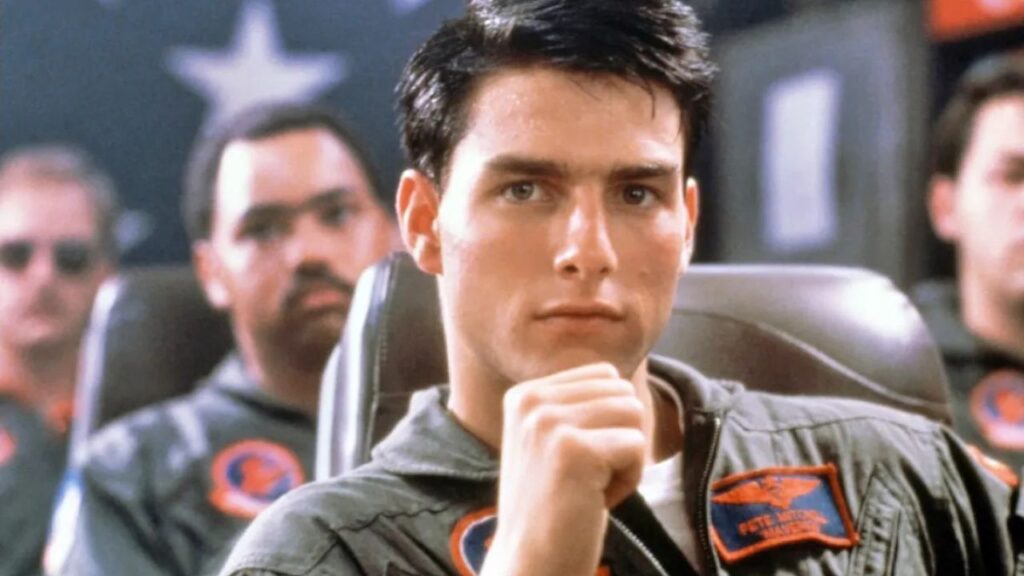
For much of the 1990s and early 2000s, Tom Cruise maintained one of the strongest public images in Hollywood. But that began to change after he parted ways with longtime publicist Pat Kingsley in 2004 and handed publicity duties to his sister, Lee Anne DeVette, a Scientologist.
Related: Tom Cruise’s New Role Puts Global Power In The Hands Of An Oil Magnate
The following year, Cruise became far more outspoken about his religious beliefs, becoming the talk of the town. His appearance on ‘The Oprah Winfrey Show’ quickly became one of television’s most replayed moments.
Instead of promoting Steven Spielberg’s ‘War of the Worlds,’ he enthusiastically jumped on a couch while discussing his relationship with Katie Holmes. That did hurt his public image, but the worst was yet to come.
Later in the year, Cruise engaged in a heated interview with Matt Lauer on NBC’s ‘Today.’ While discussing mental health, Cruise criticized actress Brooke Shields for taking antidepressants to treat postpartum depression and told Lauer, “You don’t know the history of psychiatry. I do.”
His remark reflected the core of Scientology, in which psychiatry is viewed as inherently evil. To make matters worse, a promotional Scientology video featuring Cruise later leaked online. It added to the growing fascination of the masses with his personal life.
The situation reached its lowest point in 2006 when Viacom chairman Sumner Redstone ended Cruise’s long-standing production partnership with Paramount Pictures, citing the actor’s “recent conduct” as unacceptable for the studio.
Tom Cruise Changed The Conversation
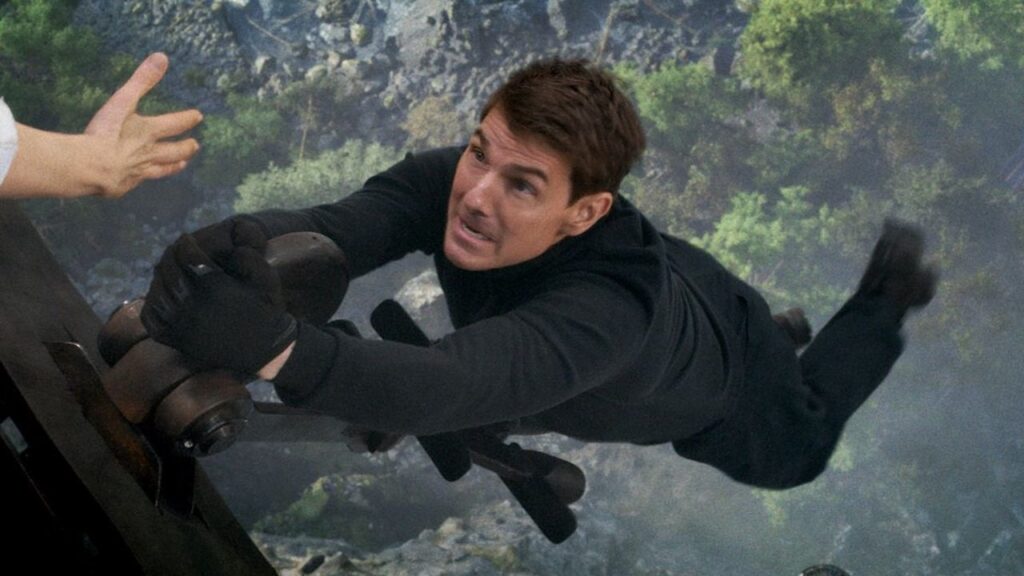
After years of grabbing headlines, Cruise quietly adopted a very different strategy. He assembled an experienced public relations team and dramatically reduced the number of public appearances.
In Case You Missed It: The Classic Tom Cruise Character That Was Originally Meant For Tom Hanks
Most importantly, he stopped discussing Scientology and largely withdrew from conversations about his private life. He continued with this approach even after his widely publicized divorce from Katie Holmes in 2012.
Rather than engage in a prolonged public dispute, Cruise chose not to address the details, allowing media attention to gradually shift away from his personal life. Instead of trying to repair his image through interviews, Cruise let his work speak for itself.
He leaned harder into the ‘Mission: Impossible’ franchise, giving audiences a fresh reason to talk about him. The publicity surrounding each new film centered less on celebrity gossip and more on the increasingly dangerous practical stunts he insisted on performing himself.
Becoming Hollywood’s Ultimate Stunt Star
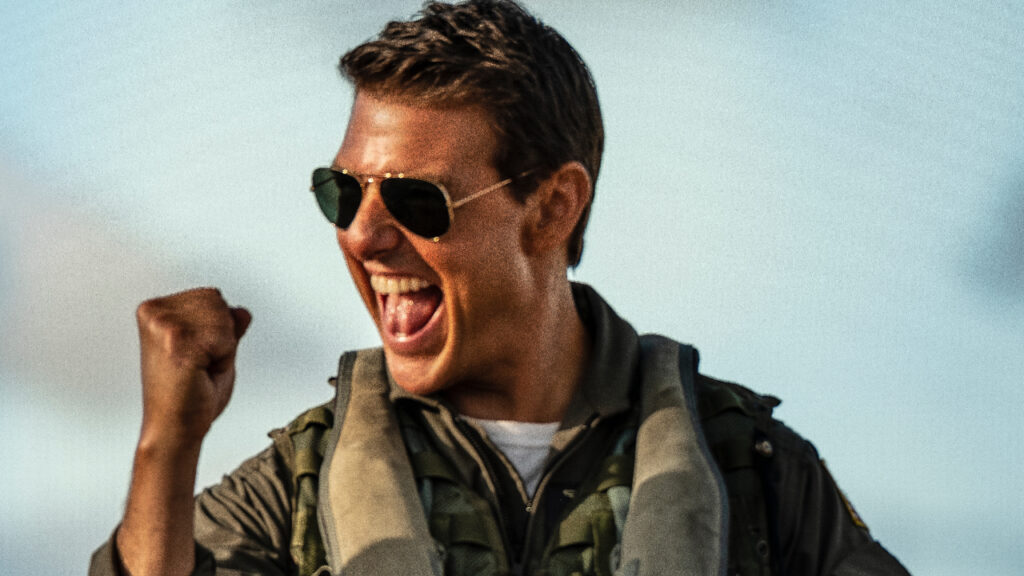
Cruise’s reinvention became impossible to ignore once ‘Mission: Impossible – Ghost Protocol’ arrived in 2011. The marketing campaign focused heavily on footage of Cruise scaling the outside of Dubai’s Burj Khalifa, instantly creating a new public image built on commitment.
With every subsequent film, the actor elevated his reputation to new heights. He clung to the side of an Airbus A400M during takeoff in ‘Rogue Nation,’ completed a HALO jump for ‘Fallout,’ and famously continued filming after breaking his ankle during one of the movie’s rooftop jumps.
Rather than discussing his beliefs or personal life, audiences now associated Cruise with practical filmmaking and an almost unmatched willingness to risk injury for authentic action sequences. That transformation reached its peak with ‘Top Gun: Maverick’ in 2022.
After insisting the film receive an exclusive theatrical release instead of debuting on streaming during the pandemic, Cruise watched it become one of the biggest hits of his career, earning nearly $1.5 billion worldwide. The comeback wasn’t built on a single interview or carefully crafted apology.
Cruise redirected attention toward the work itself. By replacing controversy with spectacular filmmaking, he managed one of Hollywood’s most remarkable career reinventions, turning a period that once threatened to define him into little more than a footnote in a much longer legacy.
You Might Also Like To Read: Millie Bobby Brown Calls Tom Cruise ‘Dear Friend’ As She Reveals His Unexpected Plan To Get Her To Fly A Plane