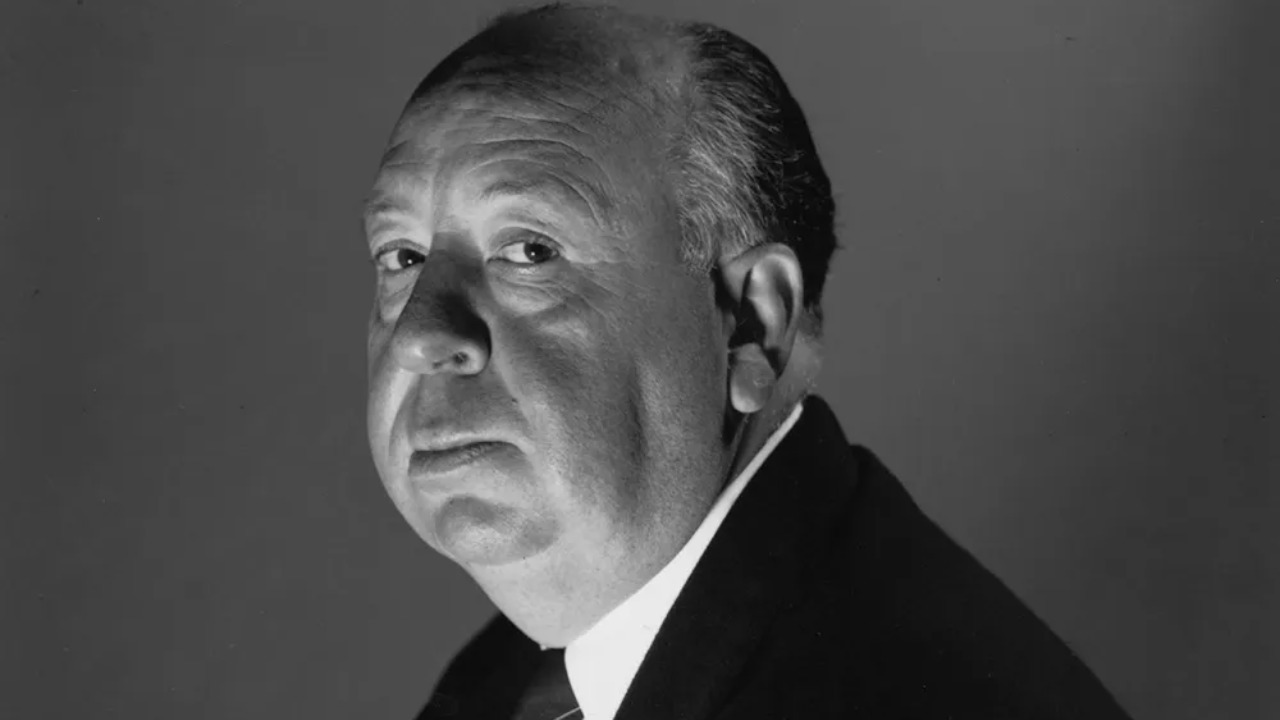
Before the ‘Babadook‘ became a queer icon or ‘Interview with the Vampire‘ turned into a mainstream hit, a chubby, dark-hearted Englishman was quietly building the foundation for queer horror.
Alfred Hitchcock spent five decades doing more than just making suspenseful movies. He used hidden meanings to sneak queer stories past the censors and into the minds of regular moviegoers. Back when the Hays Code strictly said no to any “sex perversion,” Hitchcock created a world where the real monster was not a werewolf but a broken sense of self. And he gave queer audiences a place to sit and watch.
Alfred Hitchcock’s First Technicolor Thriller (Rope) with Hidden Queer Subtext
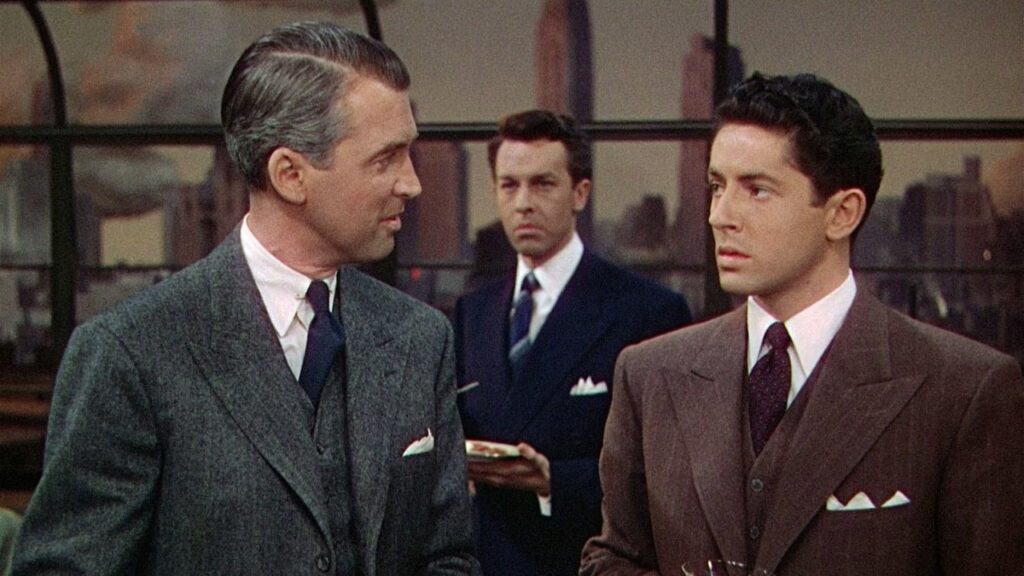
Hitchcock’s boldest move was not ‘Psycho‘ but the 1948 thriller ‘Rope‘, his first movie in color. It was based on the real-life Leopold and Loeb case, two wealthy men who were killers and also lovers. ‘Rope’ is a careful act of hidden communication.
Related: How Alfred Hitchcock’s ‘Psycho’ Flushed Away Hollywood’s Weirdest Censorship Rule
On the surface, it is a tense story about two men who think they are above everyone else. But underneath, it is about two killers, Brandon and Phillip, played by the famously queer actors John Dall and Farley Granger. The screenwriter Arthur Laurents, who was openly gay, knew how to work around the censors. He and the cast just referred to the characters’ sexuality as “it” while they were filming. The movie is full of suggestions. The opening scene, where the murder happens behind closed curtains, works like a sex scene that connects strangling with release. Right after, Brandon lights a cigarette, which was a common Hollywood way to show that a couple had just been intimate.
This was no accident. Hitchcock spent time with gay social circles in both London and Hollywood, and he knew exactly what he was doing. He hired queer actors and even tried to get Cary Grant for the lead, which would have made the hidden meanings even stronger.
Gay Panic and The Doppelganger Theme in ‘Strangers on a Train’
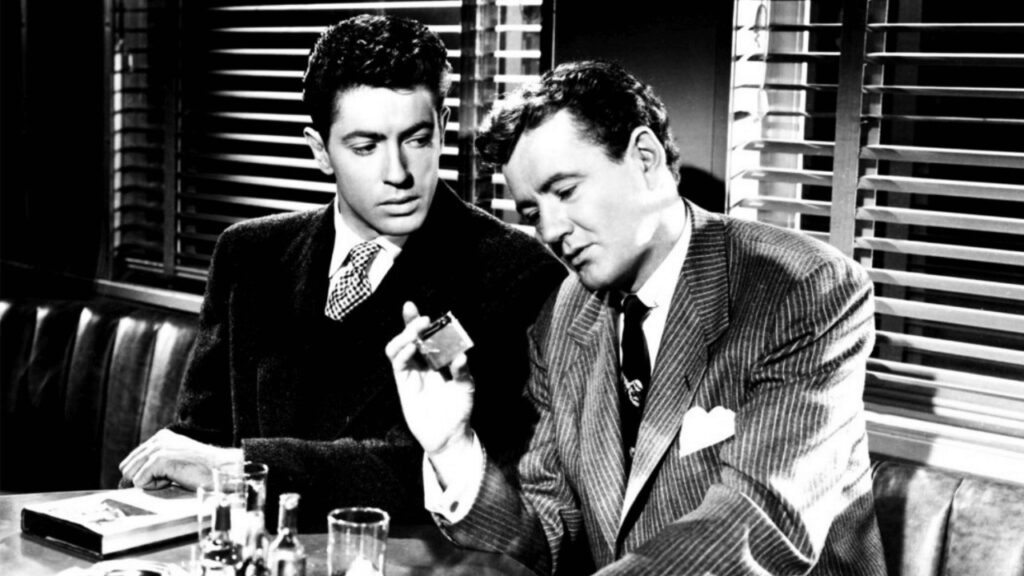
Hitchcock kept going with ‘Strangers on a Train‘. In this one, the obsessive Bruno, played by Robert Walker, goes after tennis pro Guy Haines, played once again by Farley Granger. The opening scene where they meet on a train is a perfect example of gay panic wrapped up in a thriller. It works just as well as a murder plan as it does a tense pickup.
In case you missed it: Why Alfred Hitchcock Shot ‘Psycho’ in Black and White Instead of Colour
Film scholar David Greven points out that Hitchcock often puts a “heterosexual heroine” against a “queer character” who sees through her and gets in her way. In this setup, the queer character is not some outsider but a mirror image. The idea of doubling runs through all of Hitchcock’s queer storytelling. In ‘Shadow of a Doubt’ from 1943, the young heroine and her villainous uncle are shown as reflections of each other, hinting at a dangerous sexuality hiding under a normal surface. This leads straight to his ultimate double.
Norman Bates and The Breakdown of Gender Identity in ‘Psycho’
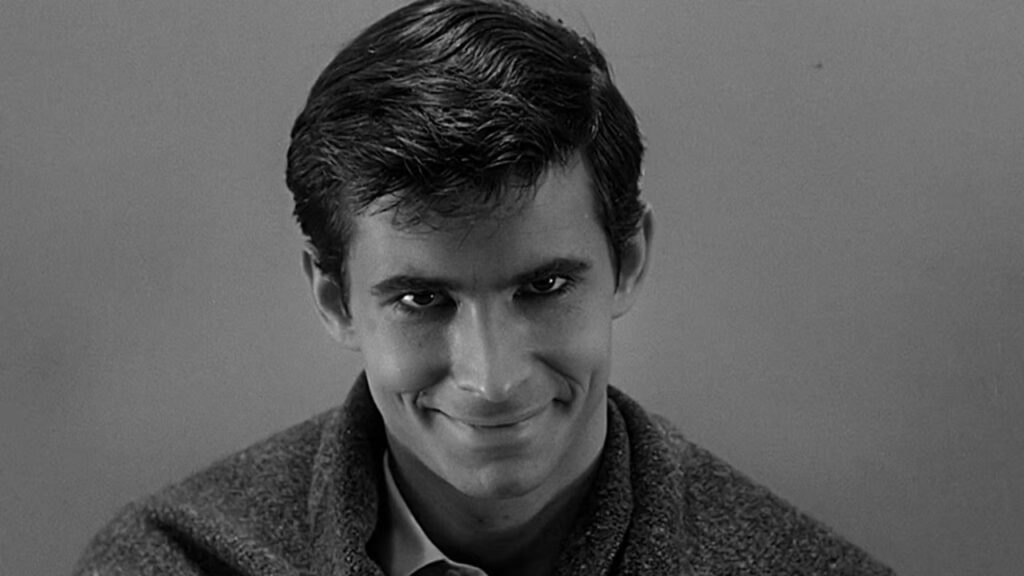
‘Psycho’ is the peak of Hitchcock’s queer vision. Norman Bates is not just a killer; he is a takedown of what it means to be a man. Anthony Perkins plays him with soft mannerisms and a shaky voice, pushing against the strict ideas of gender that existed in 1960.
Scholar David Greven says that ‘Psycho‘ shows “a truly shocking absence of gender stability.” The ending, where Norman is revealed to be “Mother,” is not just about being insane. It is a disturbing picture of gender fluidity and hidden homosexual desire being crushed by a society that demands everyone fit a certain mold. The movie links queerness with being a monster, but at the same time, it makes the audience feel for Norman more than for the “straight” hero, Sam. As Norman famously asks, “We all go a little mad sometimes. Haven’t you?” That line does not feel like a warning. It feels like an invitation.
Hitchcock worked in a time of strict rules, but he never erased what he wanted to say. He built a world of shadows, little nods, and dangerous charm that let queer viewers see themselves in the monster. This was long before Hollywood would dare to show them anywhere else.
You might also want to read: Alfred Hitchcock Fired His Greatest Collaborator Over One Major Disagreement