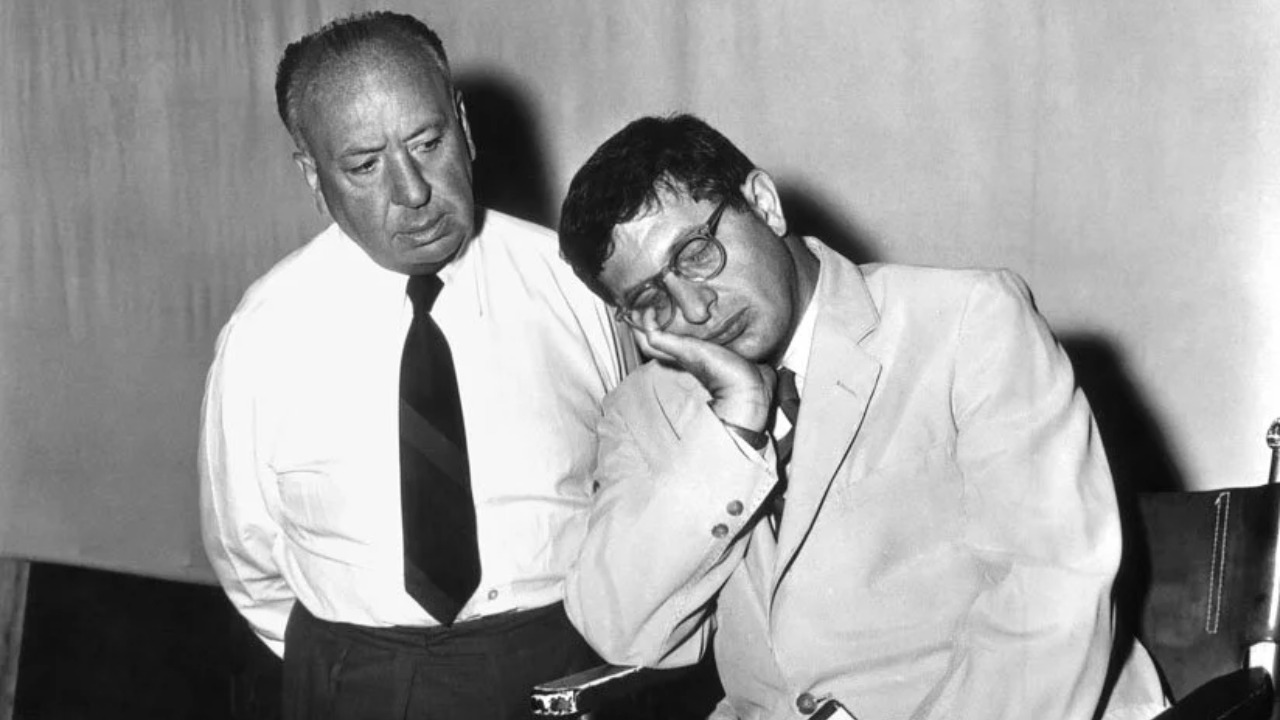
In March 1966, on a soundstage at Goldwyn Studios, composer Bernard Herrmann raised his baton. 47 of Hollywood’s best musicians began to play. The score was dark, complicated, and thunderously romantic. When the last note faded, those tough session musicians broke into spontaneous applause.
Then Alfred Hitchcock walked in. And a few minutes later, the most successful director-composer partnership in movie history was over.
The Creative Clash Over ‘Torn Curtain‘
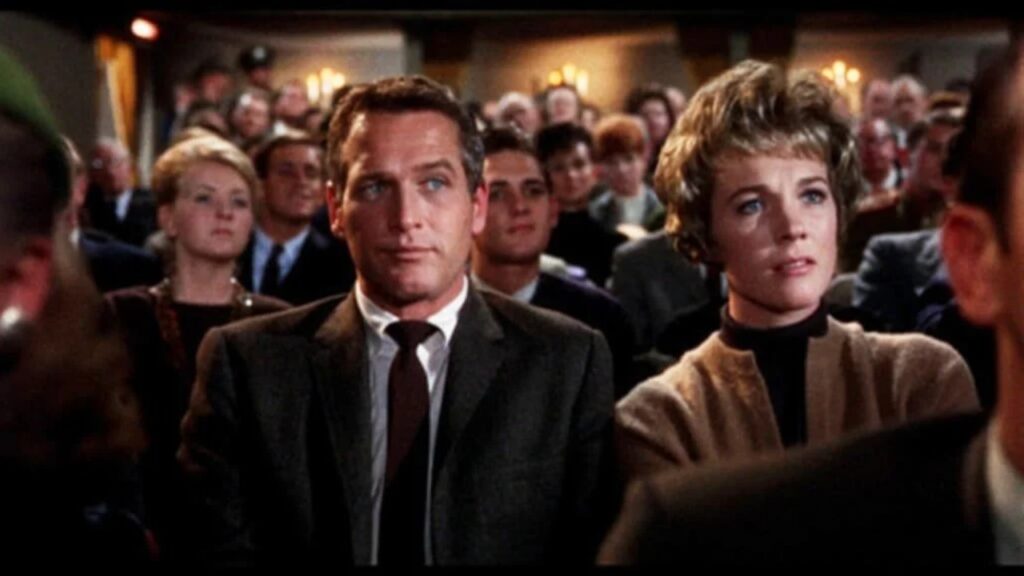
For eleven years, Hitchcock and Herrmann had been a nearly perfect team. They made masterpieces like ‘Vertigo‘, ‘North by Northwest‘, and ‘Psycho‘. But their partnership ended not because of money or ego; it ended over a creative fight about the soundtrack for the 1966 Cold War thriller ‘Torn Curtain’.
Related: How a Forgotten 1940 Alfred Hitchcock Film Inspired Christopher Nolan’s Most Intense War Movie
Hitchcock felt the pressure of a changing Hollywood and gave his friend a simple instruction. He wanted a pop-oriented, commercial score. He wanted what he called “a Number One,” a hit theme song that could be sold as a single, something like the popular sound of ‘Doctor Zhivago‘. The director was afraid of looking out of touch. Herrmann was a volatile perfectionist who cared more about art than business. He looked at the man he idolized and basically said, “Trust me.”
How the ‘Psycho’ Shower Scene Made Herrmann Ignore Orders
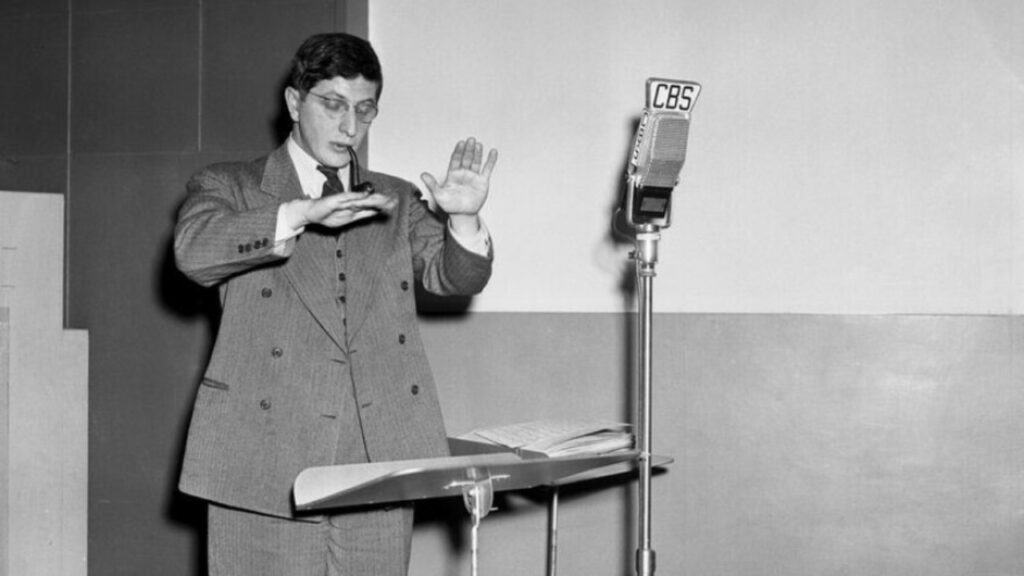
Herrmann, however, did the exact opposite of what he was told. Steven C. Smith, who wrote a book about Herrmann, later explained it this way: “The reason Benny felt that he could go against Hitchcock’s wishes on Torn Curtain… is because Hitchcock said on Psycho, ‘Do whatever you think is best. I only have one instruction: Do not write music for the murders.’”
In case you missed it: The Surprising Accident That Turned Alfred Hitchcock Into Hollywood’s Master of Suspense
On ‘Psycho‘, Herrmann famously ignored the director. He scored the shower scene with screeching violins even though he was told to keep it silent. When Hitchcock heard it, he gave in, and cinema history was made. Herrmann believed the same thing would happen with ‘Torn Curtain’.
But 1966 was not 1960. ‘Marnie‘ had failed at the box office. The British Invasion was changing music, and Hitchcock felt insecure. This time, he did not feel like a collaborator. He felt like a captain whose crew had mutinied.
Hitchcock’s Shock and Rage at the Scoring Session
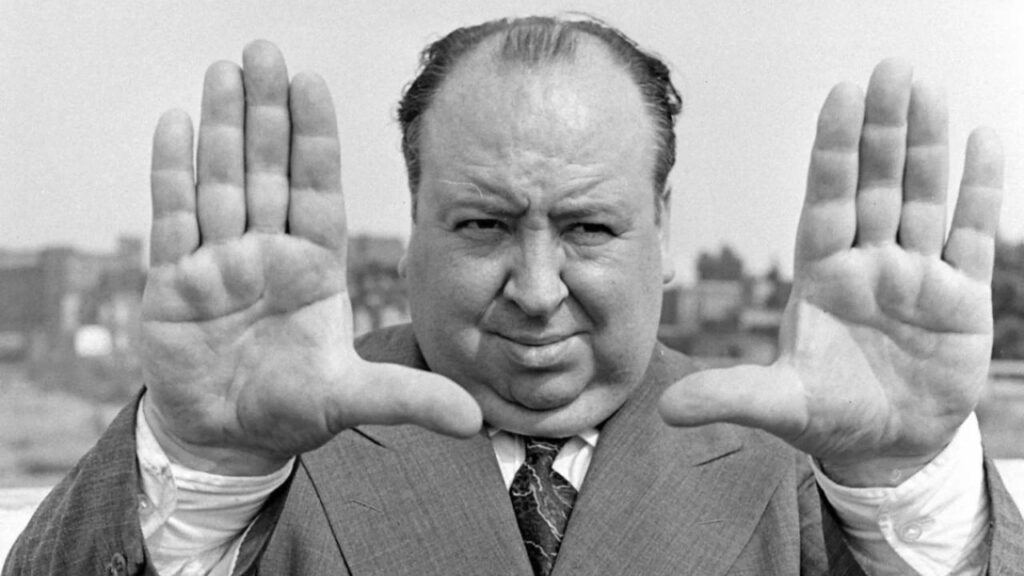
When Hitchcock arrived at the scoring session, he expected light jazz. Instead, he walked into a wall of brass and woodwinds. Herrmann had written for 12 flutes, 16 horns, and two sets of timpani. People who were there said Hitchcock reacted with shock and rage. Herrmann had written a funeral dirge for a thriller. He had scored a farmhouse murder scene with terrifying intensity, even though the director asked for silence.
According to witnesses, Hitchcock asked, “Why have you betrayed me like this?” The argument was quick and nasty. Herrmann refused to change a single note, and Hitchcock fired him right there. John Addison was brought in to write a forgettable, generic score. Herrmann packed up his music and never spoke to Hitchcock as a colleague again.
The Forgotten Masterpiece and a Career That Never Recovered
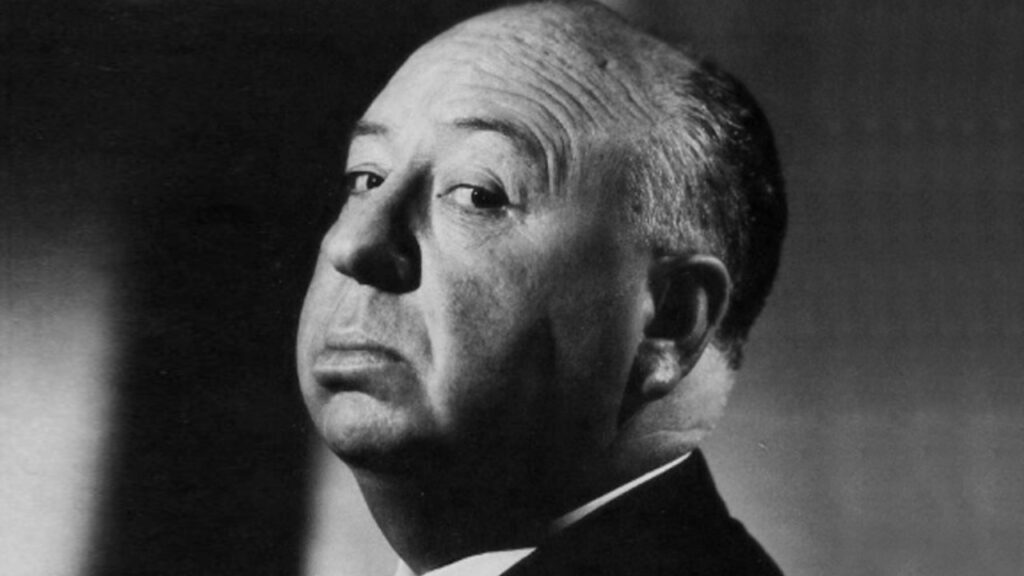
The fallout was total. Hitchcock never said Herrmann’s name in public again. He erased the man who gave ‘Psycho‘ its voice from his personal history. For Herrmann, getting fired was a crushing blow at the lowest point of his life.
But history has a way of changing its mind. Today, ‘Torn Curtain‘ is mostly forgotten. Herrmann’s rejected score has been recorded and rethought. Critics now mostly agree it is a masterpiece, the missing emotional heart of a movie that felt cold without him. Herrmann went on to write the music for Martin Scorsese’s Taxi Driver. He died in his hotel room the night after finishing it.
As for Hitchcock, his career never really got back to its artistic peak. Without Herrmann’s music to provide what some call the “connecting tissue between the screen and the audience,” his later films lacked a certain soul. It remains the biggest “what if” in suspense history. It proves that even for the Master of Suspense, some relationships cannot be fixed once the trust is broken.
You might also want to read: Why Alfred Hitchcock Avoided Working With Marilyn Monroe Despite His Blonde Obsession